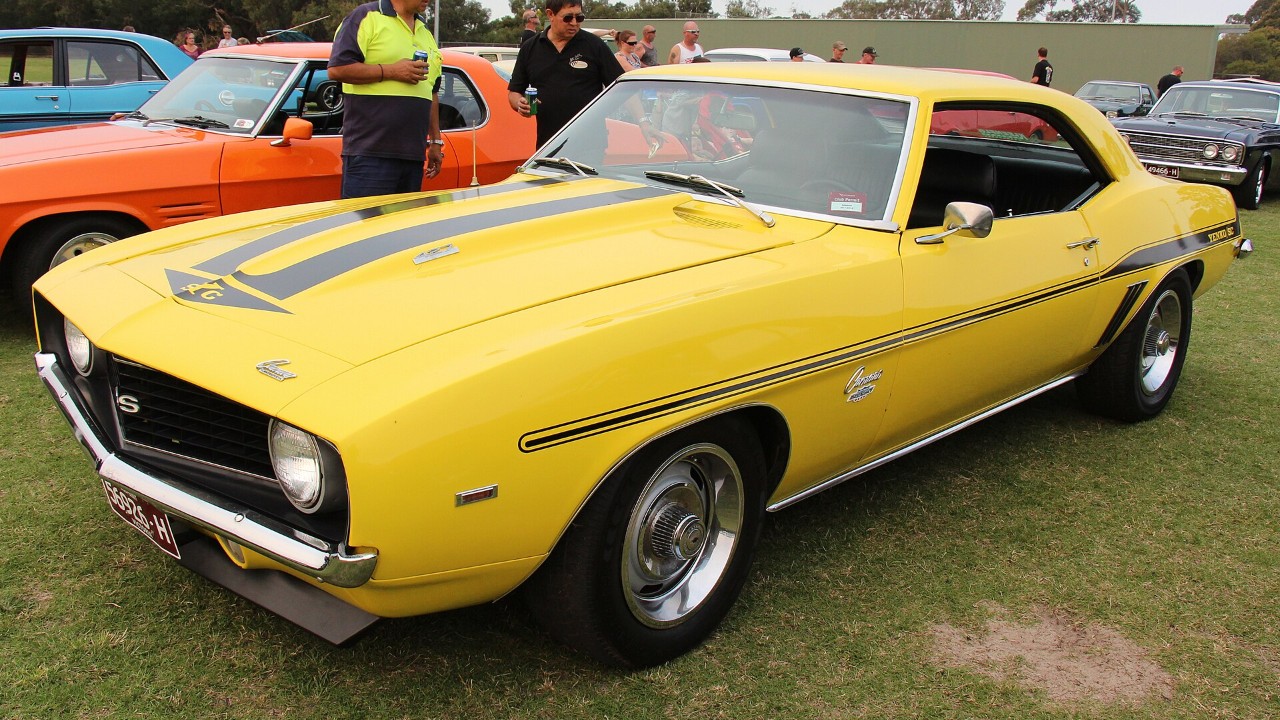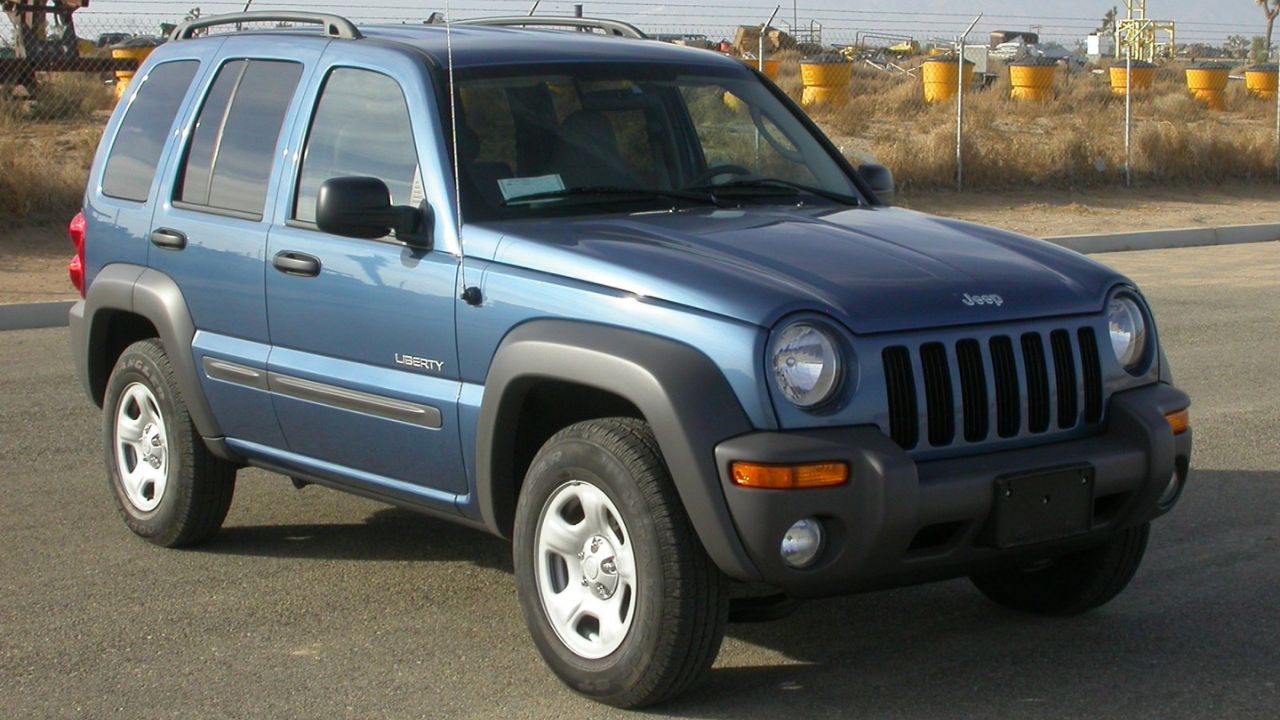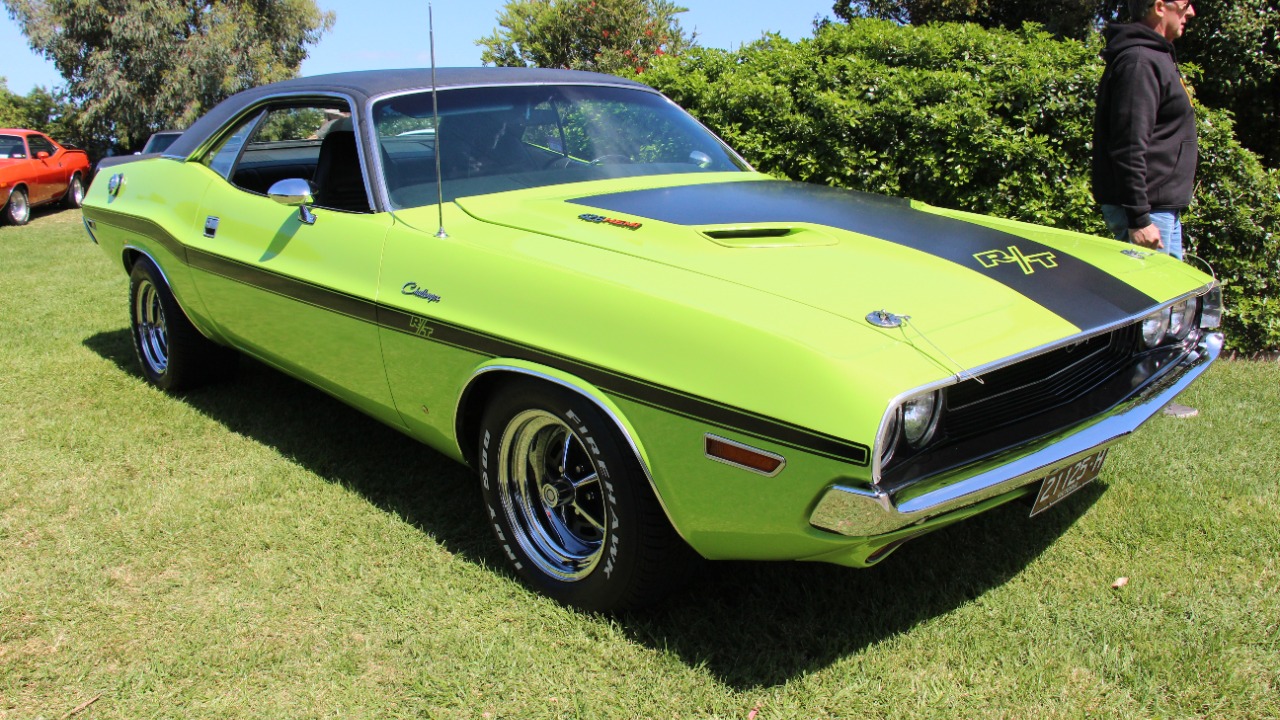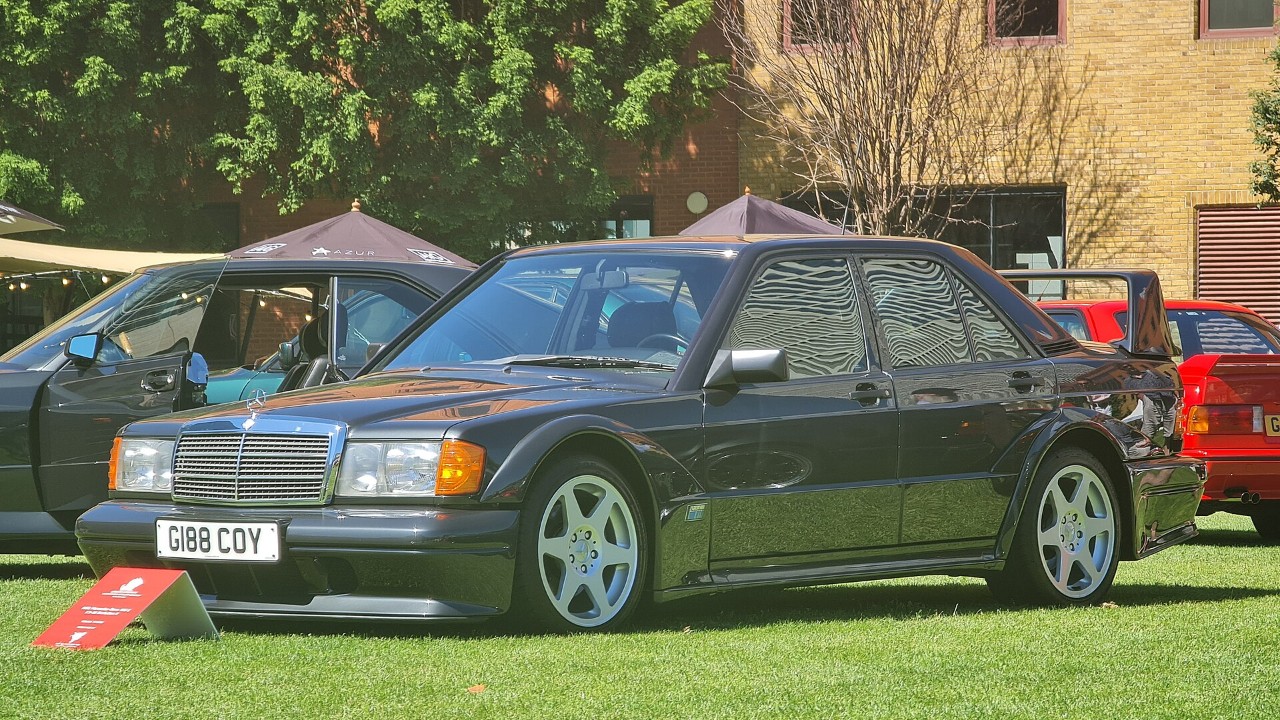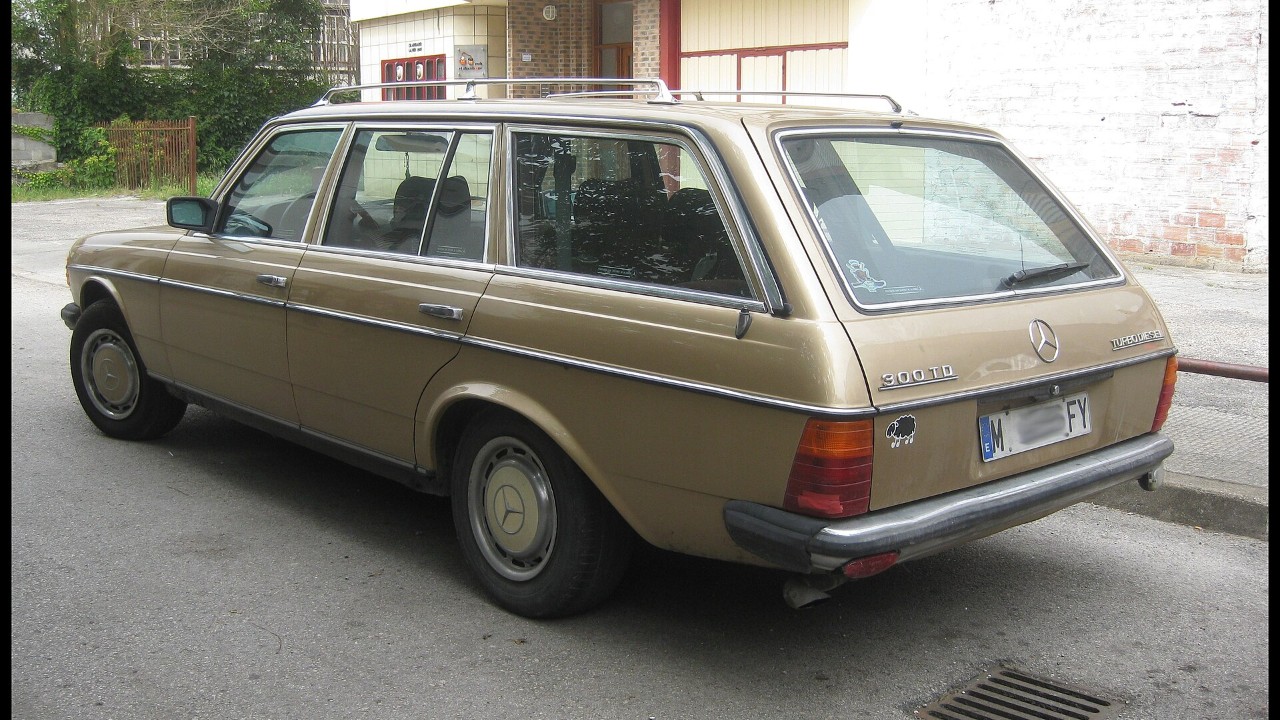
Some family haulers simply refuse to retire. These six station wagons, from the Mercedes 300TD diesel to Toyota’s Land Cruiser wagons, built reputations for running long after their payments ended.
Each claim below comes from a collector-market source, a period account or a writer’s own long-term ownership. Where the evidence is one family’s car, the entry says so.
1. 1980–1986 Mercedes-Benz 300TD
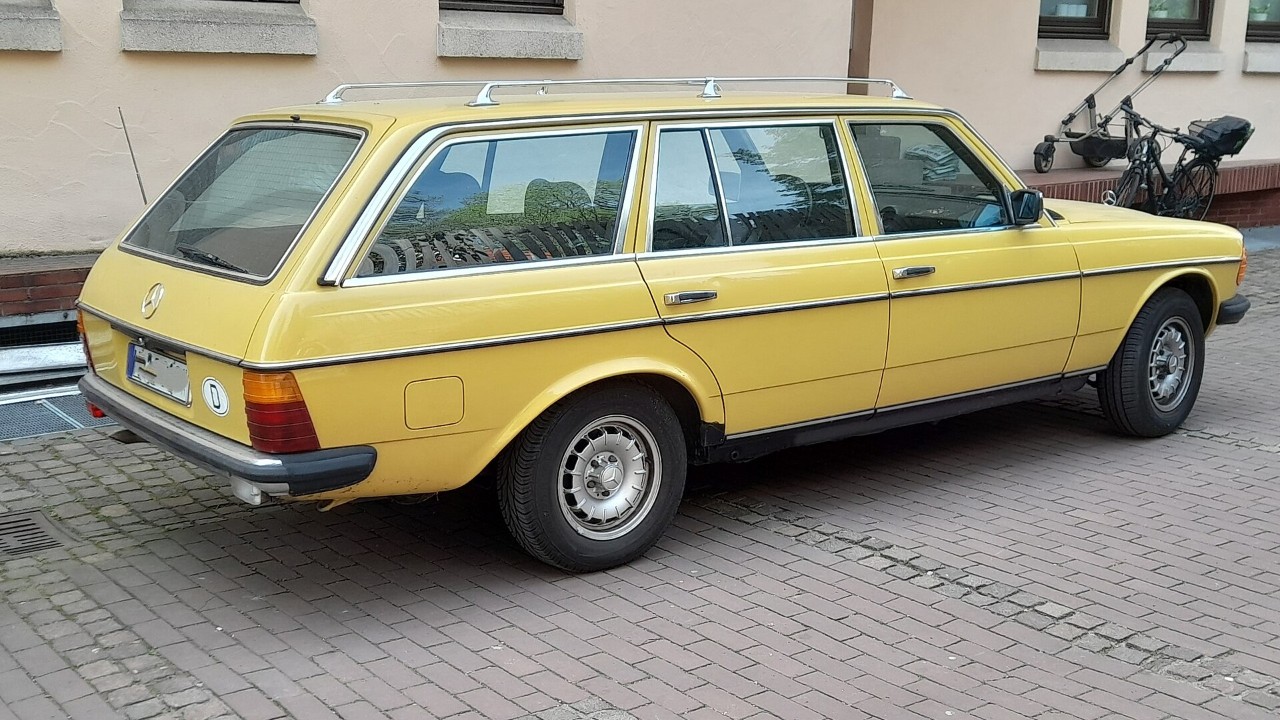
Mercedes launched its W123 wagons in April 1978, and the “T” in their names stood for transport and touristik. Between 1980 and 1986, the company built more than 28,000 300TD Turbodiesels. In all, just under 200,000 W123 wagons left the factory, according to a Bloomberg feature republished by Malay Mail.
The quotes in that 2015 piece explain why the Mercedes 300TD has a following. “This is literally the car you cannot kill,” Hagerty’s Jonathan Klinger said, adding that he had seen European taxi drivers pass a million miles. Kelley Blue Book’s Phil Skinner agreed: “They just keep on running.” At the time, mint cars sold for $20,000 to $25,000.
2. 1962–1969 Volvo 122 Wagon
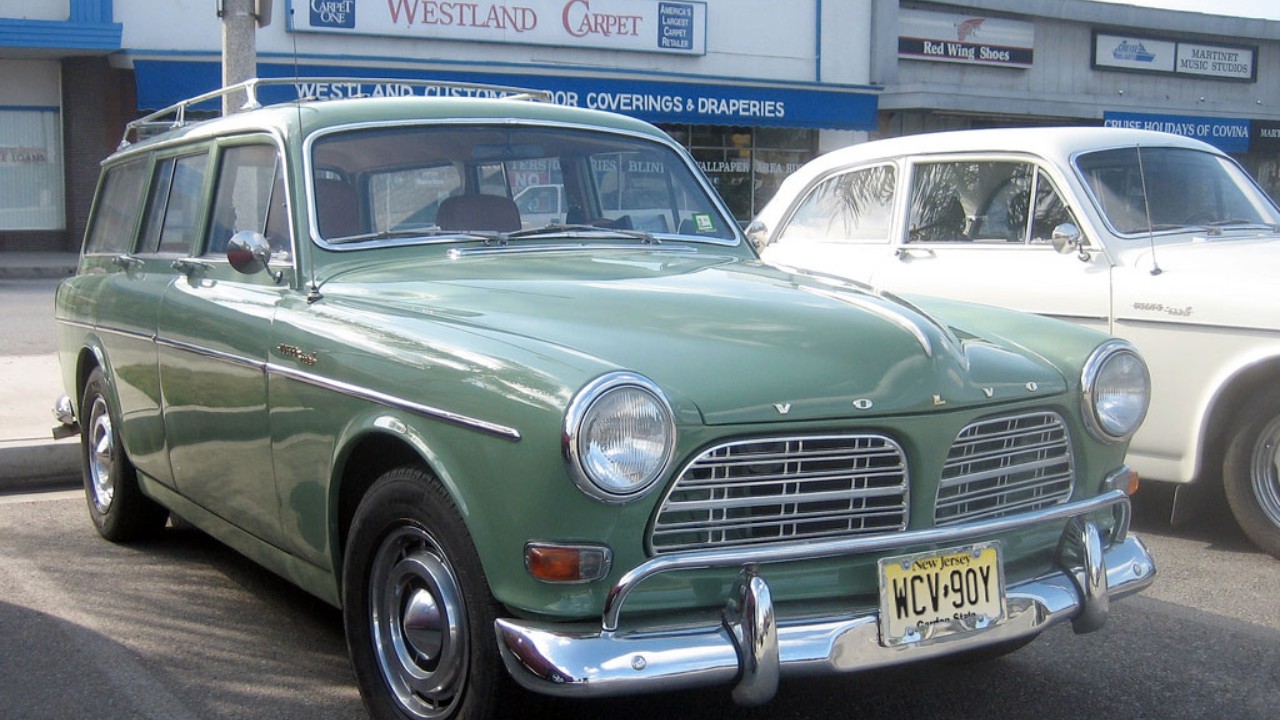
Volvo built about 73,000 wagons in the 120 series between 1962 and 1969. The wagon reached America in late 1962 as a 1963 model, priced at about $2,875. By 1968, its 1.8-liter four made 115 hp, according to Curbside Classic’s history of the car.
Longevity was the sales pitch from the top. Company president Gunnar Engellau said Volvo was “more concerned that a Volvo built today will still be on the road 10 to 15 years from now.” As a result, Volvo sold its cars on total cost of ownership rather than sticker price. Car and Driver, meanwhile, called the design “conservatively modern in the Daimler-Benz school.”
3. 1946–1963 Willys Jeep Station Wagon
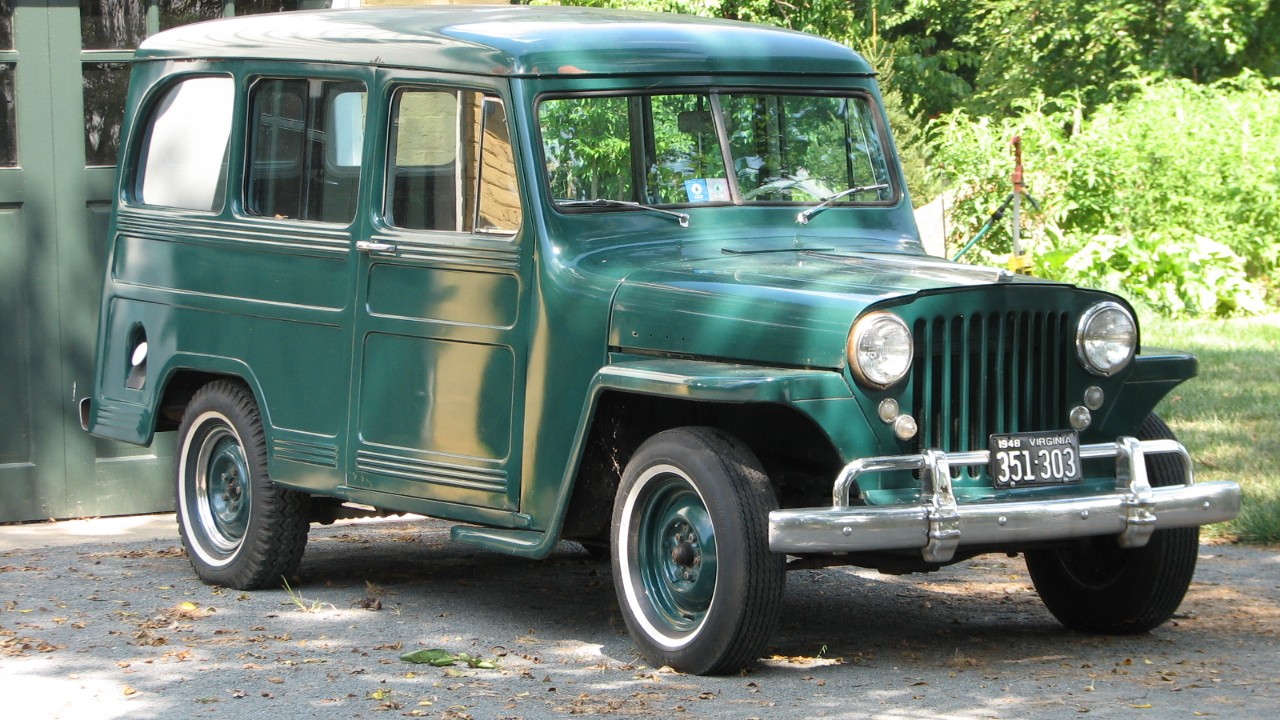
Willys introduced its Jeep Station Wagon in 1946 with an all-steel body. Power first came from the 134-cubic-inch “Go Devil” flathead four with 60 hp. Then a 226-cubic-inch Continental flathead six arrived in 1948, and four-wheel drive followed in 1950, according to Paul Niedermeyer’s Curbside Classic profile.
The best evidence of its toughness is how long it kept going. Niedermeyer calls the wagon “tough yet economical.” Even after the 1963 Wagoneer replaced it at home, the design stayed in production in other markets, “especially South America, for many decades to come,” he writes.
4. 1976–1980 Dodge Aspen Wagon
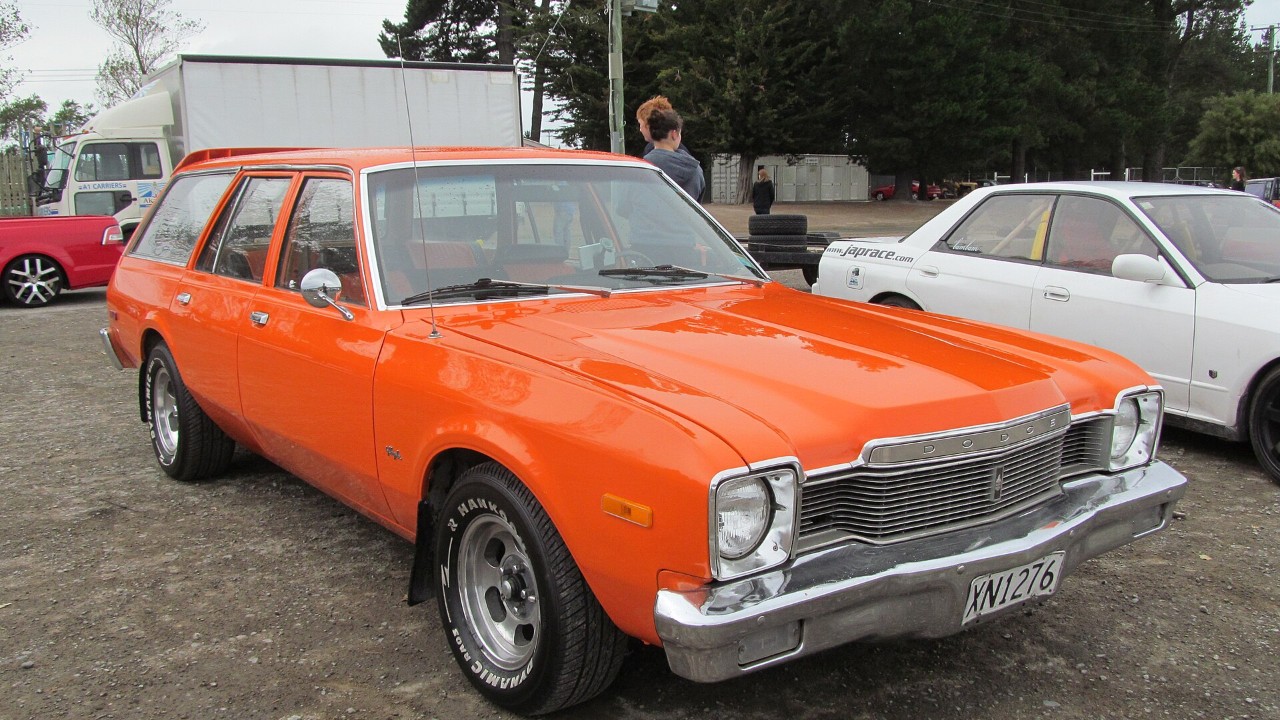
The Aspen arrived for 1976 and won Motor Trend’s Car of the Year award. Its wagon sold strongly at first: 125,305 in 1977, then 61,917 in 1978 and 38,183 in 1979. Those figures come from Jason Shafer’s Curbside Classic defense of the car.
Shafer’s durability case rests on his own family, so treat it as a reputation, not a survey. His parents’ slant-six 1978 Volaré reached 105,000 miles and “needed absolutely nothing major.” Similarly, his grandmother’s 1980 Aspen sedan lived on gravel roads and could “take punishment and keep chugging along.” However, he concedes premature fender rust and recalls for hard starting.
5. 1981–1987 Toyota Land Cruiser FJ60
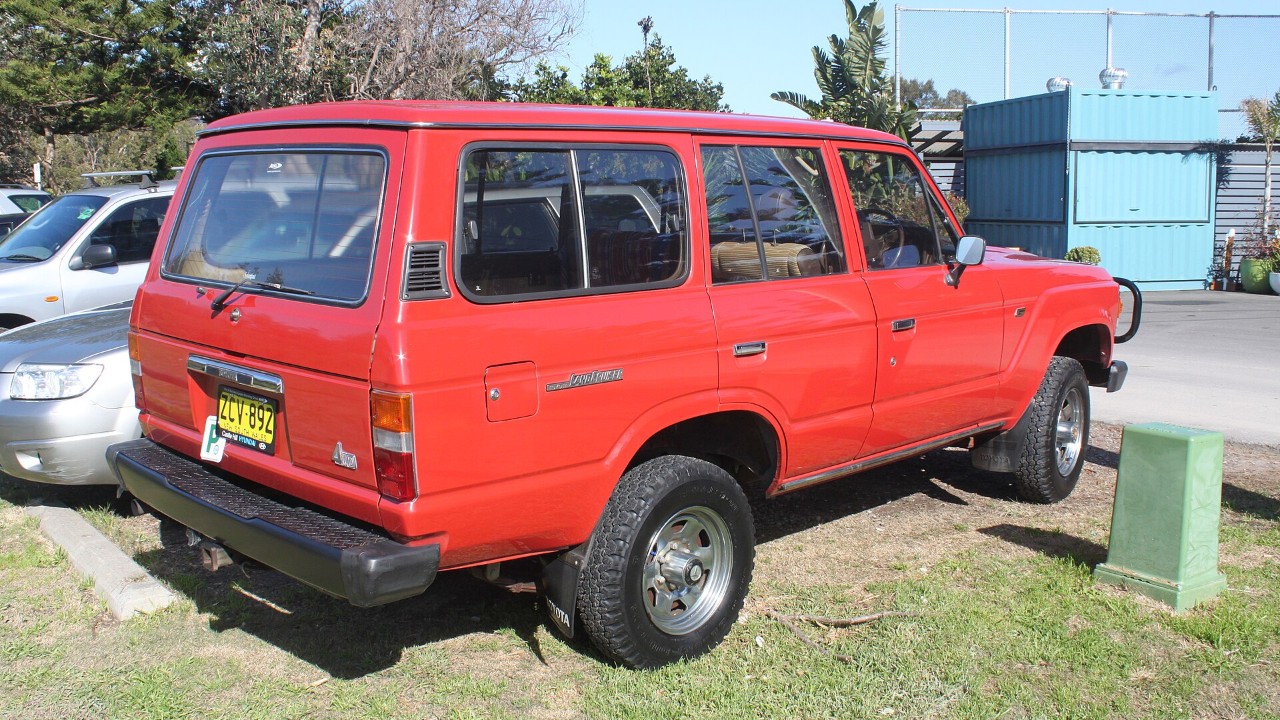
Toyota sold the FJ60 from 1981 to 1987 with a carbureted 4.2-liter 2F straight-six. Hagerty’s Land Cruiser buying guide credits these wagons with “uncommon quality and longevity.” It also notes that Toyota designs Land Cruisers for a service life of more than 20 years.
A 2012 junkyard visit shows what that looks like in practice. Writing for The Truth About Cars, Murilee Martin called the FJ60 “simple and durable.” His 1985 example “didn’t quite make 200,000 miles,” and he added that “most of the FJ60s built are still above ground.”
6. 1991–1997 Toyota Land Cruiser FJ80
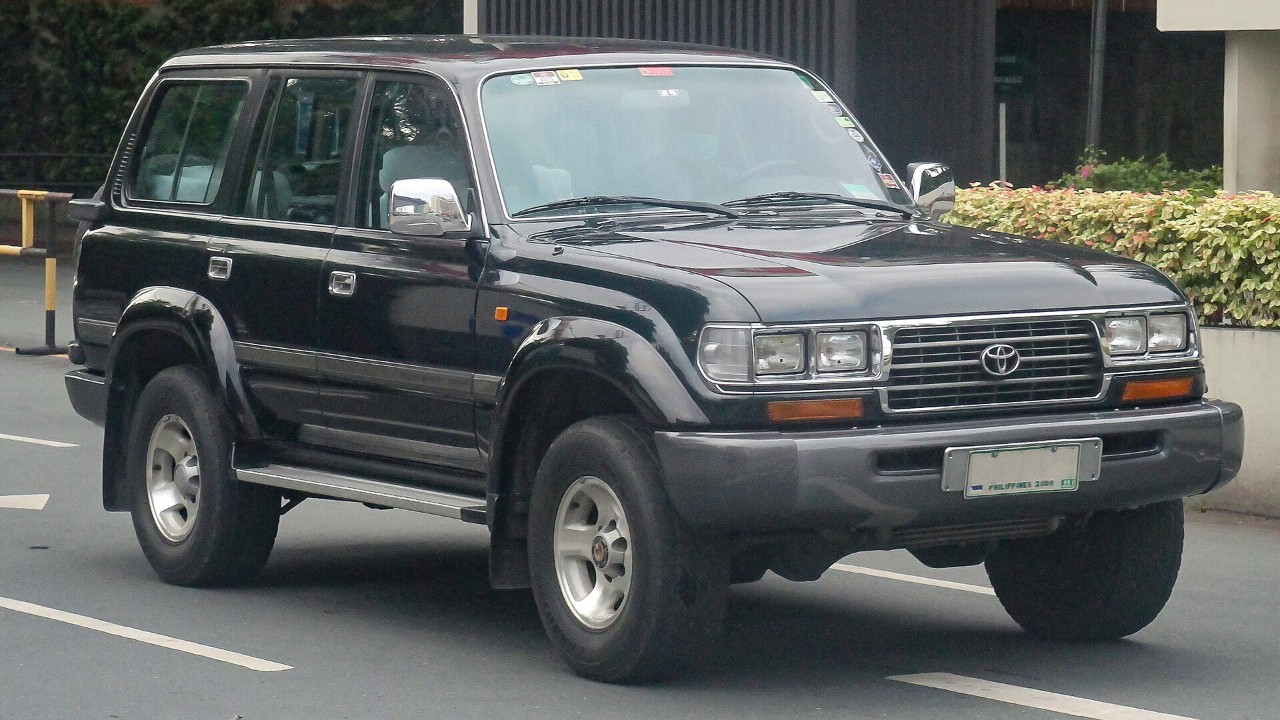
The 80 Series took over from the FJ62 for 1991 and ran through 1997, Hagerty’s guide shows. Early trucks kept the 3F six, but later ones got the 4.5-liter FZ, a 24-valve, double-overhead-cam six. Hagerty describes many of them as “used hard,” yet clean examples remain comfortable.
That hard use rarely ends their working lives. Hagerty notes that even high-mileage Land Cruisers sell for good money, while low-mileage ones keep setting records. For the 80 Series, Hagerty’s median value quote stands at $15,000.
More from Fast Lane Only