Racing rules once forced carmakers to sell road versions of their competition cars. Some of those runs ended up tiny. The seven homologation specials below range from a single Nissan R390 to 502 Mercedes-Benz Evolution IIs. Meanwhile, the Volvo 240 Turbo Evolution sits near the bottom, with just 23 true examples.
Every count here comes from the maker, a race-history archive or an auction catalog. Where a source gives a planned number rather than a built one, the text says so.
1. 1983 Volvo 240 Turbo Evolution
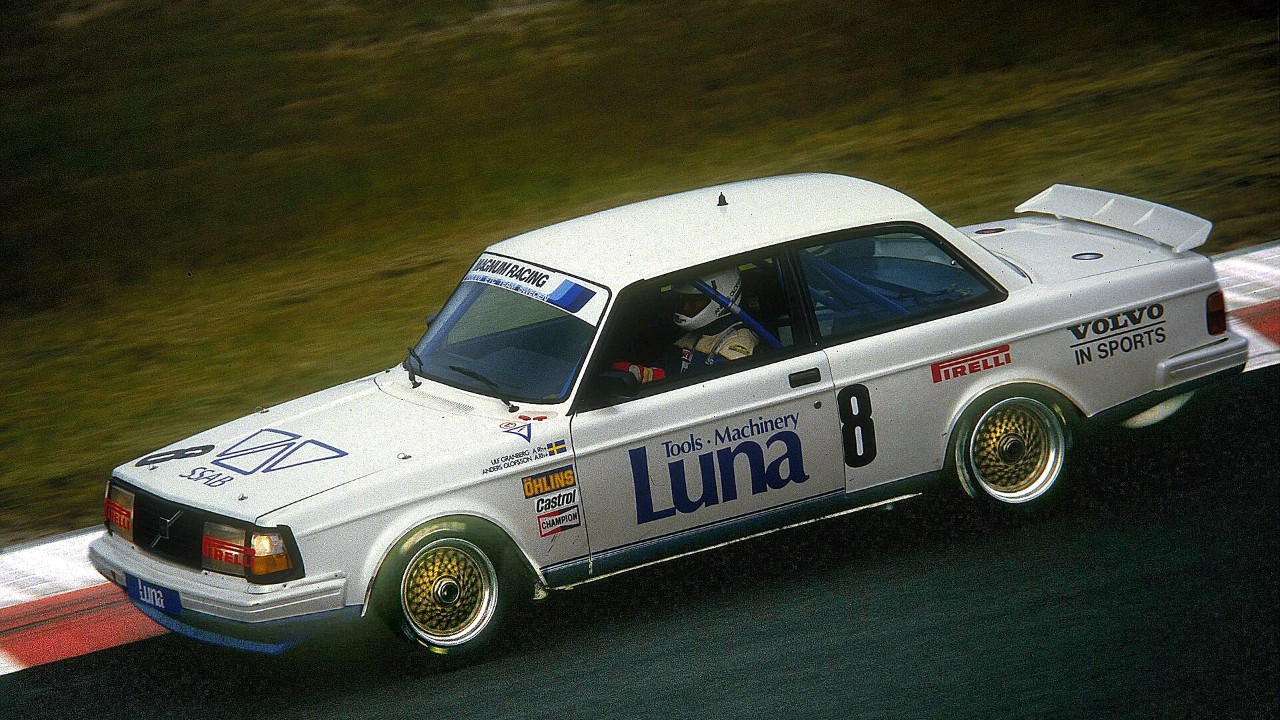
Volvo’s boxy family sedan became a touring car champion, but the road car behind it barely existed. Group A let a maker homologate a special version once it built 500 of them. The base model also needed at least 5,000. On paper, Volvo produced 500 two-door Evolutions in 1983.
In fact, only 23 cars got the real Evolution kit, according to Touring Car Times. That meant a bigger turbo, an intercooler, water injection and a rear spoiler. FISA inspected those 23, and they later went back to Europe as race cars. The rest left as ordinary Volvo 240 Turbo models. A road Evolution made 157 bhp at 5,100 rpm. Then in September 1985, FISA briefly pulled the homologation when Volvo couldn’t name the 500 owners. Even so, Team Eggenberger won that year’s European Touring Car Championship with Thomas Lindström and Gianfranco Brancatelli.
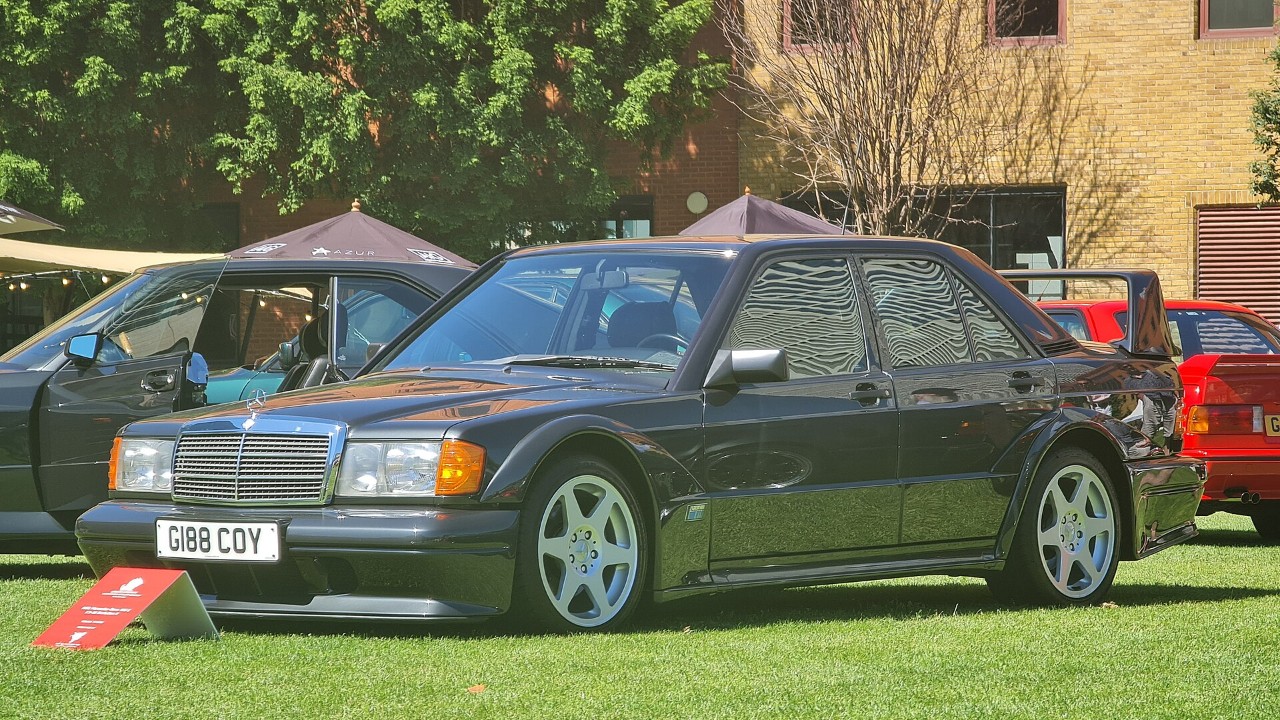
2. 1990 Mercedes-Benz 190E 2.5-16 Evolution II

Mercedes-Benz unveiled the Evolution II at the Geneva Motor Show in March 1990. Its box-shaped rear wing turned a sober 190 sedan into a race car for the street. The car existed for one reason. DTM rules demanded at least 500 customer cars before Mercedes could race the matching Evo II touring car.
So Mercedes made 502 of them, out of roughly 1.9 million 201-series sedans, Mercedes-Benz says. That works out to about one Evo II for every 3,800 ordinary 190s. Its M 102 four-cylinder made 235 PS (173 kW). The price started at DM 115,259.70, more than three times the cost of a 190 E 1.8. Later, the race version carried Klaus Ludwig to DTM titles in 1991 and 1992. Mercedes also notes that car No. 256 sold for $434,000 with 7,600 kilometers on it.
3. 1983–1985 Nissan 240RS

Nissan’s 240RS served as the company’s top-flight rally car from 1983 to 1985. It did the job without a turbo or four-wheel drive. Instead, it relied on a naturally aspirated twin-cam four that sent power to the rear wheels through a five-speed gearbox. Nissan built 200 road-going examples so the car could compete.
The engine was the FJ24, and it made 270 bhp in race trim, Silodrome reports. That figure looked modest against turbocharged Group B rivals. Even so, the 240RS finished second on the 1983 New Zealand Rally, its best World Rally Championship result. It also collected national championship wins in Kenya, Britain, Greece and Cyprus. One 1986 car, second on the 1987 Zaire Safari Rally, went to Artcurial with a guide of $151,000 to $221,000.
4. 1983–1984 Toyota Celica Twincam Turbo
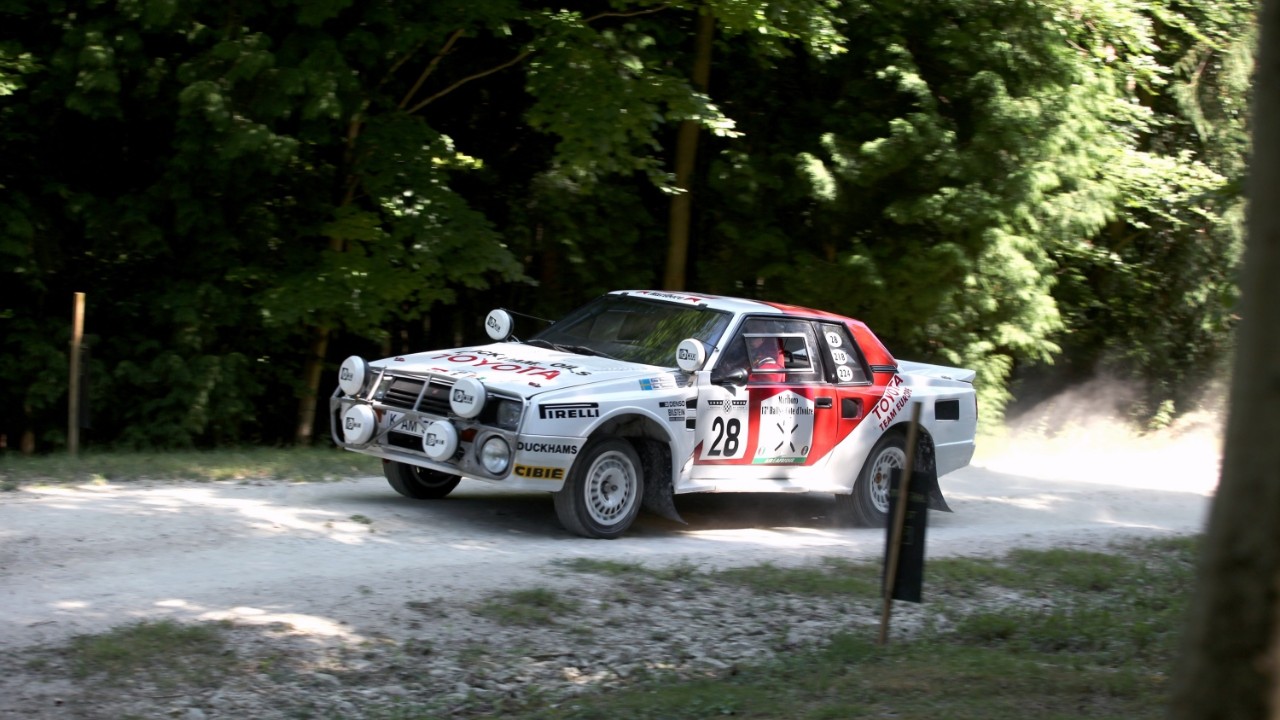
Toyota’s answer to Group B kept rear-wheel drive while its rivals moved to four-wheel drive. Because the rules called for 200 road cars, Toyota Team Europe planned 200 of them plus 20 “evolution” versions for rallying.
Under the hood sat the 4T-GTE, a 2,090 cc turbocharged four. The rally car made 370 bhp at 8,000 rpm, according to the spec table from Toyota’s UK press office. Juha Kankkunen gave it a sixth-place debut on the 1983 1,000 Lakes Rally. After that, Björn Waldegård took its first win on the 1984 Ivory Coast Rally. Between 1984 and 1986 it won three Safari and three Ivory Coast rallies, which earned it the nickname “King of Africa.”
5. 1998–1999 Toyota GT-One TS020 Road Car

Le Mans GT1 rules of the late 1990s forced Toyota to build road-going versions of its GT-One. It built only two. Both stayed with the company, with one on display at its headquarters in Japan and the other at its racing base in Germany.
The road cars changed little from the racer, keeping a 3.6-liter twin-turbo V8 rated at 600 hp and 479 lb-ft, according to Carscoops. Toyota entered three GT-Ones at Le Mans in 1998, but its only finisher came home ninth. A year later it ran three again, and the lone survivor finished second overall and first in its class.
6. 1997 Nissan R390 GT1 Road Car
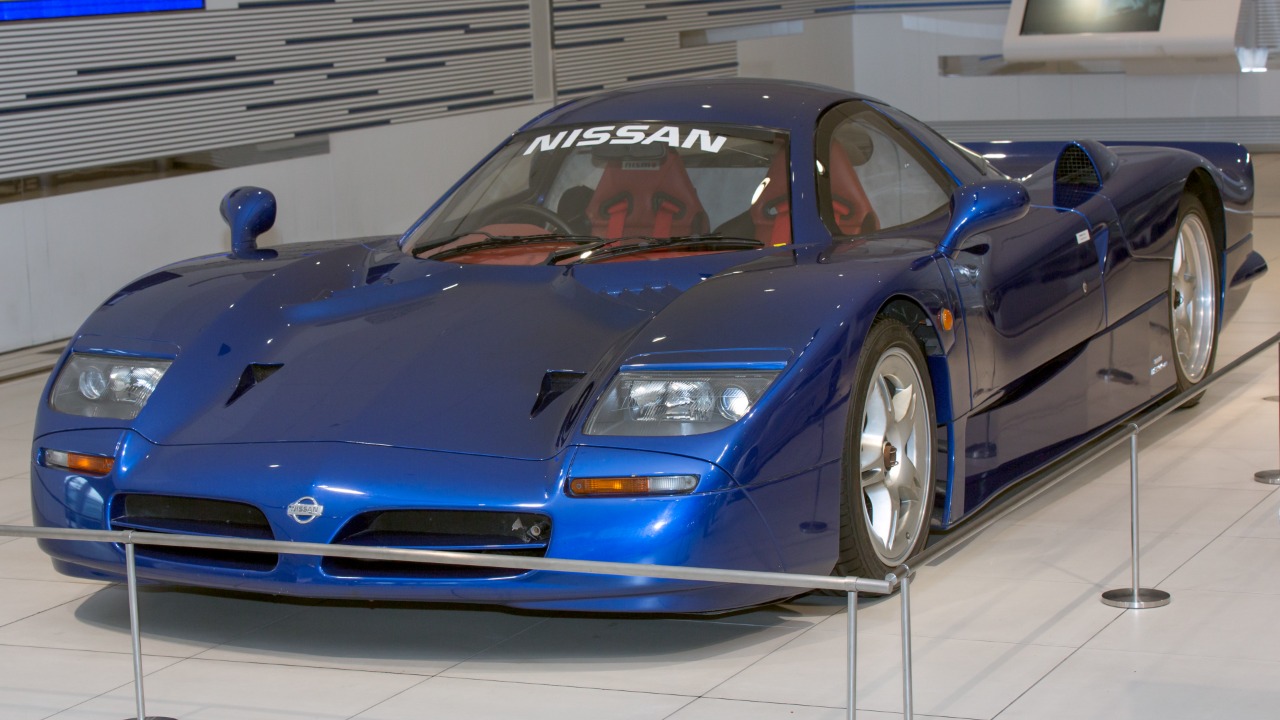
Nissan needed exactly one road car to qualify the R390 for GT1 racing, and exactly one is what it made. Tom Walkinshaw Racing developed the car in England around a modified carbon-fiber tub from the Jaguar XJR-15. Ian Callum of TWR led the styling.
The road car’s VRH35L, a 3,495 cc twin-turbo V8 derived from Nissan’s Group C engine, made 550 bhp at 6,800 rpm, Supercar Nostalgia notes. The same history says the only Nissan parts on the body were the 300ZX headlights. Nissan unveiled the car in Paris in March 1997, wearing the British registration P835 GUD. At Le Mans that year, the best of three racing R390s finished 12th overall and fifth in GT1.
7. 1985 Citroën Visa 1000 Pistes
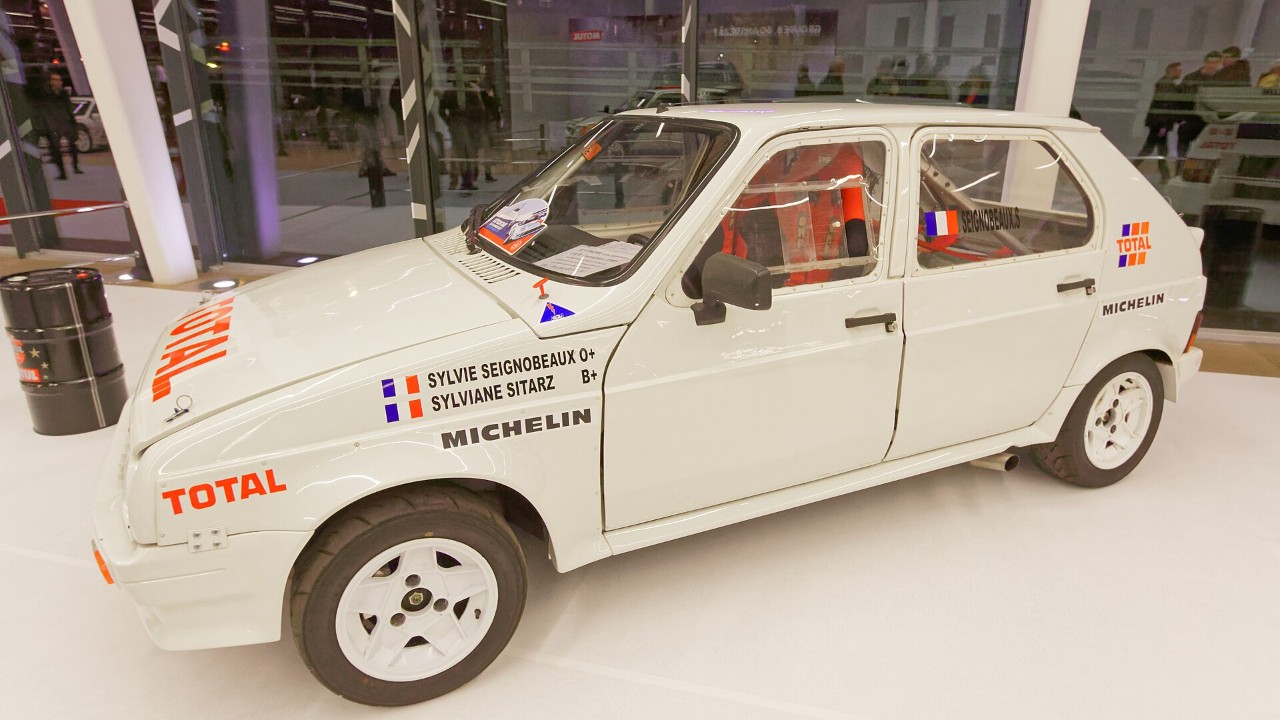
Citroën built 200 road-legal Visa 1000 Pistes for homologation, and it sold them only in France. The car took its name from the Mille Pistes rally, where an all-wheel-drive prototype won the experimental class in 1983.
Secret Classics calls it the first French production car to drive all four wheels. Its 1.6-liter four used two twin-choke Weber carburetors for 112 hp and 131 Nm. Riveted fender flares also stretched the small hatchback to 1.53 meters wide. One example, first registered on April 12, 1985, had covered fewer than 3,500 km. Artcurial then offered it with a €30,000 to €40,000 estimate and no reserve.
More from Fast Lane Only