It was supposed to be a straightforward morning: borrow the family Honda CR-V, drive to a job interview, make a good impression, and come home with that relieved “I think it went well” grin. Instead, the first big phone call of the day didn’t come from a hiring manager. It came from state troopers, and it came before he ever made it to the parking lot.
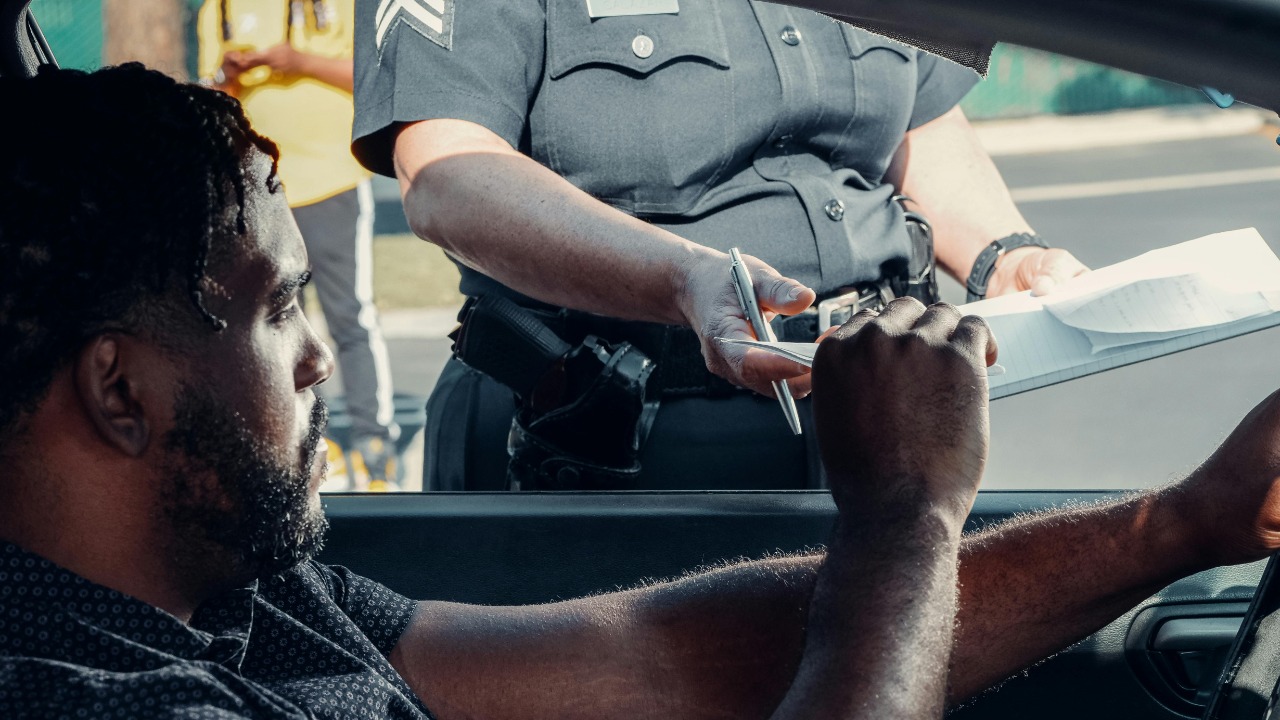
According to officials, the family’s CR-V was pulled over on a stretch of highway not far from town after troopers observed what they described as “unsafe driving behavior” that stood out in mid-morning traffic. The stop itself was routine. What happened next was the part nobody at home expected.
A Borrowed Car, a Tight Schedule, and a Very Normal Start
At home, the plan sounded completely reasonable. The car was reliable, clean enough for an interview, and familiar—no awkward “new rental car” surprises like a confusing shifter or a dashboard lighting up like a pinball machine. He was dressed for the interview, running on that mix of nerves and optimism most people recognize instantly.
The person who loaned him the CR-V figured the biggest risk was ordinary: hitting traffic, missing an exit, or showing up flustered. It’s the kind of favor families do without thinking twice. A quick “Drive safe” and a reminder to text when he arrived, and that was that.
What Troopers Say They Saw
State troopers said they noticed the CR-V moving faster than surrounding traffic and changing lanes in a way that made other drivers tap brakes and create extra space. It’s not unusual for a trooper to pick up on patterns like that from a distance—speed is one thing, but unpredictable movement is what tends to pull attention fast. The vehicle was stopped without incident, officials said.
During the stop, troopers reported signs that raised concerns about the driver’s condition. They did not describe a crash, and they did not say anyone was injured. But they did indicate the stop escalated from “traffic matter” to “public safety situation” within minutes.
The Phone Call Nobody Wants
The call to the family wasn’t framed like a casual update. Troopers contacted the registered owner to explain why the vehicle had been stopped, where it was, and what would happen next. For the person who answered, it was a jarring pivot from normal morning logistics to the kind of conversation that makes your stomach drop.
There’s a particular shock to learning something went wrong before the thing even began. He hadn’t reached the interview, hadn’t parked, hadn’t gotten the chance to straighten his tie in the mirror and take a deep breath. Instead, the family was suddenly dealing with questions about the car, the driver, and next steps.
Why the CR-V Became Part of the Story
A Honda CR-V is basically the symbol of “responsible daily life.” It’s the grocery-run vehicle, the kid-hauler, the road-trip workhorse that doesn’t ask for much besides oil changes and maybe a new set of wiper blades when the weather turns. That’s part of what makes the story hit: nobody thinks of a compact SUV as a headline-maker.
But in traffic stops, the model doesn’t matter nearly as much as what’s happening behind the wheel. Troopers emphasize that any vehicle—big, small, old, new—can become dangerous when the driver isn’t operating it safely. In this case, the fact that it was a family car only added another layer, because now the consequences spread beyond one person’s morning.
What Happens After a Stop Like This
Officials didn’t release every detail about the interaction, but they described a series of steps that are typical when a stop involves suspected impairment or unsafe driving. That can include field sobriety evaluations, questions about where the driver is headed, and checks of license status and vehicle information. Depending on what troopers observe, they may call for additional resources or request medical evaluation.
It also often triggers practical problems immediately: How does the car get home? Who’s allowed to pick it up? Is it being towed, and if so, where? For families, it turns into a rapid-fire checklist you never planned to write.
The Job Interview That Didn’t Get a Chance
Somewhere in all of this is the interview that was supposed to be the focus of the day. Whether it was a first round, a final round, or just a shot at a stable schedule, it clearly mattered. There’s a particular kind of frustration to knowing you didn’t even get to show up—no handshake, no “Tell me about yourself,” no chance to recover from a nervous start.
And if you’ve ever tried rescheduling an interview after a morning goes sideways, you know how tricky it can be. Hiring managers can be empathetic, but they also have timelines. The reality is that a missed interview can close a door fast, even when the person knocking had good intentions.
A Family Moment That Turns Into a Public Lesson
Stories like this tend to travel because they feel familiar. Many families lend cars to each other without much ceremony, especially when someone’s trying to get ahead. It’s an act of trust—sometimes casual, sometimes deeply meaningful—wrapped up in a set of keys.
Troopers used the incident as a reminder that “borrowed car” doesn’t mean “borrowed responsibility.” If a driver is distracted, impaired, or simply pushing too hard because they’re late, the risk isn’t private. It’s shared by every person on the road, including the ones who were just trying to get to their own jobs and appointments.
What People Can Do to Avoid Their Own Version of This
Officials generally recommend planning for extra time, especially for something high-stakes like an interview. It sounds obvious, but leaving 15 minutes earlier is often the cheapest form of insurance you can buy. When you’re not racing the clock, you’re less likely to speed, weave, or make snap decisions that get noticed.
They also encourage families to have a quick “handoff routine” when lending a car: confirm the driver is licensed, the tank has enough fuel, and the phone is set to do-not-disturb. It’s not about treating someone like a child; it’s about reducing avoidable chaos. And yes, it can feel a little awkward—until you remember how much more awkward a trooper’s phone call is.
Where Things Stand
Authorities said the matter remains under review, and any potential charges or citations would follow the usual process. The vehicle’s status—whether it was released to the owner or towed—depends on the circumstances of the stop and local procedures. Troopers did not report injuries connected to the incident.
For the family, the day became less about career prospects and more about cleanup, logistics, and whatever tough conversation comes after the keys are back on the hook. It’s the kind of morning that starts with hope and ends with paperwork. And it’s a reminder that sometimes the biggest detour isn’t traffic—it’s one bad decision that shows up before you do.
More from Fast Lane Only
- Unboxing the WWII Jeep in a Crate
- 15 rare Chevys collectors are quietly buying
- 10 underrated V8s still worth hunting down
- Police notice this before you even roll window down
*Research for this article included AI assistance, with all final content reviewed by human editors.