Sports cars have a reputation for drama, both on the road and in the repair shop, but some are engineered to shrug off mileage and years in a way that makes long-term ownership realistic. The most durable examples combine robust drivetrains, conservative engineering and strong resale demand, so they can rack up serious distance without turning into a financial sinkhole. I am looking at models that have proved they can do exactly that, from affordable coupes to high-end machines that still make sense after the warranty expires.
Why some sports cars thrive past 100,000 miles
Longevity in a performance car usually starts with a simple formula: modest weight, proven engines and owners who actually maintain them. Dealers that specialize in high-mileage performance models point out that certain coupes are still strong buys well past the 100,000 mile mark, because their drivetrains were engineered with a margin of safety that everyday use rarely tests. One guide to Which Sports Coupes Are the Best Sports Cars at high mileage stresses that, with proper care, some models are expected to keep running well beyond that threshold, which is a crucial baseline for anyone planning to keep a car for a decade or more.
That same analysis, aimed at shoppers in Mesa and similar markets, frames 100,000 miles as a starting point rather than an end. The key message is that the right sports car can be treated like any other durable used vehicle, provided its service history is documented and consumables such as tires, brakes and fluids have been handled on schedule. I see that as a useful mindset shift: instead of assuming every fast car is fragile, it encourages buyers to focus on specific models and years that have already proved they can handle long-term use.
Affordable icons that just keep going
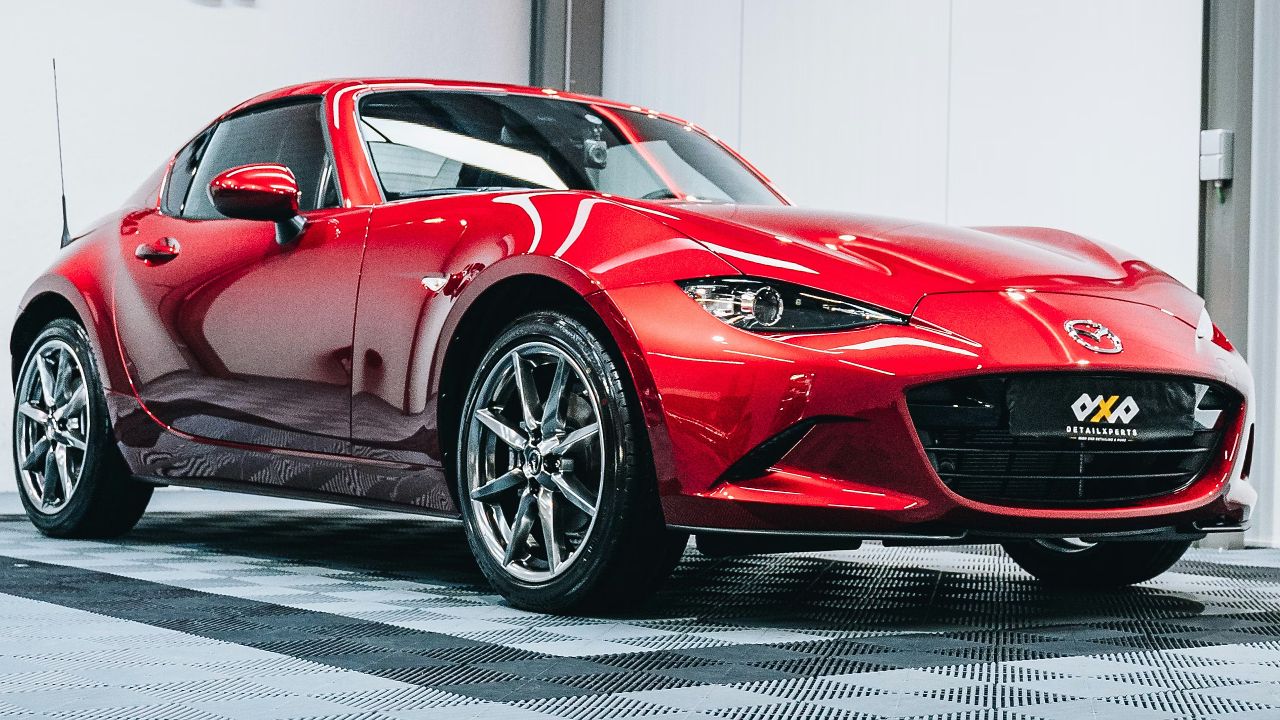
On the budget side, few cars embody durable fun like the Mazda MX-5 Miata, particularly the NB generation. Enthusiast-focused reliability rundowns single out the NB Mazda MX-5 Miata as a sports car that can reach very high mileage with minimal drama, especially in Preferred Years such as 1999–2000 and 2004–2005. One list of 10 Reliable Sports Cars for long-term ownership highlights how these specific years combine simple mechanicals with incremental improvements, which helps explain why so many examples are still being driven hard rather than parked as projects.
What makes the NB Mazda MX-5 Miata so resilient is not exotic engineering but restraint. Power outputs are modest, the chassis is light and the car was designed around everyday usability rather than headline-grabbing numbers, which reduces stress on components over time. Owners who stick to basic maintenance often see these cars sail past six-figure odometer readings while still feeling tight, and the fact that they appear in guides to sports cars that can reach 200,000 miles with minimal repairs shows how far a well-sorted, relatively simple platform can go.
Luxury and performance that still make sense after warranty
At the more premium end, the question is not just whether a car can last, but whether it is worth owning once the factory coverage runs out. Analysts who focus on long-term costs have started to spotlight a handful of luxury sport sedans and coupes as safe bets even after the warranty expires, grouping them among the Best luxury cars worth owning in that phase. The logic is straightforward: if a car has a track record of durable engines and transmissions, and its depreciation curve has already flattened, then the risk of a big repair bill is balanced by relatively low ongoing costs and strong day-to-day enjoyment.
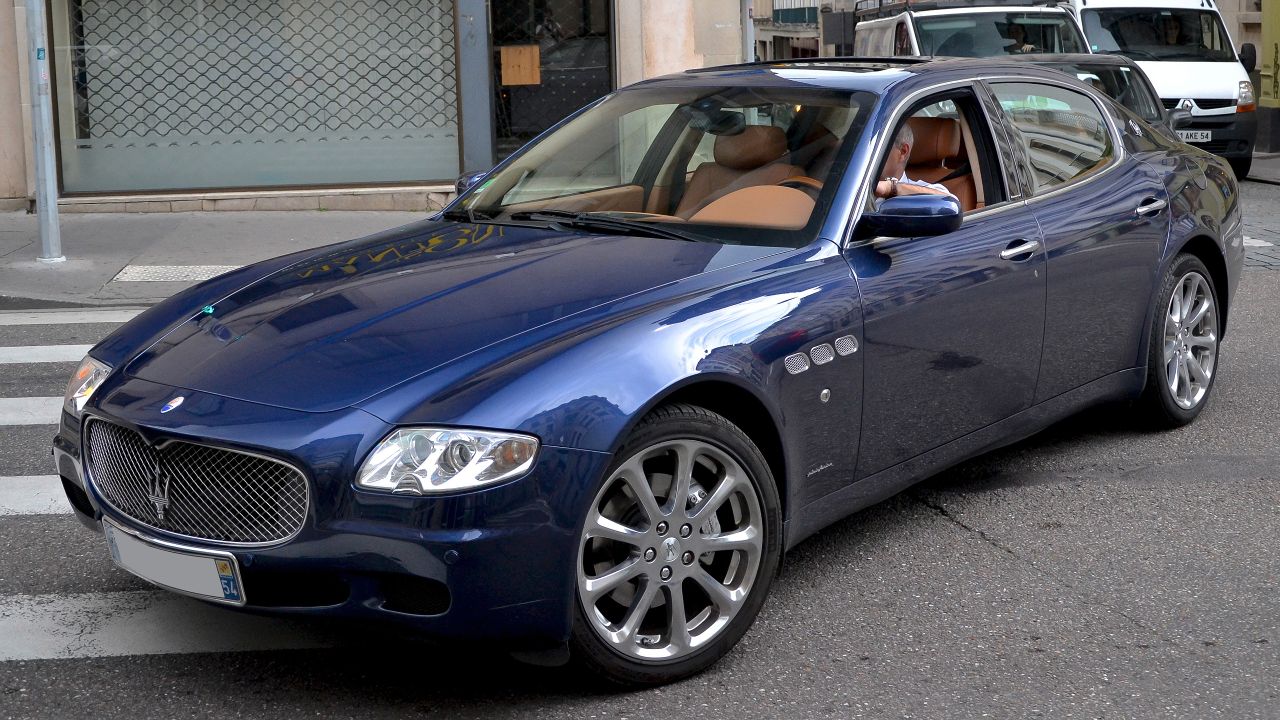
Not every glamorous badge qualifies. In enthusiast discussions about the best luxury sports car that will hold its value, one recurring example is the Maserati Quattroporte, which is often praised for its looks and performance but criticized for how quickly it sheds value. A widely shared comment sums it up bluntly: Something like a Maserati Quattroporte would probably fit the bill if the depreciation was not so bad, and Assuming the car is bought new, the owner is likely to absorb a steep loss in the first few years. For long-term ownership, that makes more conservative, value-stable luxury sports models far more appealing.
Sports cars owners actually keep for 15 years
One of the clearest signals that a sports car is built for the long haul is how long people actually keep it. Registration data on long-term ownership shows that certain performance models stay in the same hands for 15 years or more at rates that rival family sedans. In a ranking of cars that owners keep for that length of time, the BMW M3 appears with a share of 2.9%, which is notable for a high-performance model that is often driven enthusiastically. That 2.9% figure suggests that a meaningful slice of M3 buyers are satisfied enough with the car to hold onto it for well over a decade, despite the temptation to trade up to newer, faster versions.
The same dataset points to the NSX as another sports car that tends to stay put in garages for many years, reflecting both its engineering depth and its status appeal. When I see owners keeping an NSX or BMW M3 for 15 years, I read that as a vote of confidence in the underlying hardware as much as in the badge. Enthusiasts are not shy about moving on from cars that become unreliable or too expensive to maintain, so the fact that these models show up in a list of Top 11 Sports Cars that owners keep that long reinforces their reputation as machines that can handle real-world use over time.
Corvette and PORSCHE 911: long-haul legends
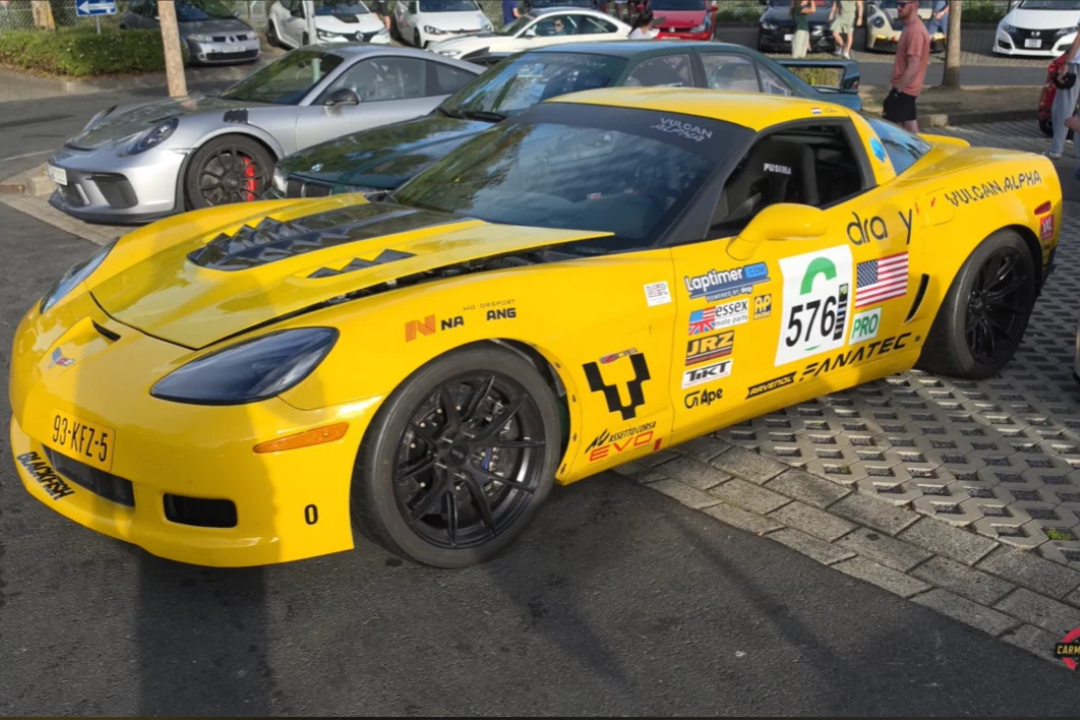
Among modern sports cars, the Corvette stands out as a nameplate that has steadily evolved while keeping an eye on durability. A detailed review of the 2025 Chevrolet Corvette Stingray notes that Corvette (Chevrolet Corvette) Stingrays are built to last, with many surpassing 200,000 miles when properly maintained. That kind of mileage is impressive in any car, but in a high-powered, rear-drive sports model it speaks to careful engineering of the engine, transmission and cooling systems, as well as a chassis designed to cope with both track days and highway commutes.
The PORSCHE 911 has a similar reputation, but with an added twist: it is not just durable, it also tends to hold its value. Analysts looking at PORSCHE 911 depreciation point out that the 911 (PORSCHE 911s) has a reputation for being virtually indestructible, and that with proper maintenance these cars can run for very high mileages while still commanding strong prices on the used market. The combination of engineering that can handle serious use and a loyal buyer base that keeps demand high helps explain why the 911 badge, and the simple number 911 itself, has become shorthand for a sports car that is as rational to own long term as it is exciting to drive.