Muscle cars are often celebrated for their power and design, but not every model hits the mark. Some vehicles are puzzling choices, making enthusiasts wonder why they were ever produced. Here’s a look at eight muscle cars that perhaps should have remained on the drawing board.
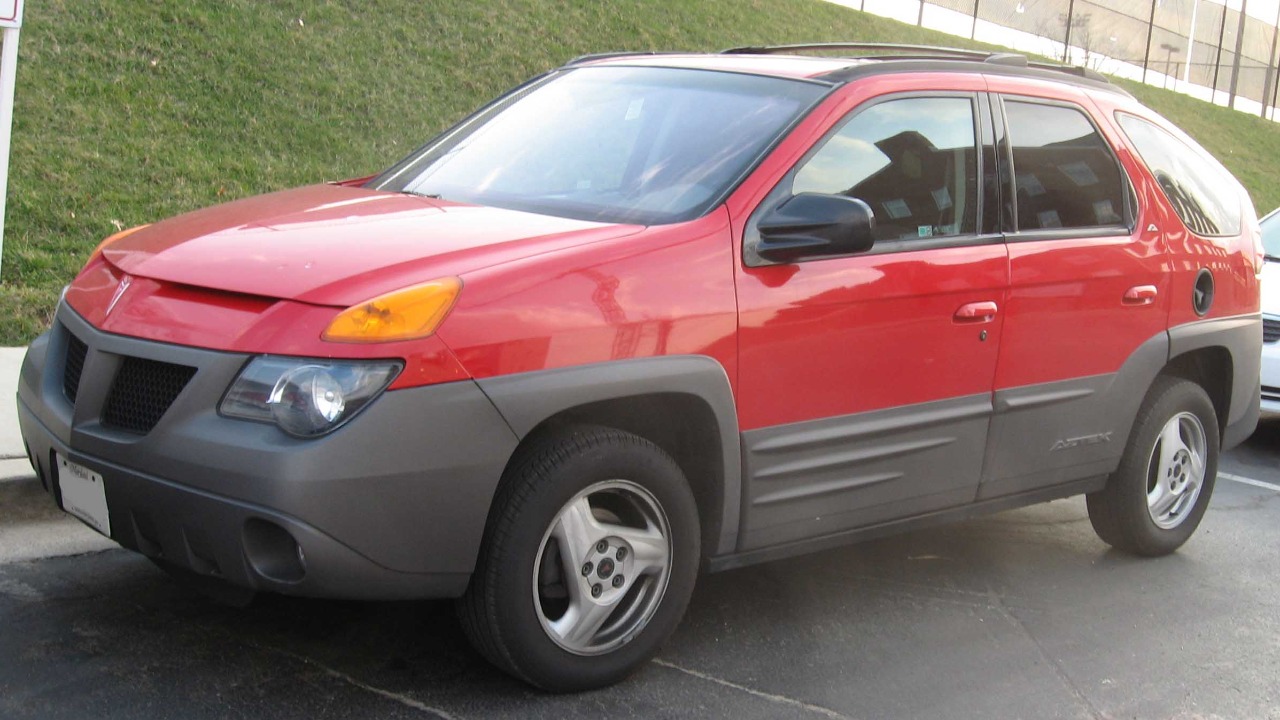
Pontiac Aztek GT
Image Credit: IFCAR – Public domain/Wiki Commons
The Pontiac Aztek GT is remembered more for its unconventional appearance than its performance. Originally marketed as a crossover with some sporty aspirations, the Aztek GT fell short in capturing the essence of a true muscle car. Its design choices were polarizing, leading to a less than stellar reception among car enthusiasts.
Despite its attempt to blend practicality with performance, the Aztek GT failed to impress in both areas. The engine lacked the power expected from a muscle car, and its bulky design made it challenging to navigate. You can watch a detailed review here to see how it compares to other models of its time.
Ford Mustang II
Bring a Trailer
Introduced in the mid-1970s, the Ford Mustang II aimed to address the fuel crises of the era. However, its smaller size and reduced power output left traditional muscle car fans wanting more. The Mustang II marked a significant departure from the brawny image that the Mustang had cultivated since its debut.
While the Mustang II was intended to be a practical solution, it lacked the robust horsepower and aggressive styling that defined earlier models. Its impact on the Mustang lineage is often debated, with some considering it a necessary evolution and others seeing it as a misstep. For a deeper dive, watch an analysis here.
Chevrolet Vega GT
Image Credit: Vegavairbob (talk)Vegavairbob/Robert Spinello – CC BY-SA 3.0/Wiki Commons
The Chevrolet Vega GT was designed to be a sporty compact car, but it failed to deliver the performance expected from a muscle car. Issues with engine reliability and rust plagued the Vega GT, overshadowing its potential.
Despite its sleek looks, the Vega GT’s mechanical problems and lack of power left it struggling to find a foothold in the muscle car market. It serves as a reminder that good design needs to be matched with robust engineering. More on its history can be found here.
Dodge Charger Daytona
Image Credit: Jeremy from Sydney, Australia – CC BY 2.0/Wiki Commons
The Dodge Charger Daytona was created with racing in mind, but as a road car, it didn’t quite hit the mark. While its aerodynamics were revolutionary, the exaggerated nose and tail fins made it impractical for everyday use.
Though the Daytona achieved success on the track, its road-going version was seen as excessive. The model’s niche appeal and unique design choices made it a curious addition to the muscle car lineup. Learn more about its racing legacy here.
AMC Gremlin X
Image Credit: CZmarlin — Christopher Ziemnowicz, a photo credit would be appreciated if this image is used anywhere other than Wikipedia. – CC BY-SA 4.0/Wiki Commons
The AMC Gremlin X attempted to be a compact muscle car, but its odd styling and limited performance capabilities left it struggling for a clear identity. While it offered a V8 engine option, it couldn’t quite shake the economy car image.
Despite its attempts to capture the muscle car spirit, the Gremlin X was more quirky than powerful. Its unique design drew attention, but not always for the right reasons. For an analysis of its place in automotive history, check out this source.
Mercury Capri II
Image Credit: dave_7 – CC BY-SA 2.0/Wiki Commons
The Mercury Capri II was marketed as a European-inspired sports coupe, but it lacked the performance to compete with American muscle cars. Its smaller engine options and focus on fuel efficiency didn’t resonate with those seeking power and speed.
The Capri II’s styling was appealing, but it didn’t deliver the muscle car experience that enthusiasts craved. Its focus on practicality over performance resulted in a model that struggled to find its audience.
Oldsmobile Omega SX
Image Credit: dave_7 – CC BY 2.0/Wiki Commons
The Oldsmobile Omega SX was part of the compact car segment and didn’t offer the performance associated with classic muscle cars. While it featured sporty styling cues, its engine options were underwhelming.
As a result, the Omega SX was unable to attract the muscle car crowd, remaining overshadowed by more powerful rivals. Its place in the automotive world remains more of a footnote than a highlight.
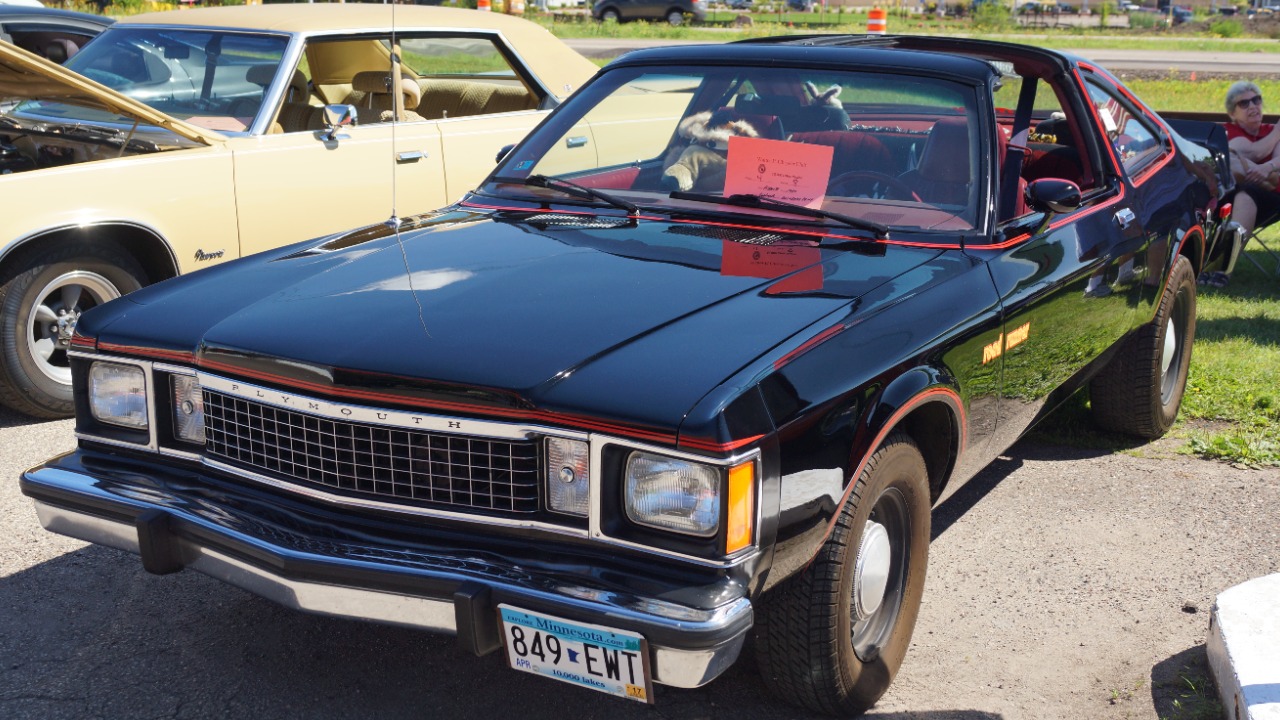
Plymouth Volaré Road Runner
Image Credit: Greg Gjerdingen from Willmar, USA – CC BY 2.0/Wiki Commons
The Plymouth Volaré Road Runner attempted to carry on the Road Runner legacy, but its focus on comfort over performance was a departure from its predecessors. The Volaré’s lackluster engine options and focus on luxury didn’t align with the muscle car ethos.
While it tried to evoke the spirit of the original Road Runner, the Volaré iteration was seen as a diluted version, lacking the raw power that defined the name. It serves as a reminder of the challenges in maintaining a brand’s heritage while adapting to changing market demands.
Bobby Clark is the founder and editor of Fast Lane Only, covering performance cars, automotive news, recalls, classic vehicles, consumer automotive topics, and enthusiast culture. His work focuses on making automotive news engaging, accessible, and informative for both enthusiasts and everyday drivers.
Welcome!
Welcome to Fast Lane Only—We are an independent automotive publication covering performance cars, automotive news, recalls, classic vehicles, industry trends, and enthusiast culture.
From the rarest collector’s cars to the high-performance machines turning heads today, we bring you stories, specs, and insider looks at the rides that matter. If it’s fast, legendary, or owned by someone famous, you’ll find it here. Buckle up and stay in the fast lane!