Electric cars have spent a decade chasing incremental gains in range, but a new sulfur based “crystal” battery concept is pitching something far more radical: up to three times the driving distance on a single charge without relying on nickel or cobalt. At the center of the claim is German startup Theion, which says its lithium sulfur cells can pack far more energy into the same weight while cutting costs and sidestepping some of the dirtiest parts of today’s battery supply chain. If the technology scales, it could reset expectations for how far an electric vehicle can travel and what it takes to build its battery.
The promise is simple to state and harder to deliver: swap today’s metal heavy cathodes for sulfur crystals, keep the familiar lithium anode, and use a proprietary solid electrolyte to tame the chemistry’s long standing weaknesses. Theion and other researchers argue that this combination could unlock energy densities that make 600, 700 or even 1,000 miles of real world range plausible, while also shrinking the environmental footprint of each pack.
How sulfur-crystal batteries aim to triple EV range
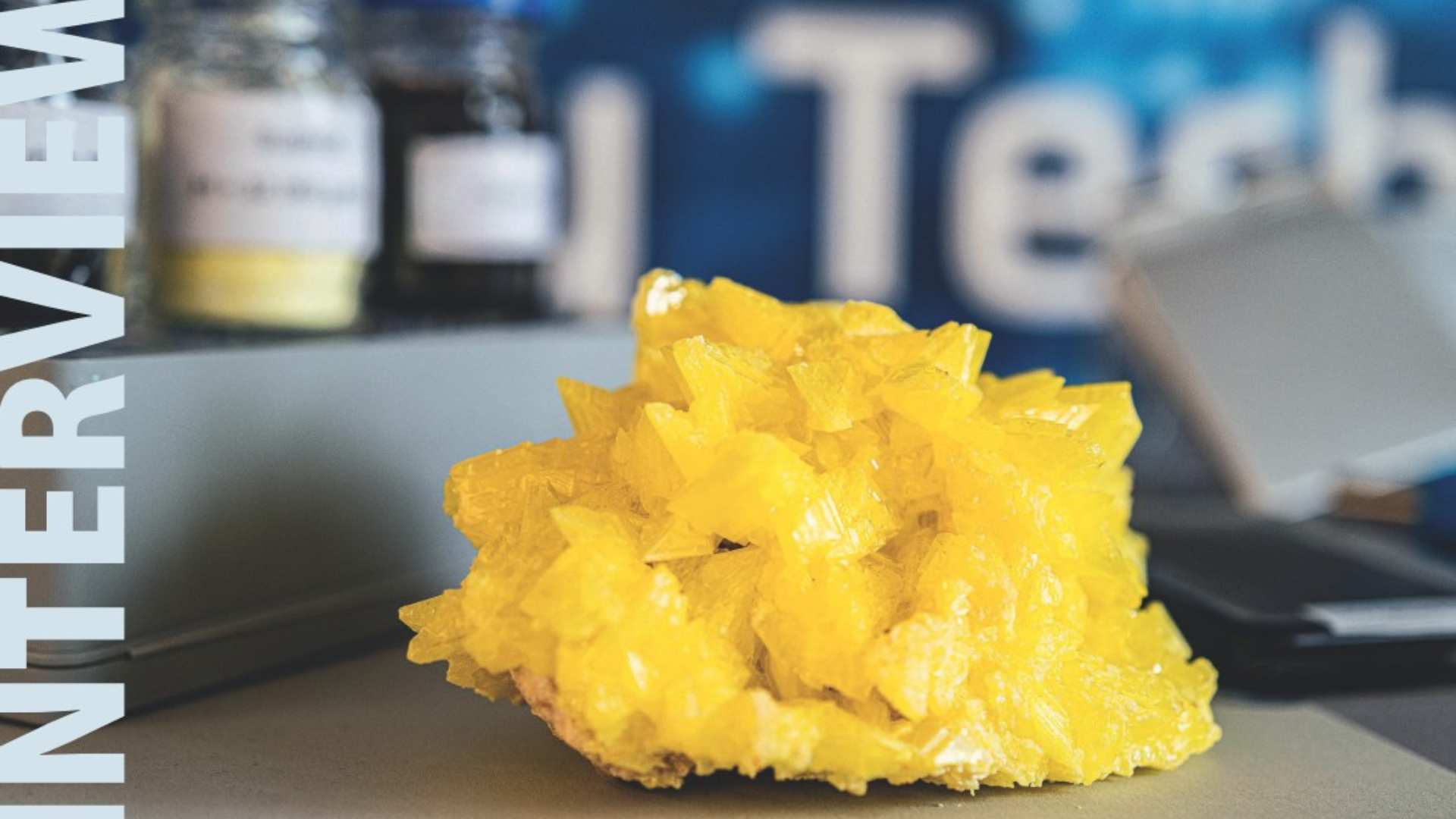
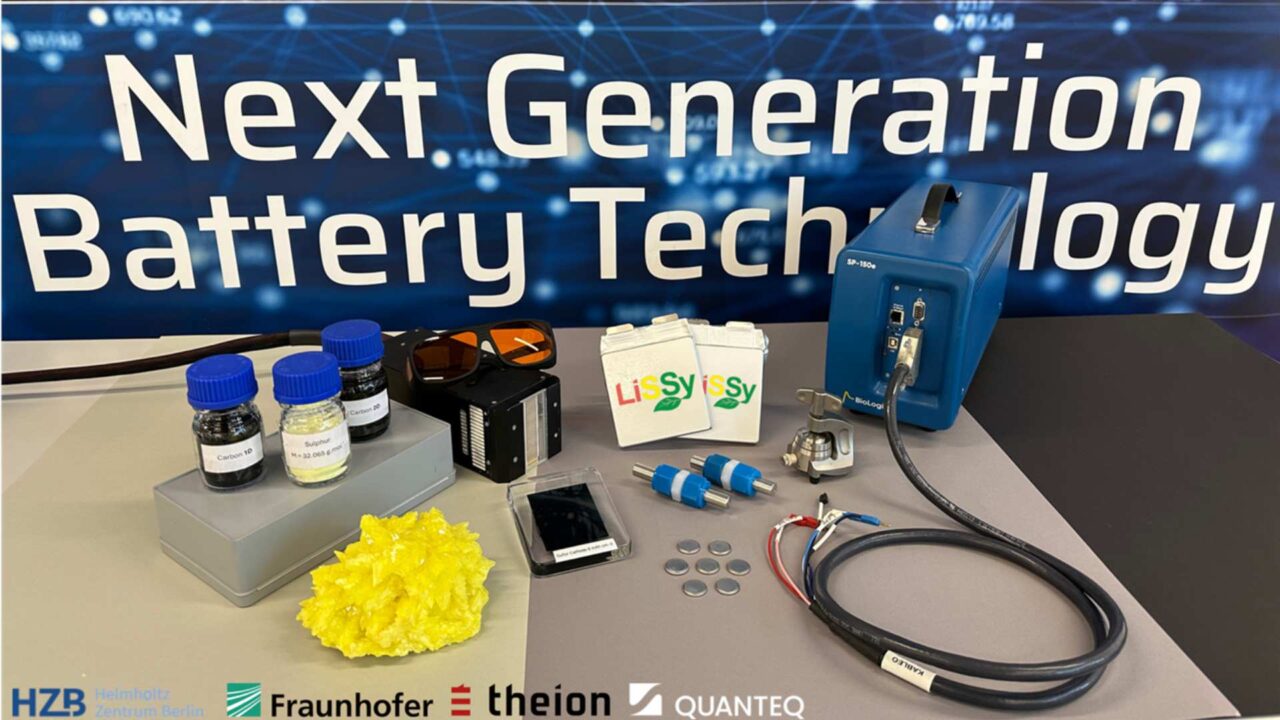
Theion’s pitch starts with basic physics. Sulfur, or Sulphur as some reports spell it, offers a much higher specific energy than the nickel manganese cobalt blends that dominate current lithium ion packs, which means more watt hours per kilogram for the same cell volume. By building a lithium sulfur cathode around carefully engineered sulfur crystals and pairing it with a proprietary solid electrolyte, the company says it can reach roughly three times the energy density of today’s mainstream cells, enough to turn a 300 mile family crossover into a 900 mile long distance cruiser. Earlier coverage of the company’s “Crystal Batteries” describes this architecture as a way to combine sulfur’s crystal material properties with a solid electrolyte that stabilizes the reaction and extends cycle life.
That kind of leap is not just theoretical. Broader research into lithium sulfur chemistry has highlighted its potential to dramatically increase energy per unit weight, with analysts listing lithium sulfur among the most impactful battery innovations because of its high energy density and the environmental concerns surrounding cobalt mining. Academic work has also shown that sulfur based designs can reduce cost per kilowatt hour, with one research group estimating that sulfur, which is a byproduct of the oil and gas industry, could help push pack costs toward around $60 per kilowatt hour if stability and cycle life issues are solved. Theion’s own claims sit squarely in that context, positioning its sulfur crystal approach as a practical route to the kind of ultra long range packs that could make 600, 700 or 1,000 miles on a charge a realistic target rather than a marketing fantasy.
Cutting out nickel and cobalt to clean up the supply chain
Range is only half the story. Theion is also explicitly targeting the metals that have become flashpoints for environmental and human rights concerns, promising sulfur crystal batteries that do not use nickel or cobalt at all. Conventional NMC chemistries rely heavily on those metals, which are tied to intensive mining, high carbon emissions and, in the case of cobalt, well documented labor abuses. By replacing the NMC 811 style cathode with sulfur, Theion argues it can deliver similar or better performance while sidestepping those issues and simplifying the bill of materials.
That shift aligns with a broader push toward lithium sulfur batteries as a greener option for electric vehicles. Analysts tracking the most impactful battery innovations have highlighted lithium sulfur not only for its energy density but also for its potential to reduce reliance on cobalt and other contentious materials. Sulfur’s abundance as the 16th most common element on Earth, and its status as an industrial byproduct, means it can be sourced at scale without the same geopolitical and ethical baggage. Reports on sulfur based batteries emphasize that this could make electric cars both cleaner and cheaper, since sulfur is plentiful and inexpensive compared with high grade nickel and cobalt, while still enabling the kind of long range performance that drivers expect.
Inside Theion’s “Crystal Battery” and its rapid development push
Under the hood, Theion’s technology is built around what it calls Crystal Batteries, a lithium sulfur design that uses sulfur’s crystal material properties to boost performance. The company’s patented production process is described as extending cycle life by carefully controlling how sulfur is crystallized and integrated into the cathode, then pairing it with a proprietary solid electrolyte that mitigates the polysulfide shuttle effect that has plagued earlier lithium sulfur cells. In practical terms, that means aiming for thousands of charge cycles while still delivering the threefold increase in energy density that makes the concept so compelling for electric vehicles.
To move from lab promise to production reality, Theion has been scaling up both its management team and its development infrastructure. The company has strengthened its leadership to support lithium sulfur battery production and has partnered with industrial software specialist camLine, an Elisa IndustrlQ company, to accelerate testing. By using camLine’s Manufacturing Execution System (MES) and AI driven analytics, Theion reports that it can cut R&D battery testing time by 98 percent, a dramatic reduction that could compress the usual multi year validation cycle into something far more aggressive. That kind of digital backbone is essential if the startup is to refine its crystal based cells quickly enough to meet its own ambitious timelines for automotive grade deployment.
From lab breakthrough to 600–1,000 mile real-world EVs
The most eye catching implication of sulfur crystal batteries is what they could do for real world driving. Analysts have asked readers to picture an electric car that could go 600, 700 or even 1,000 miles on a single charge, far beyond the roughly 363 mile rated range of today’s longest legged production EVs. With a threefold increase in energy density, that kind of jump is mathematically plausible: a current long range sedan that manages about 350 miles could, in theory, cross the 1,000 mile threshold without increasing pack size, or it could keep today’s range while cutting battery weight and cost dramatically.
Researchers working on sulfur based chemistries reinforce that this is not just a marketing slogan. Work highlighted by Florida International University describes a sulfur based design that can store more energy than conventional lithium ion while also promising lower costs, thanks to sulfur’s abundance and its role as a byproduct of the oil and gas industry. That research underscores how all batteries function through ion movement between electrodes and how sulfur’s behavior, if properly controlled, can slow the deterioration that limits cycle life. Combined with Theion’s claims about its crystal structure and solid electrolyte, the picture that emerges is of a technology that could enable ultra long range EVs or, just as importantly, smaller and cheaper packs that still deliver the 300 to 400 mile sweet spot most drivers need.
The hurdles between promise and production
For all the excitement, sulfur crystal batteries still face significant obstacles before they can reshape the EV market. Lithium sulfur chemistry has long struggled with rapid capacity fade, as soluble polysulfides migrate within the cell and degrade performance over repeated cycles. Theion’s proprietary solid electrolyte and crystal engineering are meant to address exactly that, and the company’s patented process is presented as a way to extend cycle life to levels suitable for automotive use. However, even Theion’s own backers acknowledge that commercial deployment at scale is still some distance away, with current efforts focused on raising capital, refining the technology and proving it in progressively larger formats.
Other reporting on sulfur based batteries echoes that caution. While analysts highlight lithium sulfur as one of the most impactful emerging battery innovations, they also note that the technology is still in the development and early pilot phase rather than mass production. Coverage of Theion’s fundraising describes the company securing about $15 million to develop sulfur crystal batteries that it claims can triple EV range, but also stresses that such cells are still way off from being commercialized. That gap between lab performance and factory output is where many promising chemistries have stumbled, and it is where Theion’s accelerated testing partnership with camLine and its focus on scalable manufacturing will be tested most severely.
Why sulfur-based batteries matter for the next decade of EVs
If sulfur crystal batteries live up to even part of their billing, they could reshape not only how far electric cars drive but also how the industry thinks about cost, sustainability and resource security. A pack that uses sulfur instead of nickel and cobalt, hits around three times the energy density of today’s cells and approaches $60 per kilowatt hour would change the economics of everything from compact city cars to long haul trucks. It would also ease pressure on supply chains that currently depend on a handful of countries for critical metals, replacing them with a material that is abundant on Earth and already produced as an industrial byproduct.
In the near term, I expect sulfur based designs to appear first in niche or high value segments, such as aerospace, performance vehicles or stationary storage, where their high specific energy or lower cost can justify early adoption risks. Over the longer run, as companies like Theion refine their Crystal Batteries and prove that their patented processes can deliver durable, safe cells at scale, the same chemistry could filter into mainstream EVs and help make 600, 700 or even 1,000 miles of range a practical option rather than a thought experiment. The stakes are clear: if sulfur crystal batteries can move from promise to production, they will not just extend how far we drive on a charge, they will redefine what an electric vehicle battery is made of and how clean it can be.