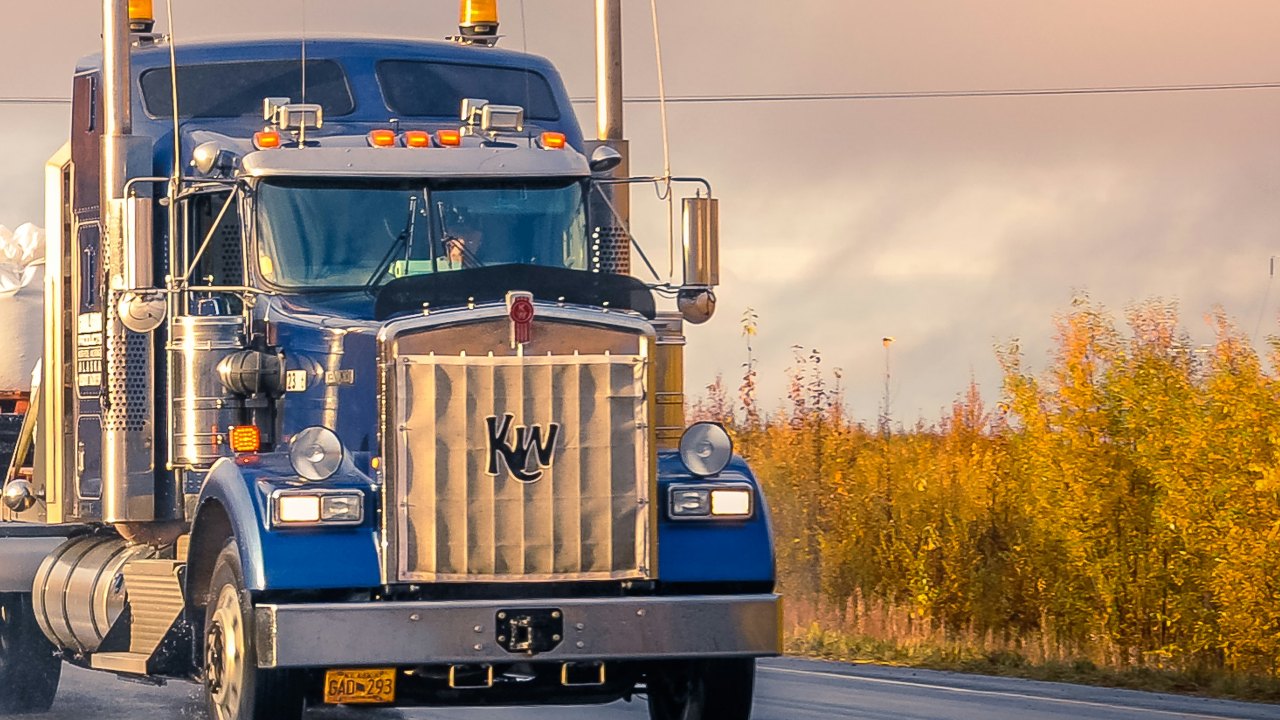
An oversize semi hauling an illegally tall load managed to damage six separate bridges in Rogers County, Oklahoma, turning a single trip into a rolling infrastructure crisis. The chain of strikes along the Will Rogers Turnpike forced emergency declarations, lane closures, and a scramble by transportation officials to assess how one truck could wreak so much havoc in a matter of miles.
The episode exposed how fragile the system can be when a commercial vehicle ignores height rules and safe routing, and it raised hard questions about enforcement, permitting, and the true cost of repairing critical spans over Interstate 44. I see it as a case study in how one bad decision on the road can ripple through an entire region’s transportation network.
How one illegal load turned a turnpike into a damage trail
The basic facts are stark: an over-height commercial semi traveled along the Will Rogers Turnpike in Rogers County and struck six bridges in succession, damaging each structure it passed under. Transportation officials in Oklahoma have described the load as “illegally over-height,” meaning it exceeded the maximum clearance allowed on that route and should never have been there in the first place, yet it still made it onto the turnpike and into the path of multiple overpasses on Interstate 44. According to the Oklahoma Turnpike Authority, the truck’s height violated regulations and the impact sequence left a visible trail of structural scars from Claremore toward the Adair area in Rogers County.
From what officials have shared, the truck was not just marginally out of spec, it was far enough over the legal limit that the Oklahoma Turnpike Authority quickly labeled the load illegal and began talking publicly about enforcement and accountability. The agency has said the semi damaged Six bridges, all tied to the Will Rogers Turnpike corridor in Rogers County, and that the driver’s route never should have been approved for that configuration. Oklahoma transportation officials are now investigating how the vehicle ended up on that stretch at all, and why no one intervened before it clipped one bridge after another across the county.
Emergency declarations and a scramble to keep traffic moving
Once the scale of the damage became clear, The Oklahoma Turnpike Authority moved from incident response to crisis management. The agency declared an emergency to speed up repairs on the six affected bridges, a step that allows it to bypass some of the slower contracting processes and move more quickly to secure crews and materials. In its public statements, The Oklahoma Turnpike Authority has been explicit that a single truck with a load too tall for height regulations is responsible for the damage, and that the emergency status is directly tied to the need to restore safe operations on the Will Rogers Turnpike in Rogers County.
That emergency posture is not just bureaucratic language, it has real consequences for drivers and communities along the corridor. Portions of the turnpike have faced lane closures and traffic shifts while engineers inspect each span and determine whether temporary supports, weight restrictions, or partial shutdowns are necessary. The Oklahoma Turnpike Authority has indicated that some bridges may remain partially closed or constrained until permanent repairs can be completed, which means drivers who rely on this key east–west route between Claremore and the Adair area are now dealing with slower travel times and detours while the agency works through its emergency plan.
What the damage reveals about bridge vulnerability
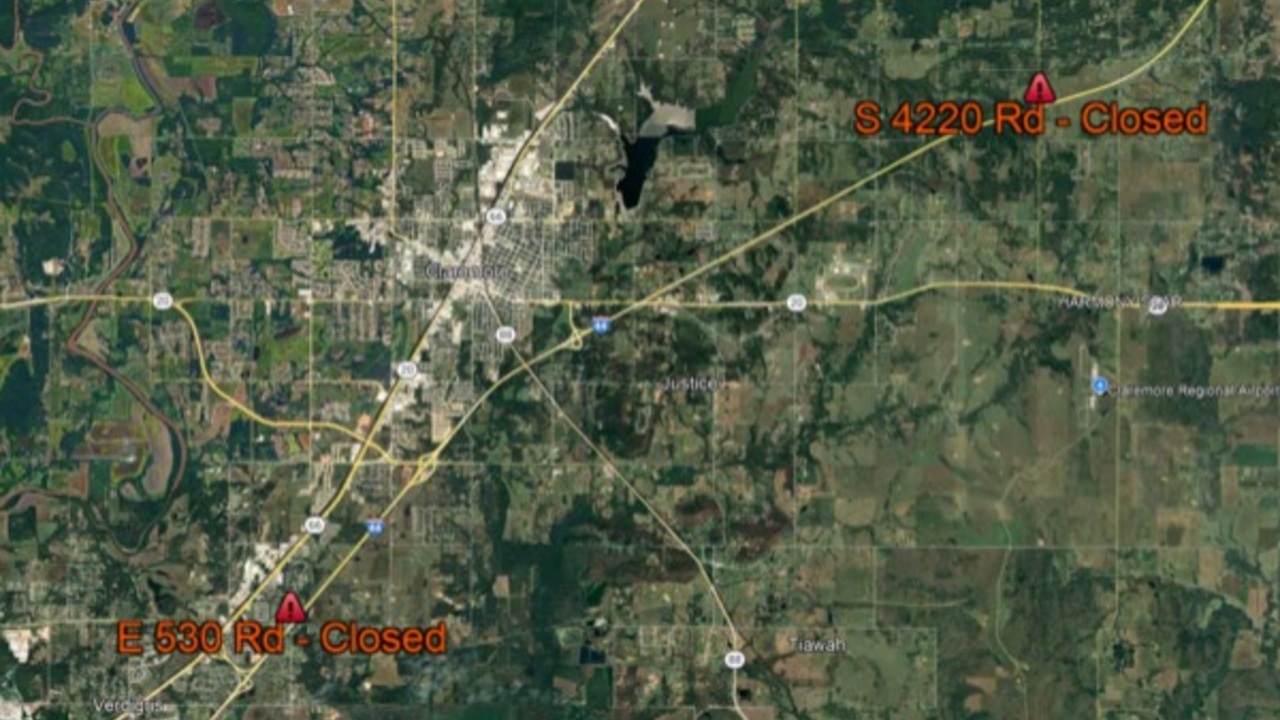
When a single truck can strike six bridges in one trip, it exposes more than just one driver’s mistake, it highlights how vulnerable overhead structures are to even a brief lapse in compliance. The spans above Interstate 44 in Rogers County were designed with specific clearances in mind, and as long as commercial vehicles respect those limits, the system works. Once an illegally over-height load enters the mix, every bridge along that path becomes a potential impact point, especially on a controlled-access corridor like the Will Rogers Turnpike where alternate routes are limited and traffic flows at highway speeds.
Oklahoma transportation officials have described “Multiple bridges damaged above I-44 in Rogers County,” a phrase that underscores how the problem was not isolated to a single weak link but spread across several structures that were never meant to absorb that kind of repeated collision. Each strike can compromise beams, decks, and guard systems in different ways, and even if a bridge remains standing, it may no longer meet the safety margins engineers require for full traffic loads. That is why the Oklahoma Turnpike Authority has treated the incident as a systemwide concern rather than a one-off repair job, ordering inspections and structural assessments across the affected spans.
The permitting and routing failures behind the wheel
For me, the most troubling part of this story is not just the physical damage, it is the breakdown in the safeguards that are supposed to keep an over-height load away from low-clearance bridges in the first place. Oversize and overweight loads are a routine part of highway commerce, but they are meant to move under strict permits and carefully planned safe routes that account for bridge heights, lane widths, and construction zones. In this case, the Oklahoma Turnpike Authority has been blunt that the semi was hauling an “illegally over-height” load, which strongly suggests that either no valid permit existed or the conditions of any permit were ignored as the truck entered Rogers County and headed onto the Will Rogers Turnpike.
Officials have also emphasized that their permitting system is designed to prevent exactly this kind of scenario by mapping out safe routes and ensuring carriers know which bridges they can and cannot pass under. The fact that a single truck still managed to hit six bridges in sequence points to a failure at multiple levels, from the carrier’s planning to the driver’s decision-making and possibly to gaps in real-time enforcement. Oklahoma transportation officials are now investigating the full chain of events, including how the load was classified, whether any warnings were issued, and what role, if any, roadside checks or automated systems played before the truck reached the first damaged span.
Accountability, costs, and what comes next for Oklahoma drivers
In the aftermath, the question hanging over Rogers County is who pays for the mess and how long drivers will live with the consequences. Bridge repair is expensive, especially when it involves multiple spans on a major corridor like the Will Rogers Turnpike, and the Oklahoma Turnpike Authority’s emergency declaration signals that the price tag will not be trivial. Typically, agencies pursue reimbursement from the carrier and its insurers when a clearly identifiable vehicle causes damage, and the repeated references to an “illegally over-height” load suggest that the state will be aggressive in seeking to recoup costs tied to the six damaged bridges.
For everyday drivers, though, the immediate concern is less about legal liability and more about how quickly the turnpike can return to normal. With Multiple bridges damaged above I-44 in Rogers County, even partial closures can create bottlenecks that ripple into local roads as motorists seek alternate paths between Claremore, the Adair area, and other communities along the corridor. As I see it, the incident is likely to accelerate conversations in Oklahoma about tougher enforcement tools, from more frequent height checks to better technology that can flag over-height trucks before they reach vulnerable bridges. Until those changes take hold, the six battered spans on the Will Rogers Turnpike will stand as a very visible reminder of what happens when one oversize haul goes disastrously off script.