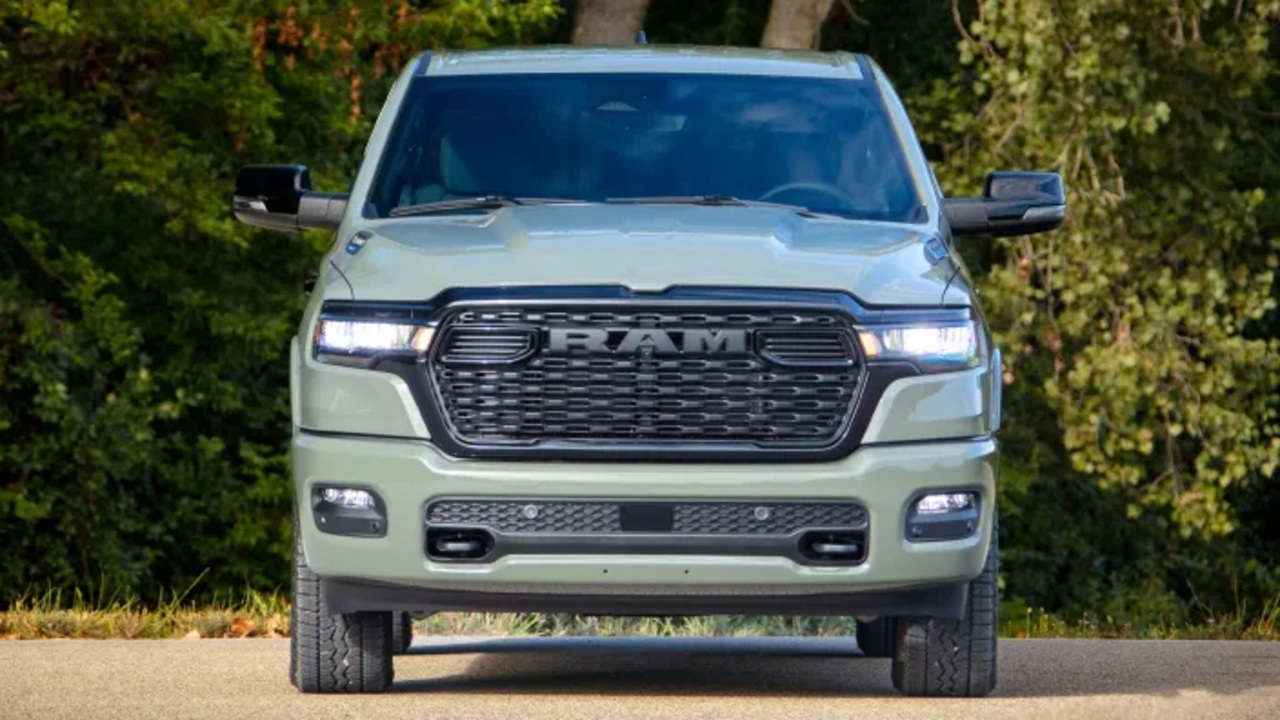
Ram is preparing to bring back the Dakota nameplate at a moment when pickup prices have surged and expectations for capability are higher than ever. The brand’s chief executive has been clear that a midsize truck starting around $40,000 will still need to feel like a serious work tool, not a consolation prize for buyers priced out of full size models. That tension between affordability and authenticity is shaping how the new Dakota is being positioned, engineered, and priced.
Why Ram thinks $40,000 is the new baseline
Ram’s leadership has signaled that the era of genuinely inexpensive full size pickups is effectively over, which reframes how a midsize model like the Dakota must be judged. The company’s CEO has suggested that shoppers should no longer expect full size trucks to come in under $40,000, a threshold that once defined entry level work trims but now sits closer to the starting point for many configurations. With that context, a Dakota that opens near the same figure is not a bargain basement alternative, it is a different way of packaging capability and comfort for buyers who still need a “proper truck” but cannot or will not stretch to a larger 1500 series.
This pricing reality also explains why Ram is so focused on making the Dakota feel substantial rather than stripped. If a midsize pickup is going to live in the same financial neighborhood as some full size models, it must justify itself with real towing and payload numbers, credible off road hardware, and an interior that does not read as a cost cutting exercise. Reporting that the brand is preparing a midsize entry while acknowledging that full size trucks below $40,000 are fading underscores how carefully Ram is calibrating expectations for the Dakota’s value proposition.
The return of the Dakota name and what it signals
Ram CEO Tim Kuniskis has already confirmed that the upcoming mid size truck will carry the Dakota badge, a deliberate nod to a model that once bridged the gap between compact and full size pickups. The decision to revive the name, rather than invent a new one, suggests Ram wants to tap into memories of a truck that was smaller than a 1500 but still capable of real work. Earlier reporting that the brand would bring back a midsize pickup, and that the new model would be called Dakota, frames this as a strategic return rather than a tentative experiment.
The shift from the old Dodge Dakota branding to the modern Ram Dakota also reflects how the company wants to position the truck within its portfolio. Where the previous Dakota often felt like an outlier in a car and truck lineup, the new version is being integrated into a dedicated truck brand that already trades heavily on toughness and utility. Guides that describe the Ram Dakota as a revival of a midsize pickup, and that treat it as a distinct product within Ram’s range, reinforce the idea that this is meant to be a core offering, not a niche side project.
Pricing a midsize truck in full size territory
What has raised eyebrows among truck watchers is how close the suggested price of the new Dakota appears to be to a Ram 1500. Analysis of early guidance notes that the midsize model is expected to start at a figure that is not far off a full size truck, which naturally prompts questions about overlap and cannibalization. If a buyer can step into a larger 1500 for a similar monthly payment, the Dakota must offer compelling reasons to choose less metal, whether that is maneuverability, fuel efficiency, or a more modern package of technology and comfort features.
Commentary that the Dakota could cost as much as a Ram 1500, and that this proximity is “interesting,” highlights how unusual the pricing strategy is compared with earlier generations of midsize pickups that were clearly cheaper than their big brothers. Yet this approach is consistent with a market in which full size trucks have climbed steadily in price and equipment, leaving room for a midsize model that is not defined solely by being the budget option. Ram appears to be betting that buyers will accept a midsize truck at a near full size price if it delivers capability that feels genuinely comparable in day to day use.
What “punching above its weight” must look like
For the Dakota to justify a roughly $40,000 starting point, it will need to deliver performance and utility that belie its smaller footprint. That means towing and payload ratings that are competitive with other midsize rivals, along with chassis tuning that can handle real hauling rather than just lifestyle duty. The CEO’s insistence that the brand is done with cheap full size trucks, combined with the decision to price the Dakota close to a 1500, implies that Ram intends this midsize entry to be fully capable of job site work, towing recreational trailers, and handling long distance highway use without feeling overtaxed.
Equally important is how the truck feels from behind the wheel and inside the cabin. Buying guides that frame the Ram Dakota as a revival aimed at typical users, and that emphasize not overthinking the choice, hint at a product designed to be approachable yet substantial. To “punch above its weight,” the Dakota will need to offer refined ride quality, intuitive technology, and a cabin that feels like a scaled down Ram 1500 rather than a cost engineered outlier. If the truck can deliver that experience while still fitting into tighter garages and urban streets, the price parity with larger models becomes easier to defend.
The competitive landscape and Ram’s strategic gamble
The midsize pickup segment the Dakota is reentering is far more crowded and sophisticated than the one it left. Rivals such as the Toyota Tacoma, Ford Ranger, and Chevrolet Colorado have all moved upmarket, with off road focused trims, advanced driver assistance systems, and interiors that would have been unthinkable in work trucks a decade ago. In that context, a Ram Dakota that starts near $40,000 is not an outlier so much as a reflection of where the segment has gone, especially as buyers increasingly treat these trucks as primary family vehicles as well as tools.
Reports that Ram is gearing up for a midsize entry with pricing close to its full size offerings, combined with confirmation that the truck will indeed be called Dakota, show a brand leaning into this shift rather than resisting it. The company is effectively wagering that customers will pay a premium for a midsize truck that feels every bit as serious as a larger model, provided it offers the right mix of capability, comfort, and image. If that bet pays off, the Dakota could redefine what shoppers expect from a midsize pickup in the $40,000 range, turning what might have been a compromise into a deliberate, confident choice.
More from Fast Lane Only