Richard Petty did not just win races, he rewired the way stock car fans understood speed, swagger, and what it meant to be a star in a sport built on grease and guardrails. His record book is outrageous on its own, but the real story is how “The King” turned a regional curiosity into a national spectacle and left fingerprints on everything from driving technique to modern team ownership.
I want to walk through how Richard Lee Petty built that legacy, how his style and statistics still shape NASCAR’s DNA, and why his shadow hangs over every driver who straps into a Cup car and dares to chase his numbers.
From Level Cross to royalty: how Richard Petty became “The King”
Before he was “The King,” Richard Petty was the kid from Level Cross who grew up with race fuel for cologne and a family name already etched into early stock car lore. He began racing officially at the age of 21, and instead of easing into the sport like a polite houseguest, he quickly distinguished himself as a skilled driver who treated the throttle like a light switch. That early rise was not just about raw speed, it was about how fast he learned to manage long races, read traffic, and turn a family operation into a competitive machine, which is why accounts of his early career highlight how rapidly he stood out for innovative racing instincts and the sense of family and sportsmanship he embodied.
Richard Lee Petty, born July 2, 1937, eventually picked up the nickname “the King,” and for once the nickname was not an exaggeration. As an American former stock car racing driver, he compiled a career that still looks like a typo, with more victories and starts than anyone had any right to expect from a single human spine. Official tallies credit Richard Petty with 1,185 starts at NASCAR’s top level, a number that sounds less like a career and more like a lifetime subscription to danger, and his dominance across those starts is what locked in the royal title long before he retired.
Prime years, absurd numbers, and a record that still intimidates
Every sport has that one stretch where a star stops competing with peers and starts competing with the laws of probability, and for Richard Petty that run came in the late 1960s and early 1970s. His prime years in that era are still held up as a reminder of just how good he was, with a six year performance record that reads like a cheat code. During that window, Petty stacked wins and championships at a pace that forced everyone else to either get faster or get used to watching the back of his car, and those seasons became the template for what a dominant NASCAR campaign looks like.
By the time the odometer on his career finally stopped spinning, Petty had collected a record-setting 200 career wins in NASCAR’s top series, a figure that drivers today treat less like a target and more like a museum exhibit. He paired those victories with seven Premier Series championships, earned in 1964, 1967, 1971, 1972, 1974, 1975, and 1979, tying the benchmark for season-long excellence while still finding time to run a full schedule from 1958 through 1992. The official “Vitals” on his Hall of Fame plaque list those 1,185 starts, 200 wins, and 123 poles, and when you stack that against the next tier, such as David Pearson’s 105 victories, you see why the sport collectively shrugged and just started calling him “The King.”
Technique, innovation, and the craft that modern drivers still copy
Raw numbers are impressive, but the way Petty drove is what quietly rewrote the sport’s instruction manual. He popularized techniques that remain useful to today’s drivers, treating aerodynamics and drafting not as mysterious forces but as tools to be bent to his will. Accounts of his style describe how Petty, often referred to simply as “Petty” or “The King,” leaned on “nose to tail” drafts along the straightaways, tucking in behind rivals to slice through the air and then slingshot past them when the timing was right. That approach turned the draft from a survival tactic into a weapon, and modern superspeedway racing still looks like a rolling tribute to those experiments.
He also built a reputation for innovation in how he and his team prepared cars, long before “data” became a buzzword and engineers outnumbered mechanics on pit road. Early in his career, observers noted that he was known for his innovative racing, constantly searching for small advantages in setup, line choice, and race strategy. That mindset helped transform NASCAR from a collection of hot-rodders into a more sophisticated competition where technique and preparation mattered as much as bravery, and it is no accident that many of the skills drivers now learn in simulators trace back to habits Petty refined on real asphalt with real consequences.
Charisma, culture, and the rise of NASCAR’s national profile
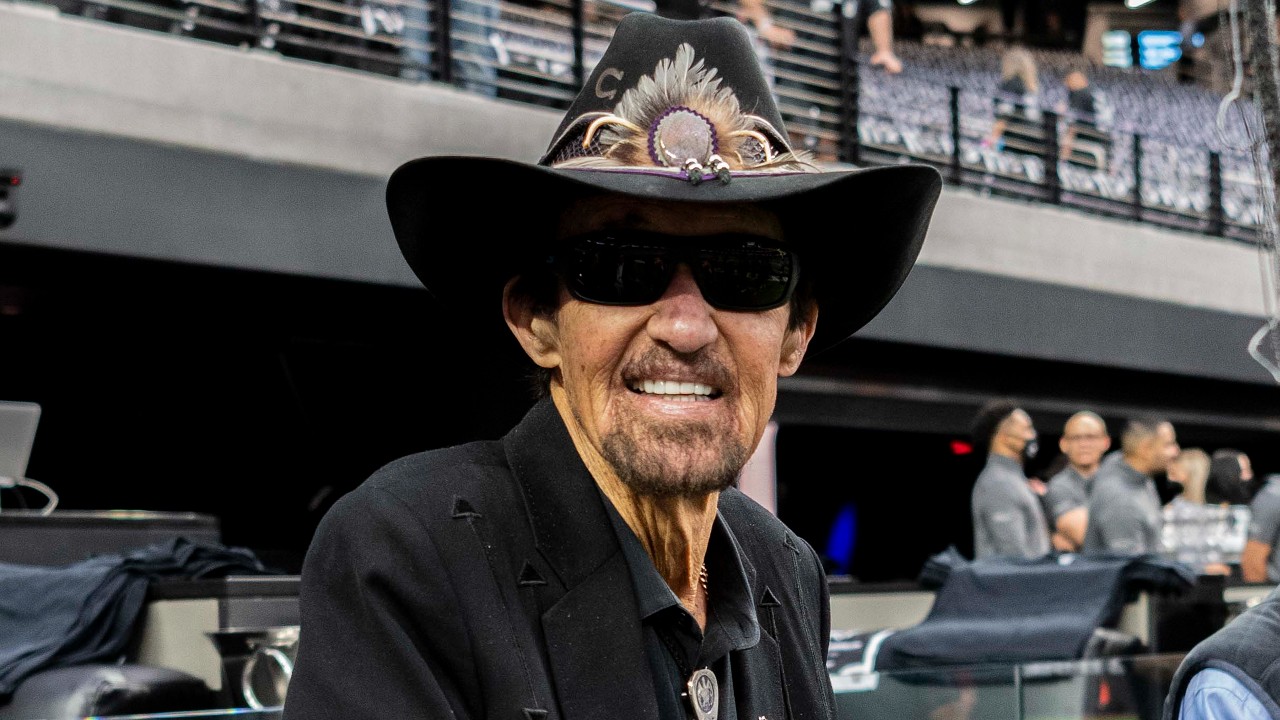
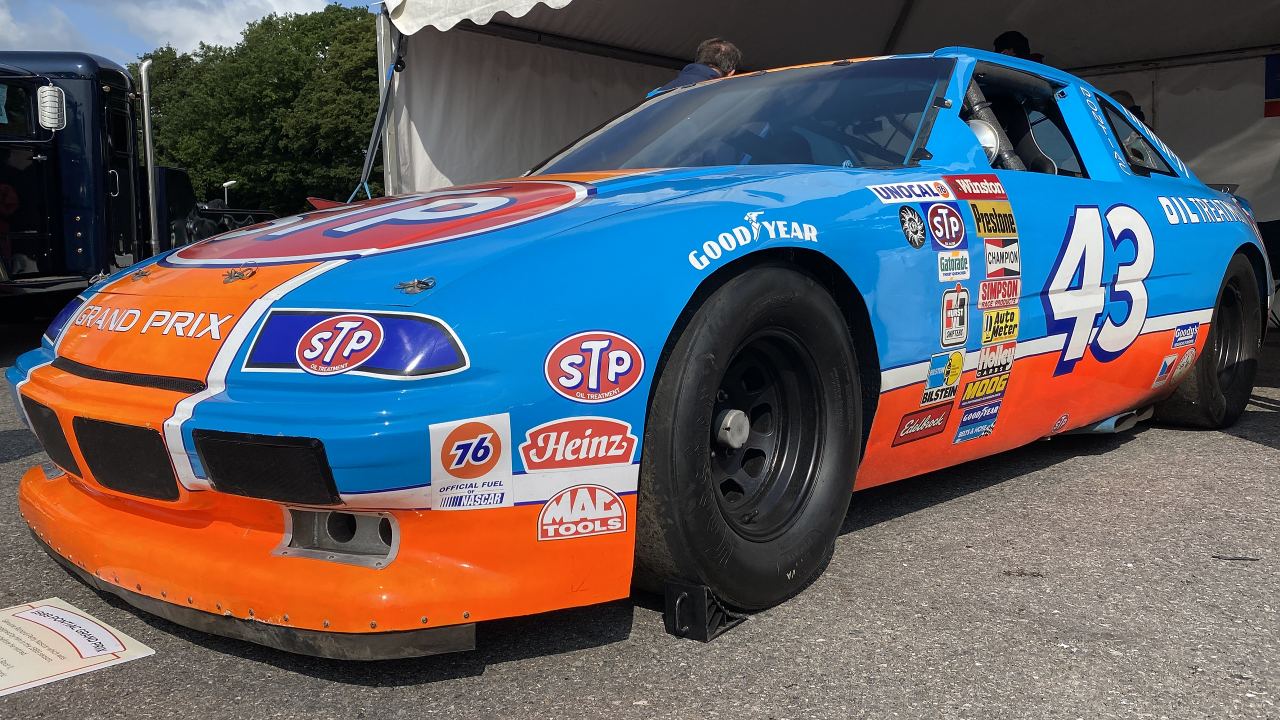
Of course, a legacy is not just what you do, it is how you make people feel while you are doing it, and this is where Richard Petty turned a racing career into a cultural phenomenon. Even after his last championship in 1979 and his final win in 1984, he remained one of the sport’s most visible figures, proof that charisma ages better than tires. His big sunglasses, cowboy hat, and that iconic No. 43 became visual shorthand for NASCAR itself, the kind of instantly recognizable image that could sell T-shirts in places where nobody had ever heard an engine at full song. That look, combined with his easy drawl and approachable manner, helped NASCAR boom beyond its Southern roots and into living rooms across the country.
Petty understood the power of persona, but he also understood the value of humility, which is why he could joke that he would rather be called “King” than some of the other things he had been called over the years. That mix of self-awareness and showmanship made him a natural ambassador, whether he was greeting fans at the track or representing NASCAR in front of national audiences. When he scored his 200th win in a race that drew presidential attention and became one of NASCAR’s signature anniversary moments, it crystallized how far both he and the sport had come, turning a stock car driver into a figure who could share the stage with heads of state and still look like the most comfortable person in the room.
Hall of Fame status and a legacy that still sets the bar
By the time the NASCAR Hall of Fame opened its doors, there was never any suspense about whether Richard Petty would be in it, only about how prominently his story would be told. As a Class of 2010 inductee, his “Vitals” read like a final exam for anyone who wants to understand stock car history, from his hometown of Level Cross, North Carolina, to those seven Premier Series titles and the 1,185 starts that defined his era. The Hall’s own curators point to his prime years as a benchmark for greatness, and his enshrinement formalized what fans and competitors already knew, that the sport’s modern identity is built on the foundation he poured.
Yet his influence stretches beyond the glass cases and highlight reels. Biographical accounts of Petty’s life emphasize how his rise to dominance in NASCAR, highlighted by those 200 wins and seven national championships, helped define what a complete driver should be, blending speed, technique, and sportsmanship. When you line up today’s stars and compare their résumés to his, the gap is not just in statistics but in the way his career stitched together innovation, personality, and longevity. That is why, even in an era of advanced engineering and data-driven strategy, drivers still chase his records, teams still borrow from his methods, and fans still measure greatness against the standard set by “The King.”