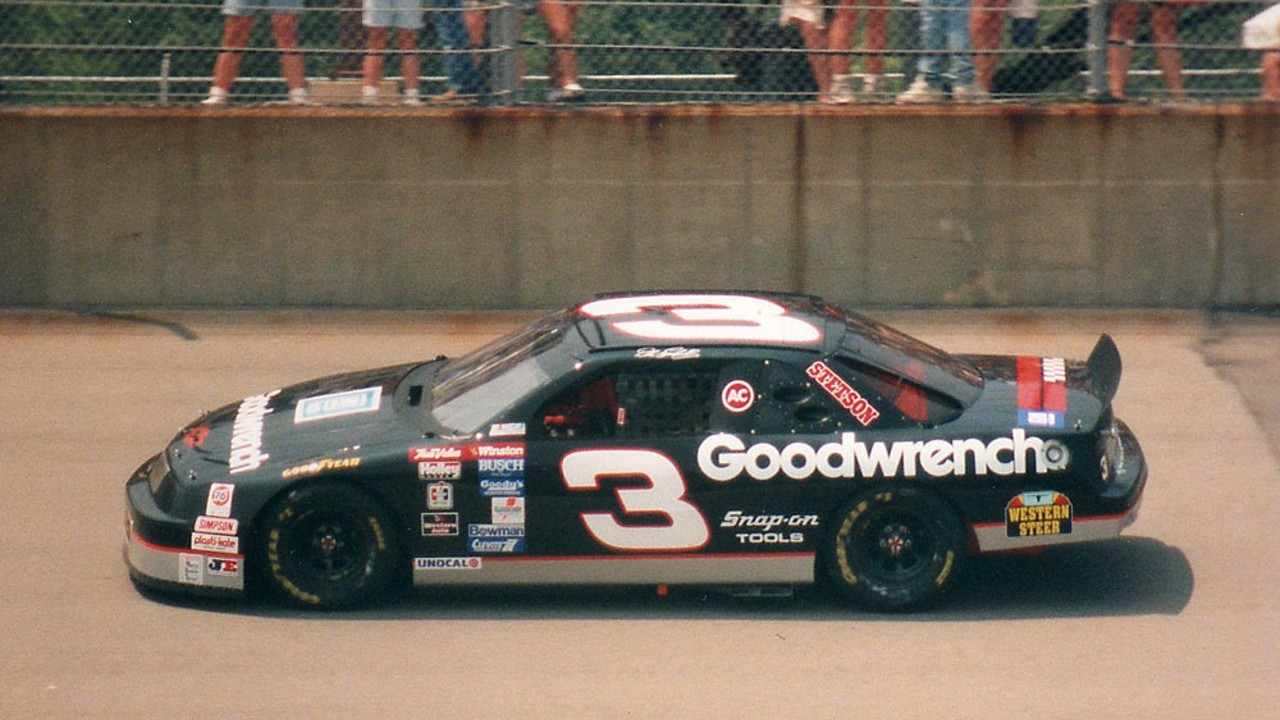
Dale Earnhardt Sr. did not just win races, he rewired what toughness meant in stock car racing and forced NASCAR to grow up around him. His mix of bruising race craft, blue‑collar charisma, and the hard lessons of his death reshaped everything from how drivers race each other to how the sport sells T‑shirts and designs safer cars.
His legend is usually reduced to a nickname and a black No. 3, but the real story is how that ferocity on track, and the fallout from it, still defines the sport’s edge, its business model, and its safety culture long after his final lap.
The Intimidator and the art of controlled chaos
Before I ever understood aero push or tire strategy, I understood one thing about Dale Earnhardt: if you saw that black car in your mirror, your day was about to get complicated. His reputation as The Intimidator came from a driving style that treated the yellow line like a suggestion and your rear bumper like a negotiation tool. He never backed down, and that relentlessness turned late‑race restarts into psychological warfare as much as motorsport. Rivals knew that if there was a gap, Earnhardt would stick the nose in and sort out the apologies, if any, after the checkered flag.
That edge was not just folklore, it became part of his commercial identity and the sport’s marketing language. Reporting on his Racing and Collectible Legacy notes that Earnhardt’s aggressive driving style earned him the “Intimidator” persona that still powers die‑cast sales and memorabilia decades later. That same persona is now a measuring stick for modern drivers, with debates over who carries the Intimidator traits of on‑track aggression and off‑track presence. In other words, his toughness became a template, not just a nickname.
Toughness that sold: turning grit into a marketing empire
Earnhardt’s toughness did not clock out when he climbed from the car, it clocked in at the merchandise trailer. I have seen Fortune 500 executives spend less time thinking about brand identity than he did about that black No. 3. A ninth‑grade dropout, Earnhardt understood that the same hard‑nosed image that rattled competitors could move hats, jackets, and posters. He helped build a marketing machine that turned his likeness into a business, with products like a biography that sold more than 800,000 copies, proof that fans were not just buying wins, they were buying the myth of indestructibility.
That business sense helped expand NASCAR beyond its traditional sponsor base. But his empire was not built on polite handshakes alone, it leaned on feuds, rivalries, and the theater of toughness that made every Sunday feel like a season finale. He was also a pioneer among professional athletes who trademarked their signatures and image, using that legal armor to protect and monetize his persona, as detailed in coverage of Earnhardt and his legacy. The result was a driver who did not just race for a living, he turned his brand of toughness into a durable business model that still echoes in today’s driver‑owned teams and personal merch lines.
Redefining NASCAR’s edge and appeal
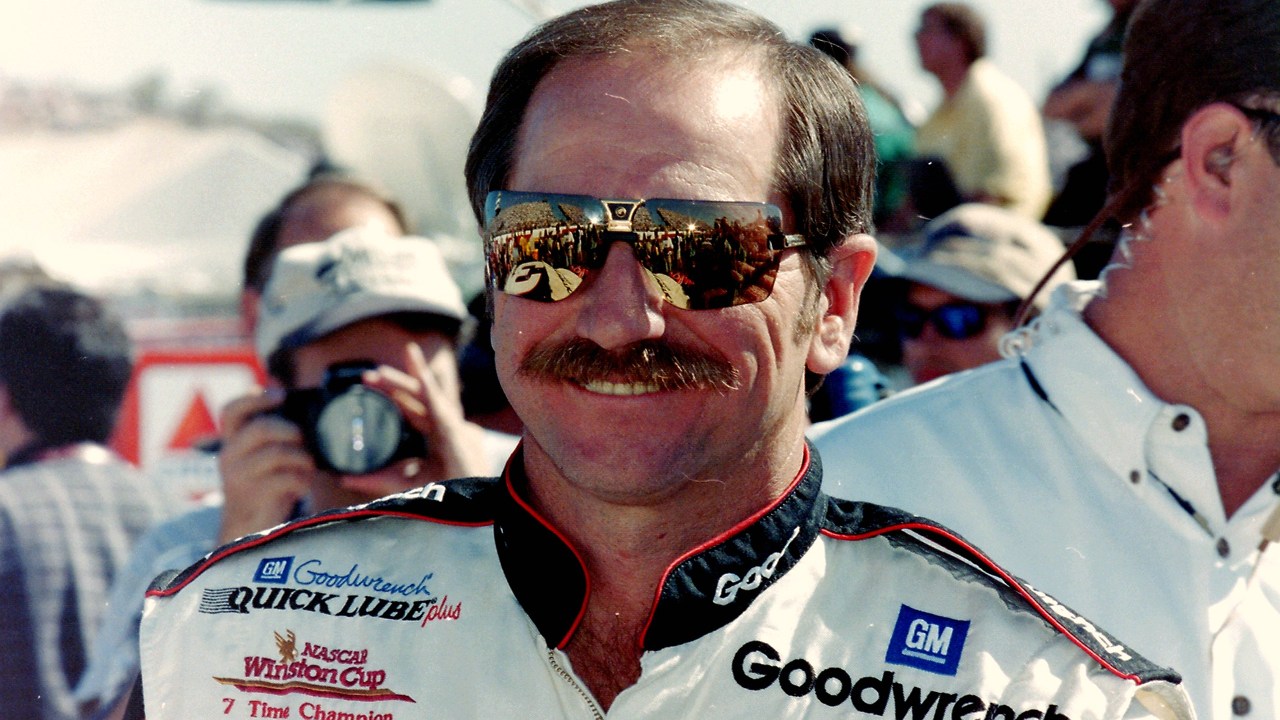
When people talk about NASCAR’s boom years, they usually mention packed grandstands and TV deals, but underneath that growth was a simple truth: the sport had a face, and that face wore sunglasses and a mustache. I would argue that Earnhardt’s presence helped drag NASCAR from a regional curiosity into a national conversation by giving casual fans someone impossible to ignore. His style of racing, equal parts skill and intimidation, made stock cars feel less like anonymous machines and more like weapons in a weekly drama.
That drama translated directly into mainstream appeal. Coverage of his Influence notes that his aggressive driving and larger‑than‑life persona elevated the sport’s mainstream profile and fueled a thriving collectibles market. The fact that a 1995 Brookfield Guild 1:24 scale car can still spark bidding wars tells you how deeply that image burrowed into fan culture. His toughness did not just win trophies, it turned sheet metal into mythology and made the sport feel like something you had to see live, then take home in miniature.
The hardest lesson: how his death forced safety to grow up
For all the swagger and bravado, the most profound part of Earnhardt’s impact is the one he never got to see. His fatal crash in the Daytona 500 was the moment the sport’s long flirtation with danger finally crossed a line it could not ignore. The Tragic Catalyst for Change framing used at the Earnhardt Museum is blunt for a reason, his death forced a reckoning with the risks drivers had been normalizing for decades. The toughness that once meant shrugging off wrecks suddenly looked less heroic and more like denial.
In the years that followed, his influence on Safety became as important as his influence on racing lines. Reporting on his legacy notes that his crash pushed NASCAR into hard conversations about its reality, the kind of uncomfortable debates that had been postponed every time a driver walked away from a mangled car. The result was a wave of changes, from head‑and‑neck restraints to structural upgrades, that have since been credited with saving lives. It is a bitter irony that the man who seemed unbreakable had to be lost before the sport fully committed to protecting the next generation of drivers.
The modern search for Earnhardt‑level grit
Ask around the garage today and you will hear a familiar parlor game: who is the modern version of Dale Earnhardt? I find that question revealing, because it admits that his combination of traits is still the gold standard. Coverage of What is Happening with that comparison points out that the “Intimidator” persona was a blend of on‑track aggression, off‑track personality, and a willingness to play the villain when the story needed one. Modern drivers may match one or two of those traits, but the full package is rare in an era of corporate debriefs and social‑media brand management.
That scarcity is part of why his legacy still looms so large. The Earnhardt Museum’s focus on His Influence underlines how his story continues to shape how fans and drivers think about risk, reward, and what it means to be “tough” in a safer, more polished version of the sport. Even as NASCAR evolves, the benchmark for competitive fire is still the guy who would move you for a win, sign an autograph afterward, and then go home to a business empire built on that exact attitude. The sport may never again produce someone quite like Dale Earnhardt, but every time a driver leans on a rival’s door in the final corner, you can see his shadow in the move and hear a faint echo of the Intimidator in the crowd’s roar.