Rivian’s rapid loss of thousands of would‑be customers did not come from a botched product launch or a viral quality scandal. It came from a policy cliff. When a key federal tax incentive vanished, a fragile demand story around premium electric trucks and SUVs was suddenly exposed, and the company’s delivery numbers show just how quickly that shock rippled through its order book.
What looked like a steady, if modest, growth path in 2024 and early 2025 gave way to a sharp drop in late‑year deliveries, a weaker fourth quarter, and a scramble to reset expectations for 2026. I see a company that still has a credible long‑term plan, but one that has just been reminded how dependent its early success was on a subsidy it does not control.
The tax credit cliff that scared off thousands of Rivian buyers
The immediate trigger for Rivian’s sudden buyer exodus was the expiration of federal tax incentives that had effectively discounted its vehicles by up to several thousand dollars. For shoppers weighing a premium electric pickup or SUV against a gasoline alternative, that credit often made the difference between “stretch purchase” and “too expensive.” When those federal tax incentives ended, reporting on Rivian Sales Dropped After Federal Tax Incentives Ended described how thousands of potential buyers walked away almost overnight, leaving the company with a thinner order pipeline and softer showroom traffic than executives had been counting on.
That reaction was not a surprise to analysts who had warned that Many EV customers were pulling forward purchases to capture the subsidy before it disappeared. Experts quoted in coverage of Rivian will suffer in 2026 without this key subsidy argued that the loss of a credit worth up to $7,500 would naturally depress demand and could take many quarters to normalize. In other words, Rivian’s problem was not just a bad month of sales, it was a structural reset in what its target buyers were willing to pay once Washington stopped helping to close the price gap.
From “meh” year to fourth‑quarter slump
Even before the tax credit expired, Rivian’s 2025 performance was hardly a breakout. The company delivered 42,247 vehicles in 2025, down from 51,579 in 2024, a decline that several analysts described as a step back rather than a collapse. One assessment framed Rivian’s 2025 Sales Were Meh, But Here Comes 2026, capturing the sense that the brand’s expensive R1T pickup and R1S SUV had found a loyal niche but were not yet scaling into mass‑market territory. The year did not follow a straight growth trajectory, and those quarterly swings tell a story of a company still trying to match production, pricing, and demand in a shifting policy environment.
The real shock came in the fourth quarter, when Rivian Deliveries Tanked in Q4 and the company’s late‑year performance suddenly looked far worse than the full‑year totals implied. One detailed breakdown noted that Rivian delivered 9,745 electric vehicles in the fourth quarter, a sharp drop from the prior period that investors had to view alongside a stronger third quarter to understand the full picture. Analysts described it as a temporary setback, but the timing, coming right after the tax credit expiration, reinforced the narrative that thousands of buyers had either accelerated their purchases into earlier quarters or abandoned their orders once the subsidy disappeared.
Guidance met, but growth momentum broken
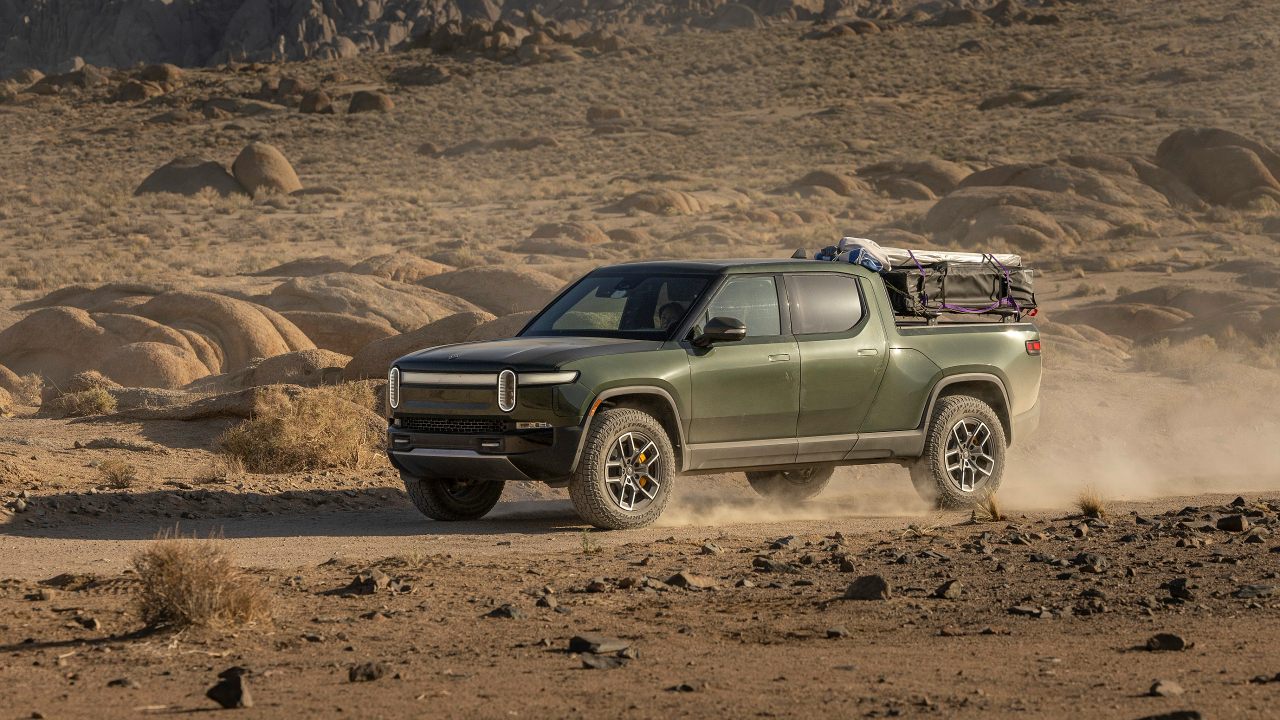
On paper, Rivian Automotive still hit its revised targets. The company delivered 42,247 vehicles in 2025, down 18% from 51,579 in 2024, yet squarely within its updated guidance, a performance some coverage summarized with the figure 1.52% to capture the stock’s reaction. Reports that Rivian Hits 2025 Targets Despite EV Policy and Demand Pressure stressed that management had already lowered expectations earlier in the year, anticipating a tougher environment once federal support faded. Meeting those numbers gave executives a talking point that the business was executing to plan, even if that plan had become less ambitious.
From an investor’s perspective, however, the broken growth trend matters more than the guidance box‑checking. Analyses under headlines like Rivian Deliveries Tanked in Q4: What Investors Should Know and Key Points on Rivian Deliveries Tanked, What Investors Should Know highlighted that the company’s quarterly volatility, combined with a risky financial profile and heavy capital needs, leaves little room for prolonged demand weakness. Some coverage noted that Rivian produced more vehicles than it delivered in earlier quarters, then swung the other way in the fourth quarter, underscoring how sensitive its operations are to even modest shifts in order flow. The loss of thousands of buyers at once did not just dent a single quarter, it undermined the narrative of steady, compounding growth that had supported Rivian’s valuation.
Why Rivian was hit harder than some rivals
The end of federal tax credits affected the entire electric vehicle market, but Rivian’s positioning made it particularly vulnerable. The company’s lineup is concentrated in high‑priced lifestyle vehicles, and without subsidies, the gap between an R1T or R1S and a comparable gasoline truck or SUV becomes harder to justify for cost‑conscious buyers. Analysts who warned that Rivian will suffer in 2026 without these tax credits pointed out that Many EV shoppers had already accelerated purchases into earlier quarters, leaving a demand air pocket once the incentive disappeared. That dynamic helps explain why Rivian Lost Thousands of Potential Buyers Almost Overnight while some legacy automakers with broader lineups could lean on cheaper hybrids or internal combustion models to cushion the blow.
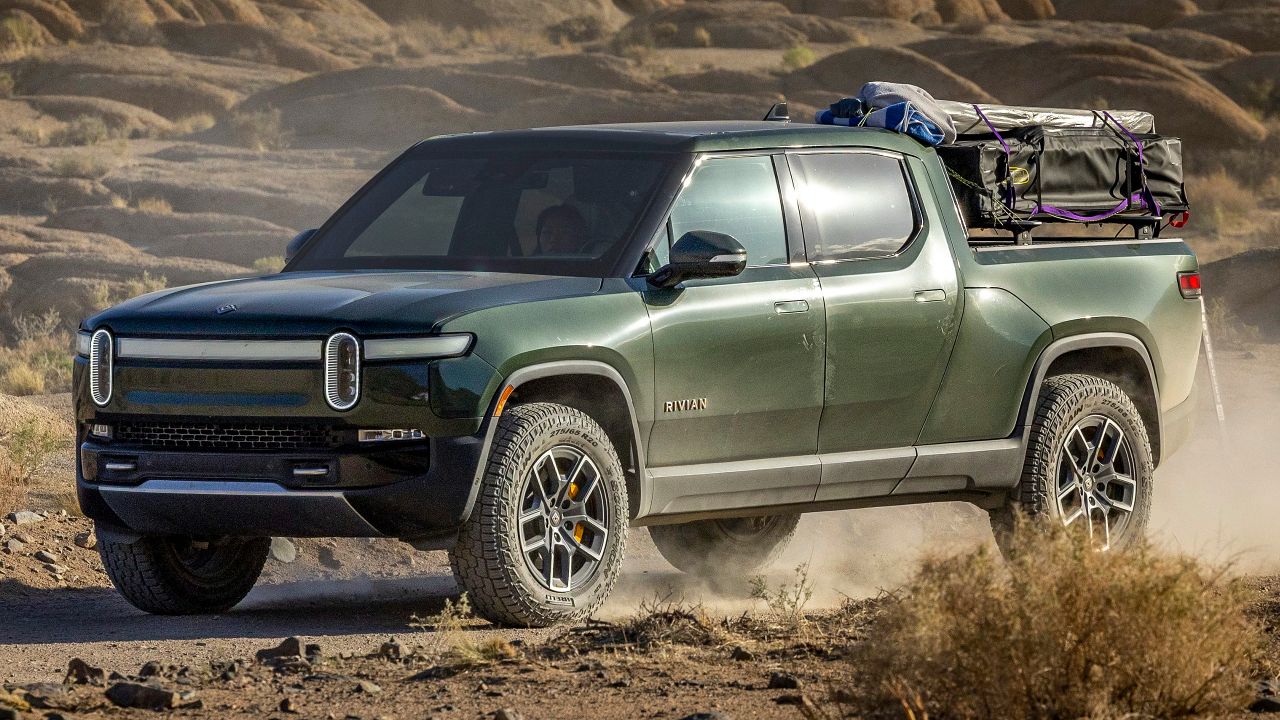
Rivian’s relatively narrow product range also meant it had fewer levers to pull when the policy environment turned. While some competitors can shift marketing toward lower‑priced models or fleet sales, Rivian is still heavily dependent on retail buyers willing to pay a premium for adventure‑oriented electric vehicles. Commentary that Rivian’s 2025 Sales Were Meh, But Here Comes 2026 emphasized that the brand’s early adopters remain enthusiastic, as seen in coverage featuring a 3′ Rivian R1S Photo by Kyle Field, but that the next wave of customers is more price sensitive and less willing to absorb the full cost of cutting‑edge technology without government help. In that context, the sudden loss of thousands of potential buyers looks less like a freak event and more like a predictable outcome of a subsidy‑driven market.
Can the R2 and 2026 reset win those buyers back?
Rivian’s answer to this demand shock is clear: get cheaper, faster. Multiple reports on Rivian’s 2025 Deliveries Fall Y/Y: Will a Cheaper R2 Reignite Demand and Rivian’s 2025 Deliveries Fall Y/Y: Will a Cheaper R2 Reignite Demand? describe how the company is racing to launch its more affordable R2 SUV, with production expected to ramp in 2026 and into 2027. Rivian Automotive, Inc, listed under the ticker RIVN and based in California, is betting that a lower price point will expand its addressable market and reduce its dependence on federal incentives. The strategy is straightforward: if subsidies are unreliable, the sticker price itself has to do more of the work.
There are reasons to think that approach can help. Analysts summarizing Key Takeaways on RIVN noted that while 42,247 deliveries in 2025 represented a step back from 51,579, the company still has a sizable installed base, improving manufacturing know‑how, and a brand that resonates with a certain kind of outdoor‑oriented buyer. Another detailed breakdown under the heading Stifel Says Rivian and Tesla, Deliveries Hold, No Big Surprises argued that Rivian’s fourth‑quarter deliveries of 9,745 vehicles, while disappointing, were in line with revised expectations and set the stage for a reset as the R2 moves into production and then showrooms. I see 2026 as a make‑or‑break period: if the R2 can attract customers who were scared off when the tax credit vanished, Rivian can rebuild its order book on a more sustainable footing. If not, the thousands of buyers it lost almost overnight may prove to be the first wave of a longer‑term retreat.
More from Fast Lane Only: