The 1968 Plymouth Barracuda Formula S marked a pivotal moment in American automotive history as it bridged the gap between classic muscle cars and the burgeoning era of performance. With its bold design and powerful engine options, it set the stage for the muscle car revolution that would soon follow.
Historical Context of the 1968 Barracuda
The late 1960s was a transformative period for the American automotive landscape, characterized by a growing consumer appetite for performance-oriented vehicles. As the baby boomer generation reached driving age, manufacturers began to capitalize on the desire for speed and style, leading to the explosive rise of the muscle car segment. This era saw iconic models like the Ford Mustang and Chevrolet Camaro emerging as household names, creating fierce competition among automakers.
Plymouth, a brand under the Chrysler umbrella, aimed to carve out its own niche in this rapidly evolving market. The introduction of the Barracuda in 1964 had already hinted at performance aspirations, but by 1968, the Formula S trim took things to another level. It was a strategic move to not only enhance the Barracuda’s appeal but also to challenge established players like Ford and GM. By offering a sporty, stylish car with robust performance credentials, Plymouth positioned itself as a serious contender in the muscle car race.
Design and Aesthetics
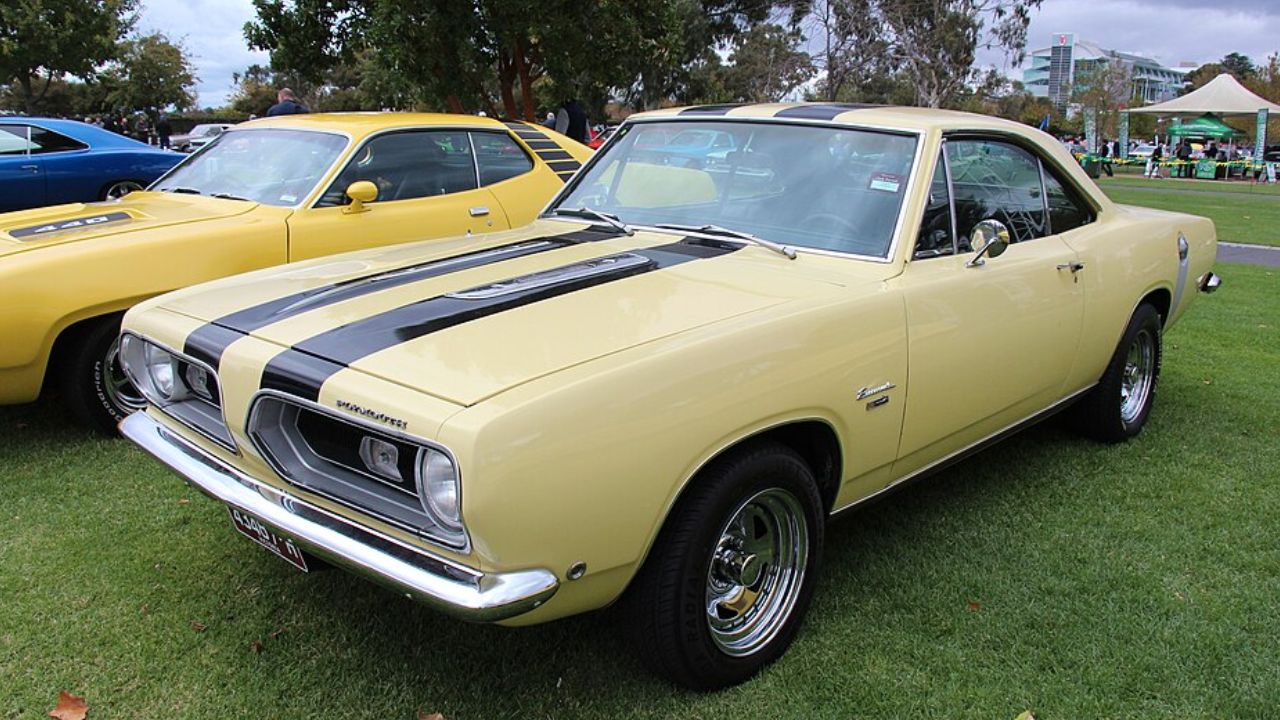
The 1968 Barracuda boasted a unique body style that set it apart from its predecessors and competitors. While the initial Barracuda was known for its fastback silhouette, the 1968 model introduced a more refined and aggressive look. The elongated hood and shorter rear deck created a sense of motion even when the car was stationary. The Formula S trim added distinctive elements, including a dual-scooped hood and wider fenders that hinted at its performance capabilities.
Color and graphics also played a significant role in the Barracuda’s aesthetic appeal. Plymouth offered an array of vibrant colors, including the eye-catching “In-Violet” purple and the classic “Hemi Orange.” The optional striped graphics package further enhanced the sporty look of the Formula S, allowing owners to personalize their vehicles. These visual elements not only made the Barracuda stand out on the road but also resonated with a generation eager to express individuality through their choice of car.
Engine Options and Performance
The performance of the 1968 Barracuda Formula S was primarily driven by two formidable engine options: the 340 and the 383 cubic inch V8 engines. The 340 engine was particularly noteworthy, producing 275 horsepower and 340 lb-ft of torque, making it a strong competitor in its class. For those seeking even more power, the optional 383 engine ramped up the performance to an impressive 335 horsepower. This combination of power and torque translated into exhilarating acceleration and an engaging driving experience.
When compared to competitors in the same year, the Barracuda’s performance metrics held their ground. For instance, the Ford Mustang’s 289 cubic inch engine produced a maximum of 271 horsepower, while Chevrolet’s Camaro with a 327 cubic inch engine could only muster around 275 horsepower. The Barracuda’s blend of power and handling made it a desirable option for performance enthusiasts looking for a thrilling ride. The combination of a lightweight body and robust engine options ensured that the 1968 Barracuda Formula S was not just another pretty face on the road.
Innovative Features and Technology
The 1968 Barracuda Formula S also introduced several innovative features that were noteworthy for their time. One of the most significant advancements was the incorporation of a sophisticated suspension system. The Formula S came equipped with heavy-duty front and rear suspensions, which offered improved handling and ride quality. This commitment to performance was crucial in a segment that prioritized not just speed but also the ability to navigate corners with confidence.
Inside the vehicle, Plymouth focused on driver comfort and ergonomics, ensuring that the Barracuda was as enjoyable to drive as it was to look at. The interior featured high-back bucket seats and a driver-oriented dashboard, allowing for easy access to controls. Additionally, the inclusion of options like air conditioning and an AM/FM radio elevated the driving experience, making it not just a performance car but also a practical choice for daily use. Moreover, safety innovations, such as a padded dashboard and shoulder belts, showcased Plymouth’s forward-thinking approach to vehicle design.
Market Reception and Sales Trends
The initial reception of the 1968 Barracuda Formula S was largely positive among both consumers and automotive journalists. Reviewers praised its performance capabilities, stylish design, and overall value. Automotive publications noted that the Barracuda offered a compelling alternative to its competitors while providing a unique blend of performance and practicality. This positive feedback contributed to a surge in interest around the model.
Sales figures reflected this growing enthusiasm. In 1968, Plymouth sold approximately 13,000 units of the Formula S variant alone, a significant increase from previous years. This success played a crucial role in boosting Plymouth’s market share, allowing the brand to secure its position in the muscle car segment. Consumers were eager to embrace the Barracuda, leading to a strong presence in the streets and at car shows, where it became a favorite among enthusiasts.
Legacy of the 1968 Barracuda Formula S
The legacy of the 1968 Barracuda Formula S extends far beyond its initial production run. It laid the groundwork for subsequent muscle car designs, influencing a generation of automotive engineering and styling. The combination of performance, design, and driver engagement set a standard that many manufacturers would strive to meet in the years to come. The Barracuda became a symbol of the muscle car era, representing the spirit of freedom and rebellion that characterized American car culture during the late 1960s.
As time went on, stories of ownership and preservation began to circulate, showcasing the Barracuda’s enduring appeal. Many enthusiasts have dedicated themselves to restoring and maintaining these classic vehicles, highlighting their significance in automotive history. The Barracuda often finds itself in the spotlight at car shows and enthusiast gatherings, where it continues to attract attention and admiration from new generations of car lovers.
Collectibility and Current Market Value
Today, the 1968 Barracuda Formula S holds a special place among collectors and enthusiasts, with several factors contributing to its desirability. Its limited production numbers, coupled with its iconic status, have made well-preserved models highly sought after. Collectors appreciate the blend of performance and style, and many are willing to invest significantly to acquire a piece of automotive history. Prices for these vehicles can vary widely, with well-maintained examples fetching upwards of $50,000 at auctions.
Current pricing trends indicate a steady increase in value, particularly for models with original parts and documentation. Resources such as online forums and social media groups allow Barracuda enthusiasts to connect, share restoration tips, and showcase their vehicles. Communities like the Barracuda Owners Group on Facebook foster a sense of camaraderie, ensuring that the legacy of the Barracuda continues to thrive in the modern automotive landscape.
Challenges and Considerations for Owners
While owning a 1968 Barracuda Formula S can be immensely rewarding, potential owners should be aware of common challenges associated with these classic vehicles. Issues such as rust, outdated electrical systems, and engine wear are prevalent in older cars. Prospective buyers should conduct thorough inspections and consider obtaining a pre-purchase inspection from a qualified mechanic to assess the vehicle’s condition.
Authenticity is another critical consideration for owners looking to restore their Barracuda. Many enthusiasts strive to maintain the vehicle’s originality, which can impact both value and collector interest. It’s essential to source parts that are true to the original specifications and to document any modifications to preserve the car’s history. Regular maintenance, including oil changes, fluid checks, and tire rotations, is vital to keeping the Barracuda in prime condition, allowing owners to enjoy its performance for years to come.
The 1968 Plymouth Barracuda Formula S stands as a timeless example of American automotive ingenuity. Its role in shaping the muscle car narrative and its lasting impact on car enthusiasts today cannot be overstated. As we reflect on its significance, it’s evident that this classic car will continue to inspire passion and admiration for generations to come.
More from Fast Lane Only