It started like a thousand classic-car stories do: a clean-looking 1968 Mustang, a confident seller, and a buyer who’d been waiting years to find “the one.” The listing said “all original,” the photos looked honest, and the price—while not cheap—felt fair for a survivor. A quick walk-around showed shiny chrome, straight panels, and an interior that looked like it had been treated gently.
But a few minutes into the inspection, the buyer spotted something that made the whole promise wobble. It wasn’t a huge red flag like a badly welded quarter panel or a suspiciously fresh paint job. It was one small part, sitting right where it shouldn’t have been, quietly telling a different story than the seller’s description.
A “Survivor” With a Very Confident Description
The seller’s pitch was simple: this Mustang had never been messed with, never modified, never turned into someone’s weekend project. According to them, it was “all original,” right down to the details that matter to collectors—factory-correct engine bay, correct trim, correct hardware. The buyer came prepared, but also hopeful, because finding a truly original late-’60s Mustang is getting harder every year.
When they met up, the seller doubled down on the story in person. They pointed to the paint, the interior, and the tidy underhood area as proof the car had been cared for. Nothing about the car screamed “fake,” and that’s what made the next part so interesting.
The Moment It Felt… Off
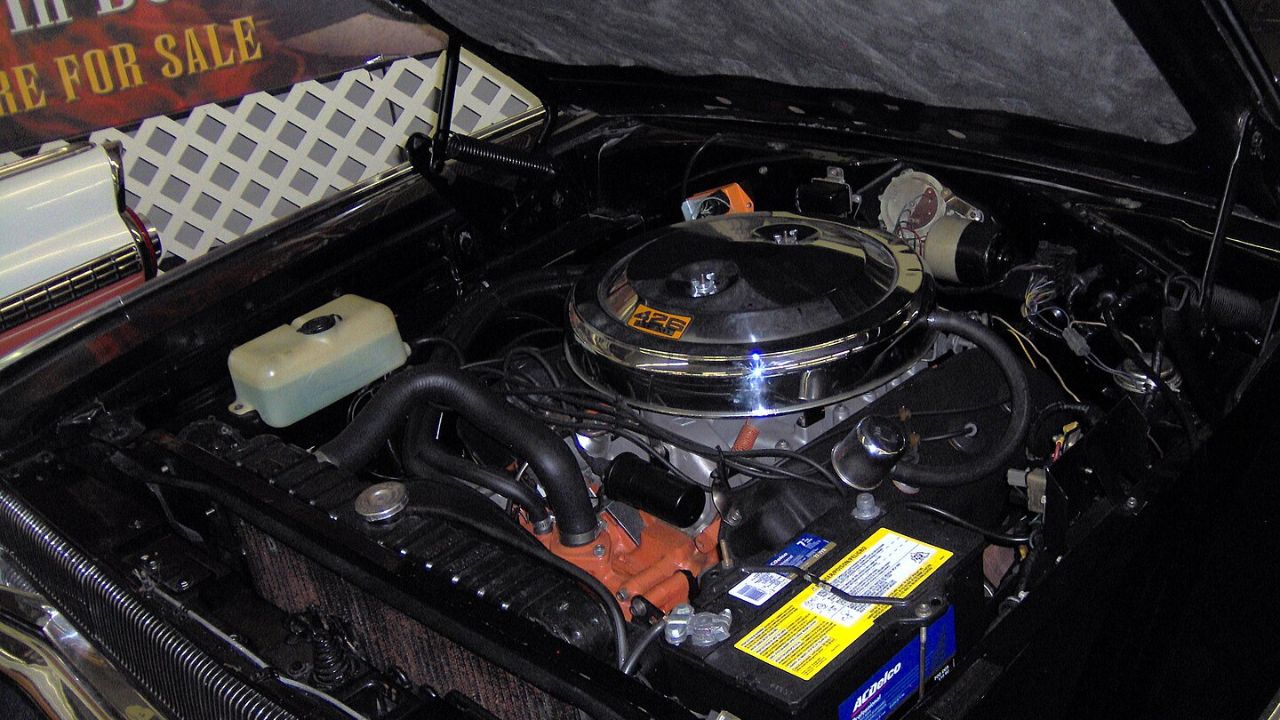
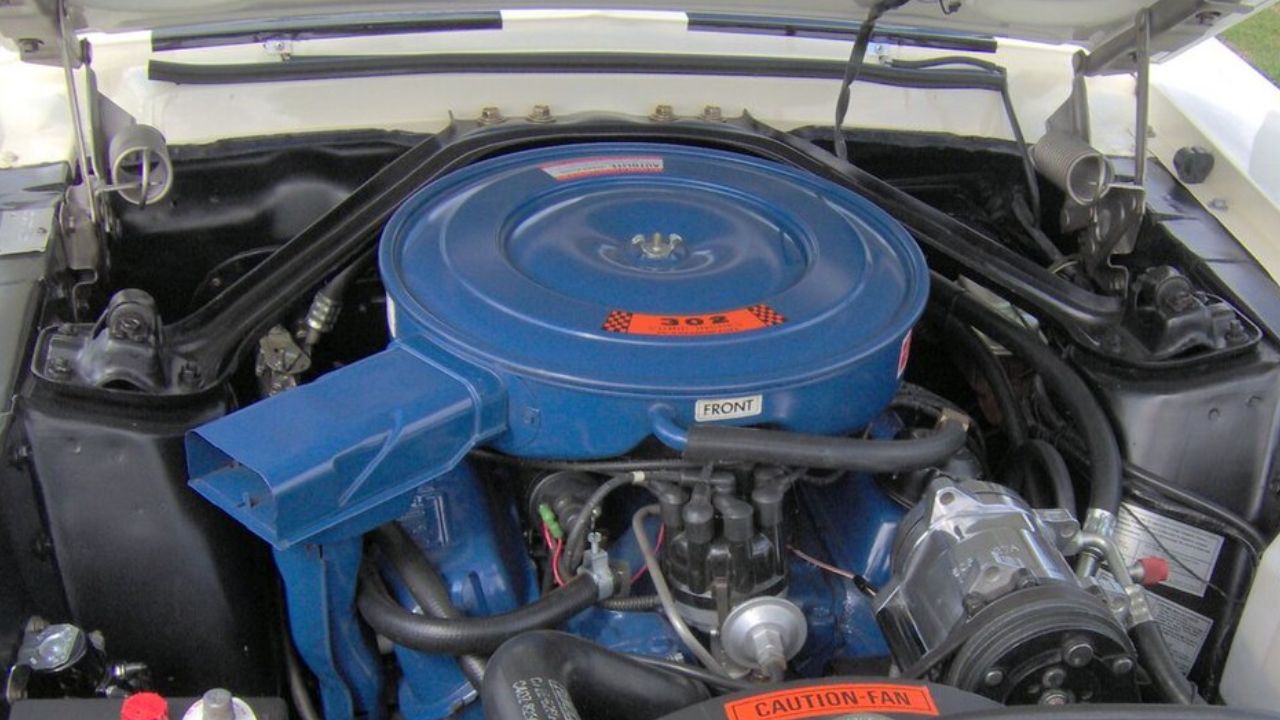
The buyer did what experienced shoppers do: they slowed down and looked for the little tells. They checked panel gaps, looked at weatherstripping, and peeked at the fasteners holding trim pieces on. Then they leaned over the engine bay and noticed the alternator setup didn’t look right for a 1968.
It wasn’t just that it looked newer—lots of old cars have replacement alternators. It was the style and placement: the unit and bracket arrangement resembled a later Ford setup, the kind you’d expect on a 1970s-era engine bay or a different engine family altogether. If you know these cars, it’s like spotting modern sneakers under a vintage tux.
Why One “Wrong” Part Can Matter a Lot
A single non-original part doesn’t automatically mean the whole car is a scam. Classic cars are machines, and machines wear out. Alternators fail, carburetors get swapped, hoses get replaced, and plenty of owners choose reliability over strict factory correctness.
But the phrase “all original” has a specific meaning in the collector world. It doesn’t mean “mostly stock vibe” or “nothing too wild.” It means the car retains its factory-installed components and finishes to a high degree, or at least that any replacements are period-correct and disclosed. When a part shows up that’s clearly from a different era, it forces a bigger question: what else has been changed without being mentioned?
The Buyer Asked, and the Story Shifted
The buyer pointed at the alternator and bracket and asked, casually, if it had been replaced. The seller hesitated, then said it was “just a service part,” like it didn’t count. When asked why the bracket style didn’t match what’s typically seen on a ’68, the explanation got softer: maybe a previous owner did it, maybe it was “upgraded,” maybe it came that way.
That’s where the buyer’s tone changed. Not angry—more like alert. Because once the story starts sliding around, it’s hard to know where it stops.
What That Part Suggests About the Car’s Past
An alternator swap can be harmless, but the details matter. If it’s a later alternator, it often comes with a different mounting bracket, different wiring, and sometimes a different voltage regulator setup. Those changes can ripple into the harness, the firewall, and the overall underhood originality.
And there’s another possibility: the engine itself may not be the one the car left the factory with. A non-period-correct alternator setup can be a clue that the engine was replaced or rebuilt using mixed parts, or that a later engine block found its way into the car. None of that makes it a bad Mustang, but it absolutely changes how you price it and how you describe it.
The Easy Checks That Came Next
After spotting the alternator mismatch, the buyer started doing quick verification checks that many hobbyists swear by. They looked for casting numbers, date codes, and tags that can hint whether major components line up with the car’s build period. They also checked for signs of harness modification—non-factory connectors, splices wrapped in electrical tape, and routing that didn’t look like a factory layout.
Even without a full decode session, a few small clues stacked up fast. The buyer noticed newer fasteners in places that are usually untouched, and a couple of brackets had a finish that didn’t match the rest of the engine bay. Again, none of this is criminal. It’s just not “all original.”
Why Sellers Say “All Original” When They Can’t Really Prove It
Sometimes it’s intentional marketing. “All original” sounds clean, valuable, and comforting—especially to someone who’s worried about buying a hidden project. Other times it’s more innocent: the seller repeats what they were told, or they assume “original” means “not customized.”
There’s also a third version, which is the most common: the seller knows some parts have been replaced but doesn’t think those parts count. To them, an alternator is like a battery—wear item, no big deal. To a buyer paying a premium for originality, it’s a big deal because it’s evidence, not an opinion.
How the Negotiation Changed in Real Time
The buyer didn’t storm off. They just recalibrated. Instead of treating the car as a rare survivor, they treated it like a nice driver with some unknowns—something you buy because you like it, not because it’s a time capsule.
They asked for documentation: receipts, photos from earlier ownership, and any paperwork that could support the “original” claim. The seller didn’t have much beyond a title and a few vague memories. At that point, the buyer made a lower offer that reflected the new reality, and the seller didn’t love it.
A Small Lesson for Anyone Shopping Classic
This little alternator moment is a good reminder that classic-car buying isn’t just about what’s shiny. It’s about what’s true. If a seller uses big-ticket words—“numbers-matching,” “all original,” “factory correct”—those words should come with evidence, not vibes.
And for buyers, the trick is staying curious instead of confrontational. One “wrong” part isn’t necessarily a dealbreaker, but it’s a reason to slow down, ask better questions, and price the car based on what it is, not what someone hopes it is. Sometimes the best find is still a great Mustang—just not the fairy tale the listing promised.
More from Fast Lane Only