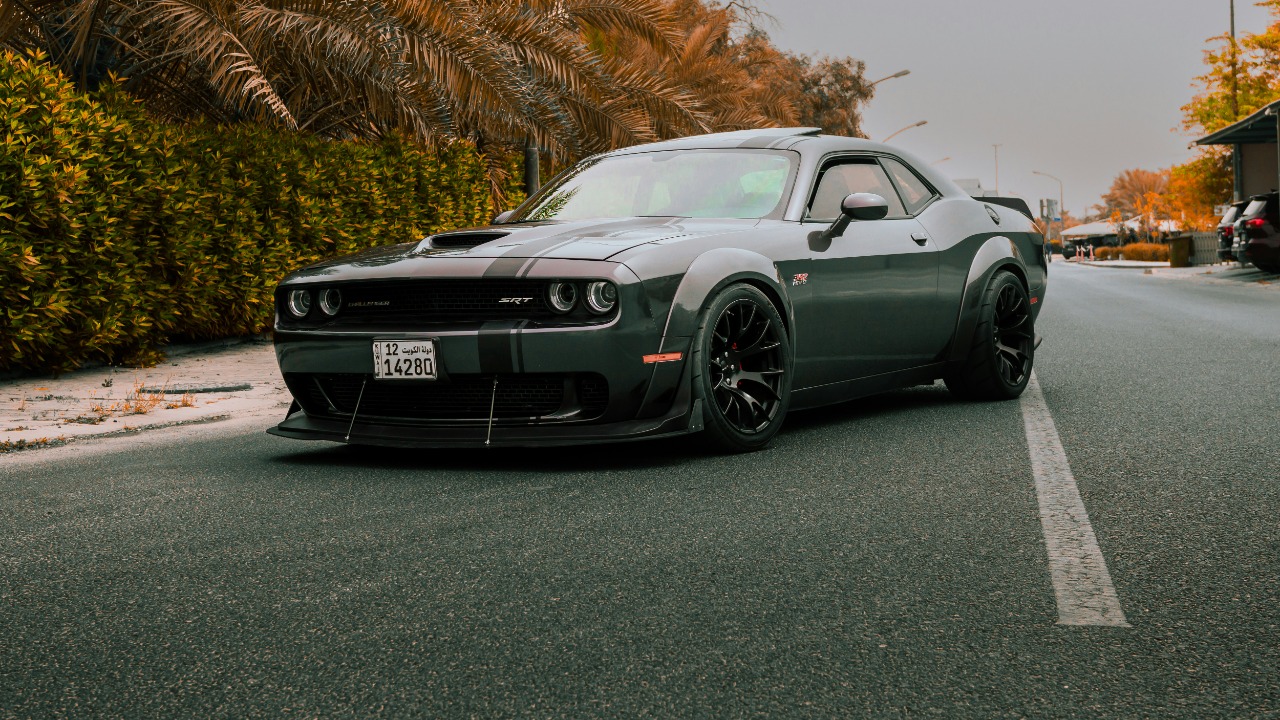
Semi-automatic muscle coupes are gaining traction in the automotive world, blending raw power with modern convenience. These vehicles offer the thrill of a muscle car with the ease of semi-automatic transmissions, making them a favorite among car enthusiasts. Delving into why these cars are creating such a buzz reveals whether they’re truly worth the hype.
The Evolution of Muscle Coupes
Historical Overview
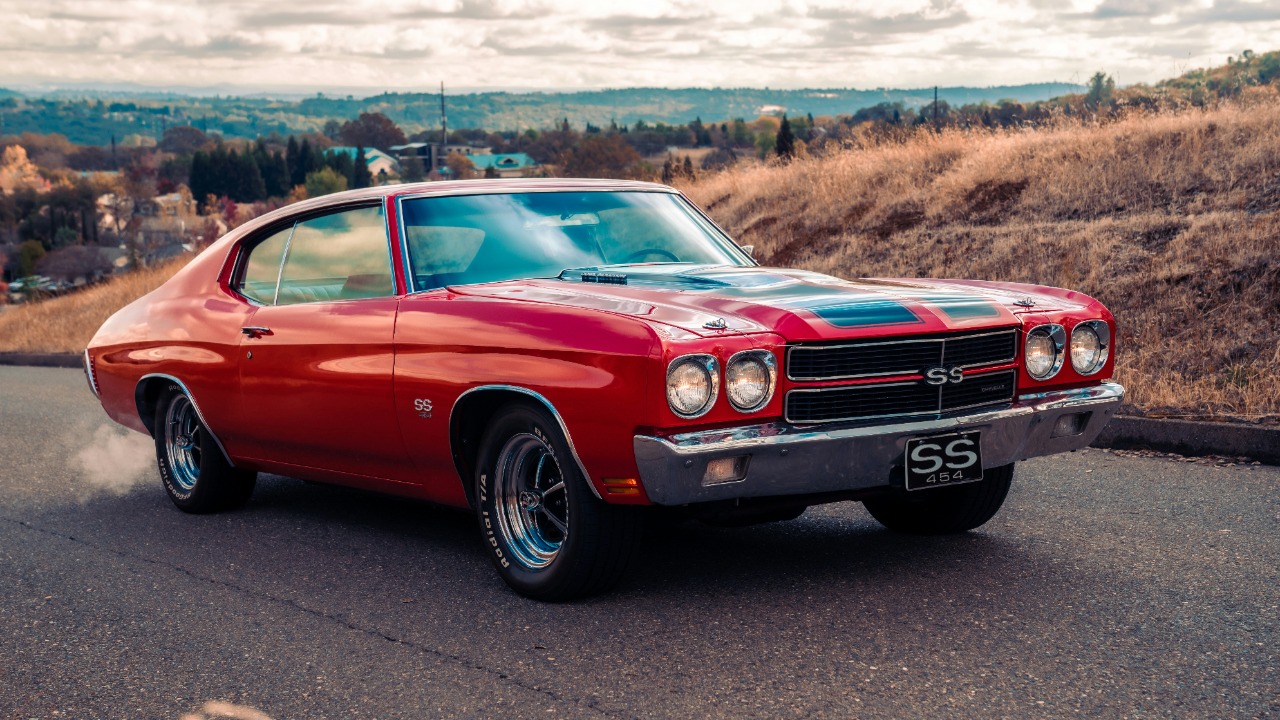
The origins of muscle cars date back to the 1960s and 1970s, a period when these powerful vehicles first captured the imagination of speed enthusiasts. During these decades, muscle cars became synonymous with American automotive prowess, boasting large V8 engines and aggressive styling. Initially, these cars were equipped with manual transmissions, which provided drivers with direct control over their vehicle’s performance. Over the years, however, the transition from traditional manual systems to advanced semi-automatic transmissions has marked a significant shift in the muscle car segment. This evolution has been driven by the desire to blend traditional muscle car power with modern convenience, catering to a wider audience who seek both performance and ease of use.
Technological Advancements
Technological advancements have played a crucial role in enhancing the performance of muscle coupes. Modern semi-automatic transmissions, such as dual-clutch systems, have improved shift times and efficiency, allowing drivers to experience quicker acceleration and smoother gear transitions. These advancements contribute to a more refined driving experience, making semi-automatic muscle coupes an attractive option for enthusiasts. The integration of modern technology doesn’t stop at transmissions. Features like adaptive suspension systems, advanced traction control, and customizable driving modes have further elevated the driving dynamics of these vehicles. These innovations enhance both the performance and safety of muscle coupes, making them more appealing in today’s automotive landscape.
Performance and Power
Engine Specifications
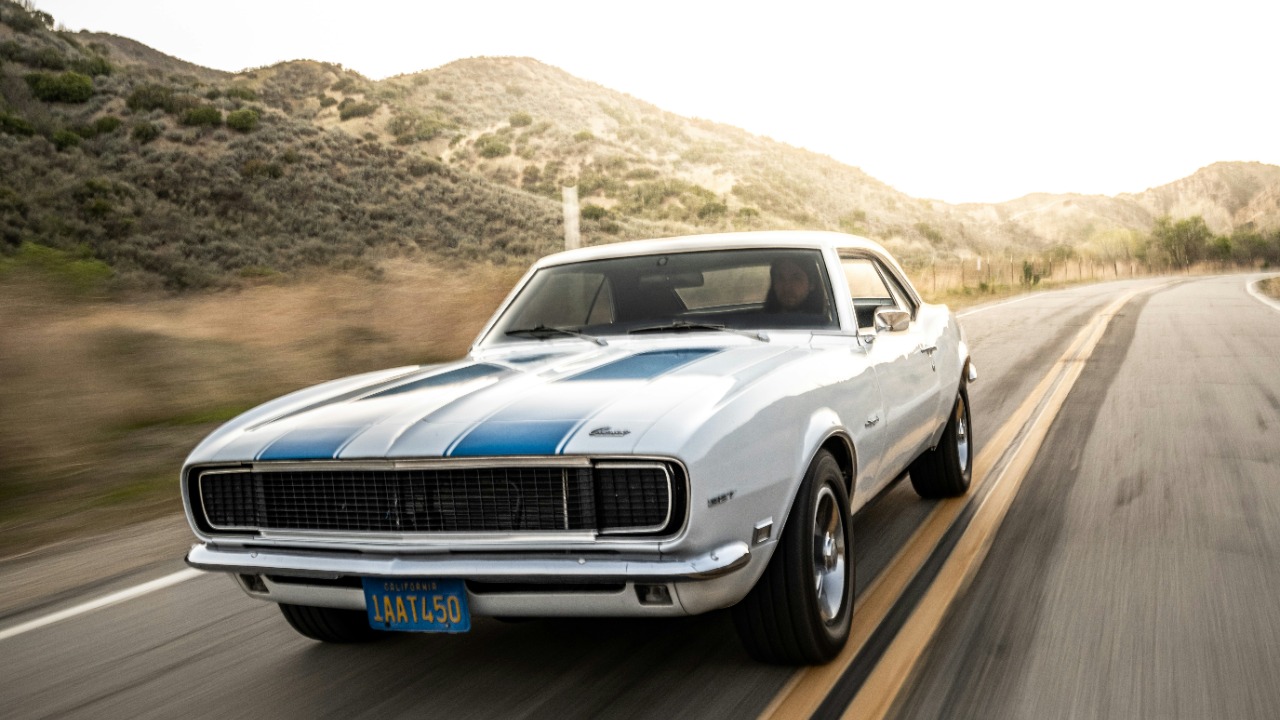
The heart of any muscle car is its engine, and semi-automatic muscle coupes are no exception. These vehicles continue to feature powerful engines, often boasting high horsepower and torque figures that deliver the quintessential muscle car experience. Comparing semi-automatic versions to their manual counterparts, it’s clear that the former can deliver comparable, if not superior, performance due to optimized gear ratios and faster shift times. For instance, many modern muscle coupes with semi-automatic transmissions can achieve impressive 0-60 mph times, thanks to their ability to maintain optimal torque throughout the acceleration range. This performance edge makes them a compelling choice for those seeking both speed and convenience.
Driving Dynamics
Semi-automatic transmissions significantly influence the handling and acceleration of muscle coupes. By allowing seamless gear changes without the need for a clutch pedal, these systems offer a more engaging yet user-friendly driving experience. Track tests and user reviews consistently highlight the improved acceleration and precision that semi-automatic transmissions provide, making them a preferred choice for performance enthusiasts. The ability to switch between automatic and manual modes further enhances driving dynamics. Drivers can enjoy the thrill of manual control during spirited drives while opting for the convenience of automatic shifting in everyday scenarios. This versatility is a key factor in the growing appeal of semi-automatic muscle coupes.
Convenience and Usability
Ease of Use
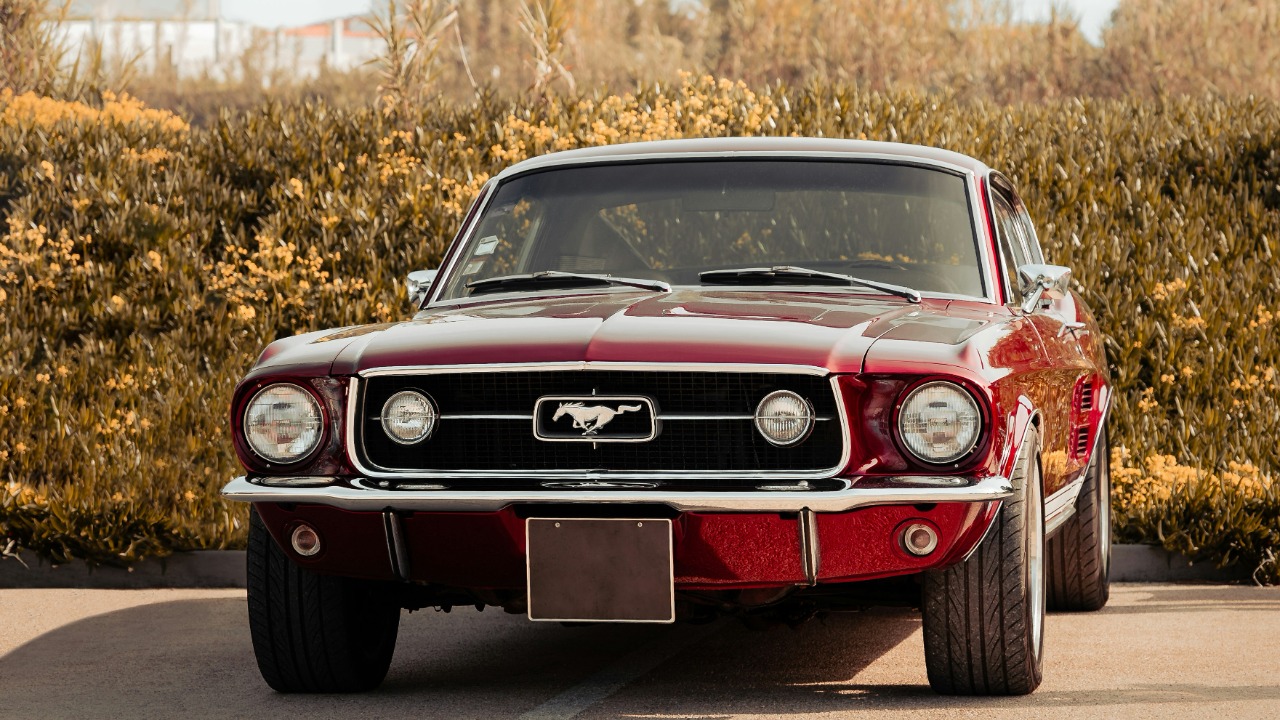
Semi-automatic transmissions bring a host of benefits for everyday driving. They eliminate the need for constant clutch operation, reducing driver fatigue in stop-and-go traffic. This ease of use is particularly advantageous for those who may find traditional manual transmissions daunting, allowing a broader audience to enjoy the thrill of a muscle car. The learning curve for semi-automatic transmissions is significantly less steep compared to traditional manuals. Drivers can quickly become accustomed to the paddle shifters and automatic modes, making semi-automatic muscle coupes accessible even to those new to performance vehicles.
Urban Versatility
Muscle coupes are finding a place in urban environments, thanks to the adaptability offered by semi-automatic transmissions. These vehicles can navigate city streets with ease, providing the power needed for quick lane changes and the convenience of automatic shifting in congested areas. However, it’s important to note the challenges of parking and maneuverability that come with the larger dimensions of muscle coupes. These challenges are mitigated by features such as rearview cameras and parking sensors, which enhance the urban usability of these vehicles.
Market Trends and Consumer Demand
Popularity Surge
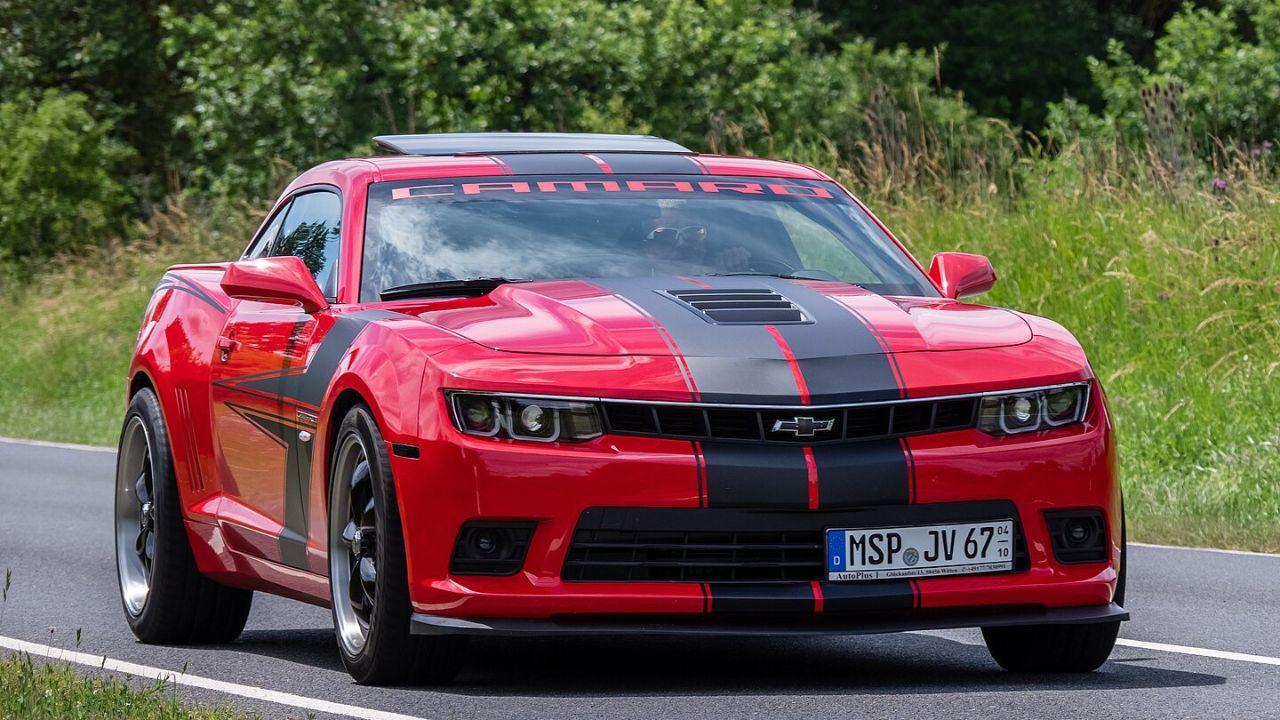
In recent years, the market for semi-automatic muscle coupes has seen a significant surge in popularity. Market data indicates a growing interest in these vehicles, driven by their blend of performance and convenience. Interestingly, there has been a demographic shift in muscle car buyers, with younger enthusiasts showing a keen interest in models that offer modern technology and ease of use. Consumer preferences have evolved, with buyers now valuing the balance between traditional muscle car attributes and modern amenities. This shift in demand has prompted manufacturers to focus on producing models that cater to these preferences, further fueling the popularity of semi-automatic muscle coupes.
Resale Value
The resale value of semi-automatic muscle coupes is another factor that potential buyers consider. Generally, these vehicles hold their value well, thanks to their performance capabilities and the desirability of semi-automatic transmissions. Factors such as brand reputation, model popularity, and maintenance history play a crucial role in determining the long-term value of these vehicles. As the market continues to embrace semi-automatic muscle coupes, their resale value is expected to remain strong. Prospective buyers can have confidence in the long-term investment potential of these vehicles.
Comparative Analysis: Muscle vs. Sports Cars
Defining Features
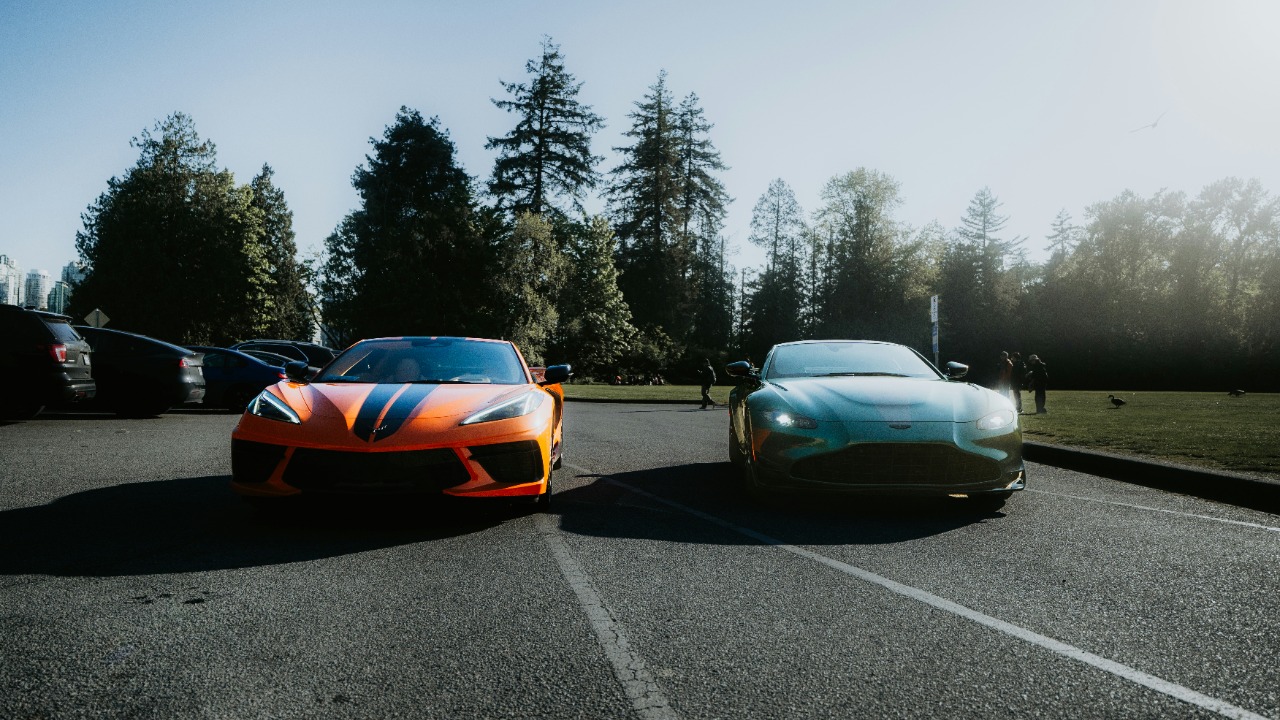
The distinction between muscle cars and sports cars often comes down to defining features and consumer perception. Muscle cars are typically characterized by their powerful engines and straight-line speed, whereas sports cars prioritize agility and handling. This difference in focus is reflected in the brand positioning and marketing strategies of the respective manufacturers. Consumer perception plays a significant role in shaping the market for these vehicles. While some enthusiasts are drawn to the raw power and nostalgia of muscle cars, others prefer the precision and refinement of sports cars. Understanding these preferences is key to appreciating the unique appeal of each category.
Performance Metrics
When comparing muscle and sports cars head-to-head, performance metrics such as acceleration, top speed, and handling often come into focus. Muscle cars typically excel in straight-line acceleration, offering exhilarating speed that appeals to those who crave raw power. In contrast, sports cars are designed for agility and cornering, providing a different type of driving pleasure. The emotional appeal of each category is also worth noting. Muscle cars evoke a sense of nostalgia and American automotive heritage, while sports cars offer a more refined and dynamic driving experience. This emotional connection is a significant factor in the decision-making process for many buyers.
Expert Opinions and Future Outlook
Industry Insights
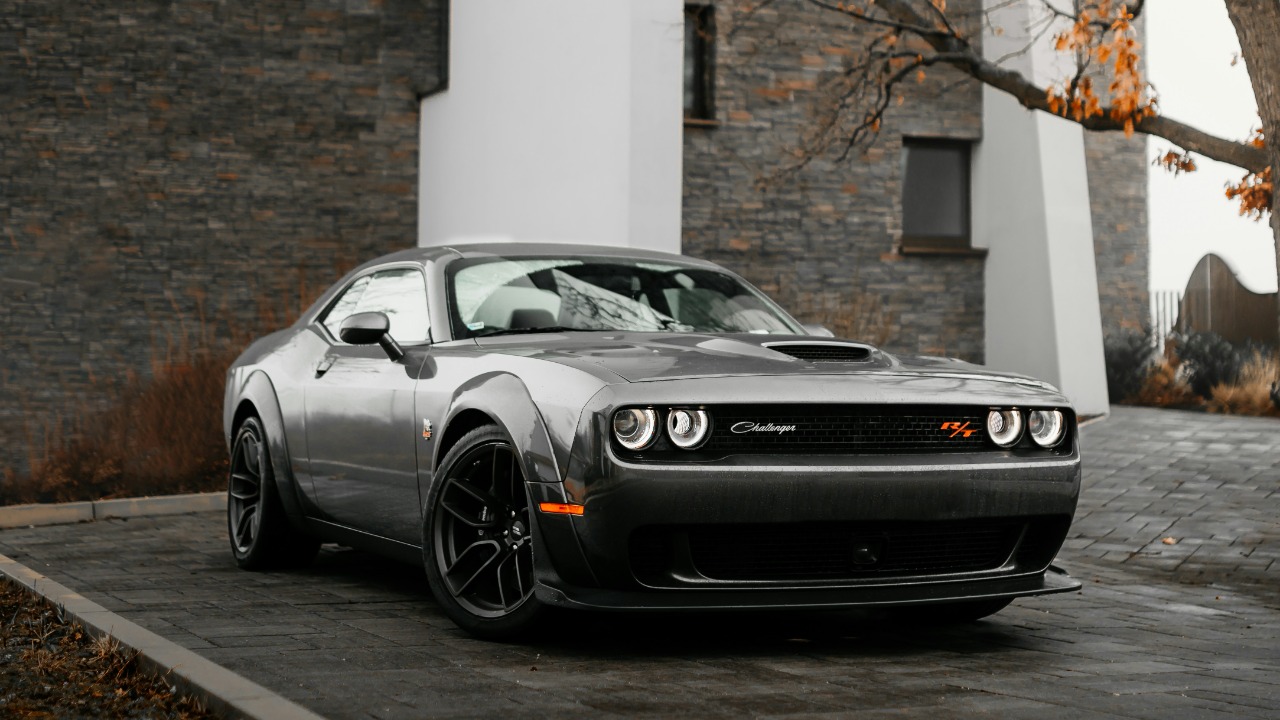
According to industry experts, the future of semi-automatic muscle coupes looks promising. Automotive engineers predict continued advancements in transmission technology, further enhancing the performance and efficiency of these vehicles. As consumer preferences evolve, manufacturers are likely to focus on developing models that cater to the demand for modern convenience without compromising on performance. The market is expected to see shifts as new technologies emerge and consumer expectations continue to change. These trends will likely influence the direction of future muscle coupe models, ensuring their relevance in a competitive automotive landscape.
Innovation and Sustainability
Innovation in the muscle coupe segment is increasingly focused on sustainability, with manufacturers exploring the integration of electric and hybrid technologies. These advancements aim to balance performance with environmental considerations, offering consumers a more eco-friendly option that doesn’t compromise on the muscle car experience. As environmental concerns become more prominent, consumers are expected to demand vehicles that align with their sustainability values. The integration of these technologies represents a significant step forward for muscle coupes, positioning them for a future that embraces both innovation and environmental responsibility.
Like Fast Lane Only’s content? Be sure to follow us.
Here’s more from us:
*Created with AI assistance and editor review.