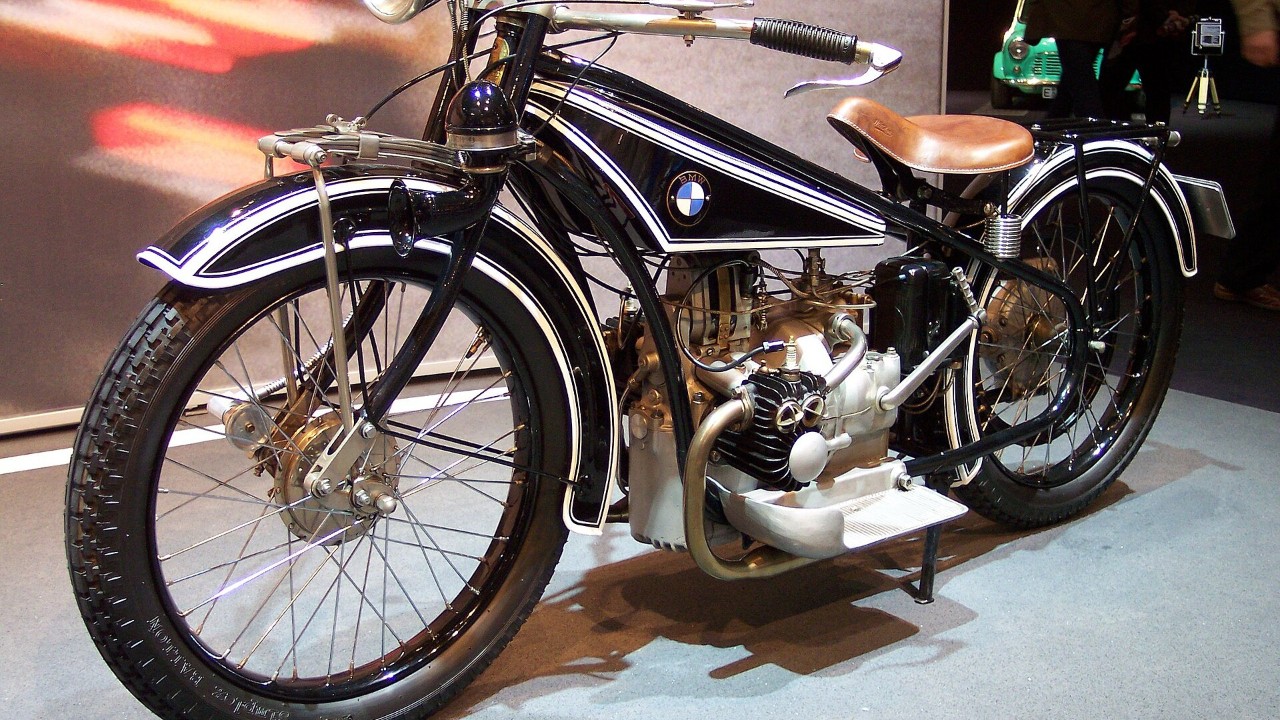
Most early motorcycles turned the rear wheel with a chain or a belt, but a few makers chose shaft drive instead. A shaft runs inside its own housing, so there is no open chain to oil, adjust or replace. These eight shaft drive motorcycles, all built before 1970, show how the idea traveled from Belgium to Germany, America, Britain and Italy.
They run in date order, from a 1905 Belgian four to a 1967 Italian V-twin. Two of them were built for the U.S. Army rather than for showrooms. Each entry sticks to the figures its sources support, and where sources disagree, we say so.
1. 1905 FN Four
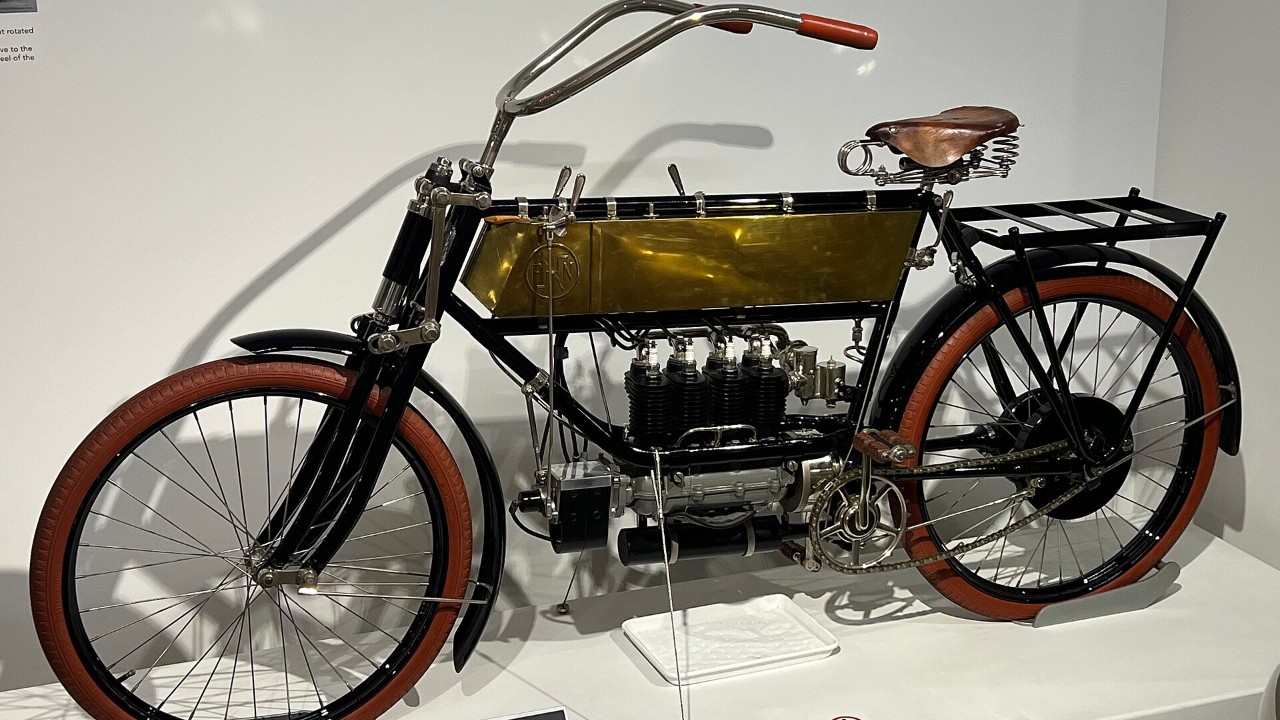
Belgium’s Fabrique Nationale showed its four-cylinder motorcycle at the Paris show in 1905. Engineer Paul Kelecom designed it. The four cylinders sat in a line along the frame, and a shaft, instead of a chain, carried power back to the rear wheel.
According to RM Sotheby’s, the engine started at 362cc. Later, it grew to 748cc at the request of sidecar owners. RM also notes that every FN stayed shaft driven until 1923. In fact, the four remained in production until that same year, when a new overhead-valve FN four switched to chain drive.
2. 1909 Pierce Four
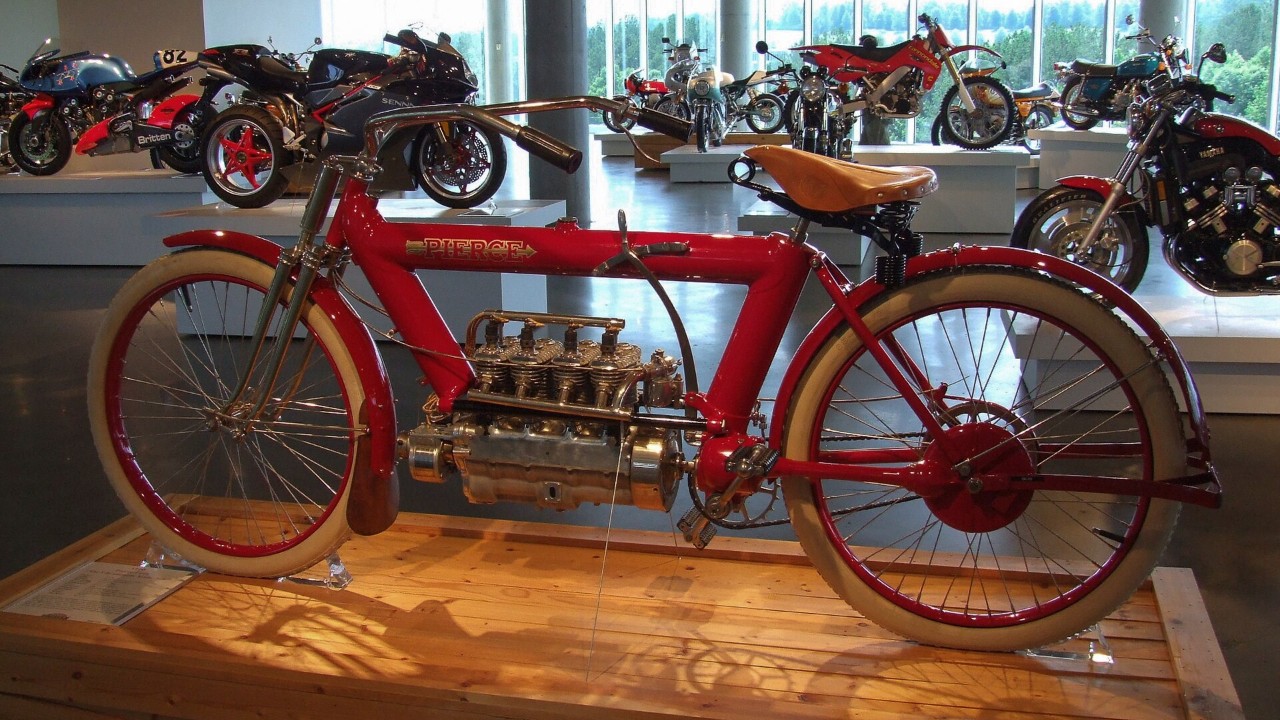
Percy Pierce came from the family firm that also built Pierce-Arrow cars. In 1908 he traveled to Europe and bought an FN Four. Back home, he used it as the inspiration for a new motorcycle of his own.
The Audrain Automobile Museum calls the result the first four-cylinder motorcycle manufactured in the USA. Its 1910 example has a 696cc engine, a two-speed gearbox and shaft drive. Oil and gasoline rode inside the frame tubes, so the bike needed no separate tanks. However, the venture didn’t last. The National Motorcycle Museum says Pierce built motorcycles from 1909 until bankruptcy in 1914.
3. 1923 BMW R32, BMW’s first shaft drive motorcycle
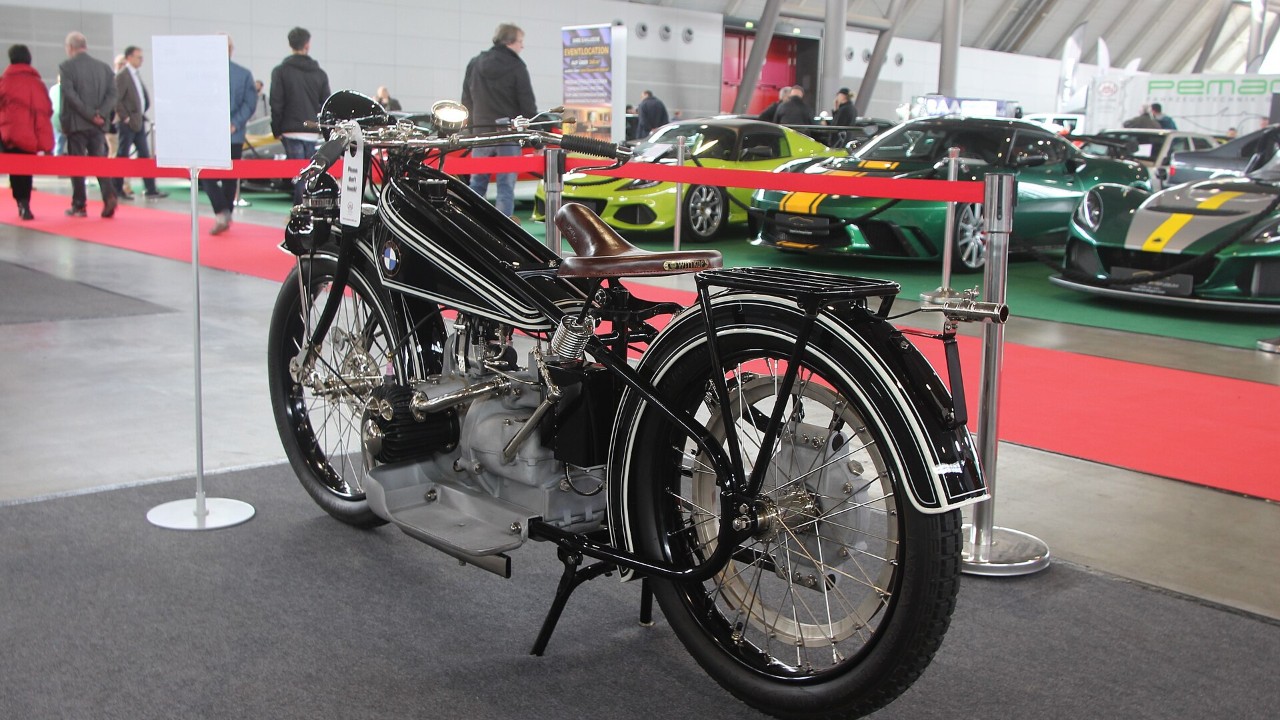
The R32 was the first genuine BMW motorcycle. Engineer Max Friz gave it a boxer engine mounted across the frame, a stiff tubular frame and cardan (shaft) drive. Those features, the museum that displays one says, became characteristic of BMW motorcycles.
The Technik Museum Sinsheim lists the 1923 bike at 486cc. Other references give 494cc, so the safe answer is just under 500cc. The museum adds that BMW built about 3,100 R32s, entirely by hand. Top speed was 90 km/h, or about 56 mph.
4. 1941 Indian 841
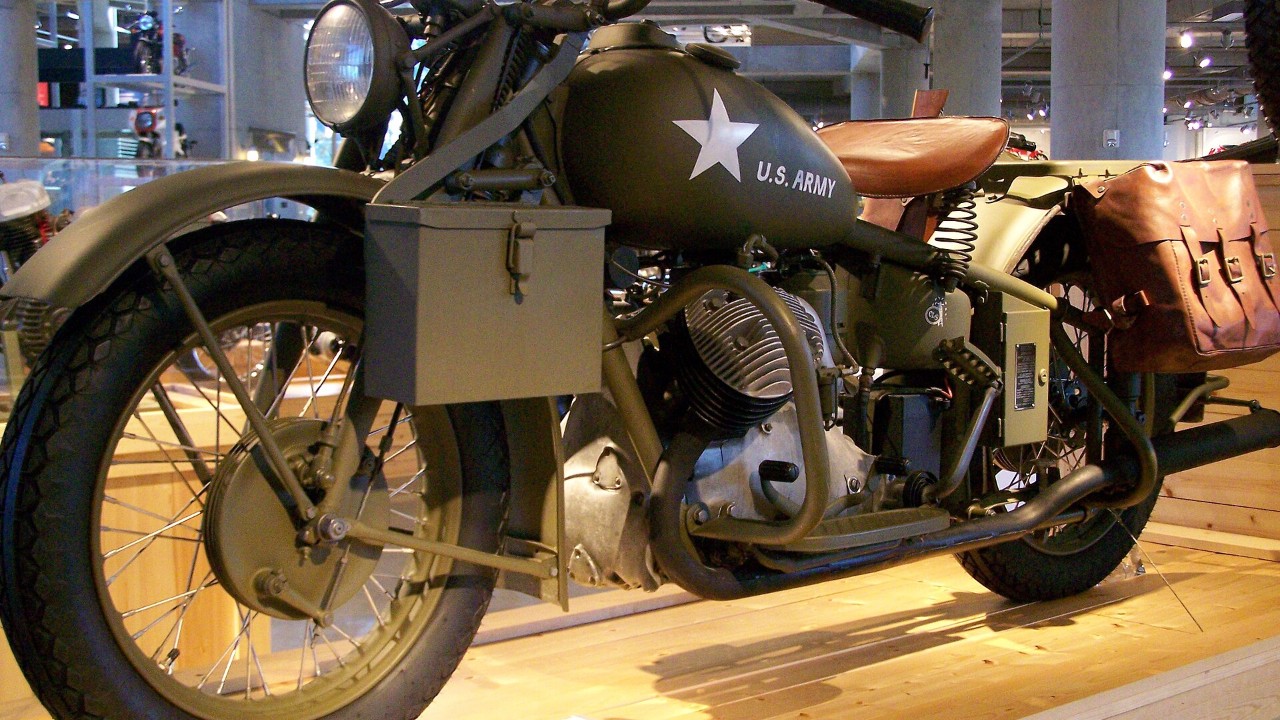
During World War II, the U.S. Army wanted a shaft-driven motorcycle that could handle desert heat, sand and distance. Indian’s answer was the 841. It used a 45-cubic-inch (737cc) side-valve V-twin with 90 degrees between the cylinders and the crankshaft running lengthwise.
An enclosed shaft drove the rear wheel, and a heel-and-toe foot shift worked the four-speed gearbox. Riding Vintage says Indian built roughly 1,000 of them between 1941 and 1943, with 1,056 the figure most often cited. Still, the Army passed on the 841. As a result, it stayed a limited-production military prototype, and surplus bikes later went to civilian owners.
5. 1942 Harley-Davidson XA
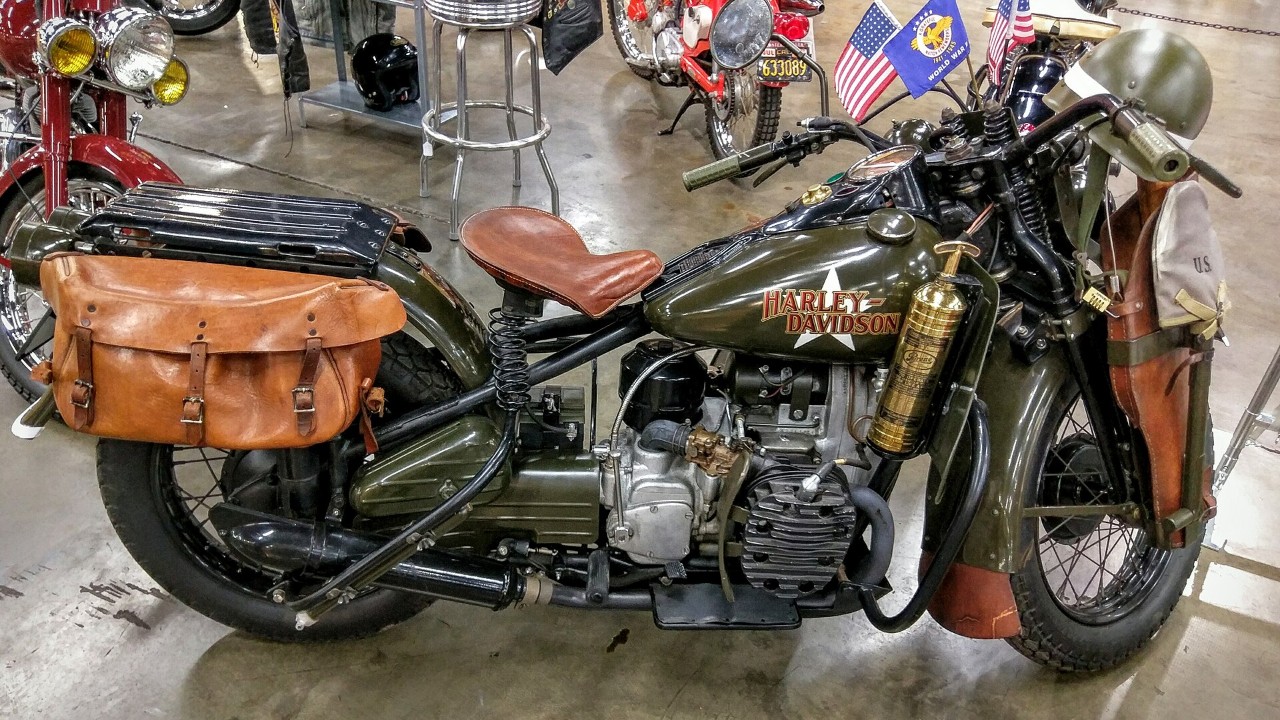
Harley-Davidson took a more direct route to the same request. The Army asked for a design based on the BMW machines used by German forces, with a boxer engine and shaft drive. So Harley based the XA’s engine and drivetrain on the side-valve BMW R71, not the overhead-valve R75.
According to Military Trader, Harley built 1,000 XAs for evaluation. The flat-twin displaced 45 cubic inches (740cc). It drove through a four-speed foot-shift gearbox and reached 65 mph. Soon after production began, however, the Army decided the Jeep would cover most of its needs. It placed no further orders and chose the cheaper WLA, which lacked shaft drive.
6. 1946 Sunbeam S7

At the end of World War II, BSA acquired BMW-based designs along with the rights to the Sunbeam name. Designer Erling Poppe drew the S7 from BMW R75 ideas. Instead of BMW’s flat twin, though, the S7 used an in-line, overhead-cam twin of about 500cc.
The final drive is where it parted ways with BMW. Grace’s Guide says BSA cut the rear drive with worm gears, using machinery inherited from Lanchester, rather than BMW-style bevel gears. Those worm gears tended to strip under power. Grace’s Guide records 2,104 original S7 Tourers from 1946 to 1948, although a contributor disputes that count.
7. 1948 Velocette LE
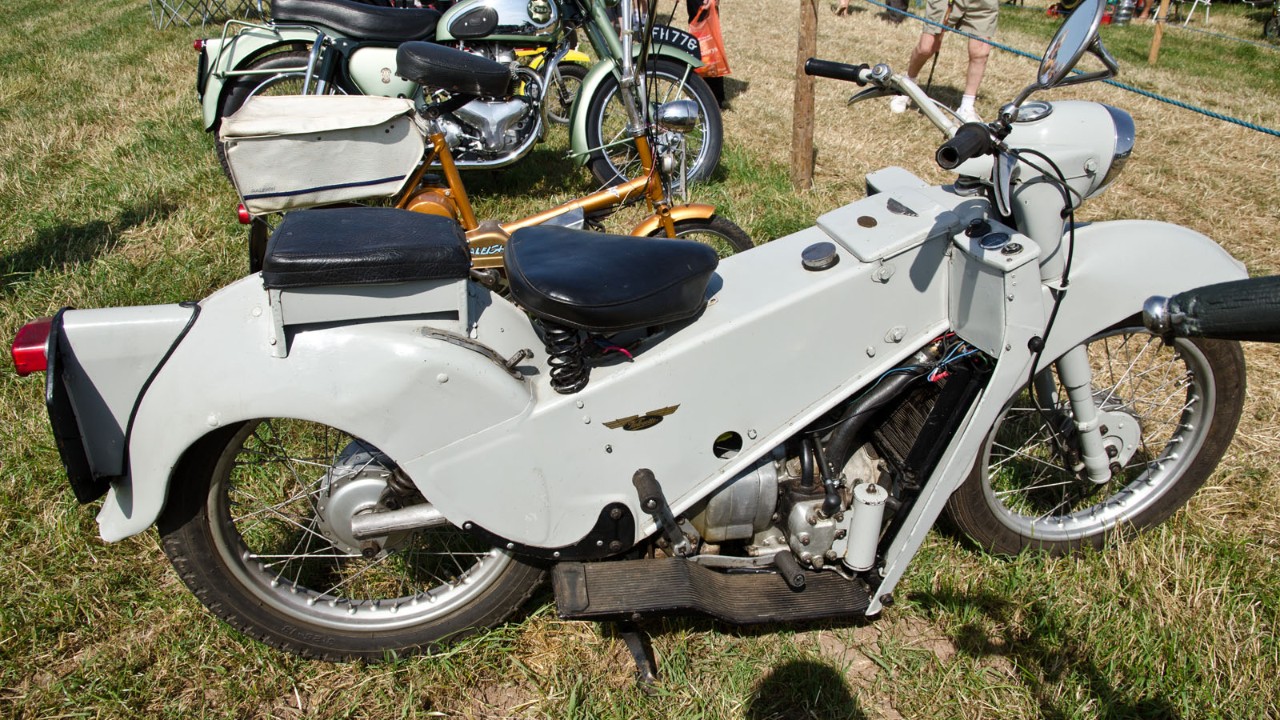
Velocette introduced the LE in 1948 to meet postwar demand for cheap transport. Its 149cc engine was a water-cooled, side-valve flat twin, and a shaft carried power to the rear wheel. Because that engine ran so quietly, Britain’s police forces adopted the bike widely.
New Zealand’s Museum of Transport and Technology says the quiet motor made the LE attractive to police in England, New Zealand and elsewhere. Even so, the bike cost a lot to build and sold for more than its rivals. As a result, it never gained the market share Velocette hoped for. Production ran until 1970, when Velocette stopped making motorcycles, according to webBikeWorld.
8. 1967 Moto Guzzi V7
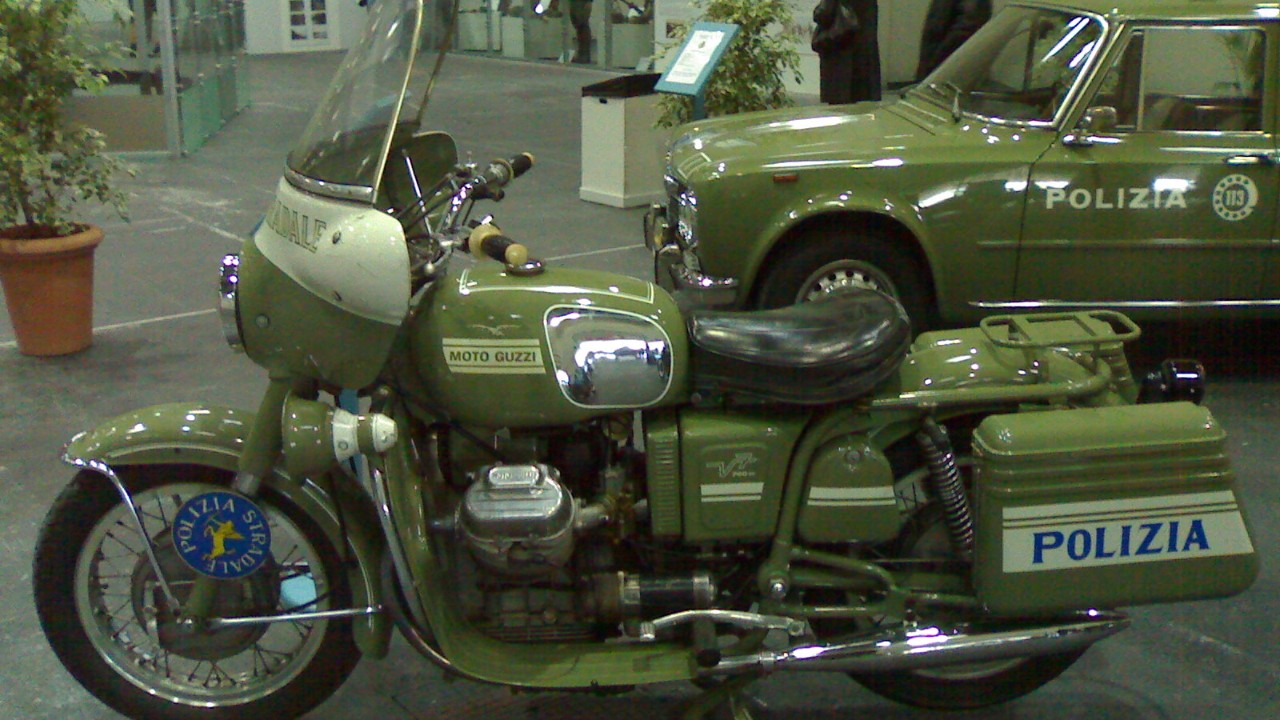
Moto Guzzi’s V7 arrived as a 1967 model, also called the V700. Giulio Cesare Carcano designed its air-cooled, 90-degree V-twin with overhead valves. That engine displaced 700cc.
The Canadian Biker profile says final drive ran through a shaft inside one leg of the swingarm. It lists 50 hp and a dry weight of about 500 pounds. Meanwhile, the same platform went into police work, and U.S. police departments bought these bikes in large numbers.
More from Fast Lane Only
- Unboxing the WWII Jeep in a Crate
- 15 rare Chevys collectors are quietly buying
- 10 underrated V8s still worth hunting down
- Police notice this before you even roll window down
This article was created with the help of AI and was reviewed and edited by Fast Lane Only editors before publication.