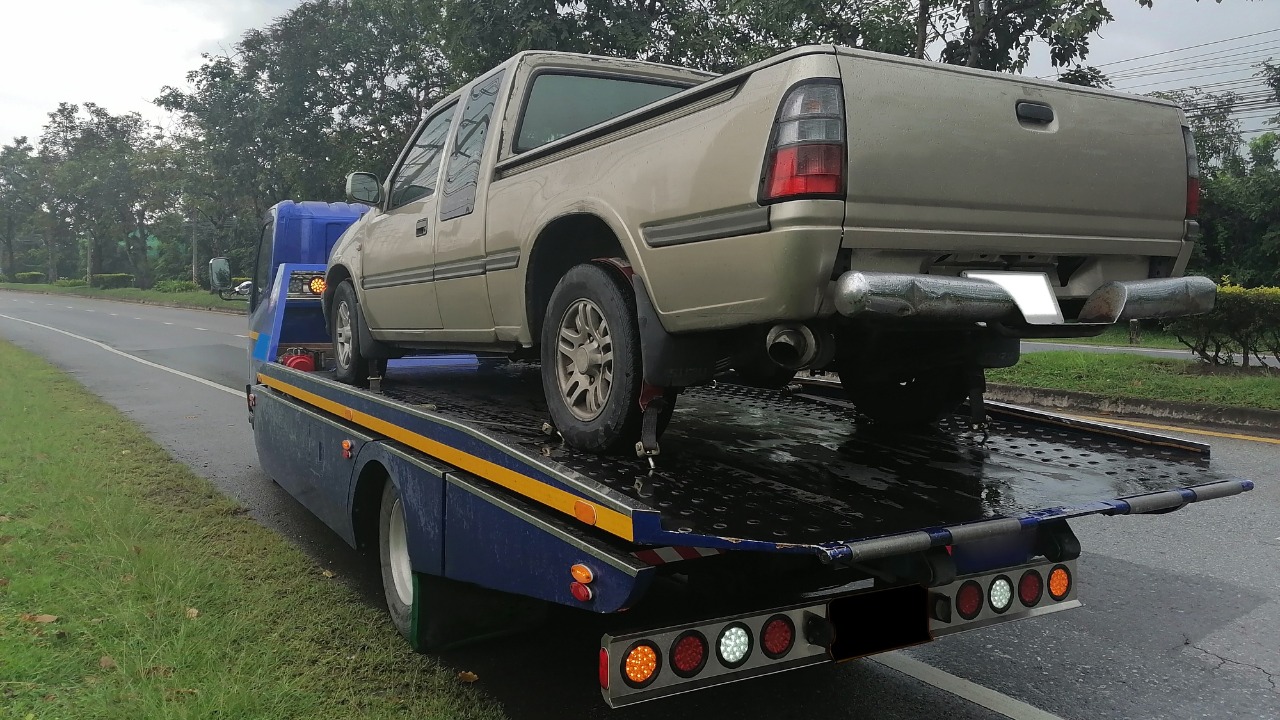
It started like one of those everyday errands that turns into a story you’ll retell at dinner. A driver picked up their car from a repair shop after being told the engine “looked fine,” the warning lights were “probably nothing,” and the weird noise was “likely just a belt.” They made it a few blocks before the vehicle began to stumble, shudder, and lose power in a way that felt less like “probably nothing” and more like “pull over now.”
By the time the tow truck arrived, the situation had moved past mild inconvenience and into full-blown roadside mystery. The driver was frustrated, the car was sulking, and traffic was doing that thing where everyone slows down just to stare. Then came the line that would kick off a whole chain of second opinions: the tow truck driver listened for a moment and said, plainly, that the engine wasn’t fine.
A “Fine” Engine That Couldn’t Hold a Conversation
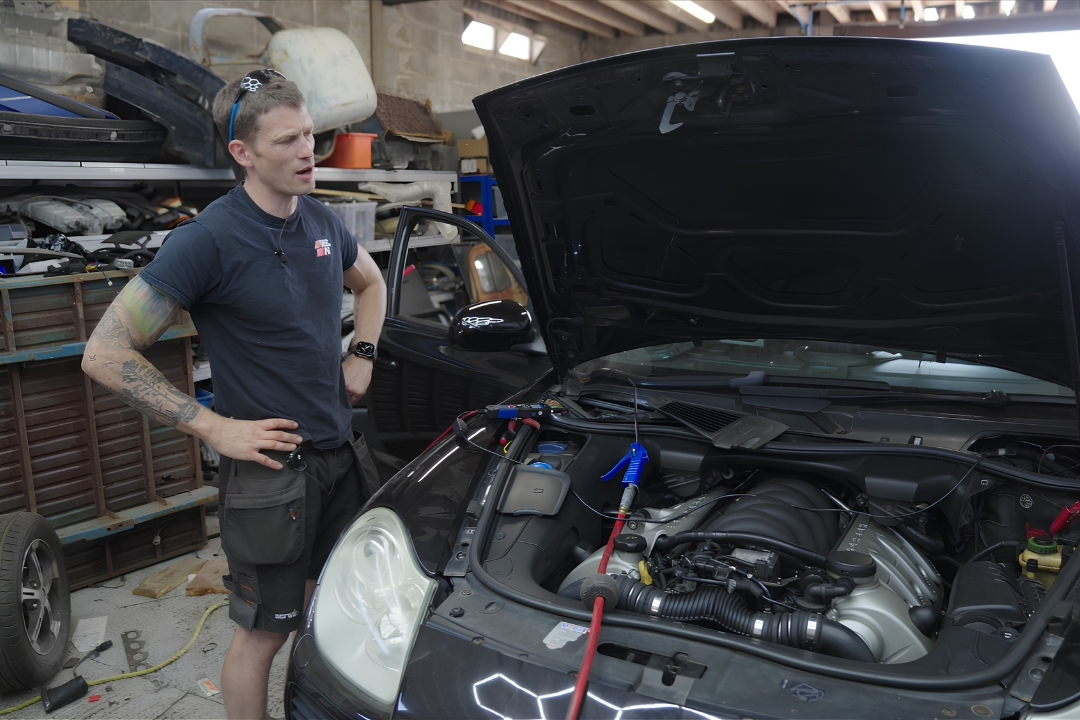
The driver described it as a cascade of small warnings that suddenly stopped being subtle. The idle turned rough, the acceleration felt sluggish, and there was a sharp, inconsistent rattle that didn’t match the “normal” hum they were promised. When the dashboard lit up again, it wasn’t just one light—it was the car’s version of a group chat blowing up at midnight.
They called the shop, expecting a quick “bring it back” or at least a little curiosity. Instead, they got the kind of reassurance that’s meant to calm you down but can land like a brush-off: it should be okay, just drive it a bit more. That advice aged poorly within minutes.
Enter the Tow Truck Driver, Unofficial Therapist for Car Problems
The tow truck driver arrived with the calm energy of someone who’s seen every variation of “it was fine five minutes ago.” While the driver explained what the shop had said, the tow truck driver did what experienced roadside pros often do: listened. Not just to the person, but to the car—its cranking sound, its idle, the rhythm of the misfire, and the little mechanical tells most people miss.
After a brief check and a short pause, they said the engine didn’t sound healthy, and it wasn’t something that would “settle down” with more driving. The tone wasn’t dramatic; it was practical, like someone pointing out the fridge is warm and the milk is definitely not going to fix itself. The driver later said that moment was both annoying and oddly comforting—annoying because it meant the shop might’ve missed something, comforting because someone was finally taking the symptoms seriously.
Why a Tow Truck Driver Might Catch What a Shop Missed
This isn’t a “shops are bad” story so much as a “cars are tricky” one. Repair shops are busy, diagnostics can be time-consuming, and some problems don’t show up neatly while a car is parked in a bay. A loose connection, an intermittent sensor, or a failing ignition component can behave perfectly for an inspection and then fall apart the second the engine heats up on the road.
Tow truck drivers, on the other hand, live in the world of worst-case timing. They meet cars at the exact moment they’ve decided to quit, which means they get a front-row seat to real symptoms, not just historical ones. They also hear hundreds of engines a month, so pattern recognition becomes second nature—like how a barista can tell the espresso machine is off just by the sound it makes.
The Sounds That Raise Eyebrows
The tow truck driver pointed out a couple of things that stood out right away: an uneven idle and a hiccup during throttle that suggested misfiring. Misfires can come from plenty of places—spark plugs, coils, fuel delivery issues, vacuum leaks—but the key detail was that it sounded persistent, not random. Persistent usually means “don’t keep driving this unless you enjoy expensive surprises.”
They also mentioned the smell. It wasn’t overwhelming, but it had that faint hot-metal-and-fuel edge that can show up when an engine is running poorly or overheating in spots. Smells are easy to dismiss until you realize your car is basically sending smoke signals in the only language it has.
What Happened Next at the Shop
The car was towed back, and the mood at the shop changed once it arrived on a flatbed instead of casually rolling in under its own power. Suddenly the issue wasn’t hypothetical. The driver explained what happened, including the tow truck driver’s concerns, and asked for a deeper diagnostic rather than another quick reassurance.
According to the driver, the second look revealed trouble the first check didn’t catch. The details varied depending on who told the story, but the themes were familiar: a fault code that didn’t show earlier, a component that tested “fine” cold but failed when warm, and at least one connection that looked secure until it was actually tugged and inspected. It wasn’t a single dramatic broken part—it was the kind of problem that hides until it’s forced into daylight.
The Real Lesson: “Fine” Isn’t a Diagnosis
“Fine” is a feeling, not a measurement. A proper diagnostic usually means reading codes, checking live data, verifying fuel and ignition behavior, and taking the car on a drive long enough to recreate the issue. If the problem is intermittent, that can take time—and time is the one thing everyone wishes cars didn’t require.
The driver didn’t expect perfection from the shop, but they did expect curiosity. What frustrated them most wasn’t that the problem existed, but that their concerns were treated like background noise. When someone says, “It feels different,” that’s often the best clue you’ll get, because the person who drives the car every day knows its normal better than anyone.
If This Happens to You, Here’s What Helps
First, trust patterns. If a noise, vibration, or warning light is repeatable, it’s real, even if it disappears the moment someone else looks at it. Record a quick video of the sound, note the conditions (speed, temperature, turning, braking), and mention whether it happens cold, warm, or only after driving for a while.
Second, be specific when you talk to the shop. Instead of “it runs weird,” try “it hesitates between 30–40 mph,” or “the idle shakes after 10 minutes of driving,” or “the check engine light flashes when climbing hills.” Specifics help a technician reproduce the problem, and reproduction is half the battle.
Third, don’t keep driving a car that’s actively losing power, flashing warning lights, or shaking hard. That’s not being cautious—that’s preventing a small issue from turning into an engine repair that ruins your whole month. If you’re stuck deciding between “maybe it’s fine” and “this feels wrong,” it’s usually cheaper to pick the option that doesn’t involve gambling with combustion.
Why the Tow Truck Driver’s Comment Landed So Hard
It wasn’t just the disagreement. It was the certainty that came from experience, delivered without drama. The tow truck driver didn’t need a scan tool to know something was off; they had the kind of mechanical intuition built from seeing what happens when people ignore the early signs.
In the end, the driver got the car back running smoothly—but not before an extra round of diagnostics, an awkward conversation, and a new appreciation for the person who shows up when your vehicle decides to have feelings. The shop said the engine was fine. The tow truck driver disagreed. And for once, the person with the winch and the steel cable had the clearer read on what “fine” really sounded like.
More from Fast Lane Only
- Unboxing the WWII Jeep in a Crate
- 15 rare Chevys collectors are quietly buying
- 10 underrated V8s still worth hunting down
- Police notice this before you even roll window down
*Research for this article included AI assistance, with all final content reviewed by human editors.