The automotive world is filled with unique creations, but some vehicles stand out for their unusual designs and concepts. Limited-production cars often serve as experimental platforms for manufacturers, resulting in some of the strangest vehicles ever made. Here, I explore a selection of these peculiar automobiles that dared to defy convention.
The Eccentric Designs

The Reliant Robin is perhaps one of the most iconic examples of eccentric automotive design. With its three-wheel configuration, the Robin challenged the traditional four-wheel layout that dominated the industry. Its single front wheel was notorious for causing the car to tip over during sharp turns, yet this quirk only added to its charm and cult status. Despite its instability, the Reliant Robin remains a beloved oddity among car enthusiasts.
Another standout is the Messerschmitt KR200, a vehicle that looks more like a small aircraft than a car. Developed by the German aircraft manufacturer Messerschmitt, the KR200 featured a bubble canopy and tandem seating, reminiscent of a fighter jet cockpit. This design was not just for show; it was a practical solution to post-war material shortages, utilizing aircraft manufacturing techniques to create a lightweight and efficient vehicle.
The BMW Isetta, often referred to as the “bubble car,” took microcar design to a new level with its unique front-opening door. This single door swung open to reveal the entire front of the vehicle, allowing easy access to the compact interior. The Isetta’s small size and distinctive appearance made it a popular choice in the 1950s, especially in urban environments where parking space was at a premium.
Unconventional Engineering
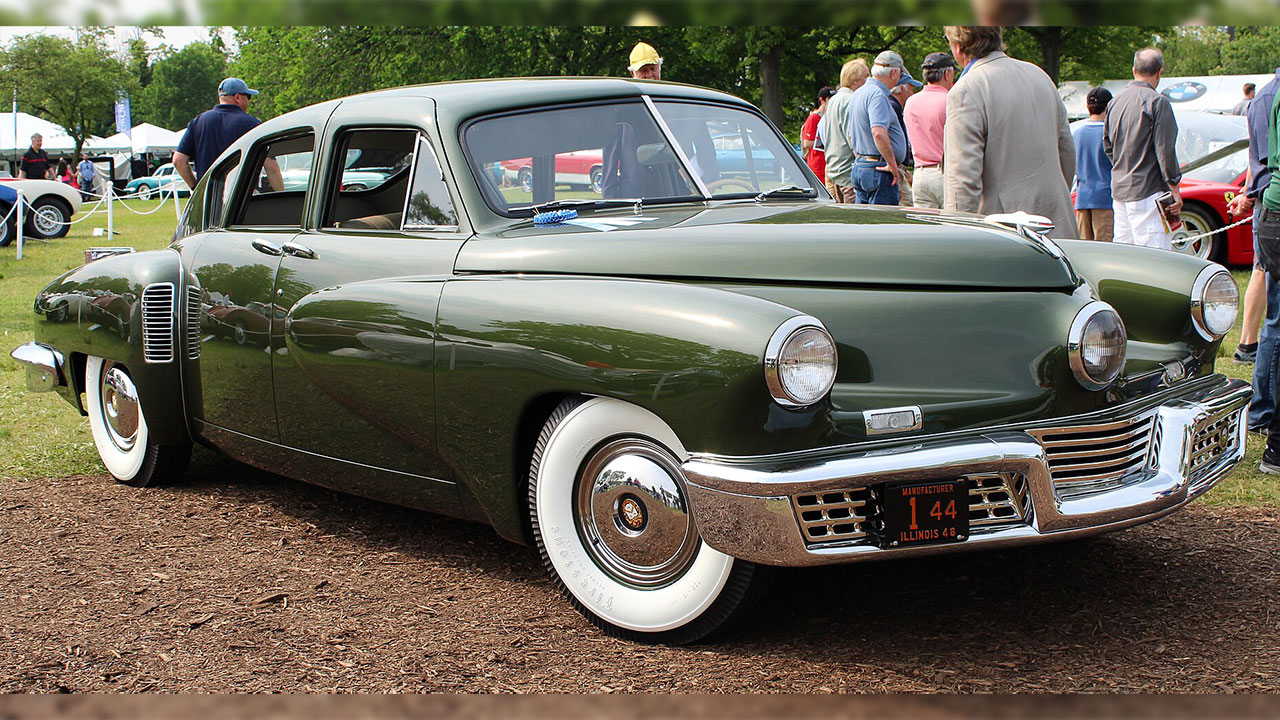
The Tucker 48, also known as the Tucker Torpedo, was a car that was truly ahead of its time. Designed by Preston Tucker, this vehicle featured a rear-mounted engine, a pop-out windshield, and a focus on safety that was unprecedented in the late 1940s. Although only 51 units were produced, the Tucker 48’s innovative design elements have left a lasting impact on automotive engineering.
In the realm of luxury and performance, the Citroën SM stands out as a remarkable blend of French and Italian automotive prowess. Equipped with a Maserati engine and advanced hydraulic suspension, the SM offered a driving experience that was both smooth and powerful. Its futuristic design and engineering made it a symbol of innovation during the 1970s, although its complexity also led to maintenance challenges.
The Amphicar Model 770 is a testament to the creativity and ambition of automotive engineers. This amphibious vehicle was capable of driving on both land and water, making it a versatile option for adventurous drivers. While its performance on both terrains was modest, the Amphicar’s unique capabilities and playful design have earned it a special place in automotive history.
Experimental Technologies
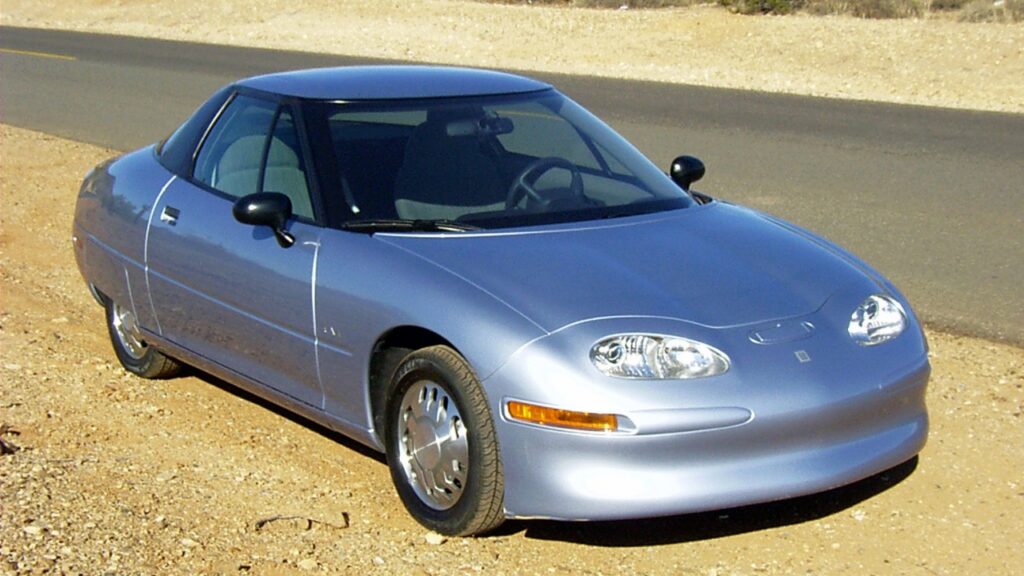
The GM EV1 was a groundbreaking vehicle in the realm of electric cars. Introduced in the mid-1990s, the EV1 was one of the first mass-produced electric vehicles, offering a glimpse into the future of sustainable transportation. Despite its innovative technology and dedicated fan base, the EV1 was controversially recalled and destroyed, leaving behind a legacy of what could have been.
Another vehicle that pushed the boundaries of conventional engineering was the Mazda RX-8. Known for its rotary engine, the RX-8 provided a unique driving experience characterized by high-revving performance and smooth power delivery. However, the rotary engine’s complexity and reliability issues ultimately limited the RX-8’s appeal, making it a rare find on today’s roads.
The DeLorean DMC-12 is perhaps best known for its role in the “Back to the Future” film series, but its real-world design is equally fascinating. With a stainless steel body and gull-wing doors, the DMC-12 was a striking vehicle that captured the imagination of car enthusiasts. Despite its futuristic appearance, the DeLorean faced numerous production challenges, resulting in a limited run and a lasting cult status.
Rare and Quirky Concepts
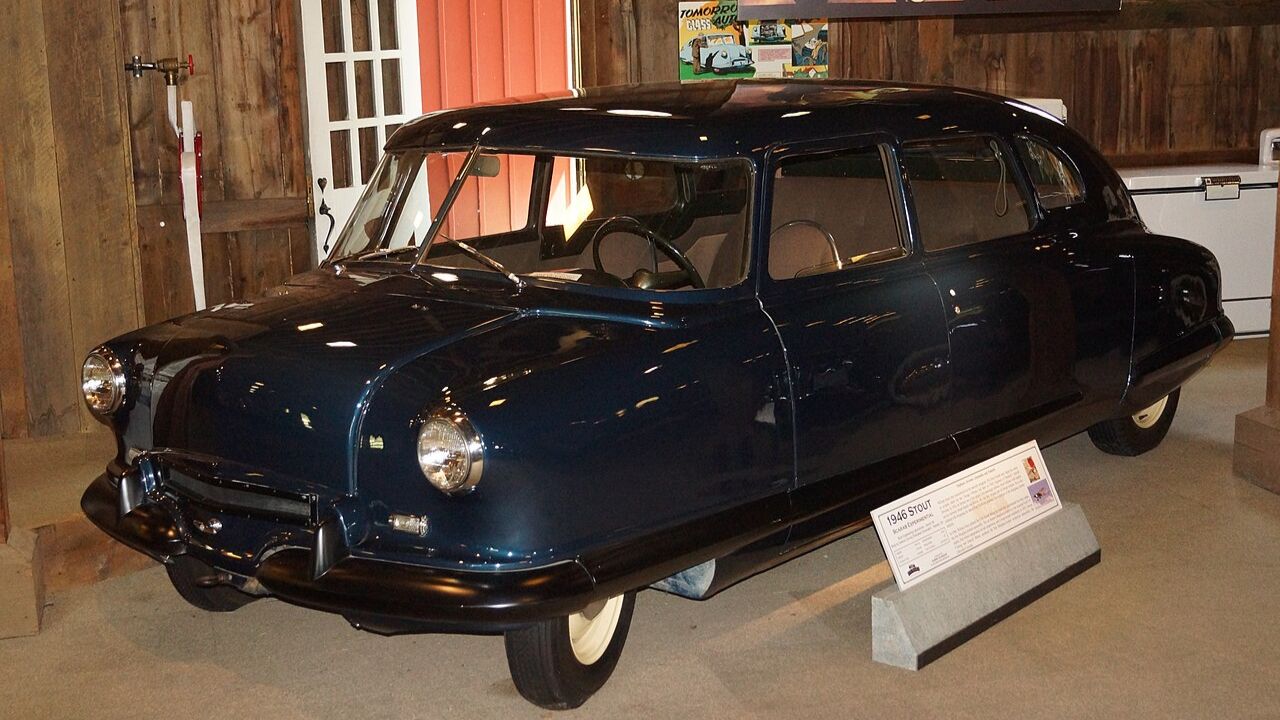
The Stout Scarab is often considered the world’s first minivan, featuring an innovative interior layout and art deco styling. Designed by William Bushnell Stout in the 1930s, the Scarab offered a spacious cabin with movable seats, allowing for a flexible and comfortable travel experience. Although only a handful were produced, the Scarab’s forward-thinking design has influenced countless vehicles since.
The Subaru XT, introduced in the 1980s, was a vehicle that embraced futuristic design and technology. Its wedge-shaped body and advanced features, such as a digital dashboard and pneumatic suspension, set it apart from other cars of its time. While the XT’s bold design was polarizing, it showcased Subaru’s willingness to experiment and innovate.
The Vector W8 is an American supercar that promised high performance through its aerospace-inspired design and technology. With a top speed of over 200 mph, the W8 was a formidable contender in the supercar arena. However, its ambitious engineering often led to reliability issues, making it a rare and sought-after collector’s item today.
Cultural Icons and Oddities
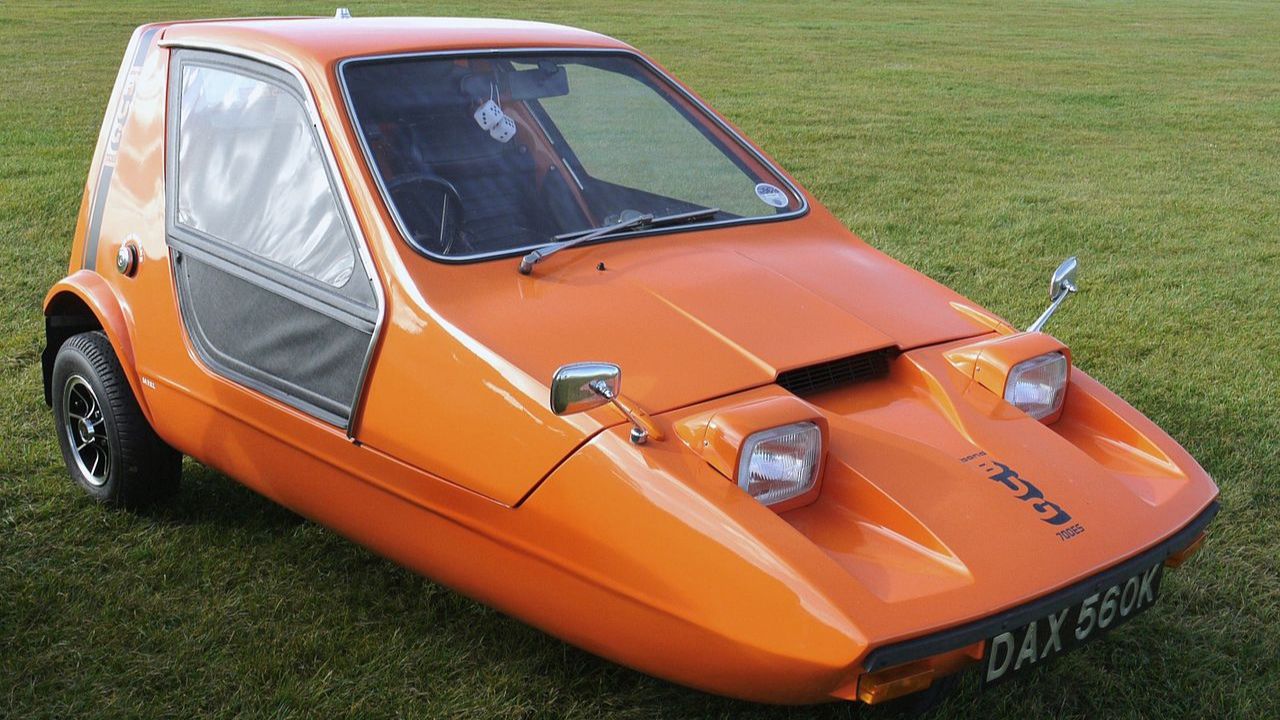
The Bond Bug is a vehicle that perfectly encapsulates the spirit of the 1970s with its bright orange color and unique styling. This three-wheeler was designed to be fun and affordable, appealing to a younger audience looking for something different. Its distinctive appearance and playful nature have made it a beloved icon of its era.
The Peel P50 holds the title of the smallest car ever produced, measuring just 54 inches long and 39 inches wide. This microcar was designed for city driving, offering a minimalist approach to transportation. Despite its tiny size, the P50 has become a symbol of efficient design and has even been featured in popular media, further cementing its status as a cultural icon.
The Fiat Jolly, with its wicker seats and fringed roof, was a beach car that exuded a sense of leisure and luxury. Often used by the elite as a summer vehicle, the Jolly was perfect for cruising along the coast in style. Its whimsical design and association with carefree living have made it a cherished classic among collectors.
Like Fast Lane Only’s content? Be sure to follow us.
Here’s more from us:
*Created with AI assistance and editor review.