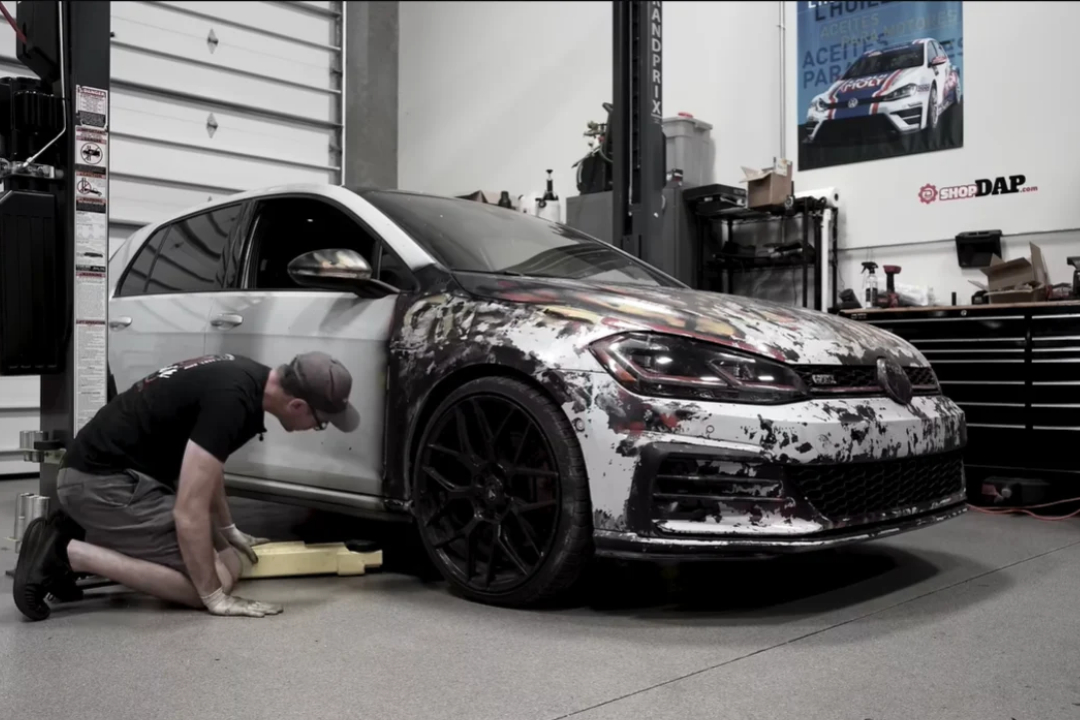
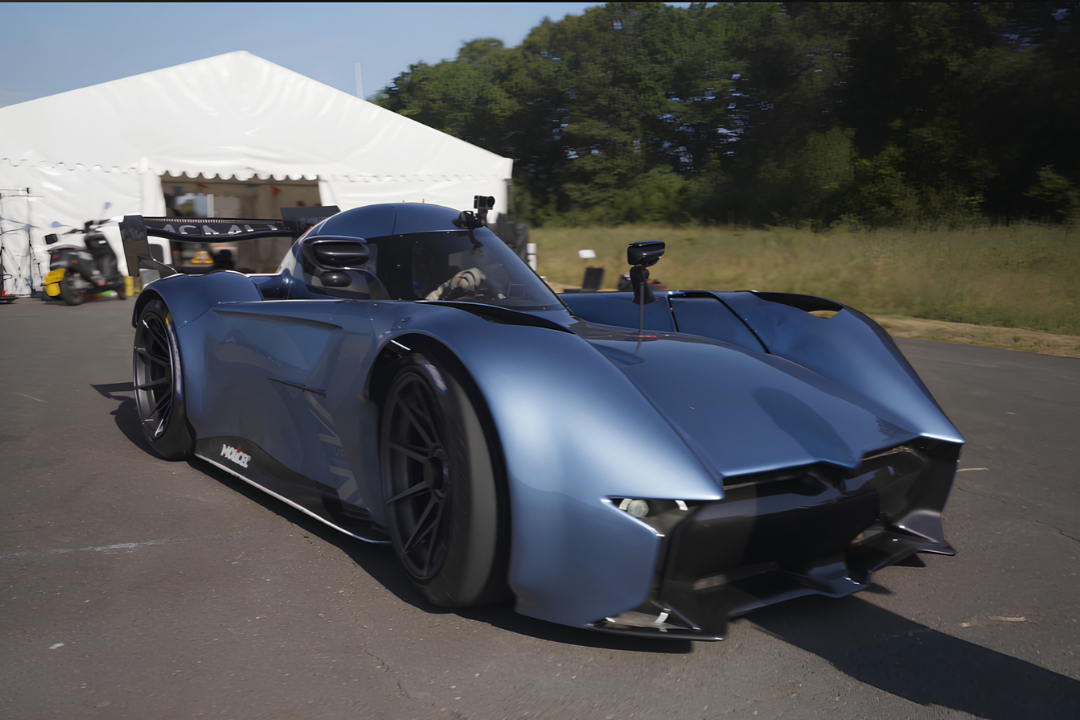
Rotary engines, known for their unique design and compact size, have been predominantly associated with Mazda. However, engineers and automotive enthusiasts have experimented with incorporating these engines into non-Mazda vehicles. These fascinating experiments offer insights into the potential they hold for the future of automotive engineering.
The Basics of Rotary Engines

Rotary engines, also known as Wankel engines, operate on a fundamentally different principle compared to traditional piston engines. Instead of pistons moving up and down within cylinders, rotary engines use a triangular rotor that revolves within an epitrochoidal housing. This design allows for a smoother and more compact engine, which can deliver a high power-to-weight ratio. The continuous rotary motion eliminates the reciprocating mass found in piston engines, resulting in less vibration and potentially higher RPMs.
When comparing rotary engines to traditional piston engines, several key differences emerge. Rotary engines are generally lighter and more compact, making them ideal for applications where space and weight are critical factors. However, they tend to have higher fuel consumption and emissions, which can be a disadvantage in an era increasingly focused on efficiency and environmental impact. Additionally, rotary engines often require more frequent maintenance due to their unique sealing requirements and higher operating temperatures.
Despite these challenges, rotary engines offer several advantages. Their simplicity and fewer moving parts can lead to increased reliability and lower production costs. The smooth power delivery and high-revving nature of rotary engines make them particularly appealing for performance-oriented applications. However, the disadvantages, such as lower thermal efficiency and higher emissions, have limited their widespread adoption in the automotive industry.
Notable Non-Mazda Rotary Engine Experiments
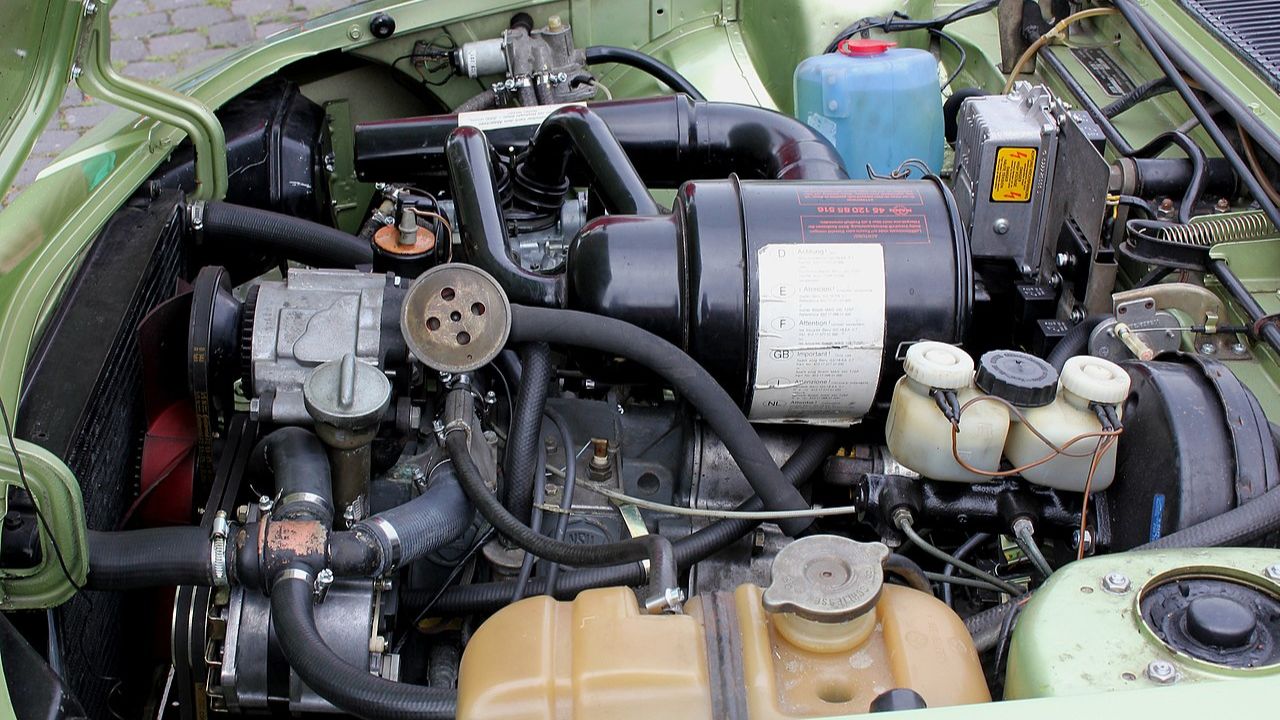
Throughout automotive history, several notable attempts have been made to integrate rotary engines into non-Mazda vehicles. One of the most famous examples is the NSU Ro 80, produced by the German automaker NSU from 1967 to 1977. The Ro 80 was a technologically advanced car for its time, featuring a 1.0-liter rotary engine that delivered smooth and powerful performance. Despite its innovative design, the Ro 80 faced reliability issues, particularly with the engine’s apex seals, which ultimately affected its commercial success.
Another interesting case is the Chevrolet Aerovette, a concept car developed in the 1970s. Initially designed to feature a rotary engine, the Aerovette was intended to showcase General Motors’ interest in alternative engine technologies. However, due to the oil crisis and changing market conditions, the project was eventually shelved, and the Aerovette never reached production. These historical attempts highlight both the potential and the challenges of integrating rotary engines into non-Mazda vehicles.
The impact of these experiments on the automotive industry has been significant, sparking interest and innovation in engine design. While many of these projects faced technical and commercial hurdles, they have contributed to a broader understanding of rotary engine technology and its potential applications. The lessons learned from these experiments continue to inform modern engineering efforts, as manufacturers explore new ways to harness the unique characteristics of rotary engines.
Technological Innovations and Challenges

Recent advancements in rotary engine technology have focused on addressing some of the traditional challenges associated with these engines. Innovations in materials and engineering have led to improved sealing technologies, which enhance reliability and reduce emissions. Additionally, advancements in fuel injection and combustion control have helped increase the efficiency of rotary engines, making them more competitive with traditional piston engines.
Adapting rotary engines to different car models presents several challenges. The unique shape and operating characteristics of rotary engines require careful integration into vehicle designs, often necessitating custom engineering solutions. Cooling and lubrication systems must be optimized to handle the higher operating temperatures, and exhaust systems need to be designed to manage emissions effectively. These challenges can increase development costs and complexity, which may deter some manufacturers from pursuing rotary engine projects.
Environmental and efficiency considerations are increasingly important in modern automotive applications. Rotary engines have traditionally struggled with higher emissions and fuel consumption compared to piston engines. However, ongoing research and development efforts are focused on improving these aspects, with the goal of making rotary engines a viable option for environmentally conscious consumers. The potential for rotary engines to be used in hybrid and electric vehicles also presents exciting opportunities for reducing their environmental impact.
Potential Future Applications

The future of rotary engines in the automotive market is filled with potential and uncertainty. As manufacturers continue to explore alternative powertrains, rotary engines may find new applications in niche markets where their unique characteristics offer distinct advantages. For example, their compact size and high power output make them well-suited for use in sports cars and other performance-oriented vehicles.
Rotary engines could also play a role in the development of hybrid and electric vehicles. Their compact design and smooth power delivery make them an attractive option for range extenders in plug-in hybrids, where they can provide additional power without taking up significant space. This application could help address some of the range limitations associated with electric vehicles, making them more appealing to a broader audience.
Predictions on the viability of rotary engines in sustainable automotive engineering remain mixed. While there are challenges to overcome, such as emissions and efficiency, the ongoing development of new technologies and materials offers hope for the future. As the automotive industry continues to evolve, rotary engines may find new life in applications that leverage their unique strengths while mitigating their traditional weaknesses.
Perspectives from Engineers and Enthusiasts
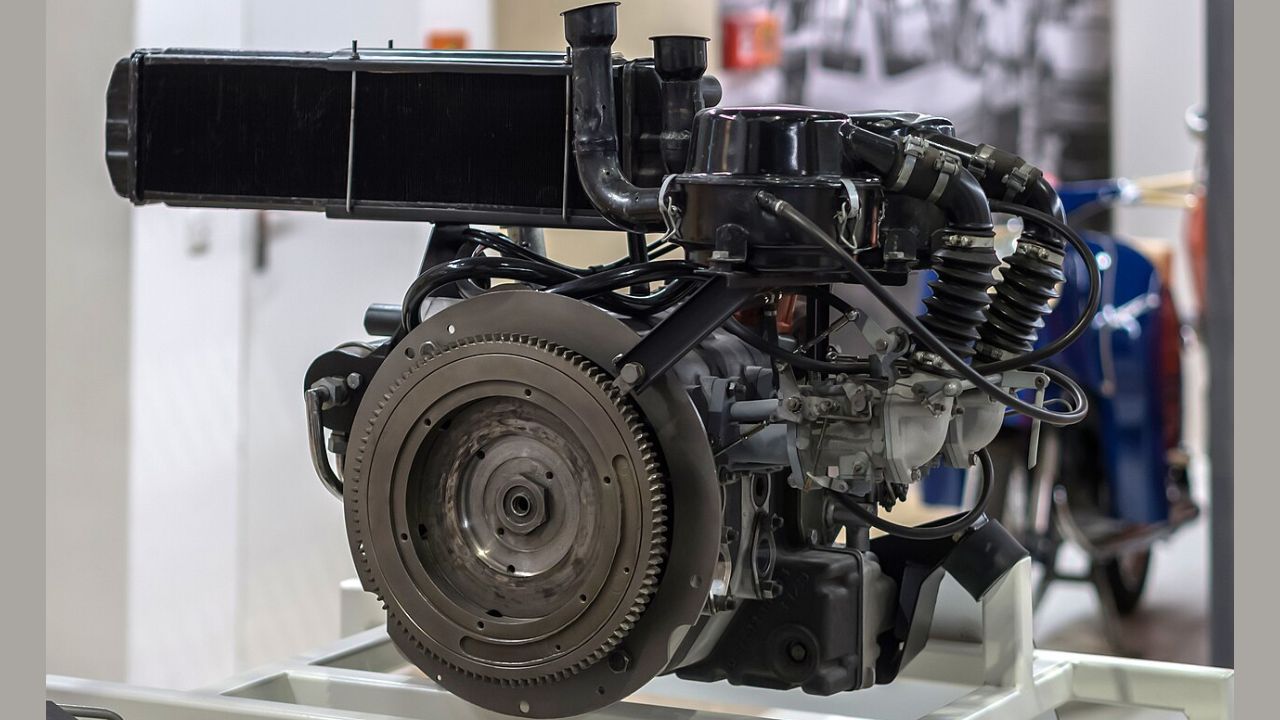
Insights from engineers who have worked on rotary engine projects provide valuable perspectives on the challenges and opportunities associated with these engines. Many engineers appreciate the simplicity and elegance of the rotary engine design, which offers unique engineering challenges and rewards. Their experiences highlight the importance of innovation and perseverance in overcoming the technical hurdles associated with rotary engines.
Automotive enthusiasts have also played a significant role in the ongoing interest in rotary engines. Many enthusiasts have undertaken their own experimental projects, integrating rotary engines into a variety of vehicles, from motorcycles to custom-built cars. These projects demonstrate the creativity and passion that rotary engines inspire, as well as the potential for these engines to capture the imagination of a new generation of automotive fans.
The community and cultural impact of rotary engines extends beyond Mazda, as enthusiasts and engineers around the world continue to explore their potential. Rotary engines have become a symbol of innovation and creativity in the automotive world, inspiring a dedicated following and a rich culture of experimentation and exploration. As the automotive industry continues to evolve, the legacy of rotary engines will likely continue to influence and inspire future generations of engineers and enthusiasts.
Like Fast Lane Only’s content? Be sure to follow us.
Here’s more from us:
*Created with AI assistance and editor review.