Bubble cars, with their distinctive rounded shapes and compact size, have captured the imagination of car enthusiasts and casual observers alike. These quirky vehicles, often associated with the post-war era, offer a unique blend of charm, nostalgia, and practicality. We explore the history, design, and enduring appeal of bubble cars.
The Origins of Bubble Cars
The economic landscape following World War II was marked by a need for affordable and efficient transportation. Many European countries were recovering from the devastation of the war, and there was a significant demand for vehicles that were economical both in terms of purchase price and fuel consumption. This environment set the stage for the development of bubble cars, which were small, lightweight, and inexpensive to produce. These vehicles provided a practical solution for individuals and families who needed reliable transportation without the high costs associated with larger cars.
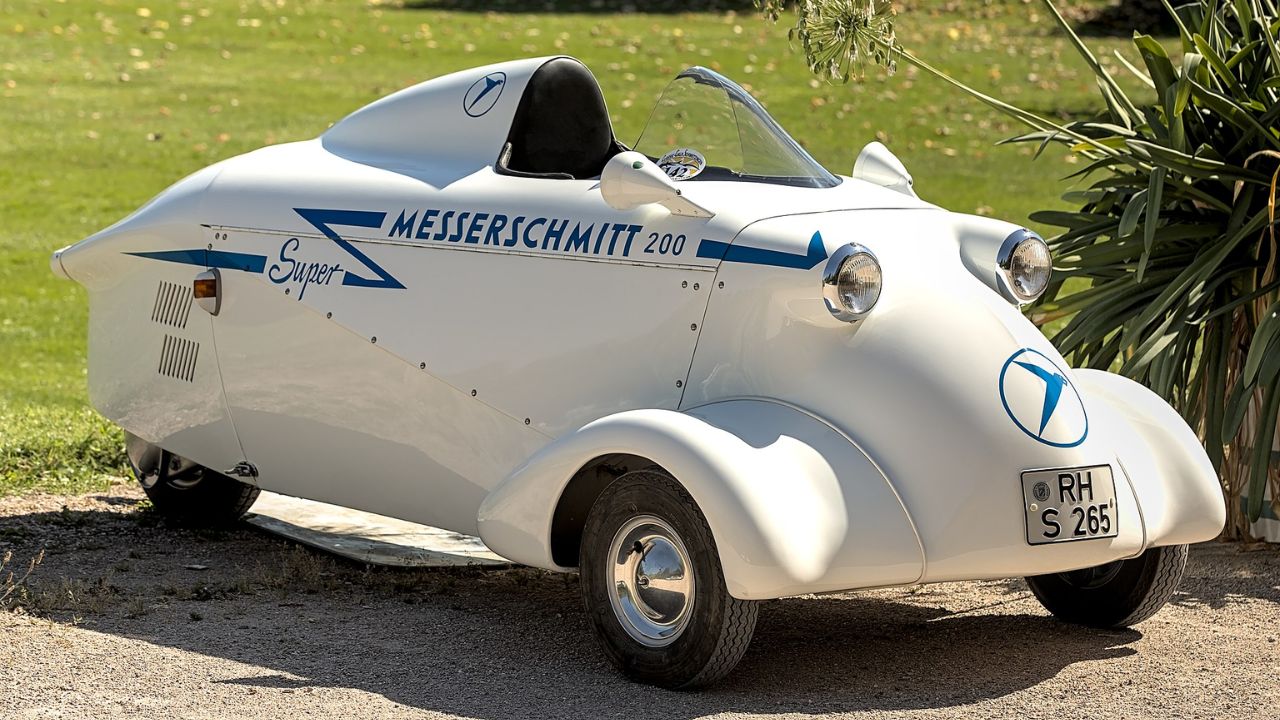
Key manufacturers quickly emerged in the bubble car market, each bringing their unique innovations to the table. BMW’s Isetta, for example, became one of the most iconic bubble cars, known for its distinctive front-opening door and compact design. Messerschmitt, a company originally known for its aircraft, introduced the KR200, which featured a tandem seating arrangement and a unique three-wheel design. Heinkel, another aircraft manufacturer, produced the Kabine, which was praised for its simplicity and efficiency. These manufacturers played a crucial role in popularizing bubble cars and setting the standard for their design and functionality.
Technological innovations were essential in making bubble cars feasible. The use of lightweight materials, such as aluminum and fiberglass, helped reduce the overall weight of the vehicles, improving fuel efficiency and performance. Additionally, the development of small, efficient engines allowed these cars to achieve impressive fuel economy, making them an attractive option for budget-conscious consumers. These engineering breakthroughs not only made bubble cars possible but also contributed to their widespread appeal during the post-war era.
Design and Aesthetic Appeal

Bubble cars are renowned for their unique design elements, which set them apart from traditional vehicles. Their rounded shapes and panoramic windows give them a distinctive appearance that is both futuristic and nostalgic. The minimalistic interiors of bubble cars often feature simple controls and seating arrangements, reflecting a focus on practicality and efficiency. These design choices were not only aesthetically pleasing but also functional, as they maximized interior space while keeping the overall size of the vehicle compact.
The design of bubble cars was heavily influenced by the cultural and social climate of the mid-20th century. This era was characterized by a sense of optimism and a fascination with the future, which was reflected in the sleek, streamlined designs of many consumer products, including automobiles. Bubble cars embodied this spirit, with their innovative shapes and forward-thinking features. The use of bright colors and bold styling further emphasized their modern appeal, capturing the imagination of consumers who were eager to embrace new technologies and ideas.
In addition to their aesthetic appeal, bubble cars were also highly practical, particularly in urban environments. Their compact size made them ideal for navigating crowded city streets and fitting into tight parking spaces. The efficient design of bubble cars also contributed to their functionality, as they offered excellent fuel economy and low operating costs. These attributes made bubble cars an attractive option for city dwellers who needed a reliable and economical mode of transportation.
The Quirkiness Factor

The playful and whimsical nature of bubble cars is one of their most endearing qualities. These vehicles have a personality and charm that resonates with enthusiasts and collectors alike. The unconventional design and unique features of bubble cars make them stand out on the road, turning heads and sparking conversations wherever they go. This quirkiness is a significant part of their appeal, as it allows owners to express their individuality and embrace a sense of fun and adventure.
The subculture of bubble car collectors is a testament to the enduring appeal of these vehicles. Enthusiasts gather at community events and car shows to celebrate their shared passion for bubble cars, showcasing their meticulously restored vehicles and sharing stories of their adventures. These gatherings foster a sense of camaraderie and connection among collectors, who appreciate the history and uniqueness of bubble cars. The community aspect of bubble car ownership adds another layer of enjoyment for those who are drawn to these quirky vehicles.
Bubble cars have also made a significant impact on popular culture, appearing in movies, TV shows, and advertisements. Their distinctive appearance and playful nature make them a popular choice for filmmakers and advertisers looking to capture the attention of audiences. From classic films to modern commercials, bubble cars have been featured in a variety of media, contributing to their quirky image and cementing their place in the cultural zeitgeist.
The Modern-Day Revival

In recent years, there has been a resurgence of interest in bubble cars, driven in part by nostalgia and retro revival trends. As consumers seek to recapture the charm and simplicity of the past, bubble cars have become a symbol of a bygone era that continues to captivate the imagination. This renewed interest has led to an increase in demand for vintage bubble cars, as well as a growing market for restoration services and parts.
Contemporary manufacturers and designers have also been inspired by bubble cars, incorporating their distinctive features into new vehicle concepts. These modern reinterpretations often blend the classic design elements of bubble cars with cutting-edge technology and sustainable materials, creating vehicles that pay homage to the past while embracing the future. This fusion of old and new has resulted in innovative designs that appeal to a new generation of consumers who value both style and sustainability.
Environmental considerations have also played a role in the modern-day revival of bubble cars. As concerns about climate change and resource conservation continue to grow, there is an increasing demand for vehicles that are both efficient and environmentally friendly. Bubble cars, with their compact size and efficient design, offer a viable solution for eco-conscious consumers. By reducing fuel consumption and minimizing environmental impact, these vehicles align with the values of those who are committed to sustainable living.
Like Fast Lane Only’s content? Be sure to follow us.
Here’s more from us:
*Created with AI assistance and editor review.