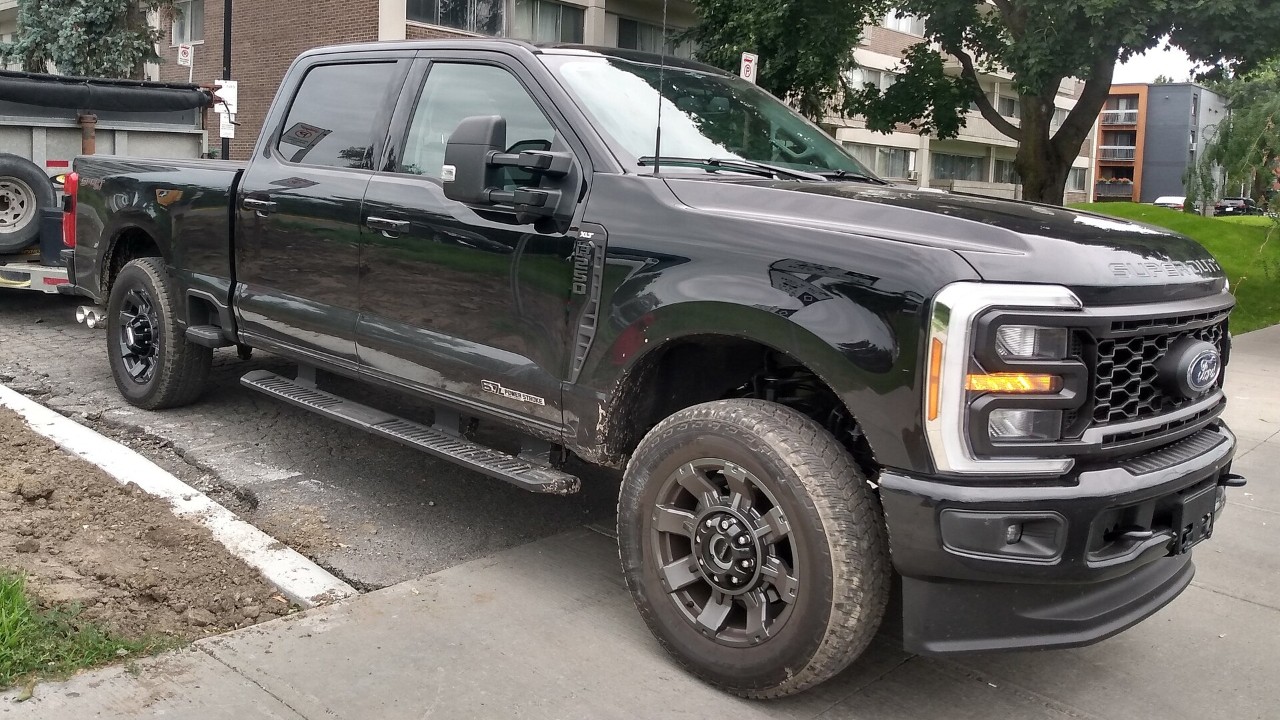
Ford is recalling 41,748 trucks and SUVs because their LED headlights can dim or stop working. This Super Duty headlight recall covers 2026 F-250 through F-550 pickups and 2025 to 2027 Expedition SUVs. The root cause is tiny: contaminated LED chips from a supplier three steps down the parts chain.
Ford itself expects only a small share of the vehicles to have a bad chip. However, Ford’s remedy calls for a dealer to inspect the headlamps on every vehicle in the recall.
The fix is free, and owner letters start going out in late October. Here is what the federal filing says, which vehicles are included and how Ford found the problem.
Which vehicles are in the Super Duty headlight recall
The recall is NHTSA campaign 26V606, and Ford’s own number for it is 26C43. According to the NHTSA recall record, the agency received Ford’s report on September 22, 2026. In total, it lists 41,748 potentially affected vehicles.
Most of them are heavy-duty pickups. In fact, Ford’s Part 573 safety recall report counts 17,512 F-250 Super Duty trucks and 10,295 F-350s, all from the 2026 model year. It adds 523 F-450s and 120 F-550s, which brings the Super Duty share to 28,450.
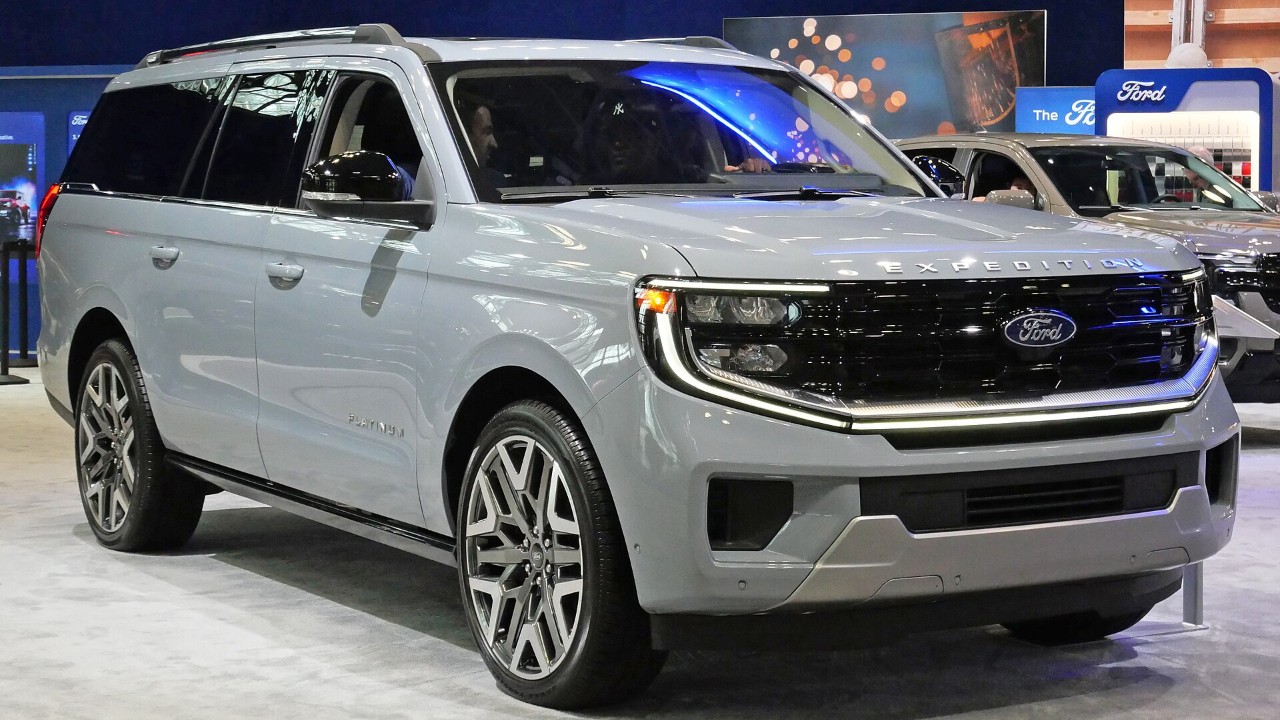
Meanwhile, the rest are SUVs. Specifically, the report lists 13,298 Ford Expeditions from the 2025, 2026 and 2027 model years. That makes the Expedition the only vehicle here that spans more than one model year.
What happens to the lights
However, the symptoms differ between the two vehicles. On the Super Duty, Ford says the daytime running lamps and parking lamps “may experience diminished or inoperative” output. On trucks with LED reflector headlamps, the low beams and high beams can also dim or go out.
The Expedition’s issue is narrower. According to the filing, SUVs with LED reflector headlamps “may experience diminished or inoperative low beams and/or high beams.” As a result, the driver can lose some of the light needed to see the road at night.
For its part, NHTSA puts the risk plainly. “A loss of exterior lighting can reduce visibility, increasing the risk of a crash,” the agency’s summary says. NHTSA also notes that the affected lamps fail to comply with Federal Motor Vehicle Safety Standard 108, the federal rule for vehicle lighting.
A contaminated chip three suppliers down
The headlamps come from Flex N Gate, which Ford’s filing lists at a facility in Effingham, Illinois. However, Flex N Gate didn’t make the faulty part. Instead, the filing says the LED chips “may have been exposed to contamination at the chip supplier’s manufacturing facility.”
That chip maker sits at Tier 3 in Ford’s supply chain. In other words, it supplies a company that supplies Flex N Gate, which then supplies Ford. Autoevolution describes it the same way in its September 30 report.
Ford also put a number on the scale of the problem. The company estimates that 1% of the recalled vehicles have the defect. Autoevolution notes that “only 1 percent of the 41,748-vehicle population actually contains bad chips,” according to Ford.
How Ford found it
First, the trail started with warranty claims. On May 21, 2026, according to the filing, Ford’s Supplier Technical Assistance team took a concern about inoperative LED headlamps on 2026 Super Duty trucks to the company’s Critical Concern Review Group.
From there, Ford used warranty returns and supplier shipping records to narrow down the trucks. The filing says that work set an initial suspect build range at Ford’s Kentucky Truck Plant. Later, supplier traceability data refined the dates.
The final ranges are about a year long. Ford’s filing gives Super Duty build dates from August 4, 2025, to August 4, 2026. For the Expedition, the range runs from June 24, 2025, to July 2, 2026.
So far, the problem has stayed small. As of September 10, 2026, Ford knew of six warranty claims and six field reports. The company also reported no accidents and no injuries tied to the defect.
What owners should do
The fix starts with an inspection. According to Ford’s filing, dealers will inspect both the left and right headlamp assemblies. If a lamp passes, no further work is needed. If it fails, the dealer replaces the headlamp, and there is no charge for the service.
Ford and Lincoln dealers will both handle the work, the filing says. As for timing, NHTSA’s record says owner notification letters are expected starting October 26, 2026. NHTSA adds that affected VINs become searchable on its website from the same date.
Owners can also call Ford customer service at 1-866-436-7332 and give recall number 26C43. That number, along with NHTSA’s campaign number 26V606, appears in the federal record for all 41,748 vehicles.
More from Fast Lane Only
- Unboxing the WWII Jeep in a Crate
- 15 rare Chevys collectors are quietly buying
- 10 underrated V8s still worth hunting down
- Police notice this before you even roll window down
This article was created with the help of AI and was reviewed and edited by Fast Lane Only editors before publication.