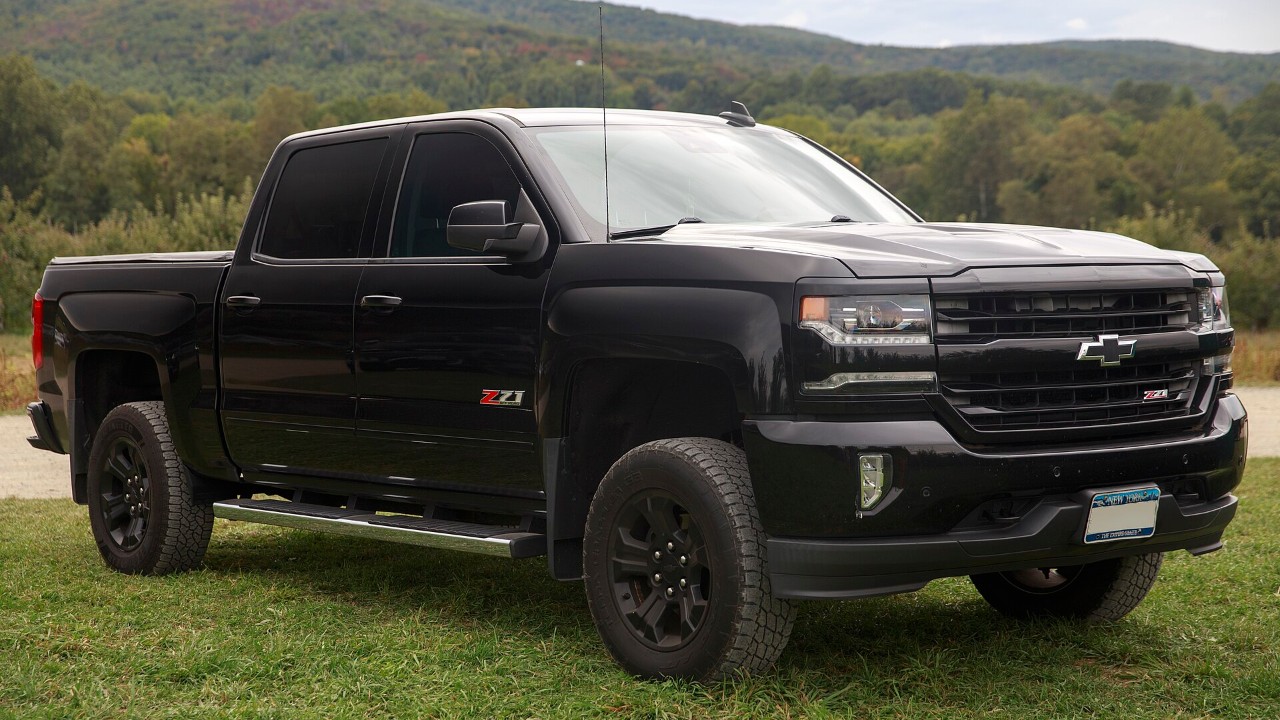
General Motors is recalling 1,559 crew-cab Chevrolet Silverado and GMC Sierra pickups because a roof-rail airbag inflator can rupture. This Silverado airbag recall is small, but the defect is serious. Also, GM’s filing says the trucks all trace back to one short stretch of supplier production in the spring of 2016.
The roof-rail airbags are the curtain bags that drop down along the side windows in a crash. In the affected trucks, part of the inflator can break loose when the bag deploys. As a result, federal regulators warn that this can send metal pieces into the cabin.
GM learned of the problem from a single owner in July. So here is what the company’s filing says, which trucks it covers and what owners should expect next.
Which trucks the Silverado airbag recall covers
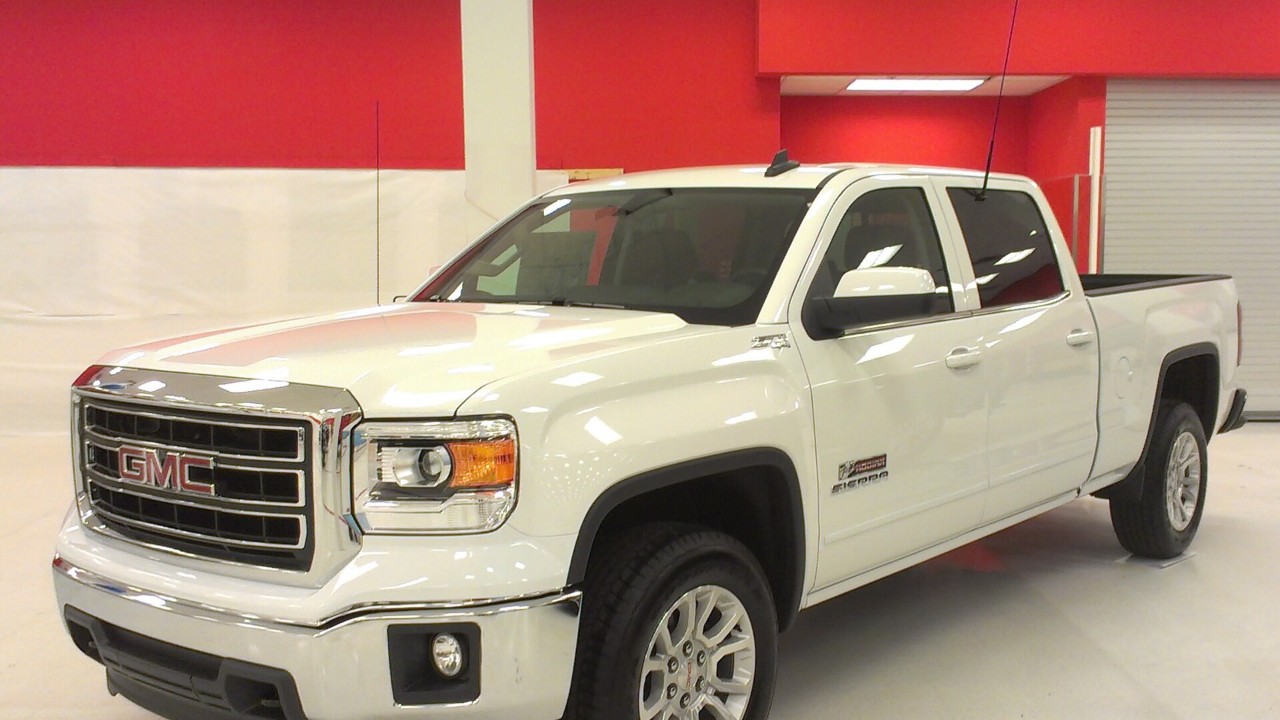
The recall is NHTSA campaign 26V611, and GM’s own number for it is N262569920. According to the NHTSA recall record, the agency received GM’s report on September 24, 2026. In total, the record lists 1,559 potentially affected trucks.
Every truck on the list is a crew cab. However, the model years differ by model, so the split matters. In fact, GM’s Part 573 safety recall report breaks the population down by model and year.
On the Chevrolet side, the 2016 Silverado 1500 accounts for 723 trucks, while the 2017 Silverado 1500 adds just two. Next come 292 Silverado 2500s and 33 Silverado 3500s, all from the 2016 model year.
Similarly, GMC’s share starts with 329 Sierra 1500s from 2016 and two from 2017. After that, the list adds 145 Sierra 2500s and 33 Sierra 3500s, again all 2016 models.
In other words, only four of the trucks are 2017 models, and all of them are light-duty 1500s. Every 2500 and 3500 in the recall is a 2016 model.
What can go wrong with the inflator
First, some background: an airbag inflator is a small metal canister that holds compressed gas. When the bag deploys, that gas inflates it. According to GM’s report, the inflators in these trucks “may contain a manufacturing defect that may result in inflator end cap separation or inflator sidewall split.”
NHTSA then spells out the consequence. A detached end cap or a rupture “can allow compressed gas to escape and project the end cap or fragments of the inflator into the vehicle, increasing the risk of injury.”
The problem can affect the left or the right side of the truck. As a result, the fix covers both roof-rail airbags on every truck, not just one.
How a crack and a few drops of water caused it
GM’s report names the supplier as Joyson Safety Systems, at a plant in Valle Hermoso, Mexico. The cause, according to the filing, was “a small crack in the inflator canister introduced during manufacturing along with a small amount of water inadvertently being left in the canister after the washing process.”
Autoevolution, which reviewed the same documents, describes the result as stress-corrosion cracking. In plain terms, a manufacturing crack plus trapped moisture left the canister weak. This is not a Takata recall, either. The supplier here is Joyson, and the defect is a specific production flaw.
GM also limited the recall carefully. The company says it used part traceability data to find the trucks that received inflators from the same supplier production lot, numbered B116B. Production dates in the filing run from April 30 to May 11, 2016, depending on the model.
The one truck that started it
By comparison, the chronology in GM’s report is short. On July 20, 2026, a customer called GM about a possible rupture of the left-side roof-rail airbag in a 2016 Silverado 1500. The report says it happened shortly after the owner began driving. A GM investigator then filed a report to the company’s Speak Up For Safety program the next day.
Later, GM inspected the truck on August 28, 2026. Its report says the inspection found an inflator sidewall split, along with damage to the headliner and the roof of the truck. Then, on September 17, GM’s safety decision group decided to recall every truck with inflators from that lot.
Fortunately, no one suffered serious injuries. According to GM’s filing, the truck’s occupants “reported ringing in their ears,” and no other injuries were reported. GM estimates that about 1% of the 1,559 trucks actually have the defect.
What owners should do now
Happily, the remedy is a simple parts swap. NHTSA says dealers “will replace both RRAB modules, free of charge.” Autoevolution adds that technicians will install replacement modules built by Joyson outside the suspect production window.
GM notified its dealers on September 24, 2026, the same day it filed. Meanwhile, NHTSA expects GM to mail owner letters on November 9, 2026. Owners don’t have to wait for the letter, though. They can enter their 17-digit VIN on NHTSA’s recall lookup site or call their brand directly.
Chevrolet’s customer service number is 1-800-222-1020, and GMC’s is 1-888-988-7267. For reference, GM’s recall number is N262569920, and NHTSA’s campaign number is 26V611. Both numbers appear in the federal record, which also confirms the November 9 date for owner letters.
More from Fast Lane Only
- Unboxing the WWII Jeep in a Crate
- 15 rare Chevys collectors are quietly buying
- 10 underrated V8s still worth hunting down
- Police notice this before you even roll window down
This article was created with the help of AI and was reviewed and edited by Fast Lane Only editors before publication.