Supercars have a reputation for drama, both on the road and in the workshop, yet a handful of exotic machines quietly rack up serious mileage with the composure of a family sedan. Long-term owners are proving that with the right engineering and maintenance, some of the fastest cars on sale can also be the least stressful to live with. I set out to focus on the rare performance cars that combine genuine supercar pace with durability that stands up to years of real-world use.
Porsche 911: Everyday usability with supercar pace
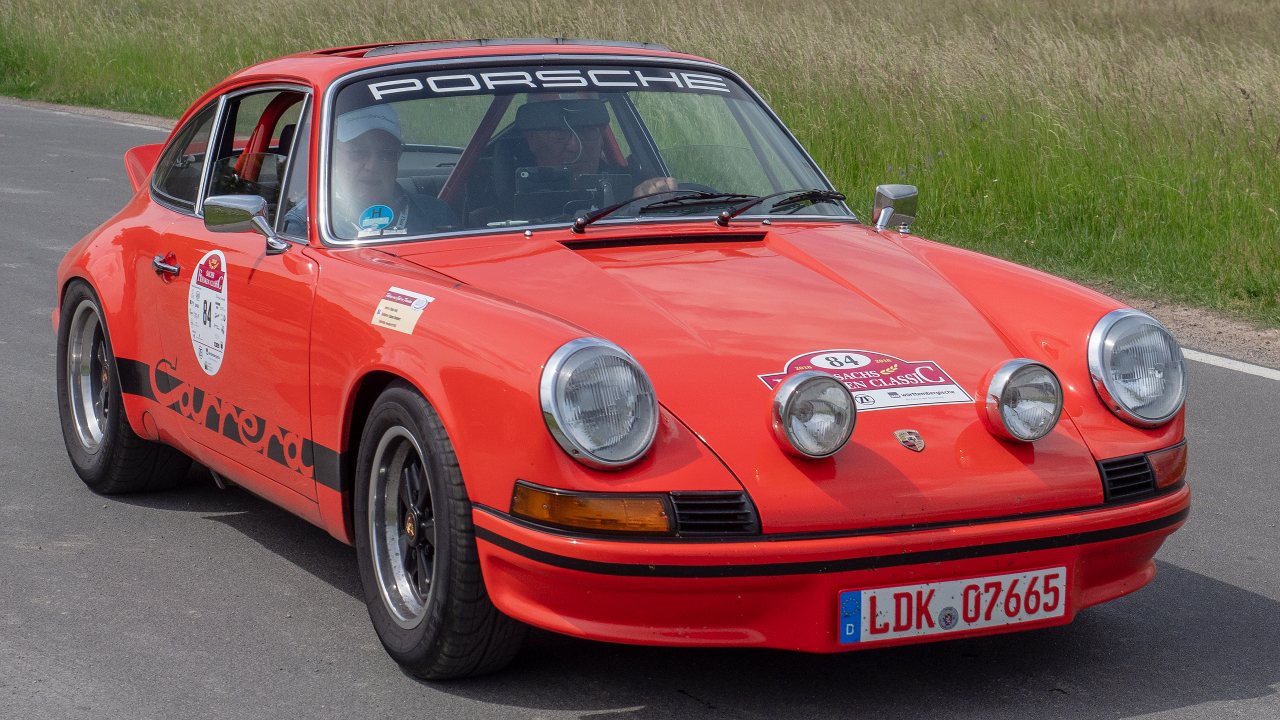
Among modern performance cars, the Porsche 911 has become shorthand for speed you can actually use every day. Owners routinely treat it as a primary car rather than a weekend toy, and the reliability stories that surface around the model are unusually consistent for something this quick. One driver on a popular enthusiast forum described having two 911s, a 2006 and a 2008, and putting a total of 60,000 miles on both with no issues, even though they were already eight years old when purchased. That kind of experience helps explain why the 911 keeps appearing in discussions about which supercar is cheapest to maintain.
Specialist dealers that track long-term ownership costs also tend to place the 911 near the top of their reliability shortlists. One performance-focused retailer grouped the 911 and the 911 GT3 RS among its Top Picks of Most Reliable Supercars, highlighting how the platform’s engineering and parts support keep running costs in check compared with more temperamental exotics. Enthusiasts on another forum even frame Porsche as the “Toyota” of supercars, pointing to the brand’s habit of supporting prior-generation cars with updated components, such as modern head units that retrofit into older models. That combination of robust hardware and long-term factory backing is a big part of why a 911 can feel less like a fragile collectible and more like a very fast, very well-sorted daily driver.
Audi R8: The “world’s most reliable supercar”
If the 911 is the default answer for a practical sports car, the Audi R8 is the one that keeps surprising people who assume mid-engined exotics must be fragile. The R8’s naturally aspirated V10 and all-wheel-drive layout deliver performance that comfortably sits in supercar territory, yet its reputation among owners is closer to that of a premium German sedan. One performance dealership even describes The Audi R8 as “the world’s most reliable supercar” and “the most likely to be driven daily,” a telling choice of words from a business that sees how these cars age in the real world.
Independent lists of dependable exotics back up that perception. A specialist ranking of long-lived performance machines places the Audi R8 V10 alongside stalwarts like the Porsche 911 Turbo and Lamborghini models, emphasizing that the car’s shared components with other high-volume Audi products help keep parts availability and servicing relatively straightforward. That shared DNA matters for long-term ownership, because it means an R8 owner is not entirely at the mercy of bespoke, low-volume components. When a mid-engined supercar can be serviced by technicians familiar with the brand’s broader lineup, and when its core mechanicals are known quantities, the odds of it remaining dependable well past the warranty period rise sharply.
Honda / Acura NSX: Supercar looks, Honda longevity
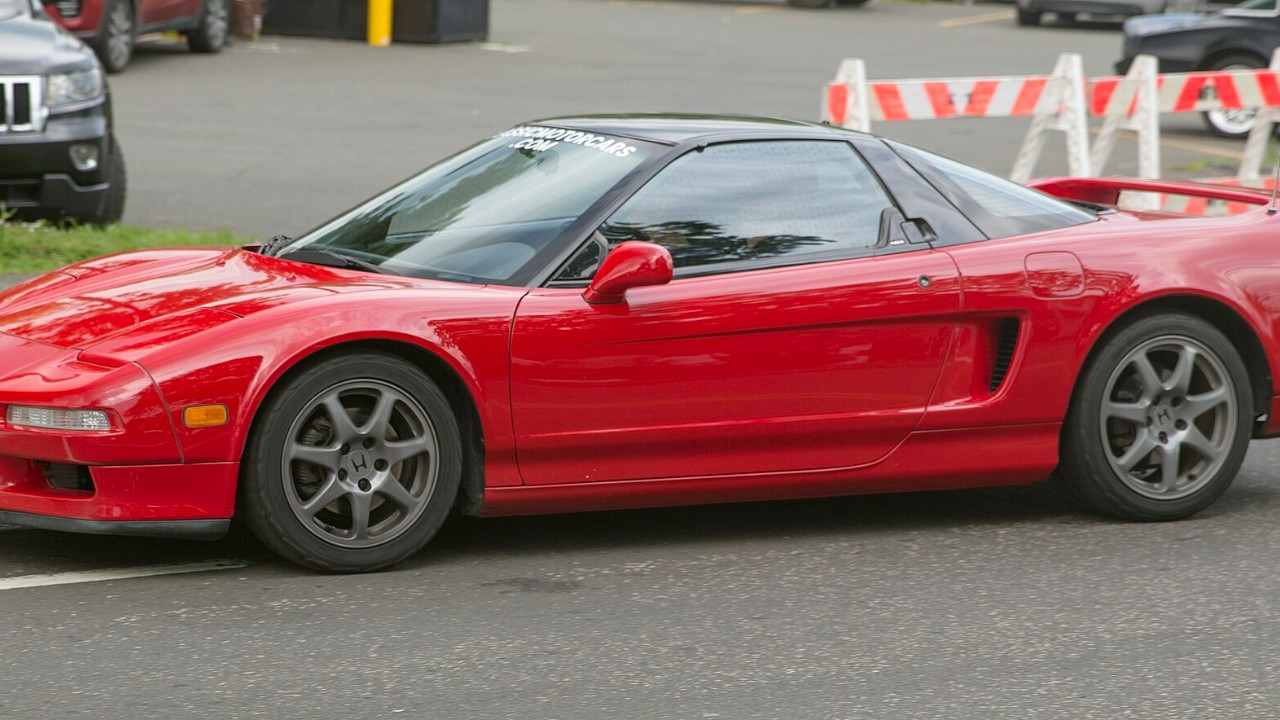
Few cars have done more to rewrite expectations around exotic reliability than the original Honda / Acura NSX. From the outset it was engineered to deliver Ferrari-level performance with the everyday manners of a mainstream Japanese coupe, and long-term mileage figures suggest that goal was not marketing spin. Reporting on first-generation cars notes that NSX examples with 200,000-mile odometer readings are not actually rare, a remarkable statistic for a low-slung, mid-engined machine that debuted in the early 1990s. That kind of usage pattern is more typical of family sedans than hand-built supercars.
The NSX’s durability also fits neatly into a broader pattern of long-lived Japanese premium cars. Owners discussing Acuras after 100,000 miles often highlight how these vehicles, when serviced on schedule, continue to feel tight and dependable well into six-figure mileage. That reputation is frequently contrasted with older Nissans that require more intensive maintenance, such as timing belt replacements, to stay in top form. When a mid-engined halo car shares its underlying philosophy with a brand known for building reliable daily drivers, it is less surprising that owners feel comfortable piling on miles instead of treating the car as a fragile museum piece.
Lexus LFA: Hypercar engineering with surprising toughness

The Lexus LFA sits at the opposite end of the rarity spectrum from the NSX, yet it tells a similar story about how careful engineering can make extreme performance sustainable over time. Built in tiny numbers with a screaming V10 and a price tag to match, it could easily have become a temperamental collectible. Instead, long-term owners describe an almost eerie robustness. One LFA driver nicknamed the car The Terminator, crediting its reliability to the LFA’s meticulous design and production and noting that such bulletproof behavior in a car of this type “seems like a foregone impossibility.” That kind of testimony is rare in the world of ultra-low-volume exotics.
The engineering decisions behind the LFA help explain why it has held up so well. The car’s V10 revs so quickly that it required a digital tachometer to keep up with engine speed, and the engine reportedly weighs less than a comparable V8, reducing stress on the front end. Enthusiast discussions around the model also point out that high-revving engines can be designed for longevity, with one debate about the LFA’s durability referencing very high-revving units that make it to 300,000 miles or more when properly maintained. In that context, the LFA’s combination of exotic materials, careful assembly and conservative ownership patterns gives it a realistic shot at outlasting many more common performance cars, even if most examples will never see the kind of mileage that proves the point conclusively.
Corvette and other “affordable” exotics that stay dependable
Not every long-lived supercar carries a six-figure price tag. The Chevrolet Corvette has long been the American answer to European exotics, and newer generations have paired serious performance with maintenance costs that look modest next to Italian rivals. A recent rundown of Affordable Supercars That Won’t Bankrupt You With Maintenance Costs highlights the Chevrolet Corvette C6 Z06 as a prime example, noting that its parts and servicing demands are closer to those of a mainstream performance car than a hand-built exotic. That makes it a realistic long-term proposition for owners who want supercar speed without supercar-sized repair bills.
Broader reliability rankings also show how some luxury brands have quietly built reputations for durability that carry over into their faster models. A survey of Our Top Picks for the Most Reliable Luxury Cars singles out the Most Reliable Luxury Car, the Lexus IS, and notes that There is a lot to love about its dependability. While the IS is not a supercar, the same engineering culture underpins halo products like the LFA. Similarly, a broader look at premium vehicles points out that At the heart of every luxury vehicle lies exceptional engineering prowess, with meticulous craftsmanship and advanced suspension and aerodynamic designs. When that mindset is applied to high-performance flagships, the result is often a car that can handle both track days and years of commuting without feeling fragile.
Why some supercars last: engineering, maintenance and mindset
Looking across these examples, a pattern emerges. The supercars that age gracefully tend to come from brands that already prioritize reliability in their mainstream models, and they often share components or philosophies with more common vehicles. That is as true for the NSX’s link to everyday Acuras as it is for the R8’s connection to the wider Audi lineup. Owners and dealers who see these cars over long periods also stress that regular servicing is non-negotiable. One vintage Mercedes owner, reflecting on a classic performance model, put it simply: Part of what makes these cars so great is that they are relatively easy to maintain and “they will run forever if properly maintained.” That logic applies even more strongly to modern exotics with robust parts support.
Safety and durability technology also play a quiet but important role. Modern premium SUVs, for example, are marketed as trusted long-term options partly because features like Pro Safety suites and solid crash performance contribute to their reliability as ownership propositions. And of course, that same engineering mindset filters into performance flagships, where advanced materials, electronic safeguards and carefully tuned suspension systems help protect both the car and its occupants over time. When manufacturers combine that technology with a commitment to supporting older models, and when owners treat scheduled maintenance as part of the cost of entry, the idea of a “shockingly reliable” supercar stops sounding like a contradiction and starts looking like a realistic long-term plan.