Supercar bragging rights used to belong almost exclusively to million-dollar exotics, but the numbers now tell a different story. Modern performance cars with relatively attainable price tags are matching or beating the acceleration and lap times of revered halo machines, quietly shifting what “ultimate” performance really means. The new hierarchy is being written by cars that cost a fraction of the old guard yet run neck and neck with them on the stopwatch.
The Corvette that hunts exotics
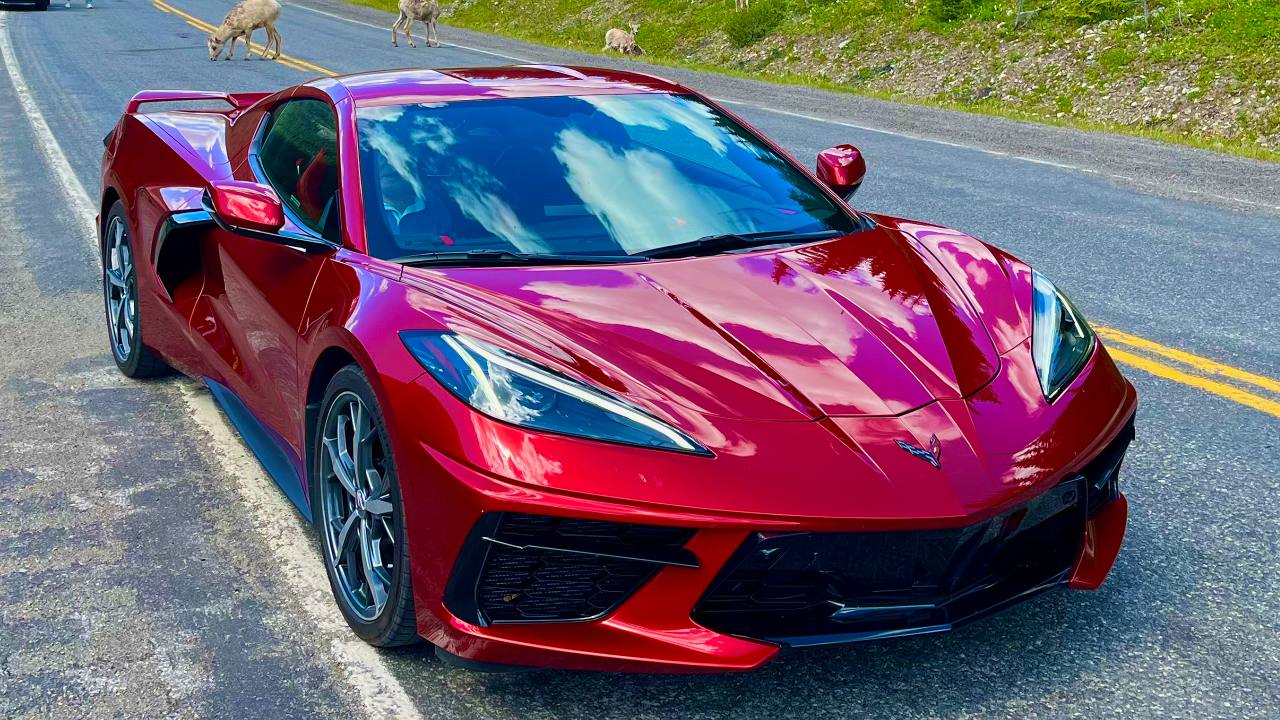
The clearest symbol of this power shift is the mid-engined Chevrolet Corvette, a car that was engineered to punch far above its price bracket. In base C8 form, it has already been clocked sprinting to 60 M P H in a window that puts it in direct contention with seven-figure machinery, which is why detailed comparisons now track how the Corvette Outruns These rivals from 0 to 60 M P H. The Chevrolet Corvette is not just quick for the money, it is objectively fast enough that some traditional supercars and even hypercars need more distance to hit the same benchmark.
That reality becomes stark when you line the C8 up against a list of high-dollar exotics that are slower to 60 M P H. Reporting on modern performance matchups shows that several prestige models, including cars that trade heavily on their badge and exclusivity, trail the Corvette in the standard 0 to 60 M P H test, even though they cost several times as much. One detailed rundown of “high-dollar exotics slower than the Chevy C8 Corvette” highlights how a modern American mid-engined sports car can embarrass machines that once defined the segment, underscoring how far accessible engineering has come compared with the rarefied world of hand-built exotics.
Ferrari’s front-engined flagship under pressure
Even within the Italian elite, the stopwatch is creating uncomfortable comparisons. The 2024 Ferrari 812GTS is a front-engined V12 flagship that leans on heritage, sound and drama, yet its headline acceleration figure shows how close the mainstream has crept. Official figures put its 0 to 60 Time at a claimed 2.8 Seconds, a number that would have been unthinkable for a front-engined grand tourer not long ago. That 2.8-secong 0 to 60 run is ferocious, but it is also now within striking distance of cars that cost far less and wear far humbler badges.
When a relatively attainable mid-engined coupe can sit beside a Ferrari on a spec sheet and trade tenths in the 0 to 60 M P H sprint, the old assumption that price automatically buys a performance gulf starts to crumble. The same comparison set that calls out “high-dollar exotics slower than the Chevy C8 Corvette” makes clear that the 812GTS is not alone, and that several six and seven figure exotics are now being matched or beaten by cars that were once dismissed as “entry-level” sports models. The result is a marketplace where the emotional pull of a Ferrari badge must coexist with the cold fact that a far cheaper rival can keep it honest in a straight line.
Lexus LFA and the changing meaning of “halo”
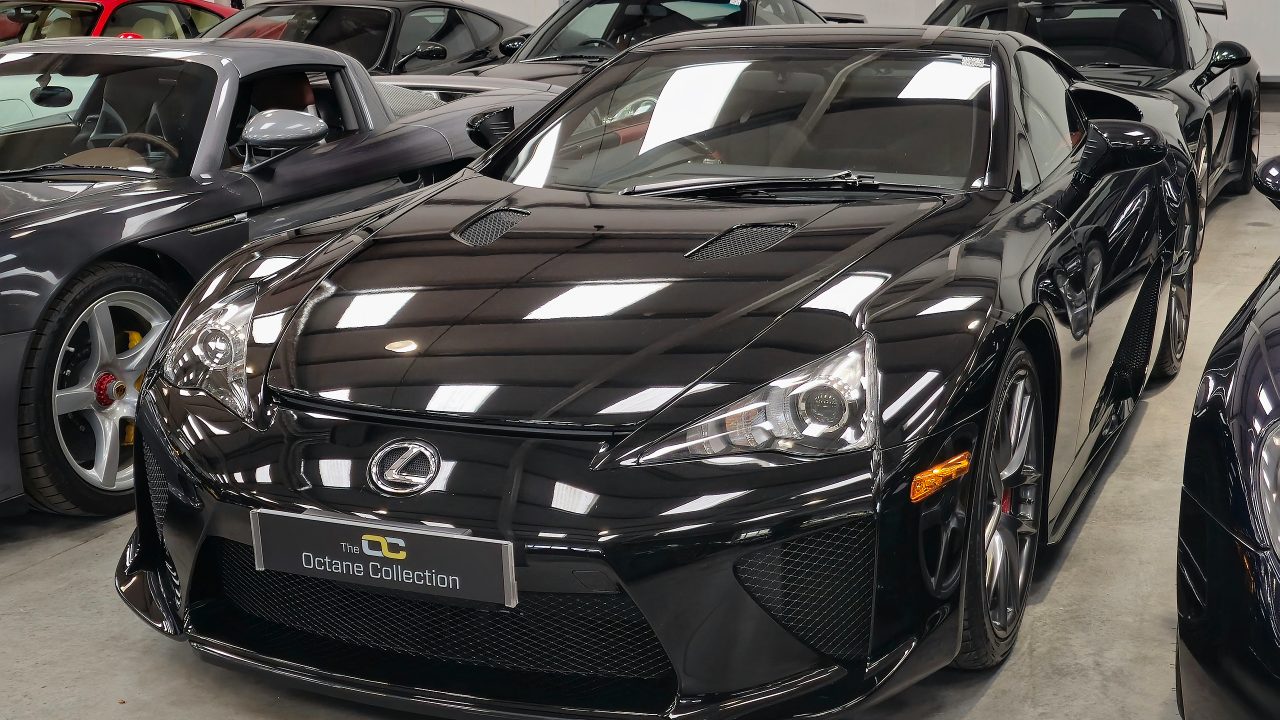
The Lexus LFA shows how the definition of a halo car has evolved from pure speed to a broader mix of character and engineering artistry. Its 4.8-liter V10 is widely regarded as one of the great modern engines, built from aluminum, magnesium and titanium alloy to deliver a race-bred soundtrack and razor-sharp response that few cars can match. Detailed coverage of The LFA notes how its Nürburgring-focused variants chased ever quicker Lap Time figures, with reports describing how Lexus sent the LFA Nürburgring Package to the Green Hell to validate its performance right out of the showroom.
Yet even as The LFA is celebrated as the fastest Lexus in history, its raw acceleration numbers are now within reach of modern “budget” supercars that cost far less than the LFA did when new. A deep dive into the fastest Lexus models explains that Now for the Nürburgring Lap Time, the focus was on circuit pace and feel rather than headline drag-race figures, which is why newer cars can match its straight-line performance while undercutting it on price. That tension is visible in the real world too, where a Rare Lexus LFA Spotted in North Melbourne is treated as a timeless supercar icon, even as current mid-engined rivals deliver similar speed with less drama and a far smaller financial barrier to entry.
Value supercars and the new exotic hierarchy
What makes these comparisons sting for traditional exotics is that the performance gap is closing from below, not above. The automotive industry has seen a surge in the availability of performance cars that offer great value, with Brands like Porsche and Niss building models that deliver acceleration and handling once reserved for much more expensive cars. One overview of the cheapest supercar options notes that these machines bring supercar-level pace to buyers who would never have considered a seven-figure exotic, effectively democratizing the kind of performance that used to be locked behind velvet ropes.
Among the most striking shifts is how this new generation of “value” supercars coexists with the ultra-rare hypercar tier. A broader look at exotic history traces a line from early pioneers like the Bugatti Type 35 to modern hypercars like the Koenigsegg Jesko, showing how each generation has chased ever higher levels of speed, power and precision. At the same time, collectors are still pouring money into traditional exotics, as seen in reports on Australia’s craziest exotic car collection, where All up, the collection is worth over $100 m and is described as being worth over $100 million, with One of the headline additions being a modern hypercar among icons like the McLaren P1 and Mercedes SLR McLaren. That kind of money underscores why it matters that a relatively attainable Corvette or turbocharged Porsche can now run similar numbers: the stopwatch is quietly eroding the old assumption that only million-dollar exotics can deliver truly elite performance.