Supercars were once defined as much by the movement of a clutch pedal as by the scream of a high revving engine. As performance brands have migrated to ever quicker automatic and dual clutch gearboxes, a number of icons have gained speed yet lost the visceral connection that made them legends in the first place. I want to look at the cars that, in the shift to self shifting hardware, surrendered something more elusive than lap time: their soul.
The manual mystique and why it matters
For driving enthusiasts, the appeal of a manual gearbox is not nostalgia for its own sake, it is the sense of agency that comes from choosing every ratio and feeling the drivetrain respond through the lever and pedal. I see that sentiment echoed whenever a new high performance model debuts with only an automatic and the first reaction from purists is some version of “Cool, if only it was a manual,” a refrain that has become so common in supercar circles that it now feels like a reflex rather than a niche complaint. In discussions among owners and fans, people describe a manual as the single change that would make an already excellent car “so much better,” which underlines how strongly the gearbox is tied to perceived character rather than raw numbers.
At the same time, the broader market has been moving in the opposite direction, and that shift is not imaginary or reversible. Over the past decade, automakers have steadily phased out manual transmissions in favor of dual clutch units and other advanced automatics, a trend that has left a long list of once engaging models without a clutch pedal at all. Industry analysis points out that automatics became more efficient, with “Automatics Became More Efficient Efficiency” cited as the key factor shaping modern powertrains, and that efficiency advantage has combined with emissions rules and consumer demand to tilt the balance decisively away from three pedal cars. The result is a widening gap between what enthusiasts say they want and what the market, and the engineering reality, now delivers.
NSX and Supra: from analog heroes to digital performers
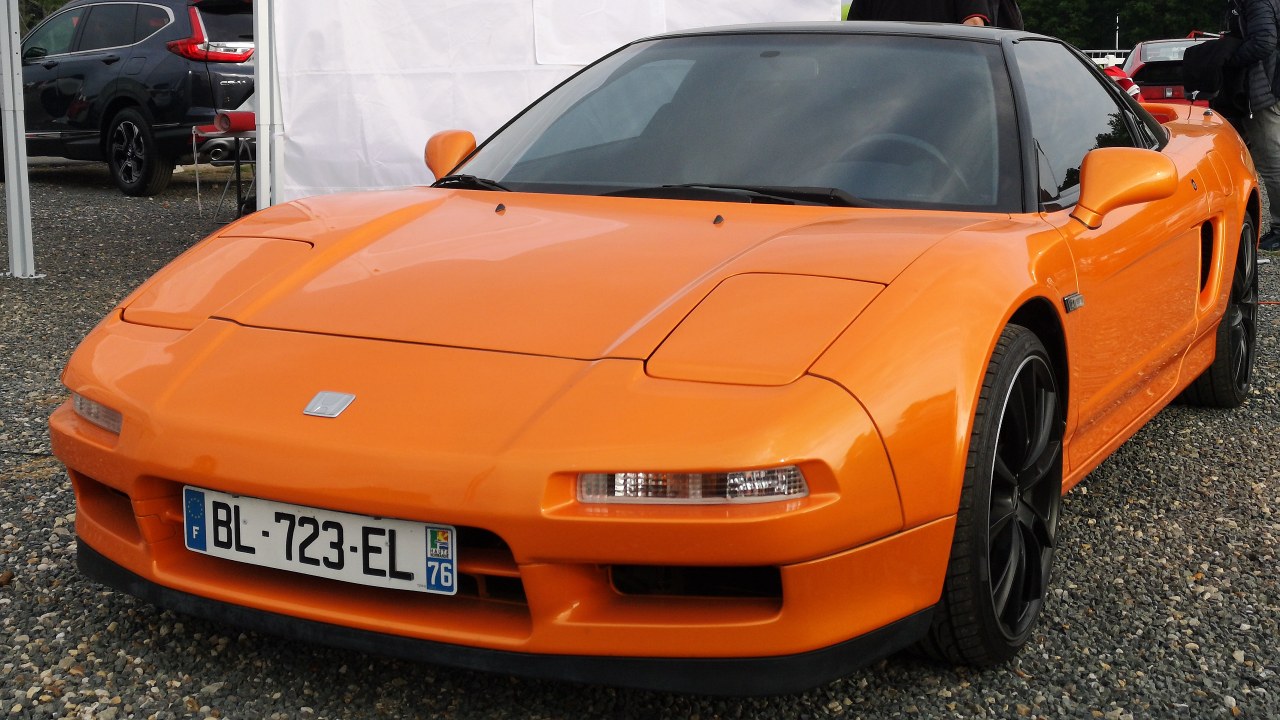
Few nameplates illustrate the tension between purity and progress as clearly as the NSX and Supra, two cars that enthusiasts routinely nominate when asked which models have lost the most soul over time. In one widely shared conversation about cars that feel diminished compared with their predecessors, commenters immediately cited the NSX and Supra alongside the Honda Civic Si and a broad swipe at modern BMW products, a list that reads like a roll call of once analog icons that have been reinterpreted for a different era. When I look at those choices, what stands out is not that the new versions are slower or less capable, but that they are perceived as more remote, with their sophisticated automatics and electronic layers insulating the driver from the mechanical drama that defined the originals.
The original Acura NSX in particular shows how a car can be objectively brilliant yet still be overshadowed by its own legend. Contemporary reporting notes that less than 20 years after its debut, the NSX’s engineering influence was so profound that its maker was dominating top level motorsport as an engine supplier, even beating the likes of Ferrari on track, a remarkable achievement for a company better known for sensible sedans. That first NSX paired that technical excellence with a manual gearbox and a light, communicative chassis, which is why it is still held up as a benchmark for driver involvement. By contrast, the later NSX iterations leaned heavily on hybrid systems and automatic gearboxes, gaining staggering performance but losing the simple, tactile interface that made the original feel like a precision tool rather than a digital device.
When brands lose the plot chasing speed and comfort
Individual models are not the only casualties of the automatic revolution, entire brands have been accused of drifting away from the qualities that once made them special. In a discussion about which great marques have “lost their plot,” one of the first names raised was BMW, with enthusiasts arguing that while the company still builds very fast M cars, what has really been lost is the sense of connection and simplicity that defined earlier generations. That criticism often centers on the move to complex automatic and dual clutch transmissions paired with layers of drive modes, which can make even a compact performance car feel more like a configurable appliance than a straightforward sports machine.
The same anxiety surfaces when people debate which cars have lost their identity as the model years rolled on, a question that regularly prompts lists of once raw, manual equipped machines that have become heavier, more insulated and almost universally automatic. One thread framed it bluntly by asking which car lost its soul as the years went on, and the answers clustered around models that traded naturally aspirated engines and manual gearboxes for turbocharged power and self shifting transmissions. I read those complaints less as a rejection of technology and more as a lament that, in the pursuit of broader appeal and measurable performance, some manufacturers have allowed their most characterful traits to be smoothed away.
Lamborghini and the death of the manual supercar
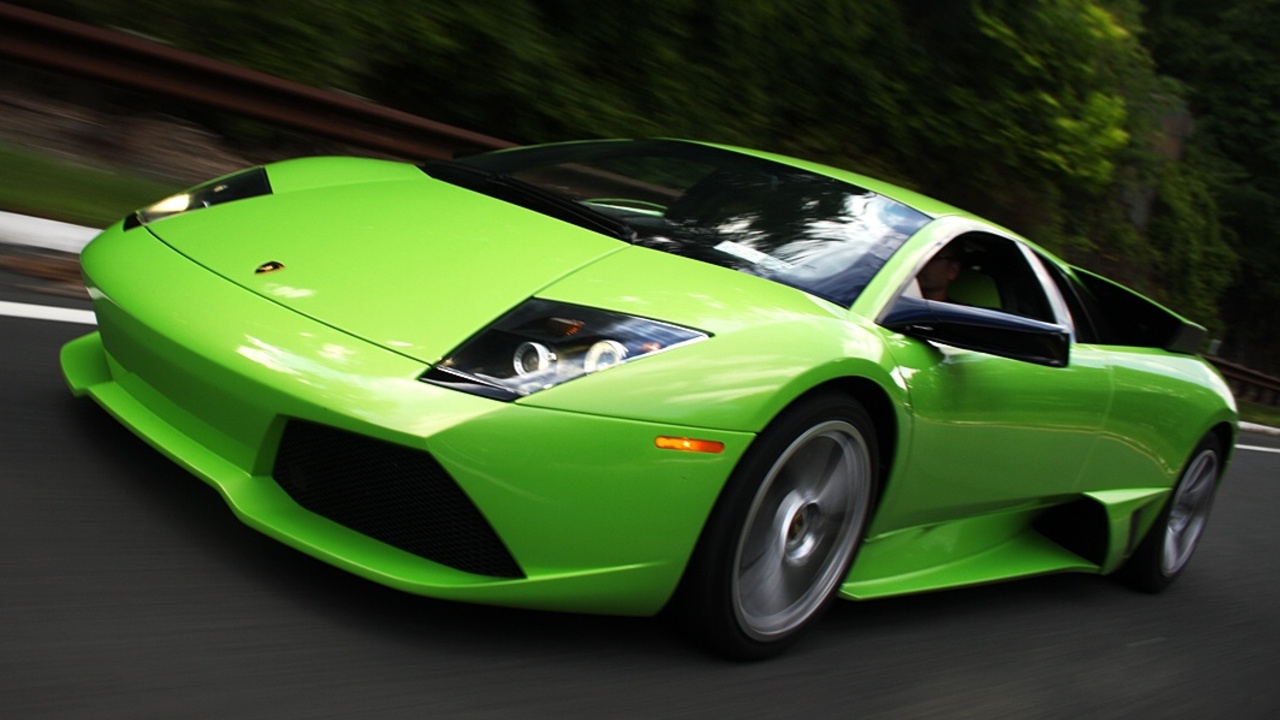
No company embodies the drama of the traditional supercar quite like Lamborghini, which makes its decision to abandon manual gearboxes especially symbolic. The brand’s own leadership has been candid about why that happened, with Mr Reggiani explaining that only one or two per cent of the 1,200 Lamborghini vehicles produced at the company’s Sant Agata Bolognese factory in a given year were equipped with a manual transmission. When such a tiny fraction of buyers opt for three pedals, it becomes difficult to justify the engineering and regulatory cost of keeping that option alive, particularly when automatic and dual clutch systems deliver quicker acceleration and better emissions performance.
From a rational standpoint, the move makes sense, yet I cannot ignore how profoundly it changes the character of the cars. A manual Lamborghini, with its open gated shifter and heavy clutch, demanded commitment from the driver and turned every shift into a small act of theater, something no paddle operated gearbox can fully replicate. Industry observers have noted that most high performance cars are now automatic, and that this trend is not limited to one brand but reflects a broader shift in what buyers expect from expensive, powerful machines. The result is that the archetypal Italian supercar, once defined by the physicality of its controls, has become another example of a car that is objectively better yet subjectively less alive.
Why automatics keep winning, even as enthusiasts grieve
To understand why so many supercars have traded their manual gearboxes for automatics, I have to look beyond emotion and consider the structural forces shaping modern performance cars. Analysts point out that automatics have become not only more convenient but also more efficient, with “Automatics Became More Efficient Efficiency” singled out as the single most important factor sculpting contemporary automobiles. That efficiency translates directly into lower emissions and better fuel economy figures, metrics that regulators and mainstream buyers care about deeply, and which can determine whether a low volume supercar even qualifies for sale in key markets.
There is also a financial logic that is difficult to ignore. A detailed look at transmission trends notes that a wave of confusion has spread among enthusiasts about whether they should buy a manual car or if they are better off with the automatic option that seems to be trending these days, a reflection of how thoroughly self shifting gearboxes have become the default in high performance segments. Over the past decade, numerous automakers have phased out manuals in favor of dual clutch units and other advanced automatics, leaving only a handful of niche models to carry the three pedal torch. When I weigh those realities, it becomes clear that the cars I and many others accuse of losing their soul did not change in a vacuum, they evolved in response to regulations, market demand and the relentless march of technology.
What “soul” really means in the age of the automatic
When enthusiasts say a supercar lost its soul once it went automatic, they are rarely talking about lap times or horsepower, they are describing a loss of intimacy. The original NSX, for example, is celebrated not only for its engineering but for the way it made exotic performance feel approachable, with a manual gearbox and finely tuned controls that invited the driver to participate in every decision. That car was also a technical trailblazer, the first production model to feature forged pistons and titanium rods, components that were typically associated with motorsport and which helped it stand out among the best six cylinder cars ever made. Its successors may be faster and more complex, yet they struggle to inspire the same affection because the driver’s role has shifted from conductor to curator of software modes.
At the same time, I have to acknowledge that “soul” is an inherently subjective concept, one that evolves as new generations of drivers grow up with different expectations. Younger enthusiasts who have never stalled a manual in traffic may find their sense of connection in the instant response of a dual clutch gearbox or the precision of a well tuned paddle shift system, and for them the absence of a clutch pedal does not automatically equate to a lack of character. Online debates about which cars have lost the most soul, from the NSX and Supra to the Honda Civic Si and beyond, reveal as much about the values of the people commenting as they do about the cars themselves. What remains constant is the desire for machines that feel distinctive and engaging, whether that engagement comes through a metal gate and a third pedal or through the seamless surge of a perfectly calibrated automatic.