When it comes to boosting engine performance, car enthusiasts often debate between superchargers and turbochargers. Both options offer significant power gains, but they operate differently and come with their own sets of advantages and drawbacks. Understanding the key differences between the two can help you decide which upgrade makes more sense for your vehicle.
Understanding the Basics
Definition and Function of Superchargers

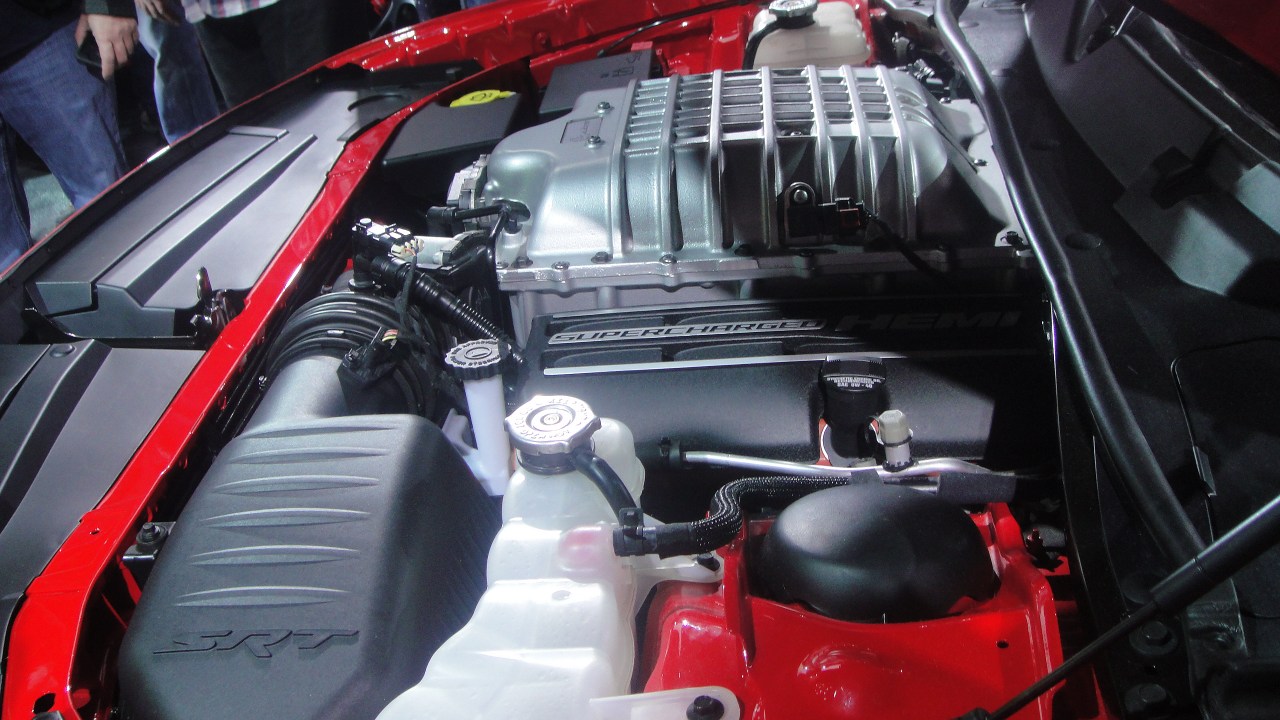
Superchargers are devices that increase the air intake of an engine, resulting in more power. They are mechanically driven by a belt or chain connected to the engine’s crankshaft. This direct connection allows superchargers to deliver immediate power boosts, a feature that appeals to those looking for quick acceleration. A well-known example is the 2015 Ford Mustang Shelby GT500, which utilizes a supercharger to produce impressive power outputs.
Definition and Function of Turbochargers
Turbochargers, on the other hand, use exhaust gases to spin a turbine, which then compresses the air entering the engine. This method not only boosts power but also enhances fuel efficiency by utilizing energy that would otherwise be wasted. The 2020 BMW 3 Series features a turbocharged engine that maximizes performance while maintaining a focus on efficiency.
Historical Context
Both technologies have storied histories in automotive development. Superchargers gained popularity in the early 20th century, notably in racing cars like the Mercedes-Benz 540K from the 1930s. Turbochargers became more widespread during the 1970s oil crisis, as manufacturers sought ways to improve fuel efficiency without sacrificing performance. Icons like the 1978 Saab 99 Turbo helped cement turbochargers as a viable engine enhancement.
Performance and Efficiency

Power Delivery
One of the primary differences between superchargers and turbochargers is how they deliver power. Superchargers provide instant power as soon as the engine is running, making them ideal for applications where immediate response is crucial, such as drag racing. In contrast, turbochargers often experience a delay known as “turbo lag,” where there is a slight delay in power delivery as the turbine spools up. This can be seen in vehicles like the 2018 Subaru WRX, where enthusiasts appreciate the balance of performance and efficiency despite the lag.
Fuel Efficiency
When it comes to fuel efficiency, turbochargers generally have the upper hand. Because they utilize exhaust gases, they can improve an engine’s overall efficiency and reduce fuel consumption. For instance, the 2021 Ford F-150 EcoBoost models show how turbocharging can maintain power while offering better fuel economy compared to naturally aspirated engines. Superchargers, while providing power boosts, tend to consume more fuel due to the additional load on the engine.
Suitability for Different Driving Conditions
Choosing between a supercharger and a turbocharger also depends on driving conditions. Superchargers excel in scenarios where immediate throttle response is needed, such as in city driving or off-road situations where sudden bursts of power can be advantageous. Turbochargers shine in highway driving and racing environments, where higher speeds allow the turbo to maintain continuous boost, as demonstrated by the 2019 Porsche 911 Turbo.
Installation and Maintenance

Complexity and Cost of Installation
The installation process for superchargers and turbochargers varies significantly. Superchargers are generally easier to install since they are mechanically driven and require fewer modifications to the exhaust system. However, they can be costly due to specialized components. Turbochargers, like those found in the 2015 Volkswagen Golf GTI, often require more extensive modifications, including exhaust headers and additional cooling systems, which can increase installation complexity and cost.
Maintenance Requirements
Maintenance is another important consideration. Superchargers typically require less frequent maintenance but can suffer from wear and tear due to the mechanical strain on the engine’s drive belts and bearings. Turbochargers, while generally more durable, require regular checks on the turbo housing and oil supply lines to prevent issues like oil leaks or turbine damage. Models like the 2017 Audi A4 showcase the balance between performance and reliability with proper maintenance.
Compatibility with Existing Engine Systems
Compatibility with existing engines is crucial when considering either upgrade. Superchargers are often more compatible with larger V8 engines due to their straightforward installation. Turbochargers, however, can be adapted to a wider range of engines, including smaller inline-four and six-cylinder engines. This adaptability is evident in the 2022 Honda Civic, where the turbocharged variants offer enhanced performance without extensive engine modifications.
Pros and Cons

Advantages of Superchargers
Superchargers offer several advantages, including instant power and a simpler installation process. They are ideal for those seeking quick throttle response and are often favored in muscle cars like the 2016 Dodge Challenger Hellcat. However, they tend to increase fuel consumption and can add significant weight to the vehicle.
Advantages of Turbochargers
Turbochargers are praised for their improved fuel efficiency and high power potential at lower engine speeds. They are a popular choice in performance cars like the 2021 Toyota Supra, which benefits from the compact design and efficiency of modern turbo technology. The main drawbacks include turbo lag and the need for more complex installations.
Drawbacks of Each Option
Both options have their downsides. Superchargers can be more expensive upfront and may require more frequent belt replacements. Turbochargers, while efficient, can suffer from lag and require more diligent maintenance to ensure longevity. The choice between the two often comes down to personal preference and specific performance goals.
Making the Right Choice
Assessing Your Priorities
Determining whether a supercharger or turbocharger is right for you involves assessing your priorities. If you value immediate power and simplicity, a supercharger might be the way to go. For those focused on fuel efficiency and high-speed performance, a turbocharger could be more suitable. Consider your typical driving conditions and performance goals when making this decision.
Budget Considerations
Your budget will also play a significant role in your choice. Superchargers often come with a higher initial cost, but their installation is generally less complex. Turbochargers can be more expensive to install due to necessary modifications, but they may offer better long-term savings through improved fuel efficiency. Vehicles like the 2023 Chevrolet Corvette offer both options, allowing consumers to weigh cost and performance.
Future Trends
Advancements in forced induction technology continue to shape the automotive landscape. Hybrid and electric forced induction systems are emerging, promising to blend the best of both worlds. These innovations could potentially redefine performance upgrades and offer new opportunities for enthusiasts. Keeping an eye on developments from manufacturers like Tesla and their potential impact on traditional forced induction options can provide insights into the future of engine enhancements.