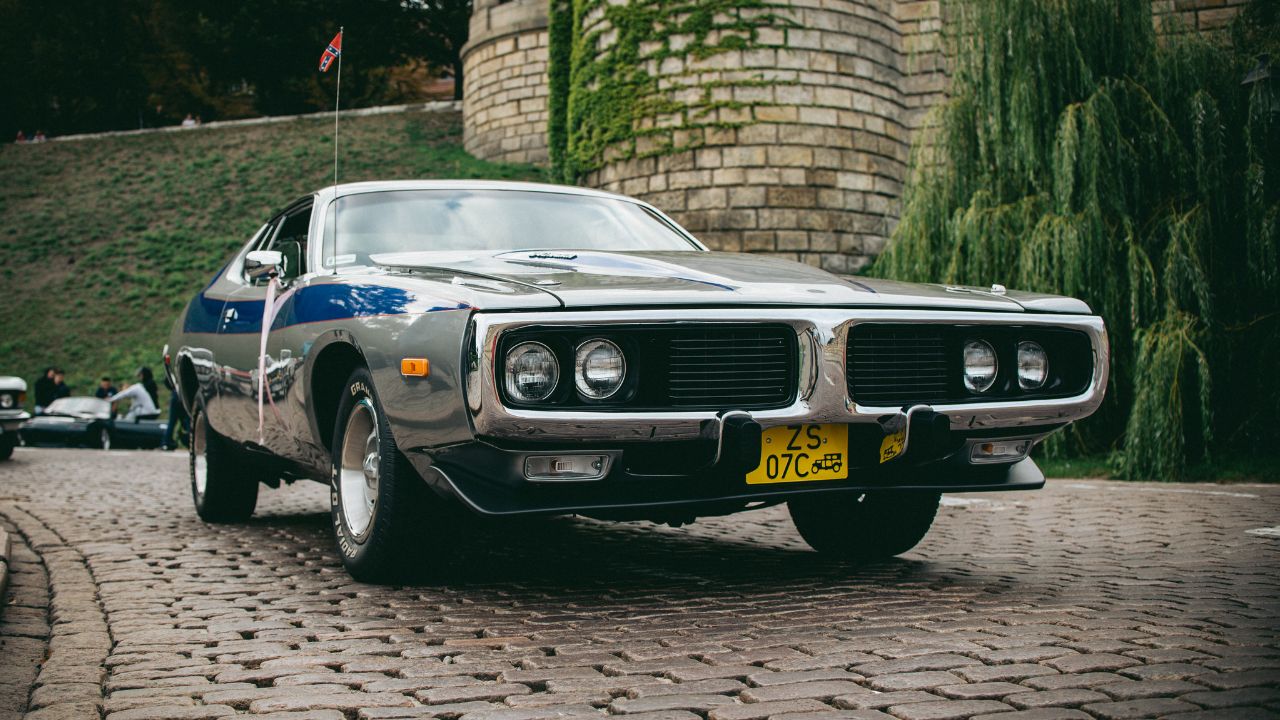
The story starts the way a lot of classic-car stories do: a glossy listing, a few confident claims, and that familiar tug of “if I don’t move fast, someone else will.” The car in question was a 1968 Pontiac GTO, advertised as “all original,” right down to the big-ticket pieces that make collectors’ ears perk up. The seller sounded sure of it, and the buyer admits they wanted to believe it.
It wasn’t just the promise of a clean muscle car. It was the idea of a time capsule—something that survived decades without being messed with. “Original” is a magic word in this world, like “unopened” on a vintage toy or “numbers-matching” on a rare engine.
A too-good-to-ignore listing
The listing checked every box that makes a 1968 GTO feel like a jackpot: strong stance, tidy interior photos, and a description that read like a handshake deal. The seller said the drivetrain was original, the car hadn’t been pieced together, and it was the real deal—not a dressed-up clone. The price reflected that confidence, sitting in that uncomfortable space where it’s high enough to hurt but low enough to tempt.
The buyer did what most people do first: zoomed in on every photo like a detective and started comparing details. Badges, wheels, engine bay shots, trim lines—everything looked plausible. And plausibility is dangerous, because it’s where optimism goes to stretch its legs.
“It’s original,” and the buyer wanted it to be true
When the buyer called, the seller doubled down. According to the buyer, the seller swore the GTO was original and implied they had nothing to hide. It sounded convincing in that casual, “I’ve owned this a while” sort of way, the tone that makes people stop asking annoying questions.
Still, the buyer had that little voice that won’t shut up. It’s the same voice that checks a used car’s tire wear even when the seller says, “It drives great.” So the buyer asked for a few specific identifiers—VIN, data plate details, and anything tied to the engine and transmission.
The one phone call that flipped the whole thing
Here’s where it turns. The buyer made one more call, not to the seller, but to someone who lives and breathes these cars—an expert in Pontiac documentation and factory-correct details. It wasn’t a dramatic, movie-style moment. It was more like ordering a pizza and accidentally finding out your address doesn’t exist.
With a handful of numbers and details, the expert reportedly spotted inconsistencies right away. The buyer says the response was basically: “That doesn’t line up.” Suddenly, “original” wasn’t a warm, fuzzy promise anymore. It was a claim that needed receipts.
What didn’t add up
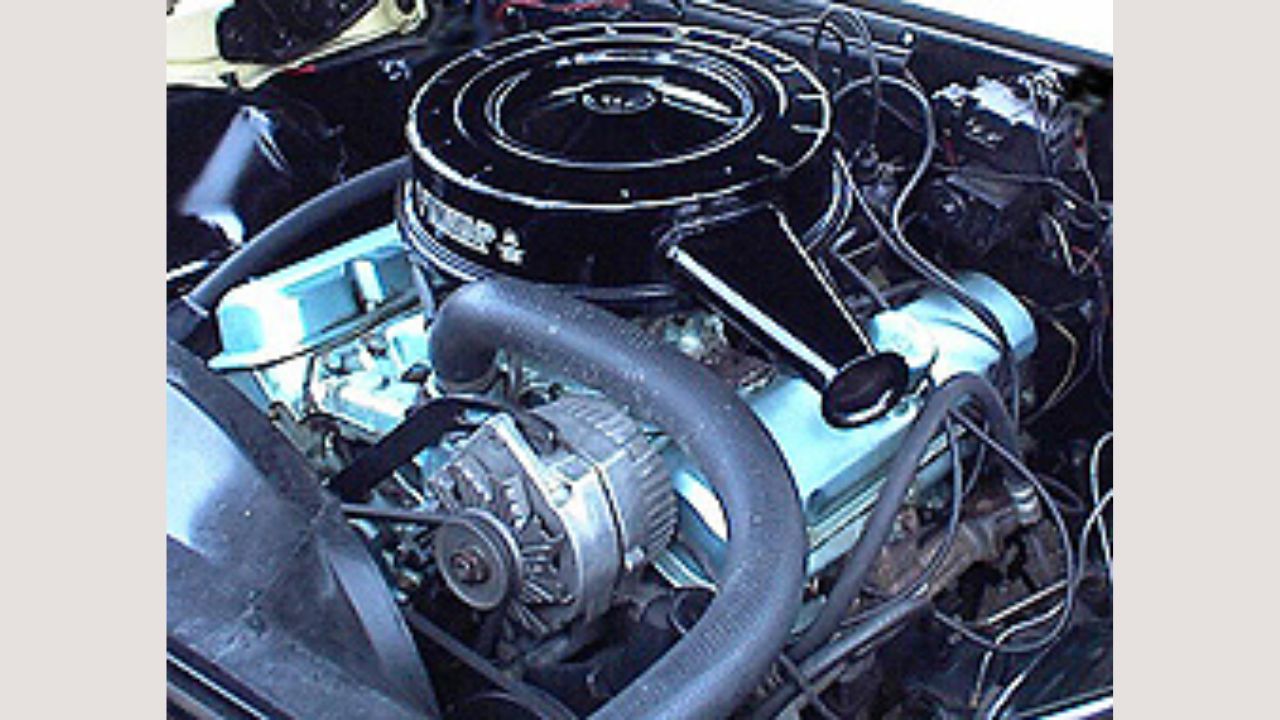
The buyer describes a few red flags that came up fast. Some codes didn’t match the car’s supposed configuration, and certain components didn’t line up with what the factory would’ve installed for that model year and setup. Even if the car looked right at a glance, the deeper layer—the one collectors pay for—wasn’t cooperating.
It’s important to say this clearly: “not original” doesn’t automatically mean “bad car.” Plenty of muscle cars have had engines swapped, transmissions replaced, or parts upgraded over the decades. The problem is when the story and the evidence start arguing with each other.
How “original” gets slippery in the classic-car world
In classic-car land, “original” can mean five different things depending on who’s talking. To one person, it means factory drivetrain, factory paint, factory interior—everything as-built. To another, it means “it’s a real GTO, not a LeMans clone,” even if half the components have been changed over time.
Then there’s “mostly original,” which can be honest or can be a diplomatic way of saying, “Please don’t ask about the engine.” And because these cars are often bought long after their early history is lost, sellers sometimes repeat what they were told, assuming it’s true. That’s not an excuse, but it explains why confidence isn’t the same as proof.
The buyer’s next move: verify, then negotiate—or walk
After the call, the buyer didn’t rush to post a rant or start a shouting match. They asked for more documentation: build sheets, PHS paperwork, service records, and clear photos of stampings and tags. In other words, they tried to turn a “trust me” deal into a “show me” deal.
That’s usually where the truth shows itself. A seller who’s simply mistaken often becomes cooperative, curious, even relieved to learn what’s going on. A seller who’s stretching the truth tends to get vague, defensive, or suddenly too busy to take the photos you requested.
Why one expert call matters so much
People love to say, “Bring a friend who knows cars,” and that’s good advice. But with something like a 1968 GTO, the devil is in tiny details: casting dates, code formats, trim tags, and what was actually available in that year. An enthusiast can spot obvious issues; a specialist can spot the subtle ones that cost real money.
That one call can also protect you from your own excitement. When you’ve pictured the car in your garage, your brain starts editing reality to match the dream. An outside voice—especially one that’s seen hundreds of examples—can cut through that nicely.
A cautionary tale without the doom-and-gloom
The buyer’s takeaway wasn’t “never trust anyone.” It was simpler: verify the big claims before you hand over big money. If a car is priced like it’s numbers-matching and factory-correct, it should be able to prove it.
And if it can’t? That doesn’t mean you can’t still buy it. It just means the price, the description, and your expectations need to come back down to earth together.
What shoppers can learn before their own “one phone call” moment
If you’re shopping for a classic muscle car, especially one with a premium reputation like a GTO, ask early for the identifiers that matter. Get clear photos of VIN tags, data plates, engine stampings, and casting numbers. If the seller hesitates, consider that information in itself.
Also, budget time and a little money for verification. Paying for documentation or an expert opinion can feel annoying when you’re eager to buy, but it’s cheap compared to discovering you paid “original car” money for a “nice driver” reality.
As for the buyer in this story, they say the car still looked great. It just wasn’t the untouched legend they were promised. And that’s the funny thing about classic cars: sometimes the most valuable part isn’t the chrome or the horsepower—it’s the phone number of the person who knows what the numbers actually mean.
More from Fast Lane Only