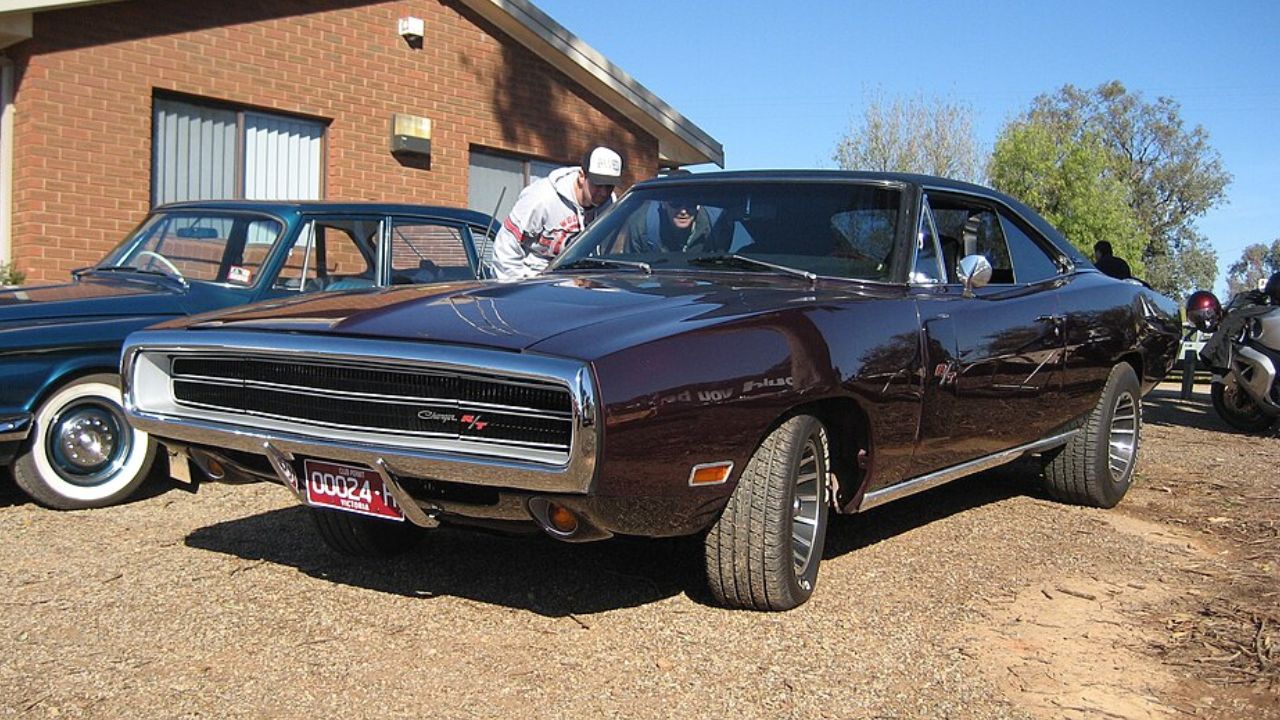
It was supposed to be a victory lap: months of waiting, a stack of receipts, and the kind of anticipation only a classic-car owner really understands. After a long stint at a restoration and performance shop, a man says his 1970 Dodge Charger was finally ready to come home. The paint looked right, the stance looked mean, and the engine bay was clean enough to eat off—almost suspiciously clean.
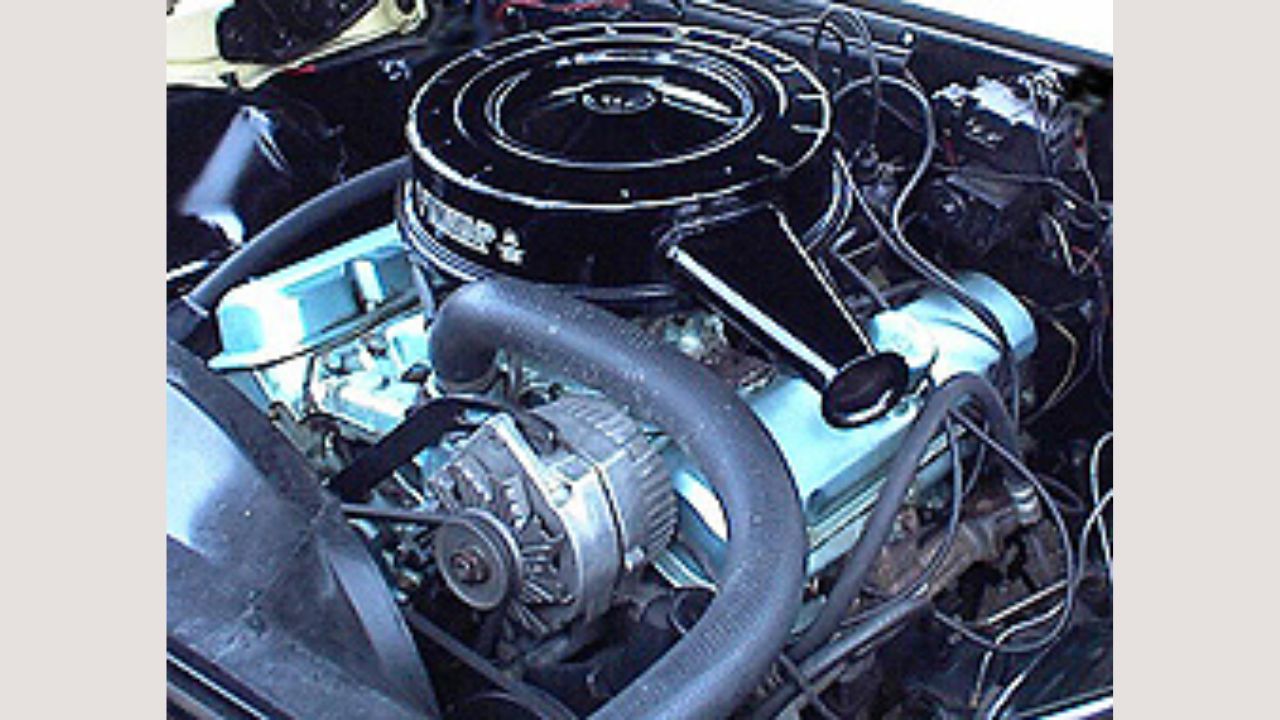
Then came the moment that flipped the whole story. He popped the hood to admire the work, and he says the engine staring back at him wasn’t the one he dropped off. Not “a little different,” not “rebuilt with some updated parts,” but the wrong motor altogether.
The long wait for a dream car
He describes the Charger the way people talk about a childhood home: familiar, loaded with memories, and worth the effort. He’d been chasing a 1970 Charger for years, finally finding one he could afford and slowly bringing it back to life. Like a lot of owners, he handled what he could in his garage and outsourced the big stuff when it got beyond his tools, time, or patience.
The shop, he says, came recommended through local car circles—people who knew Mopars, knew muscle, and knew how to talk horsepower without sounding like they were reading a brochure. The plan was straightforward: sort out the drivetrain, tidy the engine bay, and address a few lingering issues that had kept the car from being truly reliable. He expected delays, because projects like this always run long, but he didn’t expect a surprise identity swap.
The handoff, the paperwork, and the “it’s ready” call
According to him, the Charger went in running but needy, with an engine he’d tracked for years to find and keep period-correct. He says he documented the car obsessively—photos of casting numbers, notes about parts, and even little marks only he would notice. It wasn’t paranoia, he insists; it was just what happens when you’ve spent enough time hunting rare parts on late-night forums.
When the shop called to say it was done, he felt that mix of excitement and nerves that comes with any big pickup day. You want it perfect, but you’re bracing for something. Still, he says the car looked great on the outside and sounded strong at idle, so he signed, paid, and drove it home with that unmistakable old-school rumble bouncing off the storefronts.
The moment the hood opened
It wasn’t until later—once the adrenaline wore off—that he opened the hood again to do what any owner does: stare at it for way too long. That’s when he says the details didn’t line up. The valve covers looked unfamiliar, a bracket sat where he swore it never had, and the stamping he expected to see wasn’t there.
At first, he thought he was just tired or overthinking it. But the more he looked, the more it felt like walking into your house and noticing the couch is the same color, but it’s definitely not your couch. He took photos, compared them to older shots on his phone, and claims the differences were too big to wave off as “new parts.”
What he says was different
He alleges the engine block numbers didn’t match what he had recorded, and the configuration didn’t fit the build sheet he’d been working from. A couple of components were newer than what he’d installed, while other pieces he remembers paying for were gone. Even the way certain bolts were marked—something he’d done deliberately—didn’t show up anywhere.
To most people, an engine is an engine. To muscle-car folks, it can be the whole soul of the car, especially when it’s a numbers-matching setup or a hard-to-find period-correct block. He says that’s why this feels less like a simple mix-up and more like someone rearranged the heart of his dream without asking.
The shop’s side, as he describes it
He says he contacted the shop right away, expecting a quick explanation: maybe they swapped in a temporary motor during testing, or maybe there was a paperwork error. According to him, the initial response was casual—more “that’s how it’s supposed to be” than “let’s figure this out.” That didn’t sit well, especially after months of waiting and a bill that matched the seriousness of the work.
He claims the shop suggested that because the engine ran well, the end result should matter more than the exact block. But in his mind, that misses the point entirely. He didn’t bring in a Charger to get “a Charger” back; he brought in his Charger, with his engine, and he expected the same major components to return with it.
How something like this can happen (without getting conspiratorial)
In busy restoration shops, engines come out, parts get labeled, and multiple projects sit in various stages of disassembly. That’s not an excuse, but it does create opportunities for mistakes if inventory systems aren’t tight. One mis-tagged block, one rushed move, one “we’ll remember which one this is,” and suddenly you’ve got a very expensive puzzle.
There’s also the possibility of legitimate substitutions when parts fail unexpectedly—like a cracked block discovered mid-build—if the customer approves a replacement. But he insists there was no such call, no authorization, and no “hey, we found an issue” conversation. In his version of events, the biggest change happened quietly, and that’s what makes it sting.
Why the engine matters so much on a classic Charger
A 1970 Charger isn’t just transportation; it’s history you can start with a key. The engine affects everything: value, authenticity, drivability, and bragging rights at the Saturday-morning meetups where people somehow spot the wrong air cleaner from ten feet away. If the car was meant to be stock-ish, a non-original engine can change the entire character of the build.
Even if the swapped-in motor is “better” on paper, it can still feel wrong to the owner. It’s like ordering your favorite burger and getting a fancy steak instead—nice, sure, but not what you asked for. He says he wasn’t chasing perfection for the internet; he just wanted his car to stay his.
What he’s doing next
He says he’s gathering documentation: old photos, build notes, receipts, and any serial or casting numbers tied to the engine he dropped off. He’s also reaching out to other local enthusiasts who have used the shop, mostly to compare experiences and see if anyone else has run into parts confusion. At the same time, he’s keeping communication with the shop in writing, which is the kind of unglamorous but practical step that matters when money and rare parts are involved.
For now, the Charger is back in his garage, but the celebration has clearly cooled. He says he still loves the car, still loves the sound, and still gets that little thrill seeing the long hood and hidden headlights. He just wants to know why the engine under it doesn’t feel like the one he entrusted to the shop—and whether his original is out there somewhere, sitting in another bay, waiting for the right hood to open.
More from Fast Lane Only