

Concept cars have long been a playground for automotive designers to push the boundaries of innovation and creativity. These vehicles often showcase futuristic technologies and bold designs that may never make it to production but inspire the future of the automotive industry. Here are ten of the strangest concept cars ever unveiled, each with its unique flair and vision for what the future of transportation might hold.
The Transparent Car

The Transparent Car concept takes the idea of visibility to a whole new level. Designed to offer drivers an unparalleled view of their surroundings, this vehicle features a body made from advanced transparent materials. The concept aims to enhance safety by eliminating blind spots and providing a 360-degree view of the environment. While the idea may seem far-fetched, it highlights the potential for new materials in automotive design.
One notable example is the ZF’s transparent car concept, which uses augmented reality to project a digital image of the car’s surroundings onto the windshield. This technology could revolutionize how drivers interact with their vehicles and the road.
The Flying Car Prototype
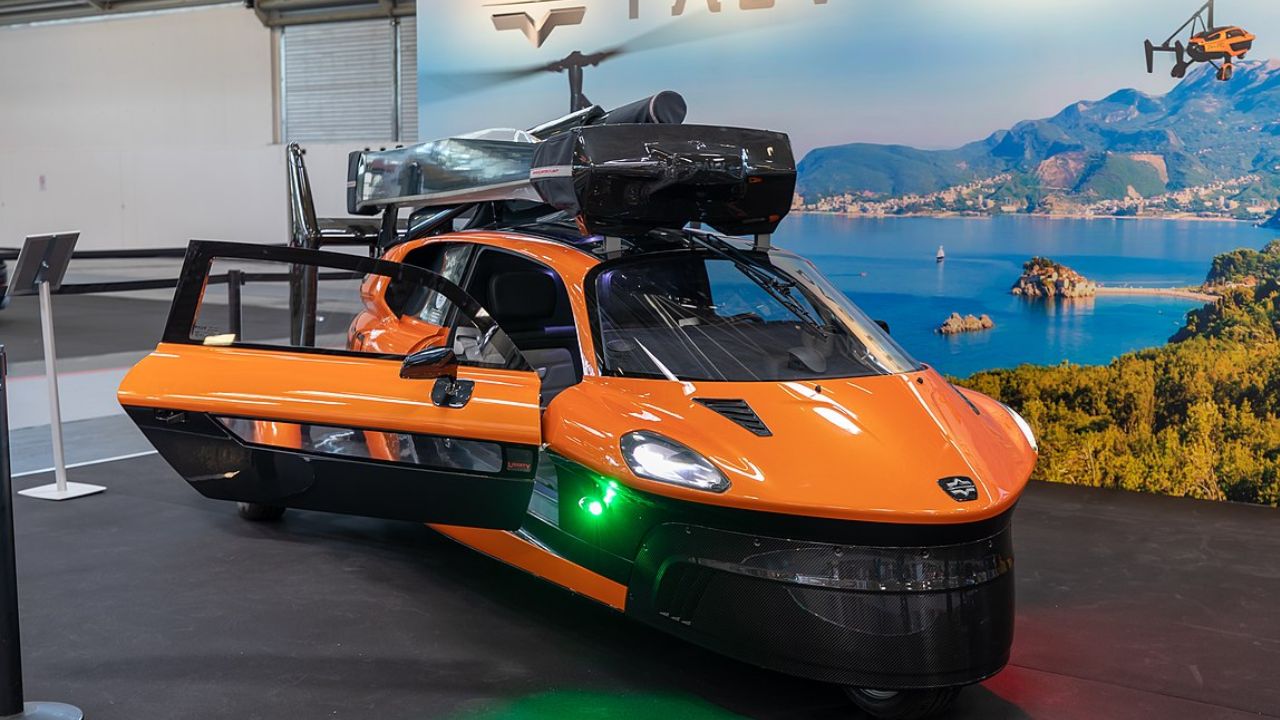
The dream of a flying car has been around for decades, and several prototypes have attempted to make it a reality. The PAL-V Liberty, for instance, is a real-world example that combines driving and flying capabilities. This vehicle can transform from a three-wheeled car to a gyrocopter in minutes, offering a glimpse into a future where traffic jams could be a thing of the past.
While regulatory and technological challenges remain, the flying car concept continues to capture the imagination of inventors and consumers alike. Companies like Terrafugia and AeroMobil are also exploring this space, each with their unique take on the flying car.
The Amphibious Vehicle

Amphibious vehicles are designed to travel seamlessly on land and water, offering versatility that few other vehicles can match. The Gibbs Aquada is a prime example, capable of reaching speeds of up to 100 mph on land and 30 mph on water. This vehicle blurs the line between car and boat, providing a unique solution for those who live near water bodies.
While amphibious vehicles are not new, modern designs incorporate advanced materials and technologies to improve performance and safety. These vehicles are often used in rescue operations and recreational activities, showcasing their practical applications beyond just being a novelty.
The Shape-Shifting Car

Shape-shifting cars are designed to adapt to different driving conditions and user needs. The Mercedes-Benz Concept IAA (Intelligent Aerodynamic Automobile) is a notable example, featuring a body that can change shape to improve aerodynamics at high speeds. This transformation reduces drag and enhances fuel efficiency, demonstrating the potential for dynamic vehicle designs.
Such innovations could lead to more efficient and versatile vehicles in the future, capable of adjusting their form to suit various driving scenarios. The concept of a shape-shifting car challenges traditional automotive design and opens up new possibilities for customization and performance.
The Autonomous Sleep Pod

As autonomous driving technology advances, the idea of a car that doubles as a mobile bedroom becomes more feasible. The Rinspeed XchangE concept car envisions a future where passengers can relax and sleep while the vehicle drives itself. This concept features a spacious interior with reclining seats and a high-tech infotainment system, turning long journeys into restful experiences.
Autonomous sleep pods could revolutionize long-distance travel, offering a comfortable and efficient alternative to traditional modes of transportation. As self-driving technology continues to develop, concepts like the XchangE highlight the potential for new levels of comfort and convenience in personal transportation.
The Solar-Powered Cruiser

Solar-powered vehicles harness the sun’s energy to provide a sustainable mode of transportation. The Lightyear One is a pioneering example, featuring solar panels integrated into its roof and hood to charge its battery. This vehicle can travel significant distances on solar power alone, reducing reliance on traditional charging infrastructure.
Solar-powered cruisers represent a significant step towards eco-friendly transportation, offering a glimpse into a future where cars could be entirely self-sufficient. As solar technology improves, these vehicles could become a viable option for environmentally conscious consumers.
The 3D-Printed Car

3D printing technology has the potential to revolutionize car manufacturing by allowing for rapid prototyping and customization. The Strati by Local Motors is one of the first 3D-printed cars, with its body made entirely from 3D-printed materials. This approach reduces waste and allows for greater design flexibility, enabling manufacturers to create unique and innovative vehicles.
As 3D printing technology advances, it could lead to more sustainable and cost-effective production methods in the automotive industry. The ability to quickly produce parts and components could also streamline the repair and maintenance process, making it easier to keep vehicles on the road.
The Modular Car

Modular cars are designed with interchangeable parts, allowing owners to customize their vehicles to suit different needs. The OSVehicle TABBY is an open-source platform that enables users to build and modify their cars with ease. This concept promotes sustainability by extending the vehicle’s lifespan and reducing waste.
Modular design could transform the automotive industry by offering consumers more control over their vehicles’ features and functions. As interest in personalized transportation grows, modular cars provide a flexible and adaptable solution for a wide range of users.
The Hover Car Concept

The idea of a hover car has long been a staple of science fiction, but some concepts are bringing it closer to reality. The Volkswagen Hover Car, part of the company’s “People’s Car Project” in China, envisions a vehicle that floats above the ground using electromagnetic levitation. This concept offers a futuristic vision of transportation, free from the constraints of traditional roads.
While hover cars face significant technical and regulatory challenges, they represent a bold reimagining of personal mobility. If realized, they could offer a smooth and efficient mode of transportation, reducing congestion and environmental impact.
The Eco-Friendly Bubble Car
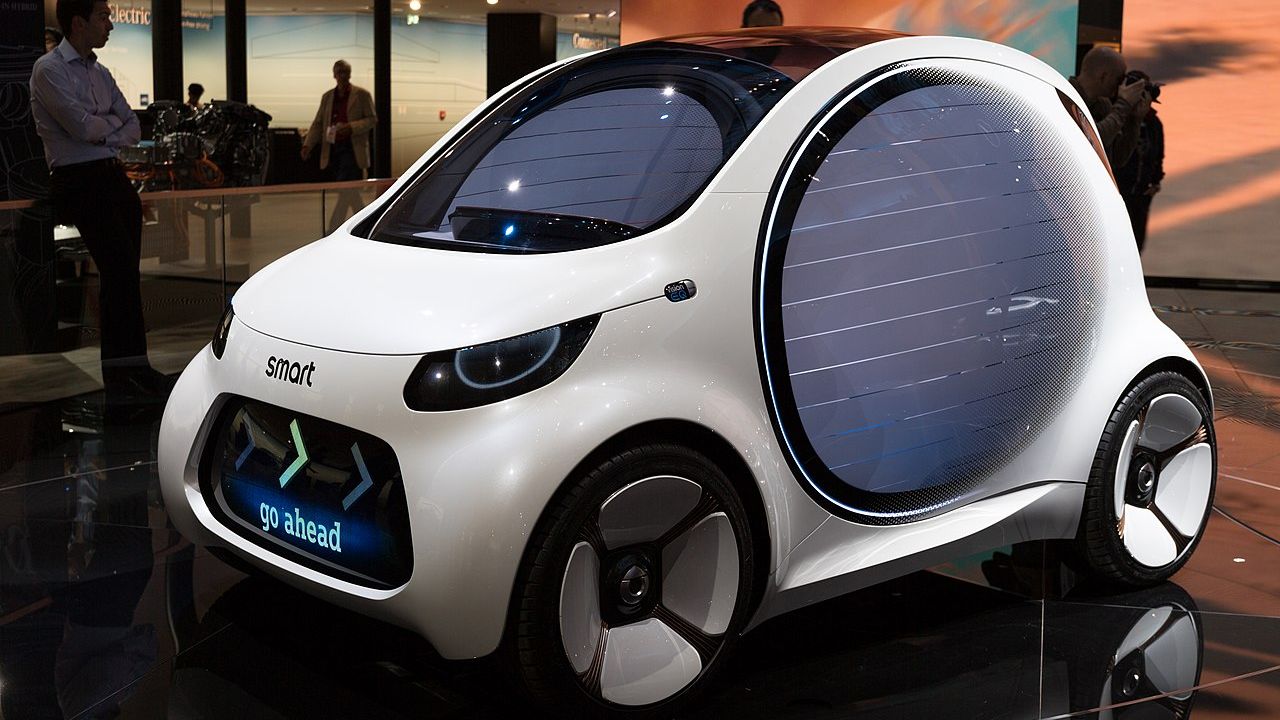
Eco-friendly bubble cars focus on reducing environmental impact while providing efficient urban transportation. The Smart EQ ForTwo is a modern example, featuring a compact design and electric powertrain ideal for city driving. Its small footprint and zero emissions make it an attractive option for environmentally conscious urban dwellers.
Bubble cars highlight the potential for innovative design in creating sustainable transportation solutions. As cities continue to grow and environmental concerns become more pressing, these vehicles offer a practical and eco-friendly alternative for navigating urban landscapes.
Like Fast Lane Only’s content? Be sure to follow us.
Here’s more from us:
*Created with AI assistance and editor review.


Leave a Reply