Senate Commerce Committee Chair Ted Cruz is pressing Detroit’s top executives to explain why the average new vehicle now costs around $50,000, and the push has triggered a rare public standoff with Ford and General Motors. What began as a routine oversight hearing on affordability has hardened into a broader fight over who should be in the hot seat, how Tesla is treated, and whether Washington is serious about tackling soaring car prices.
At the center of the dispute are Ford CEO Jim Farley and GM CEO Mary Barra, who are resisting Cruz’s demand that they personally appear, even as the political pressure around $50,000 cars intensifies. Their deadlock with Cruz is not just a scheduling spat, it is a revealing clash over accountability in an era when new trucks and SUVs are drifting out of reach for many households.
The stalled affordability hearing and Cruz’s $50K focus
The Senate Commerce Committee has framed its planned hearing as a direct response to the sticker shock facing buyers, with Cruz demanding answers on why mainstream vehicles now routinely crest the $50,000 mark. Committee materials describe a session where U.S. automakers would appear before the Senate Commerce Committee to address the affordability of vehicles for American consumers, underscoring how central price inflation has become to the political agenda. The hearing, formally noticed as “US Automakers to Appear Before Senate Commerce Committee,” has since been marked as POSTPONED, but the underlying mandate, to scrutinize the cost of new cars and trucks, remains intact.
Cruz’s rhetoric has zeroed in on what he calls $50K cars, a shorthand that captures the frustration of buyers who see even family crossovers and half-ton pickups priced like luxury goods. Reporting on the dispute notes that Cruz demands answers on $50K cars, but Ford’s Farley does not want to testify, highlighting how the senator has personalized the issue around the CEOs he believes should be held responsible. The committee’s own notice, which lists the hearing as POSTPONED and emphasizes the affordability of vehicles for American consumers, reinforces that this is not a niche policy seminar but a high-profile confrontation over the real-world impact of automaker pricing power.
Farley’s pushback and the Tesla fairness fight
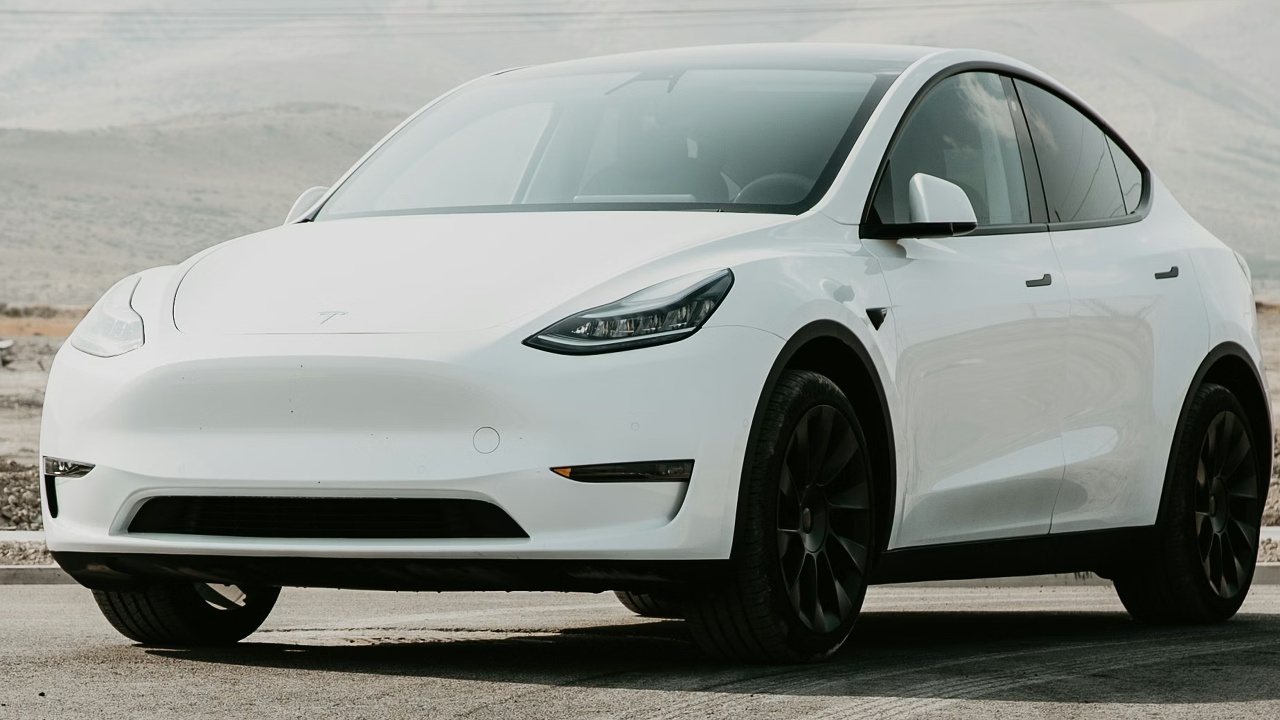
Ford CEO Jim Farley has emerged as the most vocal opponent of Cruz’s current hearing plan, arguing that the process is unfair because Tesla CEO Elon Musk is not being asked to sit beside him. Farley informed the Senate Commerce Committee that he would not appear at the January session and instead proposed sending another Ford executive, a move that immediately escalated tensions with Sen. Ted Cruz. In Farley’s view, it makes little sense for the Detroit Three to be grilled on affordability while Tesla, which has helped set price expectations in the electric vehicle market, is represented only by a vice president.
Coverage of the dispute describes how Ford is leading resistance to a Senate hearing on vehicle affordability and how Farley has clashed with Sen. Ted Cruz over the January hearing, with the CEO explicitly pointing to what he sees as unequal treatment of Tesla. One detailed account notes that Cruz demands answers on $50K cars, but Ford’s Farley does not want to testify, and that Ford is calling out Congress over the affordability hearing because Tesla’s top executive is not being required to attend. By insisting that Elon Musk should be in the same witness chair as the Detroit CEOs, Farley is effectively arguing that any serious conversation about high prices must include the company that has aggressively moved list prices up and down on models like the Model 3 and Model Y, reshaping the entire EV pricing landscape.
GM’s quieter resistance and Stellantis on the sidelines
General Motors has taken a more reserved approach than Ford, but it is not fully embracing Cruz’s terms either. Reporting on the planned hearing notes that GM Waits, Stellantis Watches, Cruz Stands Firm Apparently, Mary Barra is still expected to attend, yet there are signs that GM is moving cautiously as the political stakes rise. Earlier coverage of Congress demanding answers from General Motors, Ford and Stellantis, along with a senior Tesla executive, on vehicle affordability shows that GM has been part of the same pressure campaign from the outset, even if it has not publicly challenged the committee as aggressively as Farley.
Stellantis, meanwhile, is watching from the sidelines, with its leadership monitoring how the confrontation between Cruz and the other Detroit CEOs plays out before fully committing to its own posture. The earlier request from Congress that the CEOs of General Motors, Ford and Stellantis, along with a senior Tesla executive, appear to explain high prices driven by supply chain issues placed Stellantis in the same accountability frame as its rivals. Yet the current reporting characterizes the company’s stance as Stellantis Watches, suggesting that it is content, for now, to let Ford and GM absorb the political heat while it gauges whether Cruz will soften his demands or double down on requiring top-level attendance.
Congress’s broader affordability push and the postponed hearing
The Cruz showdown is part of a wider effort on Capitol Hill to force automakers to justify why new vehicles have become so expensive, even as supply chains normalize. Congress has scheduled hearings with U.S. automakers later this month to address high prices, with coverage explaining that Congress is asking automakers to account for high prices and that the hearings were initially set for January 14. One analysis notes that Congress has demanded answers from General Motors, Ford and Stellantis and Tesla on vehicle affordability, explicitly tying the run-up in prices to earlier supply chain issues that have not fully unwound at the dealership level.
At the same time, the official hearing notice now carries a prominent POSTPONED label, signaling that the clash over who will testify has already disrupted the schedule. The Senate Commerce Committee’s announcement, which states that US Automakers are to Appear Before Senate Commerce Committee and that the session is POSTPONED, underscores how the procedural fight over CEO attendance is delaying a conversation that lawmakers say is urgent for American consumers. In effect, the deadlock between Cruz and the automakers is not only about personalities and protocol, it is also slowing the policy response to a market where the typical new car costs around $50,000 and many buyers are being pushed into longer loans or out of the showroom altogether.
Detroit Three politics, Cruz’s strategy, and what is at stake for drivers
The political dynamics around the Detroit Three are sharpening as Cruz leans on their CEOs while also trying to keep Tesla in the frame. Coverage of the broader debate notes that Sen. Cruz and the Detroit Three have clashed over CEO attendance at the Senate affordability hearing, with Cruz insisting that the top leaders of the legacy automakers must appear. A separate account describes how Sen. Cruz wants the Detroit Three automakers to send their CEOs to Washington, reinforcing that he sees personal testimony from Jim Farley, Mary Barra, and their Stellantis counterpart as central to the hearing’s credibility. By contrast, Tesla has been asked to send a senior executive rather than Elon Musk, a distinction that has become the core of Farley’s fairness argument.
From a driver’s perspective, the stakes are straightforward even if the politics are not. Congress is asking automakers to account for high prices, with one report by Matt Posky explaining that Congress has scheduled hearings and that lawmakers want direct explanations for why affordability has eroded so sharply. Another account framed the question bluntly as Why, noting that the CEOs of General Motors, Ford and Stellantis, along with a senior Tesla executive, have been asked to appear to explain high prices driven by supply chain issues. Until Cruz and the automakers resolve their standoff over who sits at the witness table, the core questions for car buyers, how quickly prices might stabilize, whether features like advanced driver assistance and larger trucks are inflating costs, and what role federal policy should play, will remain largely unanswered in the public record. For now, the only certainty is that the fight over $50K cars has become as much about power and perception in Washington as it is about the monthly payment on a new F-150 or Chevrolet Equinox.
More from Fast Lane Only: