Throughout automotive history, certain race cars have transcended their roles on the track to become icons of speed, design, and innovation. These legendary machines have left an indelible mark on motorsport and car culture, captivating enthusiasts and collectors alike. Here, we explore twelve of the most legendary race cars that have ever graced the asphalt.
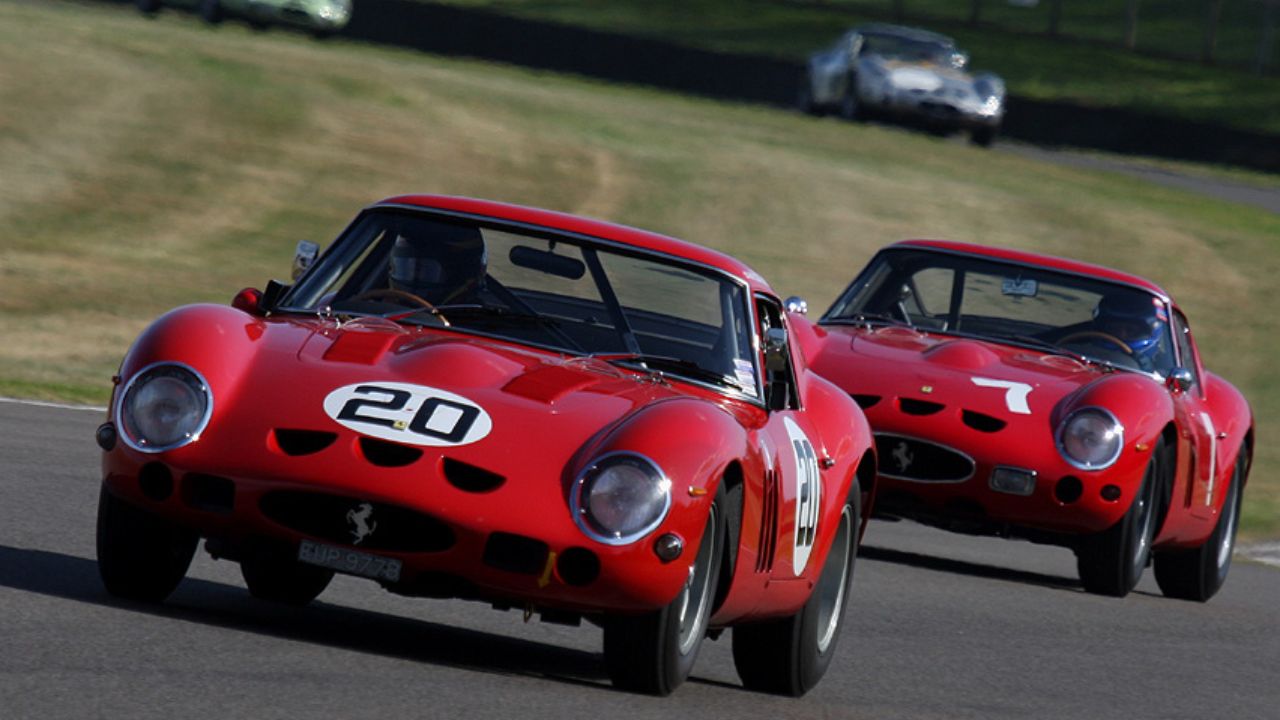
Ferrari 250 GTO
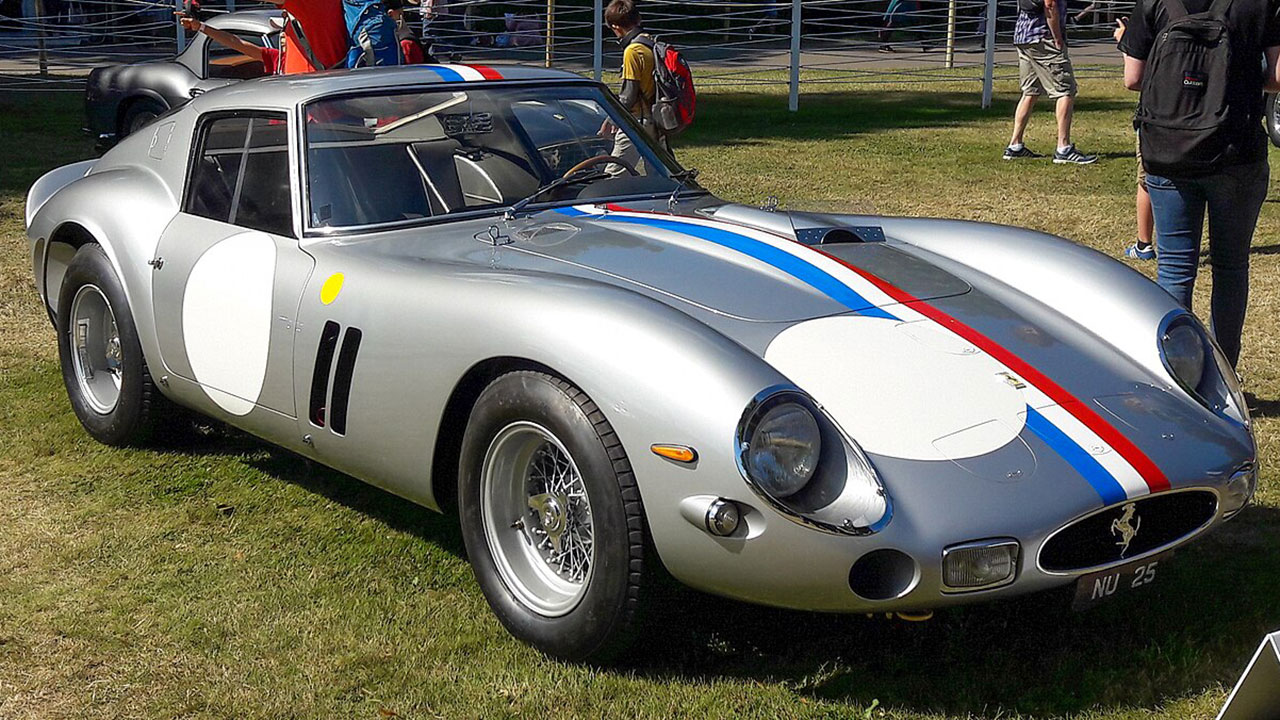
The Ferrari 250 GTO is often hailed as the pinnacle of automotive design and performance. Produced between 1962 and 1964, only 36 units were made, making it one of the most exclusive cars in the world. Its 3.0-liter V12 engine and lightweight construction allowed it to dominate the racing circuits of its time, including prestigious events like the 24 Hours of Le Mans.
Today, the 250 GTO is a coveted collector’s item, with models fetching record-breaking prices at auctions. Its timeless design and racing pedigree continue to inspire car enthusiasts and manufacturers alike.
Porsche 917
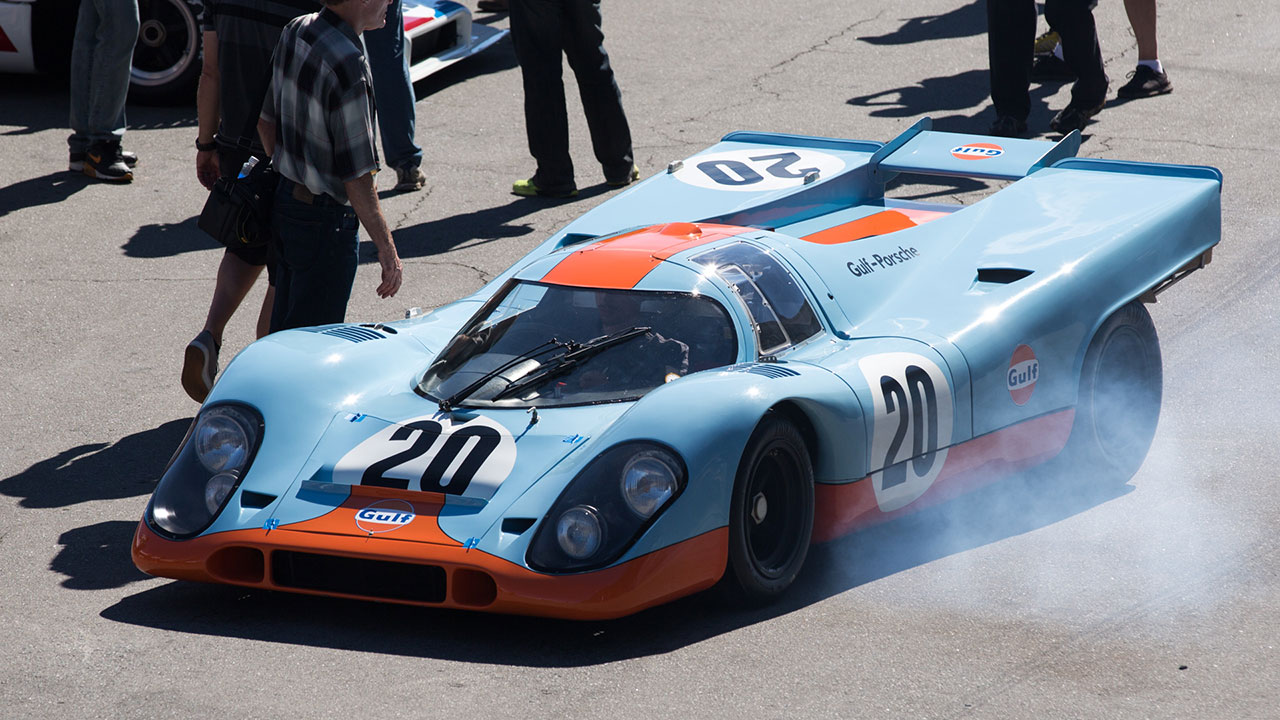
The Porsche 917 is a legendary race car that cemented Porsche’s reputation in endurance racing. Introduced in 1969, the 917 quickly became a force to be reckoned with, securing Porsche’s first overall victory at the 24 Hours of Le Mans in 1970. Its powerful flat-12 engine and aerodynamic design were revolutionary for its time.
The 917’s success on the track was matched by its impact on popular culture, featuring prominently in the 1971 film “Le Mans” starring Steve McQueen. Its legacy endures as a symbol of Porsche’s engineering prowess and racing heritage.
Ford GT40
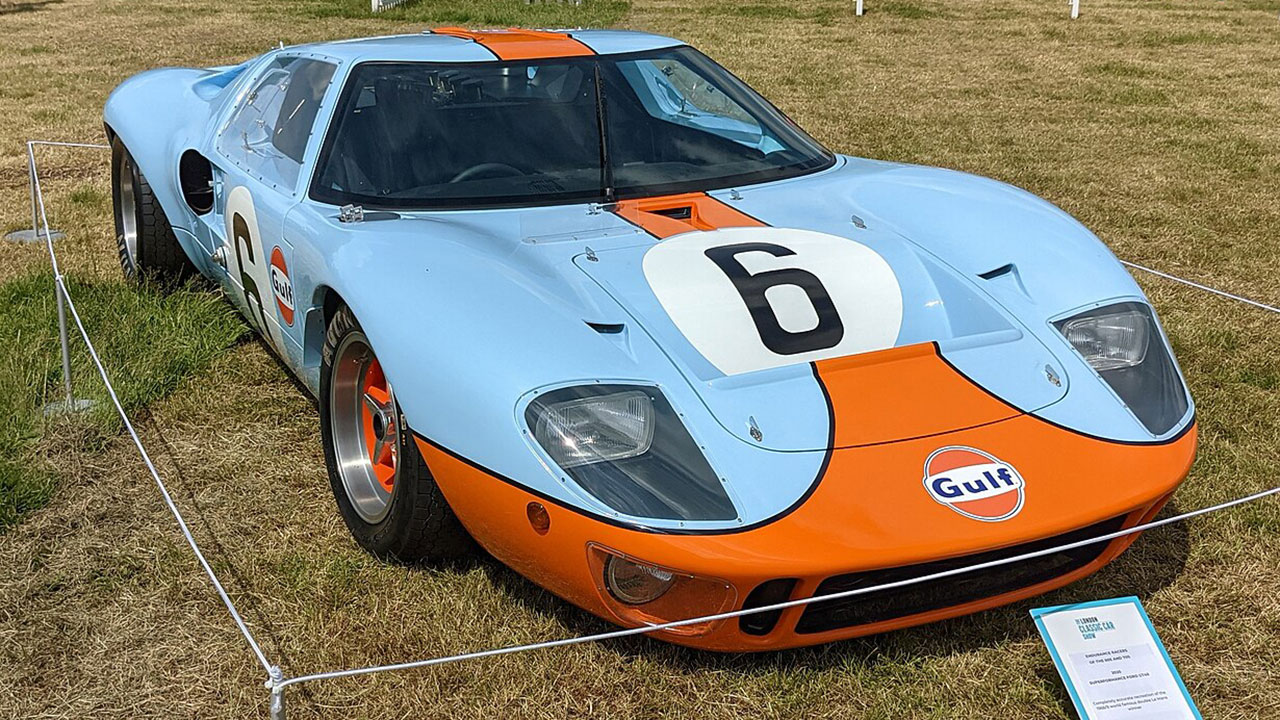
The Ford GT40 is synonymous with American racing success, particularly its triumphs at the 24 Hours of Le Mans. Developed in the 1960s to challenge Ferrari’s dominance, the GT40 achieved its goal spectacularly, winning Le Mans four consecutive times from 1966 to 1969.
Its victory in 1966, where Ford secured a 1-2-3 finish, is one of the most celebrated moments in motorsport history. The GT40’s blend of power, endurance, and striking design continues to inspire modern iterations of the Ford GT.
McLaren F1 GTR
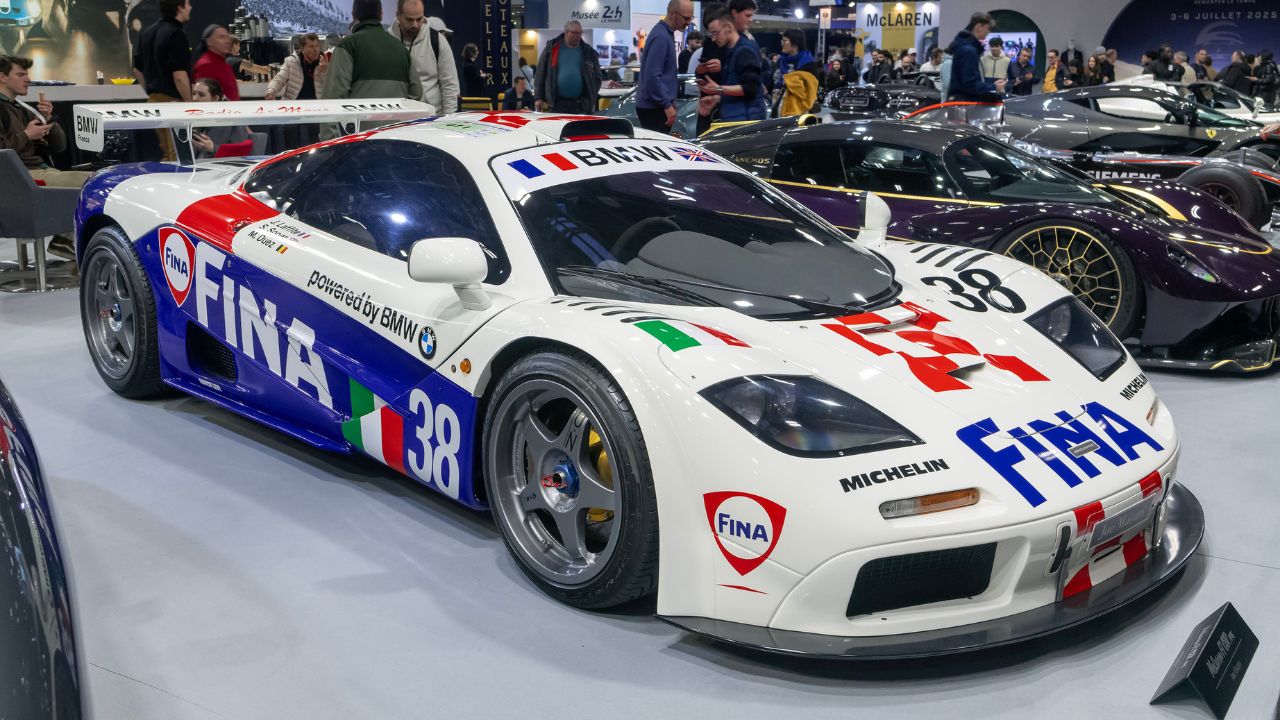
The McLaren F1 GTR is a testament to the capabilities of the McLaren F1 road car, adapted for racing with minimal modifications. Debuting in 1995, the F1 GTR achieved immediate success, winning the 24 Hours of Le Mans in its first year of competition.
Its 6.1-liter V12 engine and lightweight carbon fiber construction made it a formidable competitor on the track. The F1 GTR’s performance and engineering excellence have solidified its status as one of the most iconic race cars of the 1990s.
Audi Quattro
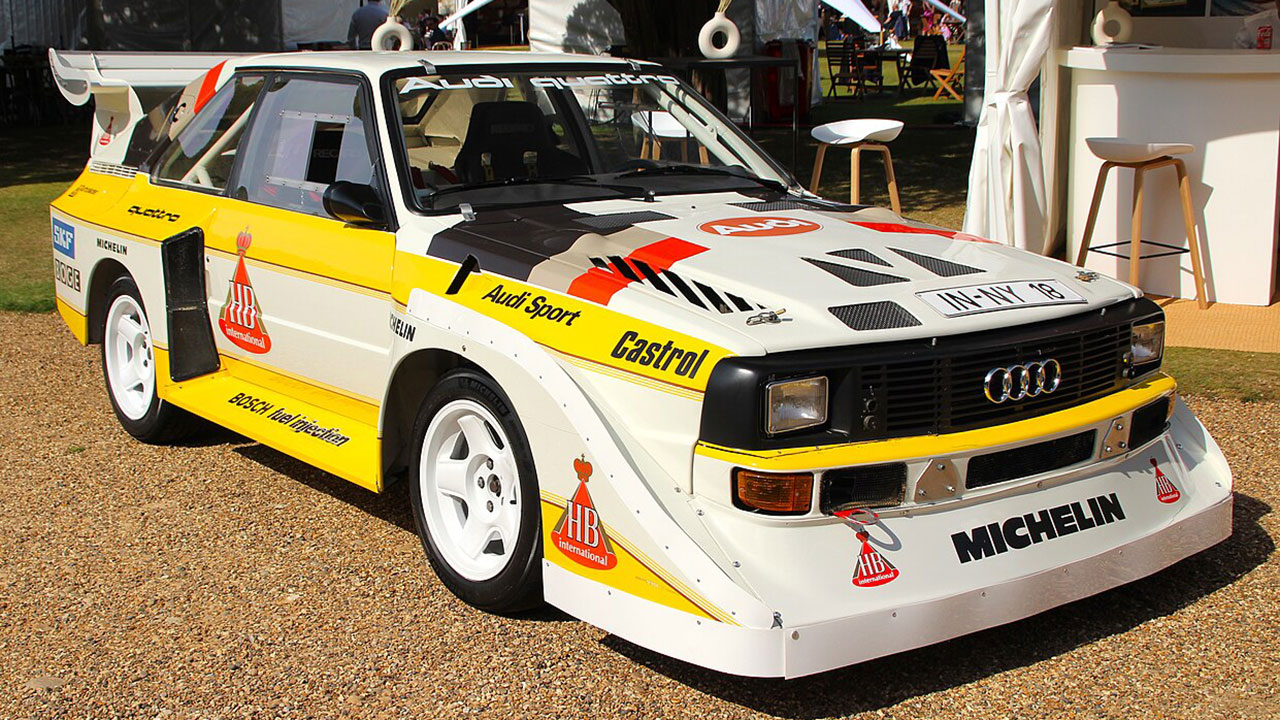
The Audi Quattro revolutionized rally racing with its introduction of all-wheel drive technology. Debuting in 1980, the Quattro quickly became a dominant force in the World Rally Championship, securing multiple titles throughout the decade.
Its innovative drivetrain and turbocharged engine set new standards for performance and handling in rally cars. The Quattro’s influence extends beyond motorsport, as it paved the way for the widespread adoption of all-wheel drive systems in road cars.
Lamborghini Miura
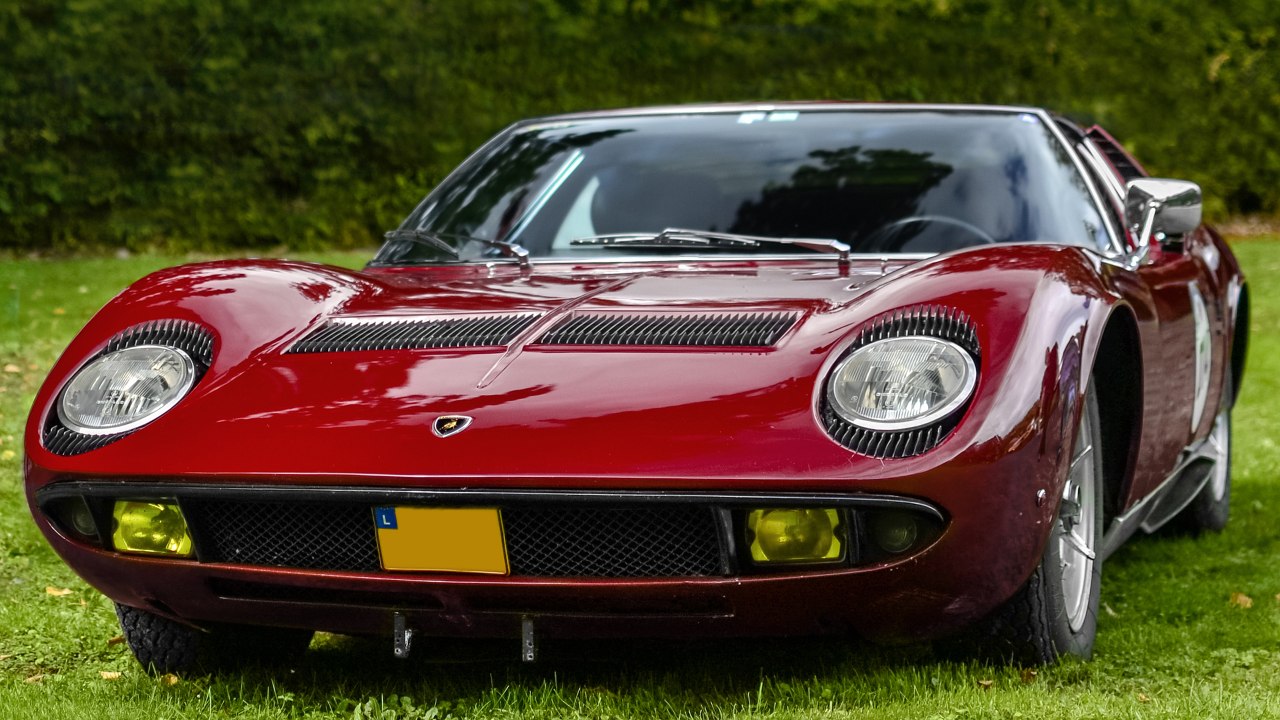
The Lamborghini Miura is often credited with establishing the template for the modern supercar. Launched in 1966, its mid-engine layout and stunning design were groundbreaking, influencing countless sports cars that followed.
While not a race car in the traditional sense, the Miura’s performance and aesthetics made it a favorite among enthusiasts and collectors. Its legacy is evident in Lamborghini’s continued commitment to producing high-performance, visually striking vehicles.
Nissan GT-R R32

The Nissan GT-R R32, affectionately known as “Godzilla,” made a significant impact on motorsport and car culture in the late 1980s and early 1990s. Its advanced all-wheel drive system and powerful turbocharged engine allowed it to dominate touring car championships worldwide.
The R32’s success on the track translated to a cult following among car enthusiasts, and its influence is still felt in the design and performance of modern GT-R models. It remains a symbol of Japanese engineering excellence and racing heritage.
Bugatti Veyron Super Sport
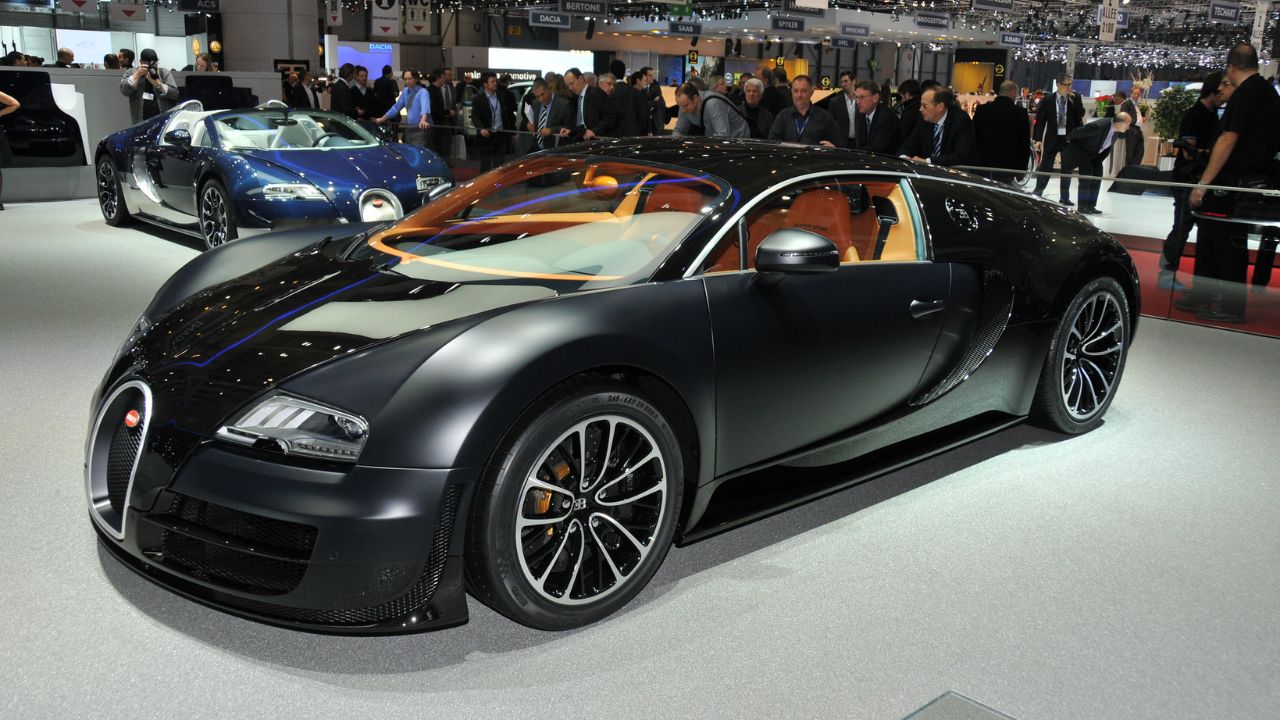
The Bugatti Veyron Super Sport redefined the limits of speed and luxury when it was introduced in 2010. With a top speed of 267.856 mph, it held the title of the world’s fastest production car for several years.
Its quad-turbocharged W16 engine and advanced aerodynamics set new benchmarks for performance and engineering. The Veyron Super Sport’s blend of speed, luxury, and exclusivity has made it a modern icon in the world of high-performance automobiles.
Mercedes-Benz 300SL Gullwing

The Mercedes-Benz 300SL Gullwing is a classic sports car that has captivated enthusiasts since its debut in 1954. Its distinctive gullwing doors and sleek design made it an instant icon, while its advanced engineering set new standards for performance.
Powered by a fuel-injected inline-six engine, the 300SL was one of the fastest cars of its time. Its combination of style, innovation, and racing pedigree has ensured its place in automotive history as one of the most celebrated cars of the 20th century.
Jaguar E-Type
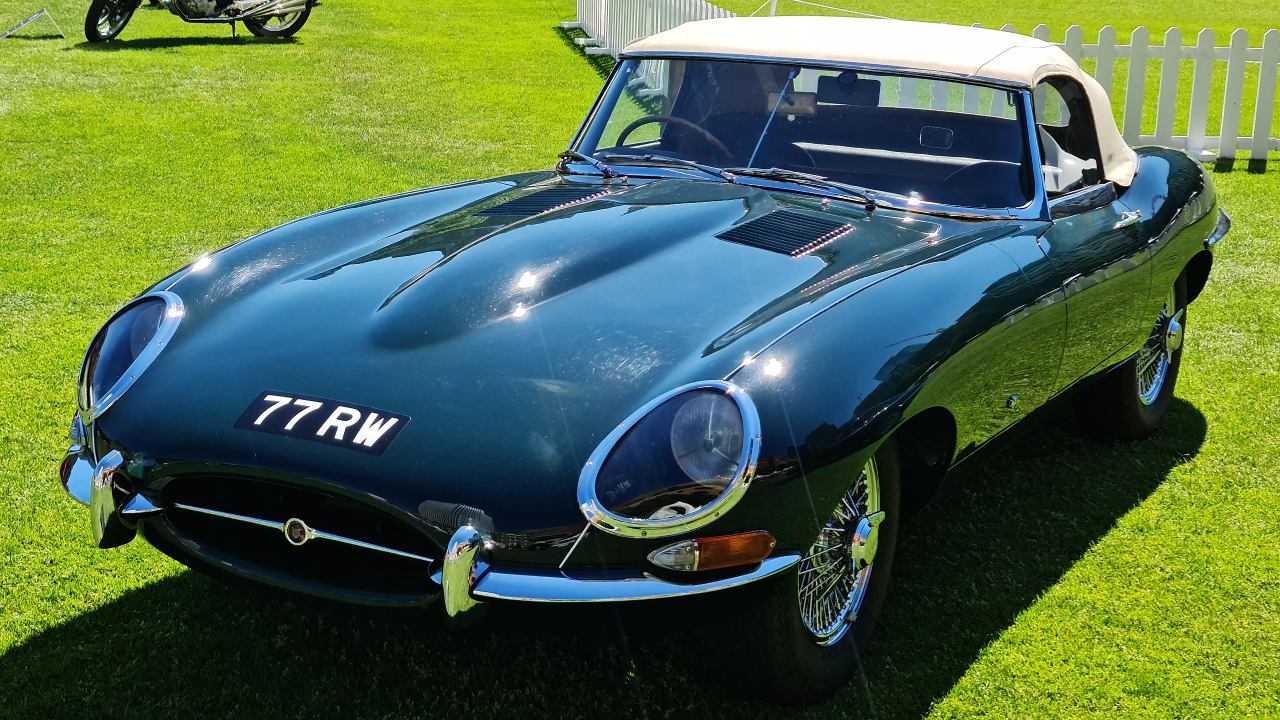
The Jaguar E-Type is often regarded as one of the most beautiful cars ever made. Launched in 1961, its elegant design and impressive performance quickly made it a favorite among car enthusiasts and collectors.
Its success on the track, particularly in endurance racing, further cemented its reputation as a legendary sports car. The E-Type’s influence is still evident in modern Jaguar designs, and it remains a symbol of British automotive excellence.
Chevrolet Corvette C1
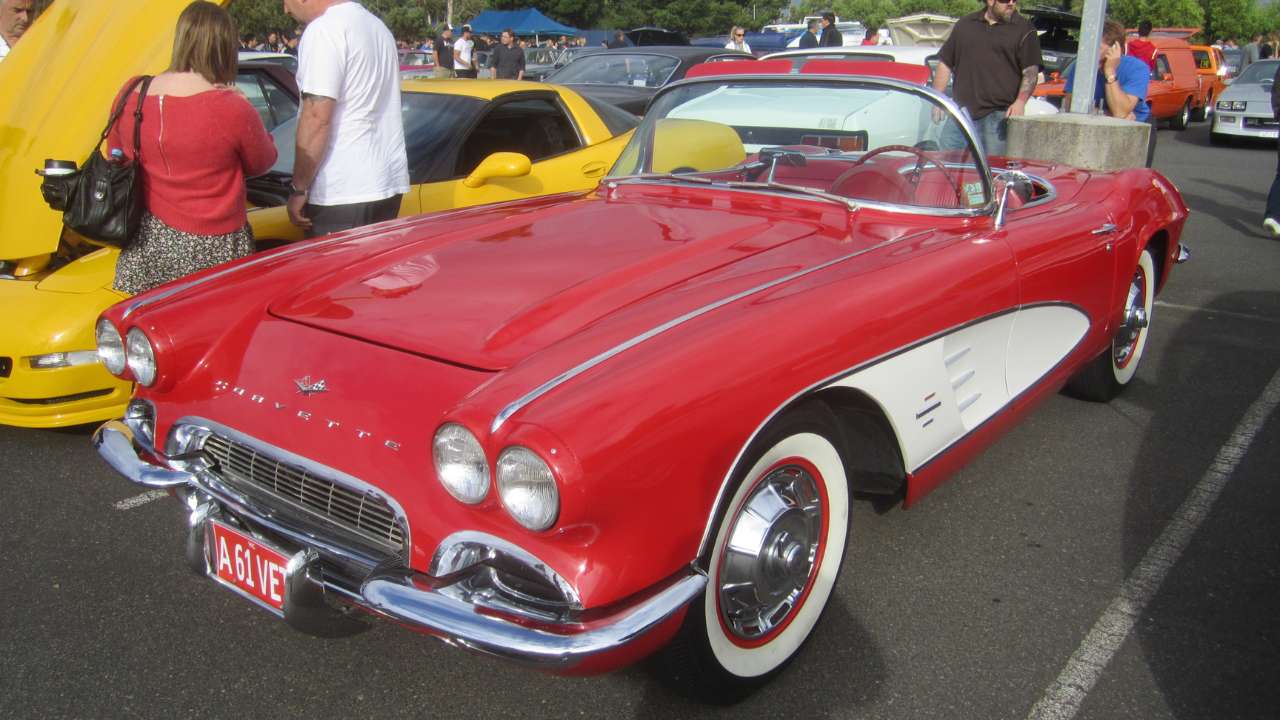
The Chevrolet Corvette C1 marked the beginning of an American sports car legacy. Introduced in 1953, the C1’s sleek design and powerful V8 engine set the stage for the Corvette’s enduring success in both road and racing applications.
Its participation in motorsport, particularly in endurance racing, helped establish the Corvette as a formidable competitor. The C1’s influence is still felt in the design and performance of modern Corvettes, making it a true American icon.
Aston Martin DBR1
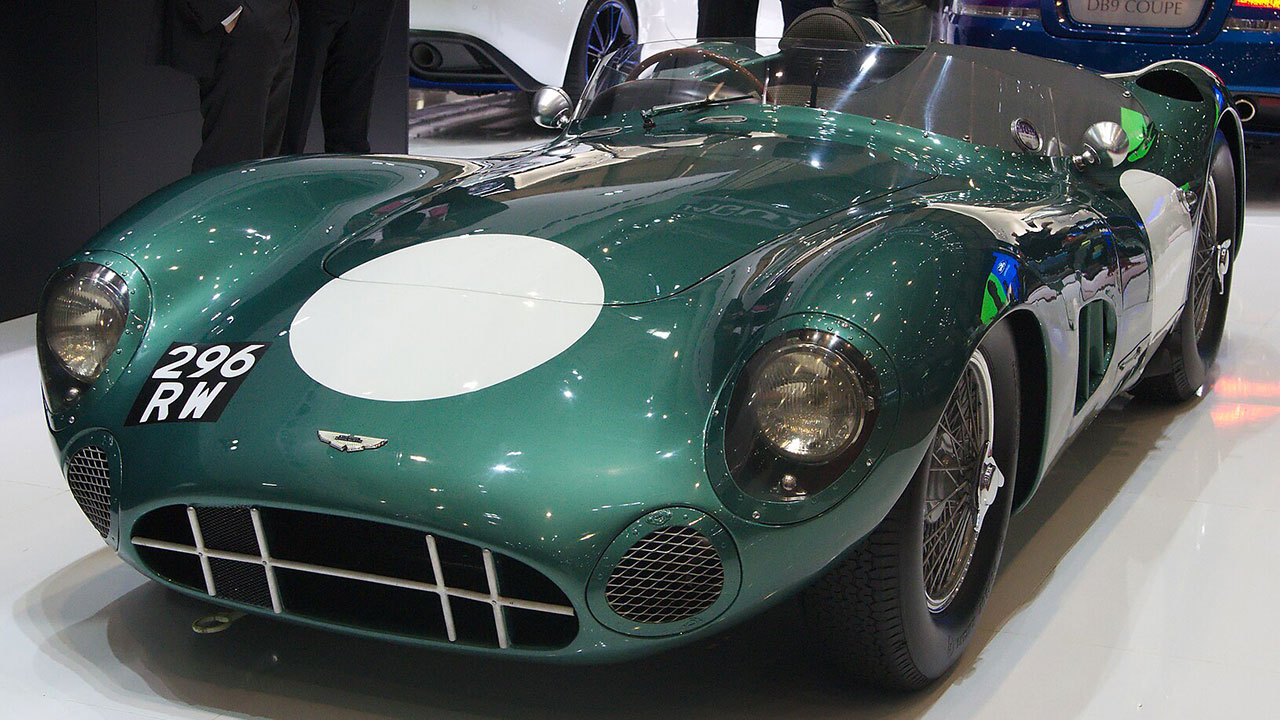
The Aston Martin DBR1 is a legendary race car that achieved significant success in the late 1950s. Its most notable victory came in 1959 when it won the 24 Hours of Le Mans, marking Aston Martin’s first and only overall win at the prestigious event.
Powered by a 2.9-liter inline-six engine, the DBR1’s combination of speed and reliability made it a formidable competitor on the track. Its success and timeless design have made it one of the most celebrated race cars in Aston Martin’s storied history.
Like Fast Lane Only’s content? Be sure to follow us.
Here’s more from us:
*Created with AI assistance and editor review.