
The automotive world is no stranger to innovation and eccentricity, especially when it comes to car doors. While gullwing doors have become iconic, there are vehicles with even more unconventional designs that push the boundaries of creativity and engineering. Some of the most intriguing and unusual car doors ever created offer a glimpse into the imaginative minds of automotive designers and engineers.
Scissor Doors: A Vertical Statement

Scissor doors, also known as Lambo doors, have become synonymous with high-performance vehicles, largely due to their association with Lamborghini. The Lamborghini Countach, introduced in the 1970s, was one of the first cars to feature this distinctive door style, which opened vertically rather than outward. This design not only provided a dramatic visual impact but also offered practical benefits in tight parking spaces. The scissor door’s fame has since spread beyond Lamborghini, influencing car culture and becoming a symbol of luxury and innovation.
The engineering behind scissor doors involves a complex mechanism that allows the doors to pivot vertically at a fixed hinge near the windshield. This design requires precise engineering to ensure stability and ease of use. The vertical hinge presents challenges in terms of weight distribution and structural integrity, necessitating reinforced door frames and specialized hinges. Despite these challenges, the allure of scissor doors has led to their adoption in various vehicles, including concept cars and even some motorcycles, showcasing their versatility and appeal beyond traditional supercars.
Sliding and Swiveling Wonders

Sliding doors have long been celebrated for their practicality, particularly in minivans where ease of access is paramount. The sliding door revolutionized family vehicles by providing a solution that minimized the space needed to open doors, making it ideal for tight parking situations. This design has also found its way into futuristic concept cars, where designers experiment with new ways to enhance passenger convenience and vehicle aesthetics.
Swivel doors, on the other hand, offer a unique approach by rotating outward to provide easy access to the vehicle’s interior. This design is particularly beneficial in urban environments where space is limited, allowing for seamless entry and exit. Swivel doors have been implemented in various urban mobility solutions, emphasizing accessibility and convenience. These door designs not only enhance the user experience but also reflect a growing trend towards more inclusive and user-friendly vehicle designs.
Dihedral and Butterfly Doors: A Twist on Traditional

Dihedral doors, popularized by brands like McLaren, offer a distinctive movement that sets them apart from traditional door designs. These doors pivot on a hinge that allows them to open outward and upward, creating a striking visual effect. The McLaren P1 is a prime example of a vehicle that utilizes dihedral doors to enhance its aerodynamic profile while providing a dramatic entrance. The aesthetic appeal of dihedral doors is matched by their functional benefits, as they allow for easier access in tight spaces compared to conventional doors.
Butterfly doors, which combine elements of scissor and gullwing doors, provide an eye-catching entrance that is both stylish and functional. This design allows the doors to open upward and outward, creating a wide opening for passengers. Vehicles like the Ferrari LaFerrari and the BMW i8 have adopted butterfly doors, showcasing their ability to blend style with practicality. The combination of visual impact and functional benefits makes these door designs a popular choice for high-performance and luxury vehicles.
Suicidal and Opposing Door Concepts
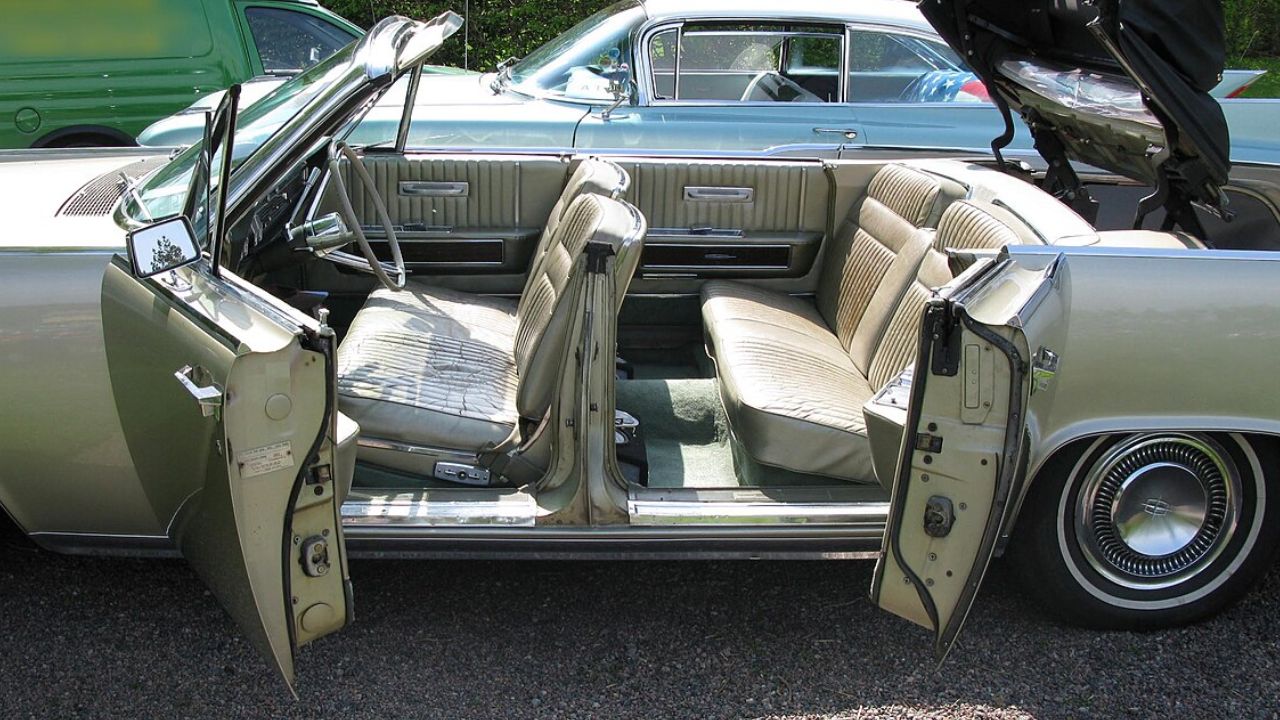
Suicide doors, named for their unconventional rear-hinged design, have a storied history in the automotive world. Originally popular in the early 20th century, these doors allowed for easier access to the rear seats of a vehicle. However, their name stems from the potential safety risks associated with their design, as they could open unexpectedly while the vehicle was in motion. Despite these concerns, suicide doors have a cultural significance and have been featured in iconic vehicles like the Lincoln Continental.
In recent years, modern interpretations of suicide doors have emerged, with manufacturers reimagining the concept to address safety concerns. Vehicles like the Rolls-Royce Phantom and the Mazda RX-8 have revived the suicide door design, incorporating advanced safety features to mitigate risks. The appeal of opposing door designs lies in their unique aesthetic and the ease of access they provide, making them a compelling choice for luxury and concept vehicles. However, designers must carefully consider the safety and structural challenges associated with these doors to ensure their viability in modern vehicles.
Rare and Experimental Door Designs

The world of automotive design is filled with rare and experimental door concepts that challenge conventional norms. One such innovation is the rotary door, which features a rotating mechanism that allows the door to pivot around a central axis. This design has appeared in a few concept vehicles, showcasing its potential to revolutionize vehicle access. While rotary doors remain a rarity, their unique approach to door design highlights the creativity and ingenuity of automotive engineers.
Beyond rotary doors, other lesser-known door styles have emerged as alternatives to the iconic gullwing design. Canopy doors, for example, open upward and forward, providing a dramatic entrance reminiscent of fighter jets. Top-hinged doors, which pivot from the roof of the vehicle, offer another unconventional approach to vehicle access. These experimental designs push the boundaries of what is possible in automotive engineering, inspiring future innovations in door technology.
As the automotive industry continues to evolve, emerging technologies and materials are likely to inspire the next generation of unusual car doors. Advances in lightweight materials, electric propulsion, and autonomous driving systems may pave the way for even more creative and functional door designs. The future of automotive doors promises to be as exciting and diverse as the vehicles they adorn, reflecting the ever-changing landscape of automotive design and innovation.
Like Fast Lane Only’s content? Be sure to follow us.
Here’s more from us:
*Created with AI assistance and editor review.