By the mid-1960s, American car buyers had more choices than ever before.
Detroit’s major manufacturers were competing fiercely across every segment of the market. Buyers could choose economical compact cars, family sedans, sporty coupes, luxury cruisers, and increasingly powerful muscle cars. Yet despite this variety, there remained a noticeable gap between mainstream automobiles and traditional luxury brands.
Many customers wanted something in the middle.
They liked the comfort and prestige associated with premium vehicles, but they weren’t necessarily interested in paying Cadillac prices or adopting the formal image that often came with luxury ownership. They wanted a car that felt upscale and refined while remaining practical and approachable.
Chevrolet saw an opportunity.
The company had built its reputation on delivering value, reliability, and broad appeal, but executives recognized that many loyal customers were looking for something more sophisticated. Rather than losing those buyers to higher-priced divisions, Chevrolet decided to offer a premium experience within its own lineup.
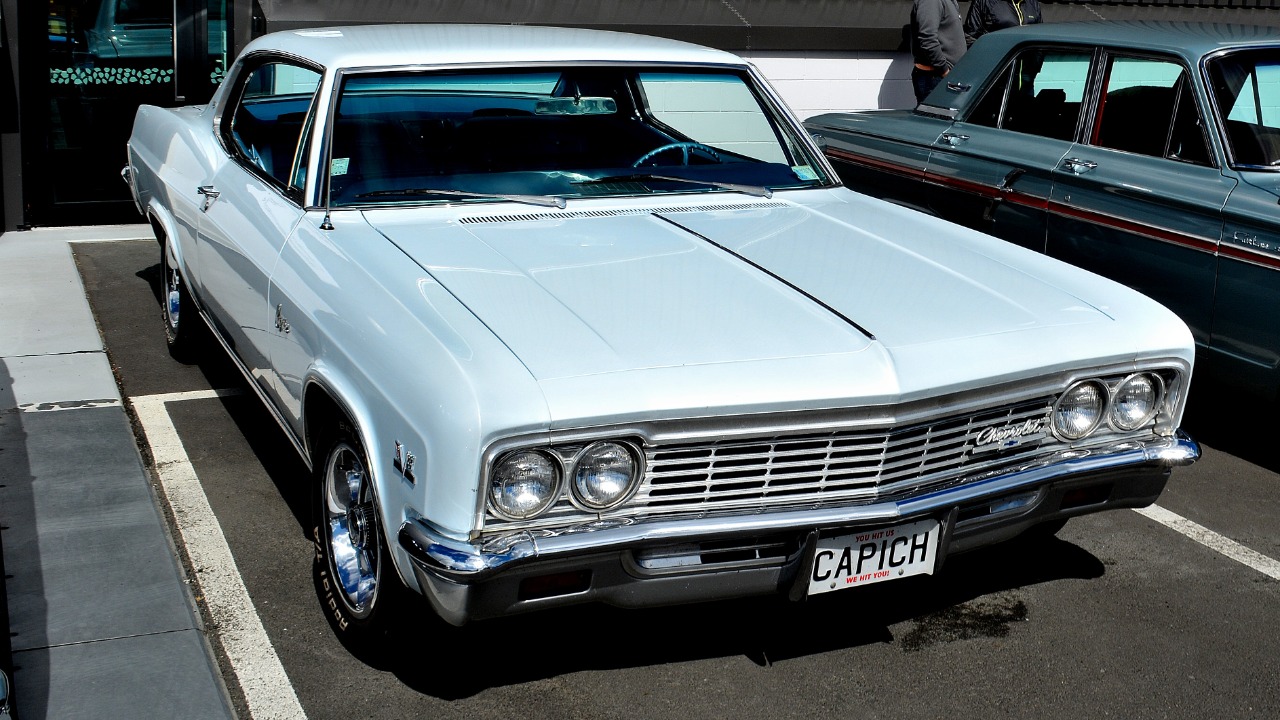
The result was the 1966 Chevrolet Caprice.
What began as a top-level full-size model quickly became something more important. The Caprice helped redefine what buyers could expect from a mainstream American automobile, introducing higher levels of comfort, refinement, and prestige without requiring customers to step into a traditional luxury showroom.
In many ways, it helped create a new category.
And the industry took notice.
Chevrolet Wanted to Keep Buyers in the Family
During the 1960s, it was common for successful customers to move from mainstream brands into luxury divisions as their incomes increased.
A buyer might begin with a Chevrolet, eventually upgrade to an Oldsmobile or Buick, and later purchase a Cadillac. This ladder existed throughout General Motors and was considered a natural progression.
However, consumer preferences were beginning to change.
Many buyers developed strong loyalty to Chevrolet and preferred to remain with the brand they already trusted. They simply wanted a more refined vehicle than what had traditionally been available in a Chevrolet showroom.
The company recognized this shift.
Rather than encouraging customers to move elsewhere within the GM hierarchy, Chevrolet introduced a car designed to satisfy those desires directly.
The Caprice became the answer.
It offered a more premium experience while preserving the familiarity and value that had made Chevrolet successful.
The Caprice Looked More Expensive Than It Was
One of the Caprice’s greatest strengths was its appearance.
Chevrolet’s designers understood that premium buyers wanted visual distinction. The Caprice therefore received unique styling details that separated it from other full-size Chevrolets without making it appear flashy or excessive.
The effect was subtle but effective.
Distinctive trim, elegant badging, and carefully selected design elements created an upscale image that immediately communicated the car’s position within the lineup. Buyers could tell the Caprice was something special even before stepping inside.
Importantly, Chevrolet avoided overdoing it.
The styling projected sophistication rather than extravagance. It looked refined, modern, and expensive in a way that appealed to consumers who valued good taste over conspicuous display.
That balance became a major selling point.
The Interior Elevated Expectations
If the exterior hinted at luxury, the interior confirmed it.
Chevrolet devoted considerable effort to creating a cabin environment that felt significantly more upscale than what many buyers expected from a mainstream brand. Richer materials, upgraded upholstery, improved trim, and greater attention to detail transformed the ownership experience.
Passengers noticed immediately.
The seats felt more comfortable, the surroundings appeared more refined, and the overall atmosphere suggested a higher level of craftsmanship. Chevrolet wanted owners to feel that they had purchased something genuinely premium rather than simply a better-equipped family sedan.
This focus reflected broader industry trends.
Consumers increasingly judged automobiles by how they felt from behind the wheel, not merely by specifications or exterior dimensions.
The Caprice excelled in that regard.
Comfort Became Part of the Luxury Formula
American buyers had long valued comfort, but the Caprice elevated it to a new level within Chevrolet’s lineup.
The car emphasized smooth ride quality, quiet operation, and relaxed cruising characteristics that made every journey more enjoyable. Whether driving across town or across state lines, owners benefited from an experience designed to reduce fatigue and increase satisfaction.
This emphasis proved especially important during an era of expanding interstate travel.
Families were covering greater distances than ever before, and buyers increasingly appreciated vehicles capable of making long trips comfortable and stress-free.
The Caprice was perfectly suited to that environment.
Its spacious interior and composed road manners made it an outstanding highway companion.
The car encouraged drivers to enjoy the journey rather than simply endure it.
It Blended Prestige With Accessibility
One reason the Caprice became so influential was its ability to balance premium features with mainstream practicality.
Traditional luxury cars often carried higher purchase prices and projected a more formal image. For some buyers, those characteristics were appealing. For others, they felt unnecessary.
The Caprice occupied a sweet spot.
It delivered many of the comforts and amenities associated with luxury automobiles while maintaining Chevrolet’s reputation for accessibility and value. Owners enjoyed an upscale experience without feeling disconnected from everyday life.
This positioning proved remarkably effective.
The car appealed to professionals, families, retirees, and countless other buyers seeking something nicer without crossing into full luxury territory.
Chevrolet had identified a large and growing audience.
The Caprice served it exceptionally well.
Powerful Engines Added Confidence
Luxury was important, but Chevrolet understood that American buyers still expected strong performance from a full-size automobile.
Fortunately, the Caprice offered a variety of engine choices capable of meeting those expectations. Buyers could select powertrains ranging from sensible everyday options to substantial V8 engines that delivered impressive acceleration and effortless highway performance.
The availability of these engines enhanced the car’s appeal considerably.
Owners enjoyed the confidence that came with abundant power, particularly during passing maneuvers or long-distance travel. The Caprice felt capable and relaxed rather than strained.
This combination of comfort and performance became increasingly important.
Buyers no longer wanted to sacrifice one in order to enjoy the other.
The Caprice showed they didn’t have to.
Chevrolet Helped Create a New Market Segment
Perhaps the Caprice’s greatest achievement was demonstrating that premium automobiles could thrive outside traditional luxury brands.
Before vehicles like the Caprice, the distinction between mainstream and luxury cars was often more rigid. Buyers generally moved from one category to another as their needs and budgets evolved.
The Caprice challenged that assumption.
It suggested that manufacturers could successfully offer upscale vehicles within mainstream brands, creating new opportunities for both companies and consumers.
This idea proved enormously influential.
Over time, countless manufacturers introduced premium trim levels, luxury-oriented models, and near-luxury vehicles inspired by similar principles.
The Caprice helped lead the way.
Its success validated the concept.
Competitors Quickly Responded
The automotive industry rarely ignores successful ideas.
As the Caprice gained popularity, competing manufacturers expanded their own premium offerings. They recognized that buyers wanted vehicles combining luxury-inspired features with accessible pricing and familiar branding.
The trend accelerated rapidly.
Throughout the late 1960s and into the 1970s, premium mainstream cars became increasingly common. Manufacturers invested heavily in comfort, styling, and upscale interiors as they sought to capture similar customers.
The Caprice was not solely responsible for this movement.
But it was unquestionably one of its most visible and influential examples.
Its success demonstrated the market’s potential.
The Caprice Became a Symbol of Success
For many owners, the Caprice represented more than transportation.
It became a symbol of achievement and upward mobility. Buyers appreciated the fact that the car projected success without appearing ostentatious. It reflected accomplishment while remaining practical and approachable.
That image contributed significantly to its popularity.
The Caprice felt aspirational yet attainable.
People could realistically envision themselves owning one.
Chevrolet understood the power of that emotional connection.
The company leveraged it effectively.
Collectors Appreciate Its Legacy
Today, the 1966 Caprice is remembered as an important turning point in American automotive history.
Collectors value its styling, comfort, and historical significance. More importantly, they recognize the role it played in changing consumer expectations and reshaping the relationship between mainstream and luxury automobiles.
The Caprice was ahead of its time.
Many modern premium vehicles owe something to the path it helped establish.
Its influence remains surprisingly visible.
The Chevrolet That Raised the Standard
Looking back, the Caprice succeeded because Chevrolet recognized that buyers wanted more from their automobiles.
They wanted comfort, sophistication, and prestige, but they also wanted value and familiarity. Rather than forcing customers to choose between those qualities, Chevrolet combined them into a single package.
The result exceeded expectations.
And it changed the industry.
More Than Just a New Model
The 1966 Chevrolet Caprice changed expectations for premium American cars because it proved that luxury-inspired comfort, refinement, and style could exist within a mainstream brand.
By offering upscale interiors, elegant styling, smooth road manners, strong engine choices, and a more sophisticated ownership experience, the Caprice blurred the traditional line between mainstream and luxury automobiles. It demonstrated that buyers could enjoy premium features without abandoning the accessibility and value that had drawn them to Chevrolet in the first place.
More than half a century later, the Caprice remains an important reminder of how quickly consumer expectations can evolve.
It wasn’t simply a better Chevrolet.
It helped redefine what buyers expected from American cars altogether.
More from Fast Lane Only