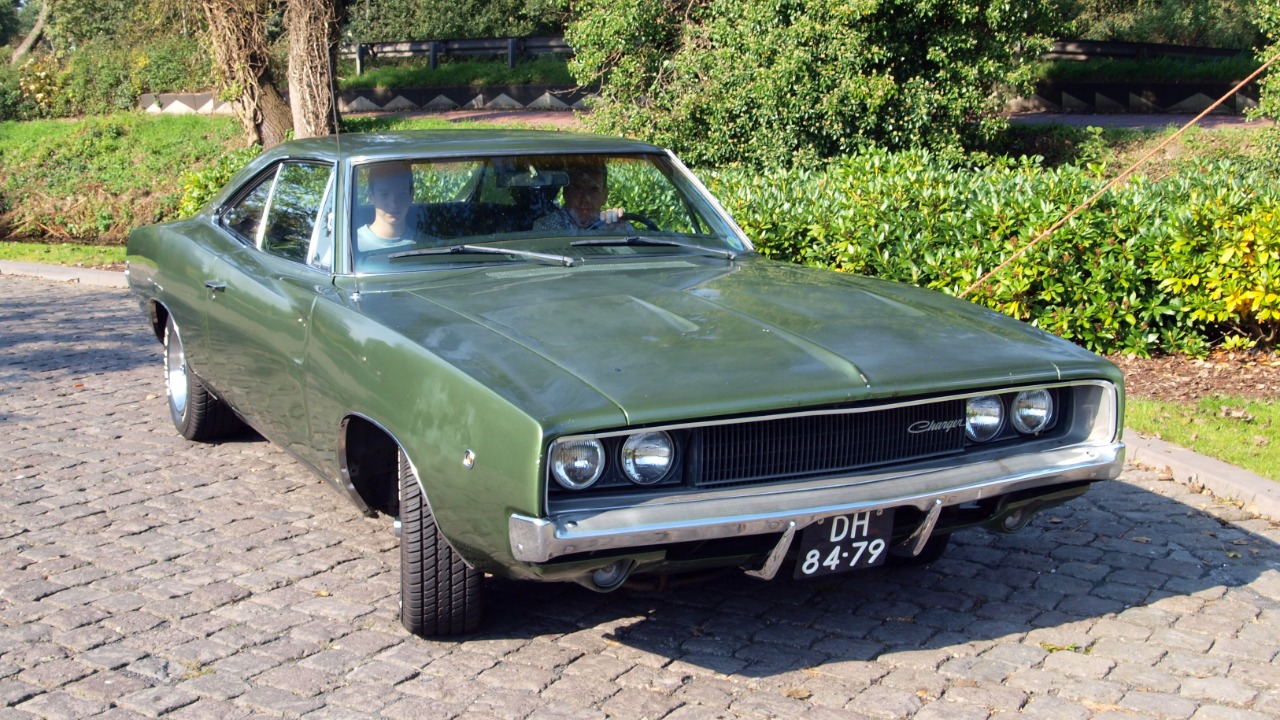
The 1968 Dodge Charger is often heralded as a revolutionary vehicle that transformed automotive styling standards overnight. With its bold design, aggressive stance, and innovative features, the Charger set a new benchmark for muscle cars and left an indelible mark on automotive history. The introduction of the Charger not only influenced consumer preferences but also pushed the boundaries of what was considered possible in automotive design.
Historical Context of the 1968 Dodge Charger
The automotive landscape in the 1960s was characterized by a fierce competition among American manufacturers to capture the growing muscle car market. With the post-war economic boom, consumers were eager for vehicles that offered both performance and style. This era saw the rise of iconic models, such as the Ford Mustang and Chevrolet Camaro, which set the stage for Dodge to make its bold move with the Charger. The competition was not merely about speed; it was also about visual appeal, leading manufacturers to rethink their design philosophies.
During this time, the introduction of the “Coke bottle” shape became a significant design trend. This styling feature, characterized by a narrow waist and flared fenders, created a sense of motion even when the car was stationary. The 1968 Dodge Charger embraced this new aesthetic, presenting a silhouette that was both aggressive and elegant. The design not only made a statement but also reflected the larger cultural shifts of the 1960s, where individuality and freedom were paramount.
Design Innovations of the 1968 Charger
The exterior of the 1968 Charger is a masterpiece of automotive design. The long hood, short rear deck, and the distinctive Coke bottle shape combined to form a silhouette that was unmistakable on the road. The car’s body lines were sculpted to provide a sense of speed, while the bold front grille and sleek rear end added to its aggressive stance. One of the standout features was the hidden headlights, which not only enhanced the car’s sleek appearance but also contributed to its aerodynamic profile.
Beyond the exterior, the interior of the Charger was designed with the driver in mind. High-back bucket seats offered comfort and support, while the dashboard layout was intuitive and driver-focused. The use of quality materials and attention to detail created an inviting environment that enhanced the driving experience. Features like the optional center console and available wood grain accents added a touch of luxury, making the Charger appealing to a broader audience.
Performance and Engineering Advances
The 1968 Dodge Charger didn’t just look good; it was engineered for performance. Buyers had several engine options to choose from, ranging from the standard 318 cubic inch V8 to the powerful 426 Hemi. Each engine variant offered a unique driving experience, allowing enthusiasts to select the power level that best suited their needs. The Charger was built on a unibody platform, which provided a stiff structure, improving handling and ride quality.
What set the Charger apart was its ability to balance power with usability. While it could deliver exhilarating performance on the racetrack, it was also practical for everyday driving. The engineering team focused on making the Charger accessible, providing a smooth ride that didn’t compromise on the thrill of driving. This combination of performance and comfort resonated with consumers, solidifying the Charger’s place in the muscle car hierarchy.
The Charger’s Cultural Impact
The cultural significance of the 1968 Charger extends far beyond its performance and design. The car became a symbol of rebellion and the burgeoning American muscle culture, often showcased in films and television shows. One of the most famous appearances was in the television series “The Dukes of Hazzard,” where a modified Charger, known as the “General Lee,” became an icon of its own. This representation in popular media helped cement the Charger’s status as a cultural phenomenon and connected it with themes of freedom and adventure.
Moreover, the Charger influenced consumer expectations in the automotive industry. As buyers increasingly sought cars that reflected their identities, the Charger became a representation of power, style, and individuality. Its presence in media and pop culture prompted a shift in buyer expectations, as consumers began to demand more from their vehicles, not just in terms of performance but also in style and presence on the road.
Legacy and Influence on Future Models
The legacy of the 1968 Dodge Charger is evident in its influence on subsequent models and the broader muscle car segment. The design principles established by the Charger paved the way for future iterations, including the 1970 Charger, which built upon the original’s iconic styling while introducing new features and technologies. Competing models, such as the Pontiac GTO and Chevrolet Chevelle, also took cues from the Charger’s success, further shaping the muscle car landscape of the 1970s and beyond.
Even decades later, the impact of the 1968 Charger can be seen in modern muscle cars. Manufacturers continue to draw inspiration from its bold styling and performance capabilities, ensuring that the Charger’s influence endures. The design language established by the Charger has left a lasting imprint on how muscle cars are conceived, blending performance with aesthetic appeal in ways that resonate with car enthusiasts today.
Collectors and Enthusiasts Today
In today’s classic car market, the 1968 Dodge Charger holds a special status among collectors and enthusiasts. Its combination of iconic design, powerful performance, and cultural significance has made it a sought-after model for restoration and preservation. Prices for well-maintained examples can vary significantly based on condition and provenance, with some pristine models fetching six figures at auction. This interest has fostered a vibrant community of Charger enthusiasts who share a passion for the model.
Numerous clubs and online forums exist where Charger owners can connect, share restoration tips, and celebrate their vehicles. Events such as car shows and meet-ups provide opportunities for fans to showcase their Chargers and bond over their shared admiration for this classic muscle car. Resources like Facebook groups and dedicated websites serve as hubs for exchanging knowledge and fostering community among Charger lovers.
The cultural legacy of the 1968 Charger remains strong, and its impact continues to inspire new generations of car enthusiasts. As I delve deeper into the world of classic cars, I find that the Charger represents more than just a vehicle; it embodies a spirit of freedom and adventure that resonates with anyone who appreciates power and style on four wheels.
More from Fast Lane Only
- Unboxing the WWII Jeep in a Crate
- 15 rare Chevys collectors are quietly buying
- 10 underrated V8s still worth hunting down
- Police notice this before you even roll window down
*Research for this article included AI assistance, with all final content reviewed by human editors.