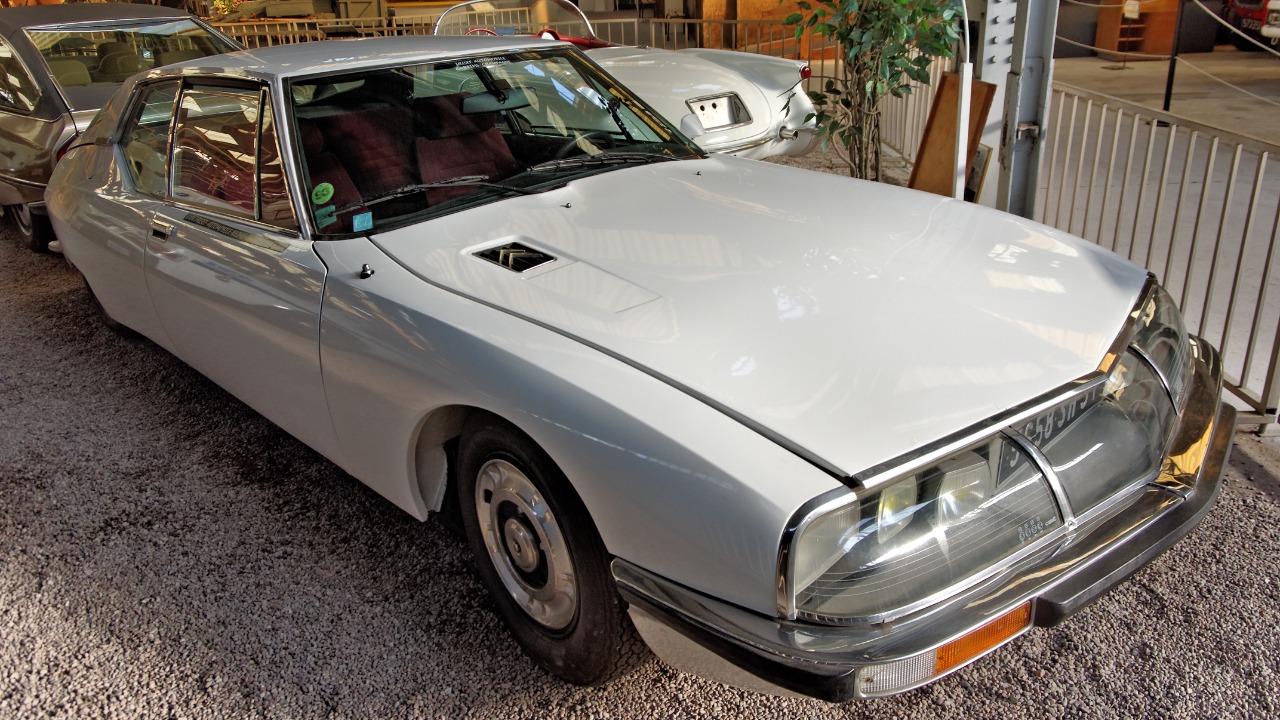
The 1970 Citroën SM is a marvel of automotive engineering that combined innovative design with advanced technology. Few cars of its era could match its performance, luxury, and unique features, making it a standout in the world of automobiles.
Innovative Design Features
The 1970 Citroën SM’s aerodynamic shape is one of its most striking characteristics. Its sleek lines and low profile were inspired by aeronautical design principles, allowing it to slice through the air with minimal resistance. This not only contributed to its impressive performance but also enhanced its stability at high speeds, making it a joy to drive on the highway. The design also featured a long hood and a short rear, giving the SM a dynamic stance that set it apart from other vehicles of its time.
Another groundbreaking feature of the SM was its hydropneumatic suspension. This revolutionary system used a combination of hydraulic fluid and gas to adjust the ride height and provide a smooth ride, regardless of the road conditions. The ability to raise or lower the car at the push of a button was not just a novelty; it significantly improved handling and comfort, allowing drivers to tackle various terrains without sacrificing stability. This system would later become a hallmark of Citroën, showcasing the brand’s commitment to innovative engineering.
Additionally, the SM boasted a unique headlight system that was ahead of its time. The directional headlights adjusted with the steering, providing improved visibility during turns. This feature not only enhanced safety but also added to the overall driving experience, allowing drivers to navigate winding roads with confidence. Such innovations were rare in the early 1970s, highlighting the forward-thinking design philosophy that Citroën embraced with the SM.
Advanced Engine Technology
At the heart of the Citroën SM was a powerful Maserati-designed V6 engine, which delivered a remarkable balance of performance and refinement. Producing approximately 170 horsepower, this engine allowed the SM to accelerate smoothly while maintaining a high level of comfort for both driver and passengers. The choice of a Maserati engine was significant, as it brought a level of Italian flair and performance to the French automobile market, blending two rich automotive heritages.
The incorporation of a fuel injection system in the SM was another groundbreaking advancement. This technology improved fuel efficiency and responsiveness, setting a new standard for high-performance vehicles. The SM was not just fast; it was also engineered to deliver a driving experience that emphasized both power and control. With a top speed of over 140 mph, the SM was one of the fastest cars of its day, thanks to its lightweight construction and powerful engine. The combination of speed and elegance made it a desirable option for enthusiasts and collectors alike.
Luxurious Interior and Comfort
Stepping inside the Citroën SM reveals a spacious cabin designed for both luxury and functionality. The interior featured high-quality materials and innovative storage solutions, creating an environment that felt both sophisticated and practical. The seats were designed with comfort in mind, making long journeys enjoyable for all occupants. The attention to detail in the interior design reflected Citroën’s commitment to providing a premium driving experience.
Moreover, the advanced climate control system in the SM ensured a comfortable driving experience regardless of the weather conditions. With effective heating and ventilation, occupants could enjoy a pleasant environment no matter the season. The unique dashboard and controls added to the futuristic feel of the car, featuring innovative instrumentation that was rare in vehicles of that era. The user-friendly layout made it easy for drivers to access essential functions without distraction, further enhancing the overall driving experience.
Technological Innovations Ahead of Its Time
The technological innovations found in the Citroën SM extended beyond its engine and suspension. The car featured power-assisted brakes, which provided exceptional feedback and control, enhancing safety and driving pleasure. This feature was particularly important for a vehicle with such high performance capabilities, ensuring that drivers could confidently handle the power at their disposal.
In addition to these features, some models of the SM included early forms of electronic controls for various functions. These advancements paved the way for the technology seen in modern vehicles, showcasing Citroën’s foresight in automotive design. The integration of these electronic features highlighted the brand’s role as a pioneer in the industry, and many of these innovations continue to influence car manufacturers today.
Cultural Impact and Legacy
The Citroën SM quickly became a symbol of French engineering, representing a blend of technology and artistry that captivated automotive enthusiasts and collectors alike. Its unique design and innovative features made it an icon of the era, and it remains a celebrated example of what was possible in automotive engineering during the 1970s. The SM’s striking aesthetics and advanced technology have made it a beloved classic, often referenced in discussions about the evolution of modern cars.
Even decades after its production ended, the Citroën SM remains a sought-after classic car. Dedicated clubs and events celebrating its unique heritage continue to thrive, fueling interest among collectors and enthusiasts. The enduring popularity of the SM is a testament to its lasting impact on the automotive world and its place in the hearts of car lovers worldwide. Its design and technology have inspired a new generation of vehicles, influencing how engineers and designers approach automotive challenges.
For those interested in exploring the rich history of the Citroën SM, there are numerous resources available. Books such as “The Citroën SM: The Concorde of the Road” and “In Search of the Citroën SM” provide insights into its design philosophy and engineering marvels. Additionally, the Citroën Vie website offers a wealth of information about the car’s cultural significance and its legacy in the automotive industry.
More from Fast Lane Only
- Unboxing the WWII Jeep in a Crate
- 15 rare Chevys collectors are quietly buying
- 10 underrated V8s still worth hunting down
- Police notice this before you even roll window down
*Research for this article included AI assistance, with all final content reviewed by human editors.