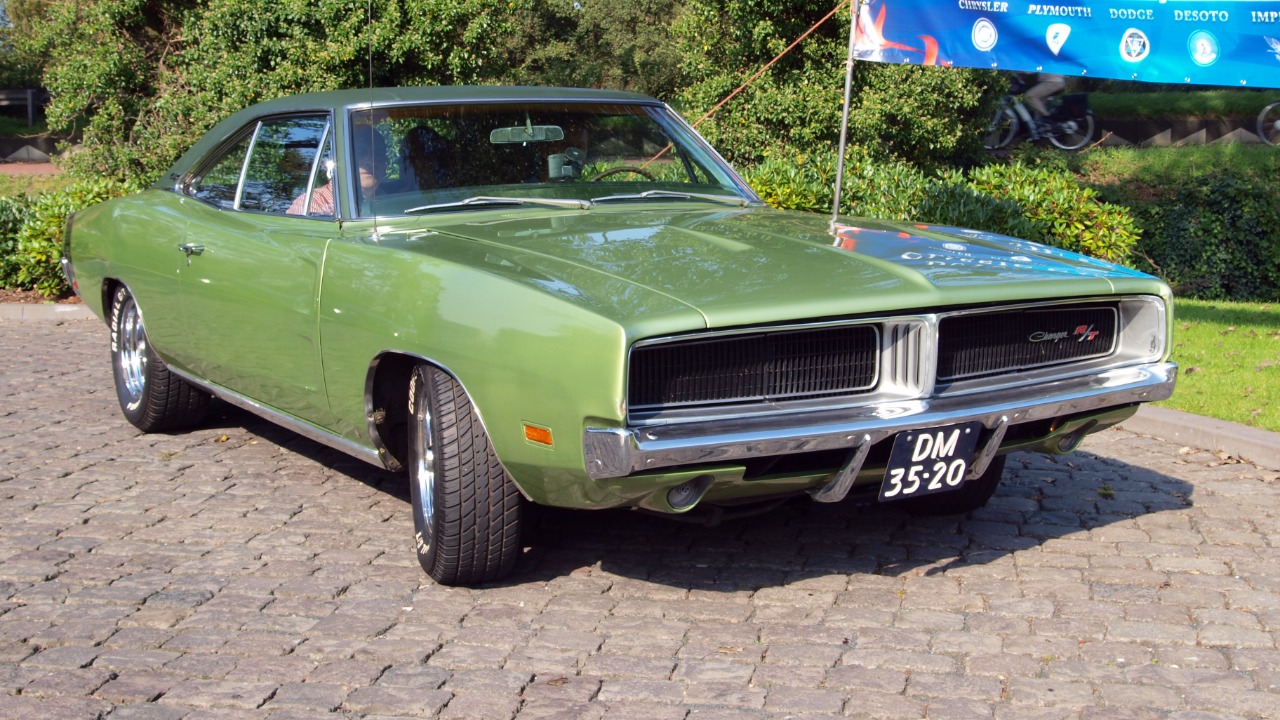
The 1969 Dodge Charger R/T stands as an iconic representation of American muscle, captivating enthusiasts with its raw power and unapologetic design. Unlike modern muscle cars, which often prioritize technology and comfort, the Charger R/T offers an unfiltered driving experience that is hard to replicate today.
Historical Context of the 1969 Dodge Charger R/T
The late 1960s marked a golden era for American muscle cars, a time when performance and style merged into an unmistakable automotive phenomenon. As manufacturers raced to create the most powerful and visually striking vehicles, the Dodge Charger emerged as a formidable contender. Launched in 1966, the Charger quickly found its place in Dodge’s lineup, but it was the 1969 model that solidified its status as an iconic muscle car. With its aggressive design and high-performance capabilities, the Charger R/T became synonymous with speed and power.
During this period, competition was fierce. The Ford Mustang and Chevrolet Camaro were vying for dominance, each offering their distinct blend of performance and style. The Charger, however, carved out its own identity with its elongated body and fastback design, setting it apart from its rivals. The muscle car wars of the time not only ignited a passion for speed but also established a cultural phenomenon that would leave a lasting legacy in the automotive world.
Raw Power Under the Hood
At the heart of the 1969 Dodge Charger R/T lies an impressive powertrain that defined the muscle car ethos. The R/T, or Road/Track model, was available with several engine options, including the legendary 426 Hemi and the 440 cubic inch V8, both of which produced breathtaking horsepower and torque. The 440 V8, for instance, delivered around 375 horsepower and 480 lb-ft of torque, enabling the Charger to accelerate from 0 to 60 mph in just over six seconds—an impressive feat for its time.
When compared to contemporary muscle cars, the Charger R/T holds its own. Modern vehicles may boast numbers that surpass the Charger’s, but many enthusiasts argue that the raw, unrefined power of the 1969 model offers a driving experience that modern engines simply can’t replicate. The absence of advanced technology means that driving the Charger is all about feeling the connection to the road, an experience that many modern muscle cars, laden with electronic aids, often lack.
Design and Aesthetic Appeal
The design of the 1969 Dodge Charger R/T is nothing short of iconic. With its long hood, short rear deck, and bold grille, the Charger embodies the spirit of American muscle. The car’s distinctive body lines and aggressive stance not only enhance its visual appeal but also contribute to its aerodynamic performance. The fastback silhouette, paired with wide fenders and a prominent nose, creates a sense of motion even when the car is at a standstill.
Throughout the years, the Charger’s design has influenced a myriad of muscle cars that followed. The bold styling elements—such as the dual headlights and unique rear taillights—have become hallmarks of muscle car design, inspiring both enthusiasts and manufacturers alike. Today, the Charger R/T’s aesthetics continue to draw admiration, embodying a nostalgic vision of a time when style and performance were paramount in automotive design.
Driving Experience: The Unfiltered Feel
Driving a 1969 Dodge Charger R/T is a visceral experience that transcends the mere act of getting from point A to point B. The roar of the engine, the feel of the steering wheel, and the vibrations through the chassis create a symphony of sensations that connect the driver to the machine. Owners often describe the experience as raw and exhilarating, a stark contrast to the sanitized driving experience offered by many modern cars, which are equipped with an array of electronic aids and comfort features.
Feedback from owners highlights that daily driving a classic muscle car, like the Charger R/T, offers a unique sense of engagement. The mechanical simplicity of the vehicle allows for a more intimate connection between the driver and the road. Unlike modern cars that often insulate the driver from the driving experience, the Charger R/T demands attention and respect, making each drive an adventure. For those interested in hearing firsthand accounts, you can check out this insightful article on daily driving experiences.
The Role of Technology in Modern Muscle Cars
Modern muscle cars have embraced technology in ways that would have been unimaginable in the late 1960s. Features such as advanced traction control, adaptive suspension systems, and infotainment centers have transformed the driving landscape. While these advancements enhance comfort and performance, they also create a divide between the raw experience of classic cars and the polished nature of contemporary models. For instance, vehicles like the Dodge Challenger and Ford Mustang now come equipped with modern conveniences such as lane-keeping assist and touch-screen interfaces.
However, this reliance on technology presents both pros and cons. On one hand, modern muscle cars are faster, more efficient, and can handle better due to the sophisticated systems they employ. On the other hand, they can sometimes feel disconnected, with the driving experience becoming more about the numbers and less about the emotions. This contrast raises the question of whether the thrill of driving is best experienced through raw mechanics or if technology can enhance that experience without overshadowing it.
Cultural Impact and Legacy
The 1969 Dodge Charger R/T has left an indelible mark on American culture, frequently appearing in films, television shows, and music. One of the most notable portrayals is in the popular TV series “The Dukes of Hazzard,” where the Charger, affectionately known as the “General Lee,” became a symbol of rebellion and adventure. Such portrayals have solidified the Charger R/T’s status as a cultural icon, inspiring generations of car enthusiasts and collectors.
The Charger’s influence extends beyond media; it resonates deeply within car enthusiast communities. Over the decades, it has sparked a passion for classic muscle cars, with many younger generations showing renewed interest in restoring and driving models like the Charger R/T. Events such as car shows and classic car auctions often feature the Charger prominently, showcasing its enduring appeal and significance in automotive history. If you’re curious about the Charger’s cultural impact, you can watch this video tribute that highlights its legacy.
The Collector’s Market for Classic Muscle Cars
The collector’s market for classic muscle cars, particularly the 1969 Dodge Charger R/T, has seen a resurgence in recent years. Factors such as rarity, condition, and historical significance significantly influence the desirability and pricing of these vehicles. Well-preserved models with original parts can command high prices at auctions, with some Chargers selling for upwards of six figures, depending on their condition and provenance.
Insights from collectors reveal that maintaining a classic muscle car involves a delicate balance between preserving originality and making necessary modifications. While some prefer to keep their Chargers in factory condition, others opt for upgrades to improve performance and comfort. Resources and communities dedicated to classic car ownership have emerged, providing support and knowledge sharing for those looking to navigate the complexities of ownership. A great starting point for enthusiasts is the McMaster University archive, which offers a wealth of information on classic muscle cars.
Maintaining a 1969 Dodge Charger R/T Today
For those considering owning a 1969 Dodge Charger R/T, understanding the nuances of maintenance and restoration is crucial. Regular upkeep is essential to preserve the car’s performance and aesthetic appeal. Basic maintenance tasks include oil changes, brake inspections, and tire rotations, all of which contribute to the longevity of these classic vehicles. Additionally, owners should be aware of common issues specific to the Charger, such as rust and electrical problems, which may arise due to the car’s age.
When it comes to modifications, the debate between preserving originality and upgrading for performance is ongoing. While some owners choose to retain the factory specifications, others find value in modernizing certain aspects to improve drivability. Engaging with communities of vintage car enthusiasts can provide invaluable resources for both maintaining originality and making informed modifications. For tips and advice on maintaining a classic muscle car, check out this Facebook post discussing the raw mechanical power of the Charger R/T here.
More from Fast Lane Only