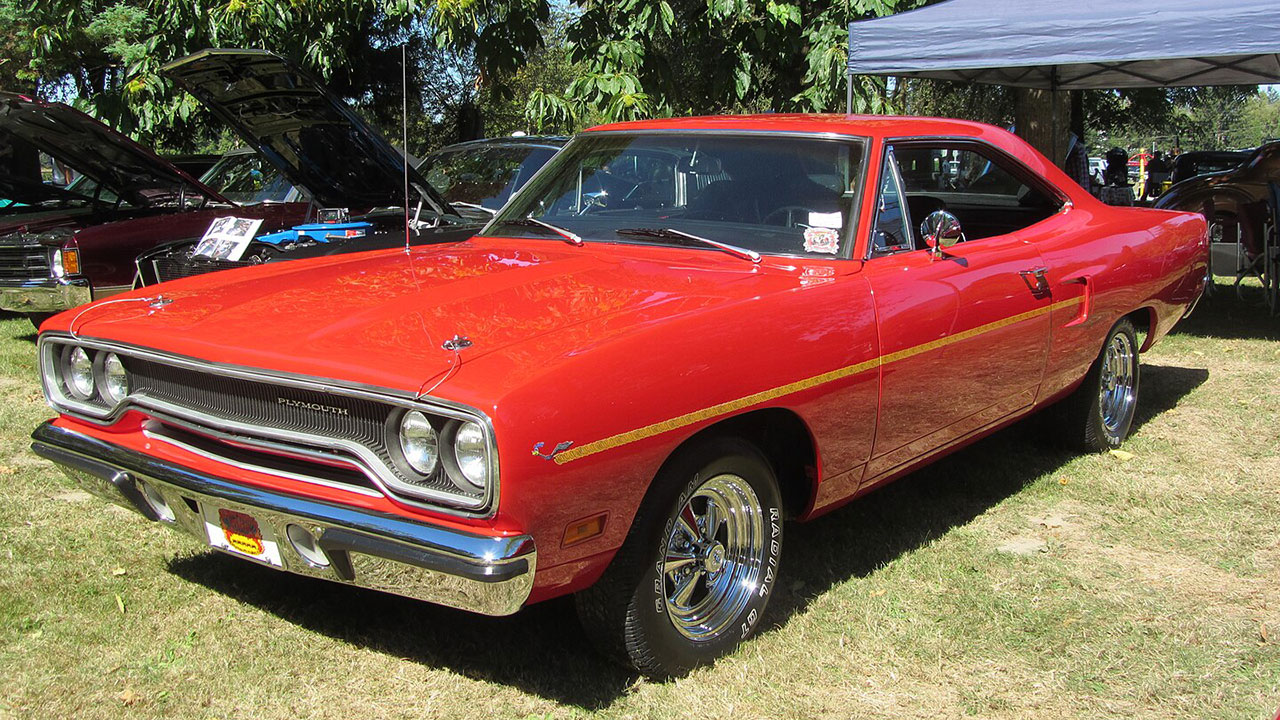
The 1970 Plymouth Road Runner stands out as a quintessential example of American muscle car culture, blending raw power with affordability. Its reputation for high performance at a low price point struck a chord with enthusiasts and casual drivers alike, solidifying its place in automotive history.
Overview of the 1970 Plymouth Road Runner
The Plymouth Road Runner made its debut in 1968 as a no-frills muscle car that appealed to a younger audience seeking power without breaking the bank. Designed to be a performance vehicle at an accessible price, the Road Runner quickly became a favorite among car enthusiasts. By 1970, the model had evolved, offering a range of features that would solidify its status in the muscle car pantheon.
The 1970 model is characterized by its bold design elements, including a long hood, short rear deck, and a wide stance, which exuded a sense of aggression and power. The front grille featured a unique design with round headlights that set it apart from other cars of its era. Plymouth also offered an array of vibrant color options, including “Mango,” “Plum Crazy,” and “Tor Red,” appealing to drivers who wanted to stand out on the road. The Road Runner’s target demographic included younger drivers and budget-conscious consumers who were enthusiastic about performance vehicles but didn’t have the financial means to buy pricier models.
Performance Features and Specifications
The heart of the 1970 Plymouth Road Runner was its engine options, which included the formidable 383 cubic inch V8 and the legendary 426 HEMI V8. The 383 engine produced an impressive 335 horsepower and 425 lb-ft of torque, while the HEMI variant cranked out a staggering 425 horsepower, making it one of the most powerful engines of its time. With such robust performance metrics, the Road Runner could accelerate from 0 to 60 mph in just over six seconds, a remarkable feat that put it on par with other top contenders in the muscle car arena.
When compared to contemporaneous muscle cars, such as the Ford Mustang and Chevrolet Camaro, the Road Runner held its ground in terms of performance while maintaining a competitive price point. The combination of high horsepower and low cost made the Road Runner an appealing choice for those seeking raw performance without the inflated price tag associated with many other muscle cars. The Road Runner’s performance capabilities solidified its position as a dominant force in the muscle car market.
Affordability and Value Proposition
The pricing structure of the 1970 Plymouth Road Runner was a significant factor in its appeal. Base models started at around $3,000, making it one of the most affordable performance cars available at the time. In contrast, competitive models from other manufacturers, like the Chevrolet Chevelle SS and the Pontiac GTO, often commanded higher prices, making the Road Runner an enticing alternative for budget-conscious buyers.
The value proposition of the Road Runner was clear: it offered exceptional performance metrics for a fraction of the cost of its rivals. This affordability played a crucial role in the car’s popularity among young drivers, many of whom were looking for a stylish, powerful vehicle that wouldn’t strain their finances. The combination of performance and cost-effectiveness allowed the Road Runner to carve out a unique niche in the automotive marketplace, elevating its status among muscle car enthusiasts.
Popular Culture and Media Representation
The Plymouth Road Runner’s cultural significance was amplified by its appearances in films and television shows during the late 1960s and early 1970s. Iconic films like “The Fast and the Furious” and television shows such as “The Dukes of Hazzard” featured the Road Runner, cementing its status as a symbol of American automotive culture. These appearances not only showcased the car’s rugged performance capabilities but also contributed to its allure among the general public.
Plymouth’s marketing strategies also played a pivotal role in promoting the Road Runner. The company capitalized on the vehicle’s performance attributes, using slogans that emphasized speed and power. Bold advertisements highlighted its affordability, making it accessible to a wider audience. The Road Runner’s association with the classic cartoon character from Warner Bros. further enhanced its appeal, creating a memorable brand identity that resonated with consumers. This clever marketing approach helped to establish the Road Runner as a cultural icon during its production years.
Legacy and Impact on the Automotive Industry
The legacy of the 1970 Plymouth Road Runner extends beyond its production years, influencing subsequent muscle car designs and features. Its emphasis on performance and affordability set a benchmark for future models, pushing manufacturers to prioritize power without compromising on price. The Road Runner’s success helped shape consumer expectations for performance vehicles, with buyers increasingly seeking muscle cars that offered both speed and value.
In the decades that followed, the Road Runner has remained a significant part of automotive history, especially within the classic car community. Its ongoing collector appeal is a testament to the model’s lasting impact and popularity. Many enthusiasts cherish the Road Runner for its raw power and distinctive styling, ensuring that this iconic vehicle will be remembered for generations to come.
Collector’s Market and Restoration Trends
The current market value of the 1970 Plymouth Road Runner reflects its status as a collector’s item, with prices varying based on condition, rarity, and specific modifications. Well-preserved models with original features can fetch substantial sums at auctions, with some rare variants achieving prices well above $100,000. Factors affecting pricing include engine type, color, and historical significance, particularly for models that have been maintained in excellent condition.
Restoration and customization trends among collectors of the Road Runner have also gained traction. Many enthusiasts seek to restore their vehicles to factory specifications while others opt for modern upgrades to enhance performance and safety. The community surrounding the Road Runner is vibrant, with numerous clubs and online forums where owners share tips, resources, and stories. Events like the Mecum Auctions showcase classic muscle cars, including the Road Runner, creating opportunities for collectors to connect and celebrate their passion for this iconic vehicle.
Challenges and Controversies
The production of the 1970 Plymouth Road Runner was not without its challenges. Quality control issues plagued the manufacturing process, leading to inconsistencies in some vehicles. These challenges were compounded by the introduction of environmental regulations in the early 1970s, which impacted the production of high-performance vehicles. As automakers began to adapt to these new regulations, the muscle car segment faced a decline, with many models, including the Road Runner, losing their edge in performance.
The eventual decline of the classic muscle car era marked a significant shift in the automotive landscape. While the Road Runner’s performance and affordability solidified its place in history, the changing market dynamics forced manufacturers to pivot towards more fuel-efficient and environmentally-friendly vehicles. This transition left a lasting impact on the legacy of the Road Runner, as enthusiasts reminisce about a time when raw power and speed reigned supreme.
The enduring appeal of the 1970 Plymouth Road Runner lies in its ability to evoke nostalgia for a vibrant automotive era. It represents a unique blend of performance, style, and affordability that continues to resonate with car enthusiasts today. The Road Runner’s legacy is a reminder of the bold spirit of American muscle cars and their significance in automotive history.
More from Fast Lane Only