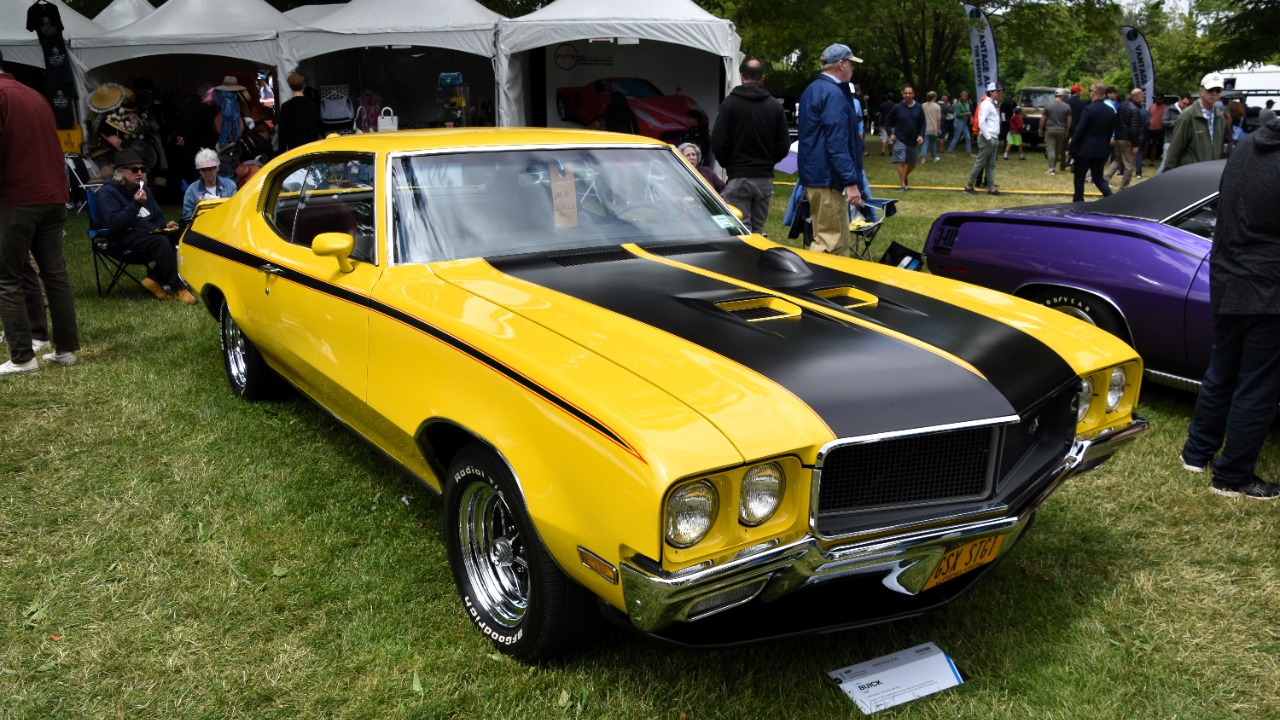
The 1970 Buick GSX Stage 1 stands as a remarkable engineering feat in automotive history, showcasing a unique blend of muscular performance and innovative design. This iconic muscle car not only defined an era but also addressed performance challenges in ways that modern engines often overlook.
Historical Context of the Buick GSX Stage 1
The muscle car era of the late 1960s and early 1970s was a time when American automotive design was at its most exuberant. Fueled by a cultural shift towards individualism and freedom, manufacturers were eager to meet the growing demand for high-performance vehicles that offered not just speed but also style. The Buick GSX Stage 1 emerged as a powerhouse in this competitive landscape, where models like the Chevrolet Camaro and Ford Mustang dominated the streets. Buick, traditionally seen as a brand focused on luxury, took a bold step into the performance segment with the GSX Stage 1, aiming to capture the hearts of enthusiasts.
This was a period characterized by fierce competition among American automakers, each striving to outdo the others with increasingly powerful and stylish vehicles. The introduction of the GSX Stage 1 in 1970 was Buick’s answer to this challenge, offering a car that not only looked the part but also delivered exceptional performance. With its bold styling, aggressive stance, and a promise of raw power, the GSX Stage 1 quickly became a respected name in the muscle car hierarchy, setting the stage for what performance could be.
Engine Specifications and Performance
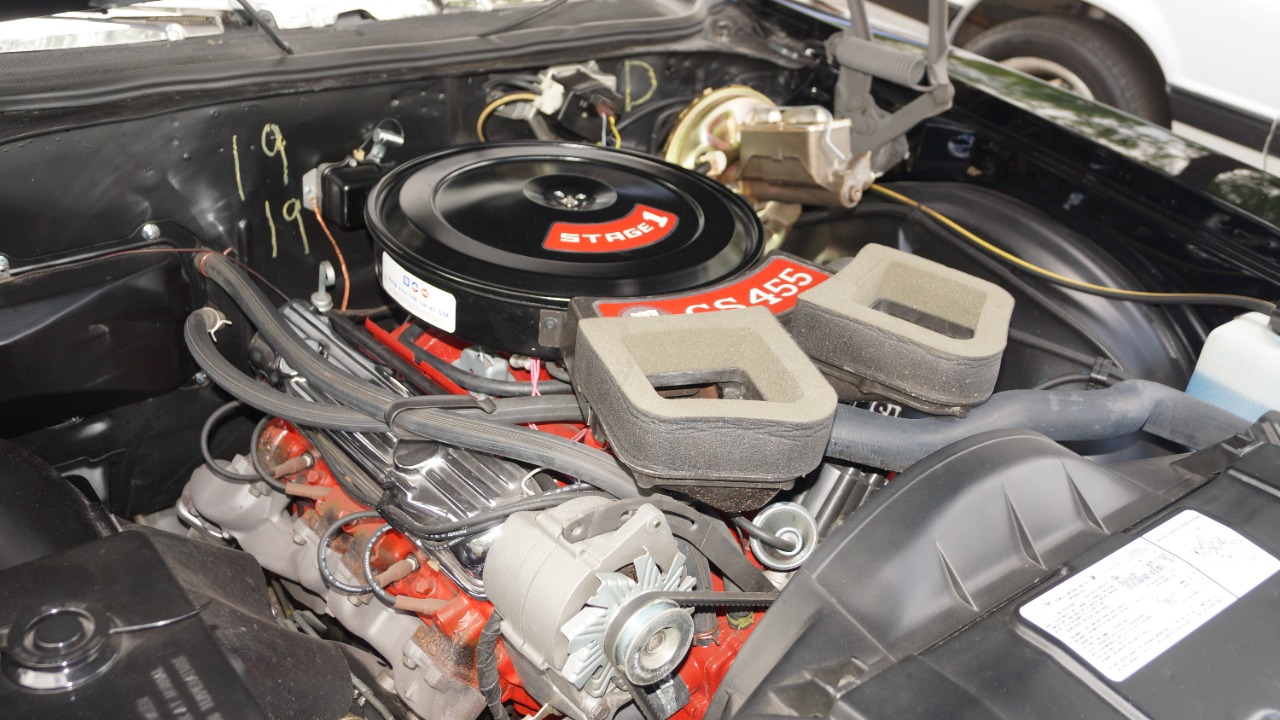
At the heart of the Buick GSX Stage 1 is the formidable 455 cubic inch V8 engine, a true marvel of engineering for its time. This powerhouse engine was capable of producing an impressive 510 lb-ft of torque and around 360 horsepower, making it one of the most potent engines in its class. The torque delivery was particularly noteworthy, providing the GSX Stage 1 with an exhilarating acceleration that could rival many contemporary performance vehicles. In fact, it could sprint from 0 to 60 mph in just under 6 seconds, a remarkable feat for cars from that era.
When comparing the GSX Stage 1 to its contemporaries, it’s evident that Buick’s engineers focused on both power and drivability. While other muscle cars like the Pontiac GTO and the Ford Mustang Mach 1 were also packing V8 engines, the GSX Stage 1’s unique combination of torque and horsepower provided a different driving experience. The emphasis on low-end torque allowed for more responsive acceleration, making it a joy to drive on the street. For those interested in the technical details, the GSX Stage 1’s engine featured a unique combination of a high-performance camshaft, a high-compression ratio, and a specially tuned exhaust system, setting it apart from the competition.
Innovative Design Features
The 1970 Buick GSX Stage 1 was not just about raw power; it also boasted innovative design features that contributed to its performance. One standout element was the fiberglass hood, which not only reduced weight but also helped with heat dissipation, allowing the engine to run more efficiently. Coupled with a rear spoiler that enhanced downforce, the GSX Stage 1 was designed for performance, both in terms of speed and handling. The design team focused on the car’s aerodynamics, ensuring that it cut through the air with minimal drag, a crucial factor for achieving top speeds.
Additionally, the car’s weight distribution played a pivotal role in its handling characteristics. With a near-perfect balance of front and rear weight, the GSX Stage 1 handled corners with confidence, providing a driving experience that was both thrilling and secure. The chassis design further enhanced this experience, utilizing a heavy-duty suspension system that absorbed bumps and maintained stability during aggressive driving. These features collectively contributed to making the GSX Stage 1 not just a straight-line performer but also a capable handler, a trait that is often overlooked in discussions about muscle cars.
The Role of Carburetion in Performance
One of the defining aspects of the GSX Stage 1’s performance was its quadrajet carburetor, a sophisticated component that played a crucial role in power delivery. This carburetor was designed to provide optimal fuel-air mixture across a range of driving conditions, allowing for smooth acceleration and robust performance. Unlike modern fuel injection systems, which often prioritize efficiency and emissions control, the quadrajet offered a direct connection between the driver’s foot and the engine’s power output. This difference is vital in understanding why many enthusiasts still prefer carbureted engines for their visceral driving experience.
While modern fuel injection systems have their advantages, such as improved fuel efficiency and lower emissions, they often lack the instant throttle response that carburetors provide. In the GSX Stage 1, tuning the quadrajet was as much an art as it was a science; enthusiasts would often experiment with adjustments to achieve that perfect balance of performance and drivability. For those interested in diving deeper into the nuances of performance tuning, resources like this forum offer insights into the intricacies of the carburetor system and how it can be optimized.
Driving Experience: The Feel of Power
Driving the Buick GSX Stage 1 is an experience that goes beyond mere numbers. The visceral sensation of the engine’s raw power translates into a thrilling ride that engages all the senses. The sound of the engine, with its deep rumble and aggressive roar, serves as a constant reminder of the performance lurking beneath the hood. Unlike many modern cars, where the engine noise is often muted or artificially enhanced, the GSX Stage 1 offers an authentic auditory experience that adds to the excitement of driving.
Throttle response is another area where the GSX Stage 1 shines. The mechanical nature of its engine and carburetor setup creates an immediate connection between the driver and the vehicle, allowing for precise control and feedback. This direct engagement fosters a sense of confidence and control that many modern performance cars struggle to replicate. For driving enthusiasts, this connection is paramount; it transforms the act of driving from a mundane task into an exhilarating experience, making every drive a memorable one.
Impact of Technology on Performance
The technological advancements that led to the development of the GSX Stage 1 were revolutionary for their time. Engineers were pushing the limits of what was possible with internal combustion engines, and the GSX Stage 1 was a shining example of this innovation. However, the landscape has changed dramatically over the decades. Modern engines often prioritize efficiency and emissions compliance over sheer power, leading to a different philosophy in automotive design. Today, turbocharging, electric assistance, and complex engine management systems dominate the performance landscape, often at the expense of the raw driving experience that muscle cars like the GSX Stage 1 offered.
This shift in focus has led to a trade-off between performance and technology. While contemporary vehicles can achieve impressive fuel economy and reduced emissions, they often lack the visceral thrill provided by older muscle cars. The GSX Stage 1, with its straightforward engineering approach, represents a time when the primary goal was unadulterated performance and driver enjoyment. The legacy of this philosophy can still be felt in the hearts of car enthusiasts who yearn for the simplicity and excitement of classic muscle cars.
Collectibility and Legacy of the Buick GSX Stage 1
The 1970 Buick GSX Stage 1 has carved out a niche for itself in the collector car market, and several factors contribute to its status as a sought-after item. Limited production numbers, distinctive styling, and impressive performance metrics all play a role in its desirability. Today, a well-preserved GSX Stage 1 can command high prices at auctions, reflecting its status as a classic American muscle car. Enthusiasts often share anecdotes of their experiences with the GSX Stage 1, highlighting the car’s charm and unique place in automotive history.
The influence of the GSX Stage 1 extends beyond its production years, shaping the design and performance of future vehicles. Its bold styling and powerful engine set a standard for what a muscle car should be. As car enthusiasts continue to restore and appreciate these vehicles, the GSX Stage 1 remains a symbol of an era that celebrated power, freedom, and the open road. Resources such as this blog provide insights into the significance of the GSX Stage 1 in the context of automotive history, further cementing its legacy.
Comparative Analysis: GSX Stage 1 vs. Modern Performance Cars
When comparing the GSX Stage 1 to modern performance vehicles, several key differences in engineering philosophy emerge. While today’s cars often focus on a blend of performance and efficiency, the GSX Stage 1 embraced a more straightforward approach that prioritized power-to-weight ratios and driver engagement. Modern performance cars may boast advanced technology and handling capabilities, but they often do so at the expense of the raw driving experience that defined the GSX Stage 1. For instance, while a contemporary sports car may achieve higher horsepower figures through forced induction, it often lacks the same level of tactile feedback and excitement that comes from a naturally aspirated V8 engine.
Another area of contrast is in emissions and environmental regulations. Modern performance vehicles must navigate a complex landscape of regulations aimed at reducing their ecological footprint, which can limit their performance potential. In contrast, the GSX Stage 1 thrived in a time when emissions regulations were less stringent, allowing engineers to focus on maximizing performance without the constraints that modern manufacturers face. This difference highlights the ongoing evolution of the automotive industry and the shifting priorities of manufacturers. For a deeper dive into the engineering differences between classic and modern vehicles, resources like this article offer valuable insights.
The Enduring Appeal of Classic Muscle Cars
The enduring appeal of vehicles like the Buick GSX Stage 1 continues to captivate car enthusiasts around the world. There’s something inherently nostalgic about classic muscle cars that resonates with a sense of freedom and power. They embody a spirit of rebellion and individuality that speaks to the heart of American automotive culture. The GSX Stage 1, with its bold design and raw performance, represents a time when cars were designed to be enjoyed rather than just driven from point A to B.
Moreover, the community surrounding classic car restoration and appreciation plays a significant role in maintaining the legacy of the GSX Stage 1. Enthusiasts gather at shows, swap meets, and online forums to share their passion for these iconic vehicles. The knowledge and skills passed down through generations of car lovers ensure that the spirit of the GSX Stage 1 will continue to thrive. As we celebrate the legacy of the GSX Stage 1, it’s clear that this remarkable car is more than just a vehicle; it’s a symbol of a bygone era that continues to inspire and excite.
More from Fast Lane Only