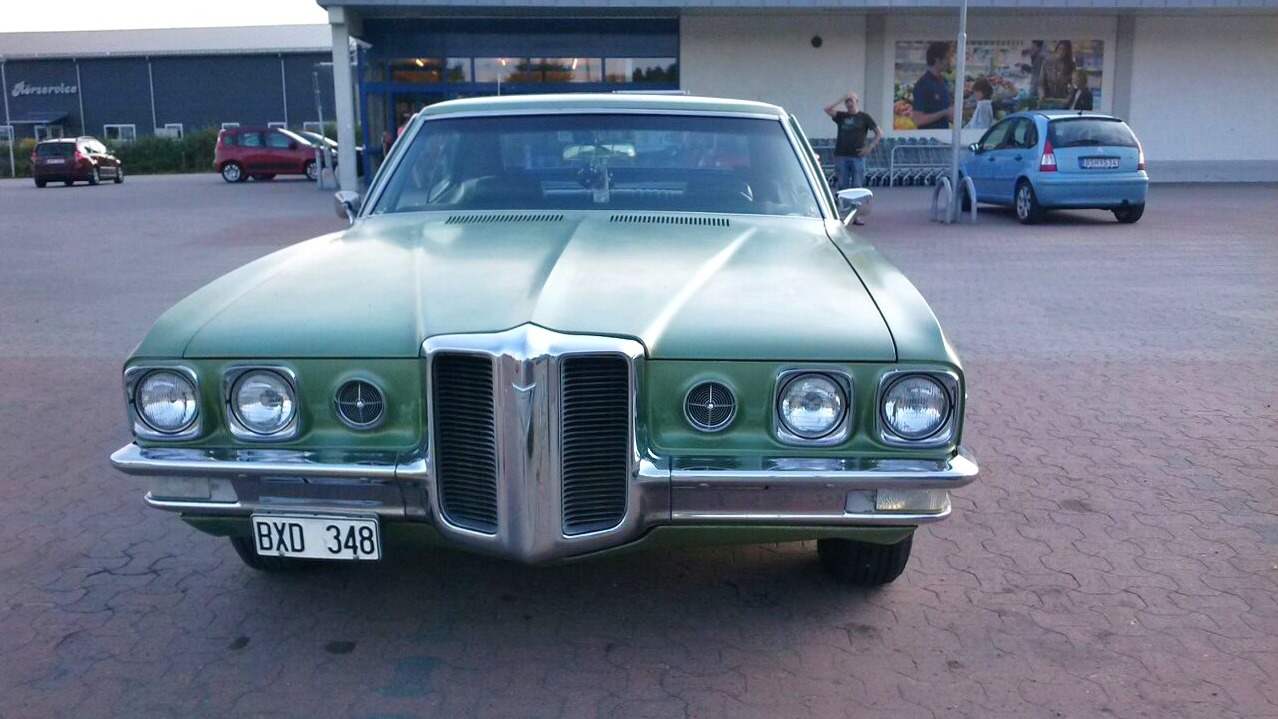
The 1970 Pontiac Ventura did not arrive with the same attention-grabbing reputation as Pontiac’s more famous muscle cars, yet it steadily built credibility through balance, simplicity, and real-world performance. Positioned between economy compacts and full-size performance models, it became one of Pontiac’s most underrated intermediates.
A Quiet Entry in a Loud Muscle Car Era
By 1970, Pontiac’s performance image was already dominated by headline makers like the GTO and Firebird. In that environment, the Ventura entered the market without fanfare, offering a more restrained alternative for buyers who wanted Pontiac character without the intensity or cost of a full muscle package.
The Pontiac Ventura (1970) was built on the compact X-body platform, a structure designed for efficiency and affordability rather than aggressive styling. At first glance, it looked conservative compared to Pontiac’s bolder performance offerings, but that simplicity became part of its long-term appeal.
Rather than trying to compete directly with the GTO’s image-driven performance, the Ventura focused on being a practical intermediate with real potential. That positioning allowed it to quietly carve out a loyal following among drivers who valued balance over spectacle.
The Strength of the Platform: Light Weight and Flexibility
One of the Ventura’s biggest advantages was its relatively light chassis. In an era where many muscle cars were growing heavier with larger engines and additional trim, the Ventura maintained a more manageable weight profile. That gave it a natural advantage in responsiveness and efficiency.
The lighter structure also made it a flexible platform for different engine configurations. While base models prioritized economy, higher trims and performance-oriented builds allowed for stronger V8 options, giving the Ventura surprising depth for its class.
This adaptability is one of the key reasons it gained respect over time. It was not locked into a single identity. Instead, it could be configured as a commuter car, a mild performance coupe, or even a street-focused sleeper depending on specification.
Pontiac Engineering Discipline in a Smaller Package
Pontiac had already developed a strong reputation for blending performance with drivability, and the Ventura reflected that philosophy on a smaller scale. Even when not equipped with top-tier engines, it carried a sense of mechanical confidence that made it feel more substantial than typical compact cars of the era.
Steering response was predictable, suspension tuning was balanced, and the car maintained stability at highway speeds. It was not designed to dominate drag strips in stock form, but it delivered a driving experience that felt composed and controlled.
That engineering discipline gave the Ventura credibility among enthusiasts who appreciated cars that felt well-sorted rather than overly dramatic.
The Sleeper Potential That Built Its Reputation
As with many underrated intermediates of the era, the Ventura’s reputation grew significantly through its sleeper potential. While it did not advertise extreme performance visually, it could be configured in ways that surprised more overtly aggressive cars on the street.
When equipped with stronger V8 options, the Ventura’s lightweight platform allowed it to deliver performance that exceeded expectations. It was not the fastest Pontiac of its time, but it could outperform heavier competitors that relied more on image than efficiency.
This contrast between appearance and capability became central to its identity. Enthusiasts began to recognize the Ventura as a car that rewarded those who understood its potential rather than judged it by its modest exterior.
The Intermediate Segment Done Right
The late 1960s and early 1970s were defined by intense competition in the intermediate car segment. Manufacturers were constantly trying to balance size, price, performance, and comfort in a single package. The Ventura represented Pontiac’s attempt to refine that balance without overcomplicating it.
Unlike larger performance-focused models, the Ventura did not rely on aggressive marketing or exaggerated styling. Instead, it focused on being a well-proportioned, versatile vehicle that could serve multiple roles effectively.
That restraint is part of what makes it interesting in retrospect. While other cars of the era chased extremes, the Ventura remained grounded, offering a more practical interpretation of Pontiac’s performance identity.
Living in the Shadow of Pontiac’s Icons
One of the reasons the Ventura remained “quiet” is that it existed alongside some of Pontiac’s most iconic nameplates. The GTO carried the performance banner, while the Firebird represented style and muscle in a more expressive form. Against that backdrop, the Ventura often went unnoticed.
But that lack of attention is also what preserved its identity. It was not overexposed or overhyped. Instead, it developed a reputation among drivers who valued substance over status.
Over time, this has made surviving examples more interesting to collectors who appreciate lesser-known models with genuine historical relevance.
A Growing Appreciation Among Collectors
Today, the 1970 Pontiac Ventura is gaining renewed interest among classic car enthusiasts who are looking beyond the obvious muscle car choices. Its relative rarity compared to more famous models adds to its appeal, especially in well-preserved condition.
Collectors value its simplicity, lightweight construction, and connection to Pontiac’s broader performance culture. It represents a more understated side of the brand—one focused on versatility rather than outright dominance.
The Pontiac Ventura (1970) now stands as an example of how even quieter models can develop strong long-term followings when they deliver balanced engineering and authentic driving character.
Why It Still Deserves Recognition Today
The Ventura’s legacy is not built on headline horsepower figures or racing dominance. Instead, it is defined by consistency, adaptability, and quiet competence. It showed that a car did not need to be extreme to be respected.
In today’s automotive world, where vehicles are often categorized by performance numbers or visual aggression, the Ventura feels refreshingly grounded. It represents an era when manufacturers still built cars that could quietly exceed expectations without demanding attention.
That understated confidence is exactly why the 1970 Pontiac Ventura continues to earn respect decades later.
More from Fast Lane Only
- Unboxing the WWII Jeep in a Crate
- 15 rare Chevys collectors are quietly buying
- 10 underrated V8s still worth hunting down
- Police notice this before you even roll window down
*Research for this article included AI assistance, with all final content reviewed by human editors