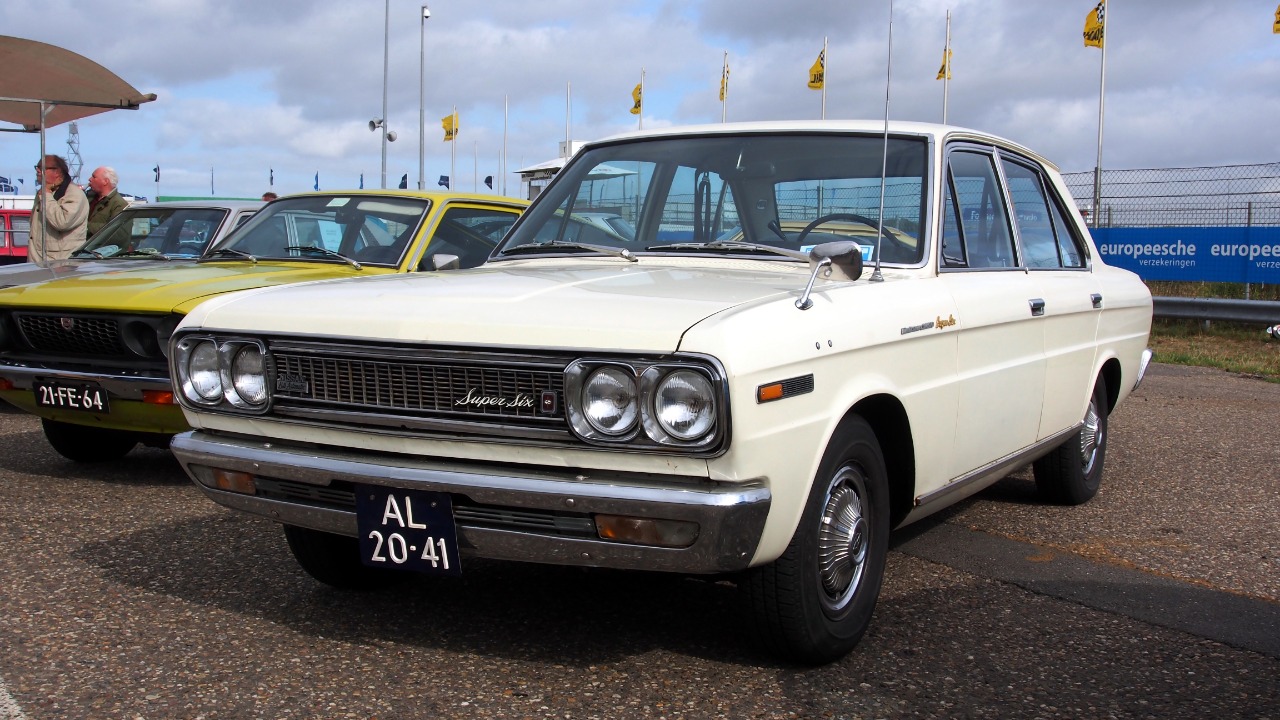
The 1971 Nissan Cedric marked a pivotal moment in Japan’s automotive history, showcasing the nation’s growing ambitions in the luxury car segment. With its blend of elegance, performance, and advanced engineering, the Cedric set the stage for Japan’s future in the global automotive market.
The Genesis of the 1971 Nissan Cedric
Nissan’s journey leading up to 1971 is a story of evolution and ambition. Founded in 1933, the company had steadily built a reputation for producing reliable vehicles. However, by the late 1960s, the Japanese automotive industry was poised for growth, and Nissan recognized the need to expand its offerings to include more luxurious vehicles. This strategic pivot was not only aimed at satisfying domestic demand but also at establishing a foothold in international markets.
The design philosophy for the Cedric was a bold fusion of Western luxury aesthetics and Japanese craftsmanship. Designers set out to create a car that would appeal to a more affluent clientele while remaining distinctly Japanese in its execution. The result was a vehicle that featured a refined silhouette, characterized by smooth curves and an elegant front grille, which echoed the luxurious sedans of American and European manufacturers. Key figures in this endeavor included Yoshikazu Sato, who played a crucial role in the vehicle’s design, ensuring that it embodied both innovation and tradition.
Features and Innovations
The 1971 Nissan Cedric was replete with features that exemplified luxury for its time. The exterior boasted a streamlined design with chrome accents that added a touch of sophistication. Inside, the cabin was adorned with high-quality materials, including plush upholstery and wood paneling, which created an inviting atmosphere for both drivers and passengers. The spacious interior not only emphasized comfort but also practicality, with a layout that was intuitive and user-friendly.
Technologically, the Cedric was ahead of its peers, incorporating advancements that set it apart in the luxury segment. Under the hood, the Cedric offered a choice of powerful engines, including a 2.0-liter inline-six engine that provided a smooth and responsive driving experience. Safety was also a priority; features such as reinforced body structure and improved braking systems were introduced, reflecting a commitment to passenger protection. When compared to contemporaneous models like the Toyota Crown and American sedans such as the Ford LTD, the Cedric held its own, offering a unique blend of performance and luxury.
Market Reception and Impact
The Cedric played a pivotal role in establishing Nissan’s reputation in the luxury automobile segment. Its success paved the way for the development of future models that would further enhance the brand’s image. The Cedric’s design and engineering principles influenced subsequent vehicles, such as the Nissan Skyline and the Infiniti Q series, demonstrating how early innovations can resonate through an entire brand’s lineage.
Cultural Significance and Legacy
The Cedric’s introduction came at a time of significant change in Japan, representing the nation’s post-war economic recovery and its aspirations for global recognition. The vehicle was not just a mode of transport but a statement of intent from Japan to establish itself as a player in the luxury market. It symbolized a shift in consumer values, where quality and sophistication began to take precedence over mere functionality.
The Cedric’s Lasting Influence
Reflecting on the Cedric’s legacy, it is clear that this model was a precursor to Japan’s luxury car market. The blend of innovative engineering and luxurious design set a benchmark that subsequent manufacturers would strive to meet. Today, Nissan continues to build on the foundation laid by the Cedric, with models that emphasize luxury and performance, such as the Nissan Maxima and the Infiniti QX series, which showcase the evolution of the brand’s offerings.
The future prospects for Japanese luxury vehicles in the global market look promising. As consumer preferences shift towards sustainability and advanced technology, manufacturers are adapting to meet these new demands. The Cedric’s pioneering spirit continues to inspire innovation within Nissan and the broader automotive industry, demonstrating that the aspirations of the early 1970s have laid a robust foundation for the future. For a deeper dive into the history and impact of the Cedric, you can explore more through sources like Google Books and SpringerLink.
More from Fast Lane Only
- Unboxing the WWII Jeep in a Crate
- 15 rare Chevys collectors are quietly buying
- 10 underrated V8s still worth hunting down
- Police notice this before you even roll window down
*Research for this article included AI assistance, with all final content reviewed by human editors.