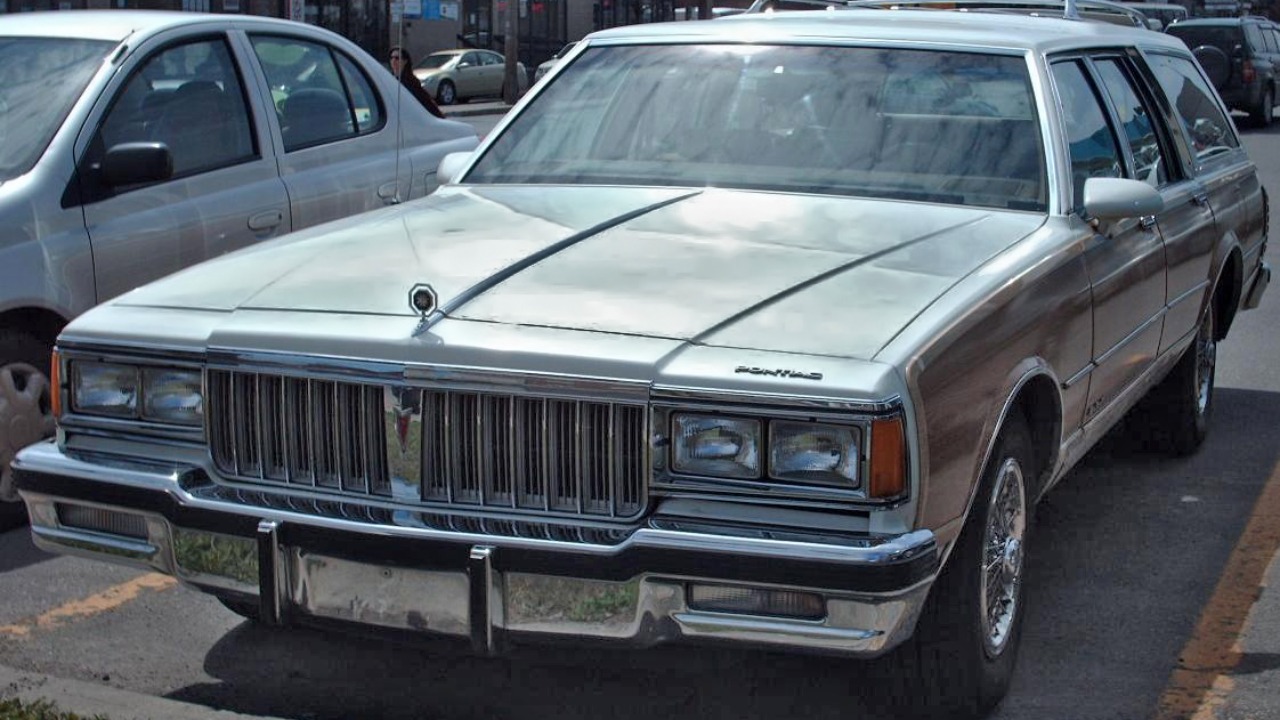
The 1989 Pontiac Safari, often overshadowed by its more glamorous counterparts, emerged as one of General Motors’ most practical and versatile wagons. With its blend of style, functionality, and innovation, the Safari catered to families and adventurers alike, making it a quietly significant player in the automotive landscape of the late 1980s.
Design and Features
The exterior styling of the 1989 Pontiac Safari set it apart from other wagons of its era. Its distinctive front grille, characterized by a bold design, paired with sleek lines and a streamlined shape, gave it an air of sophistication that appealed to both families and young professionals. The wagon’s overall aesthetic was not just about looks; it was designed to be functional and aerodynamic, enhancing fuel efficiency while maintaining a strong presence on the road.
Inside, the Pontiac Safari boasted a spacious interior layout that was perfect for long journeys or daily commutes. With seating configurations that allowed for up to eight passengers, families could travel comfortably without feeling cramped. The plush seating materials and thoughtful design made for a pleasant atmosphere, further enhancing the vehicle’s appeal. Features like optional leather upholstery and advanced climate control systems added an extra layer of comfort that was often sought after in family vehicles.
One of the standout features of the Safari was its innovative storage solutions. The vehicle offered a generous cargo capacity, with a rear hatch that made loading and unloading a breeze. The clever design included under-floor storage compartments and foldable rear seats, allowing for a flexible use of space that catered to the needs of busy families. These practical options made the Safari not just a car but a reliable partner for various life activities, from grocery shopping to weekend adventures.
Performance and Engineering
Under the hood, the 1989 Pontiac Safari came equipped with a range of engine options, including a standard V6 and an available more powerful V8 engine. The V6 provided adequate power for daily driving, while the V8 appealed to those who desired a bit more oomph for highway merging or towing capabilities. Both engines were paired with a smooth-shifting automatic transmission, ensuring an enjoyable driving experience that balanced power and efficiency.
The handling and ride quality of the Safari were also noteworthy. Thanks to a well-engineered suspension system, the vehicle offered a smooth ride that absorbed bumps and imperfections in the road, making it an ideal choice for families on long trips. The responsive steering and stable chassis contributed to a reassuring driving experience, allowing drivers to feel confident whether navigating city streets or cruising down the highway.
In terms of fuel efficiency, the 1989 Pontiac Safari held its own against competitors in the wagon segment. While larger vehicles often struggled with gas consumption, the Safari managed to provide a balance of power and economy, appealing to those looking for a family vehicle that wouldn’t break the bank at the pump. Its combined fuel efficiency ratings made it a practical choice in an era where fuel prices were a growing concern for many consumers.
Safety Features
Safety was a significant focus for the 1989 Pontiac Safari, and it included several innovations ahead of its time. Among its safety features were standard airbags for the driver and passenger, anti-lock brakes, and crumple zones designed to absorb impact energy during a collision. These advancements reflected GM’s commitment to providing a secure driving experience for families, allowing parents to feel at ease while transporting their loved ones.
The crash test ratings for the Safari were favorable, placing it among the safer options in the market during its release. Comprehensive testing by organizations like the National Highway Traffic Safety Administration (NHTSA) indicated that the vehicle performed well in various impact scenarios. This reputation for safety further solidified the Safari’s appeal as a family-friendly vehicle, reassuring parents that their choice was a responsible one.
Beyond technical specifications, the thoughtful design of the Safari contributed to its safety. Features such as child safety locks, high seating positions for better visibility, and a sturdy frame all worked together to create a reassuring environment for families. It was more than just a means of transportation; it was a vehicle designed with the well-being of its occupants in mind.
Cultural Impact and Legacy
The Pontiac Safari found its way into various facets of popular culture, appearing in movies and television shows that showcased the vehicle’s family-friendly image. From road trip comedies to family dramas, the Safari became synonymous with adventure and togetherness. Its appearances on screen helped shape public perception, making it a recognizable and relatable choice for many families during the late ’80s and early ’90s.
Owner testimonials reveal a wealth of fond memories associated with the Safari. Many owners appreciated its reliability and utility, often sharing stories about family road trips and everyday errands. These personal reflections highlight the vehicle’s role not just as a mode of transport but as a backdrop to countless life moments, reinforcing its place in the hearts of those who drove it.
Today, the 1989 Pontiac Safari has seen a resurgence in interest among classic car collectors. Its unique blend of practicality, style, and nostalgia has made it a sought-after model in the classic car market. Enthusiasts appreciate its rarity and are increasingly drawn to the idea of restoring these wagons, giving them new life while preserving their legacy. As a result, the Safari is carving out a niche for itself in the automotive world, appealing to both nostalgic owners and new collectors alike.
Comparison with Competitors
When comparing the 1989 Pontiac Safari to its contemporaries, such as the Ford Taurus and Chrysler Town & Country, it becomes clear how the Safari positioned itself in the market. The Taurus offered a sporty edge with its sleek design and performance-oriented features, while the Town & Country catered to luxury with its upscale materials and added amenities. However, the Safari stood out for its balance of functionality and style, making it a versatile choice for families.
In terms of strengths, the Safari boasted a spacious interior and a reputation for reliability that appealed to many consumers. However, it faced challenges in terms of brand perception, as some buyers gravitated toward the more prestigious offerings from Ford and Chrysler. The Safari’s pricing was competitive, but potential buyers often weighed factors such as brand loyalty and specific features when making their decisions.
Consumer preferences varied widely, with some valuing the Safari’s practical features and others drawn to the sportiness of the Taurus or the luxury of the Town & Country. Ultimately, the choice often came down to individual needs and lifestyle, with the Safari providing an appealing middle ground that catered to families seeking a dependable and stylish wagon.
More from Fast Lane Only
- Unboxing the WWII Jeep in a Crate
- 15 rare Chevys collectors are quietly buying
- 10 underrated V8s still worth hunting down
- Police notice this before you even roll window down
*Research for this article included AI assistance, with all final content reviewed by human editors.