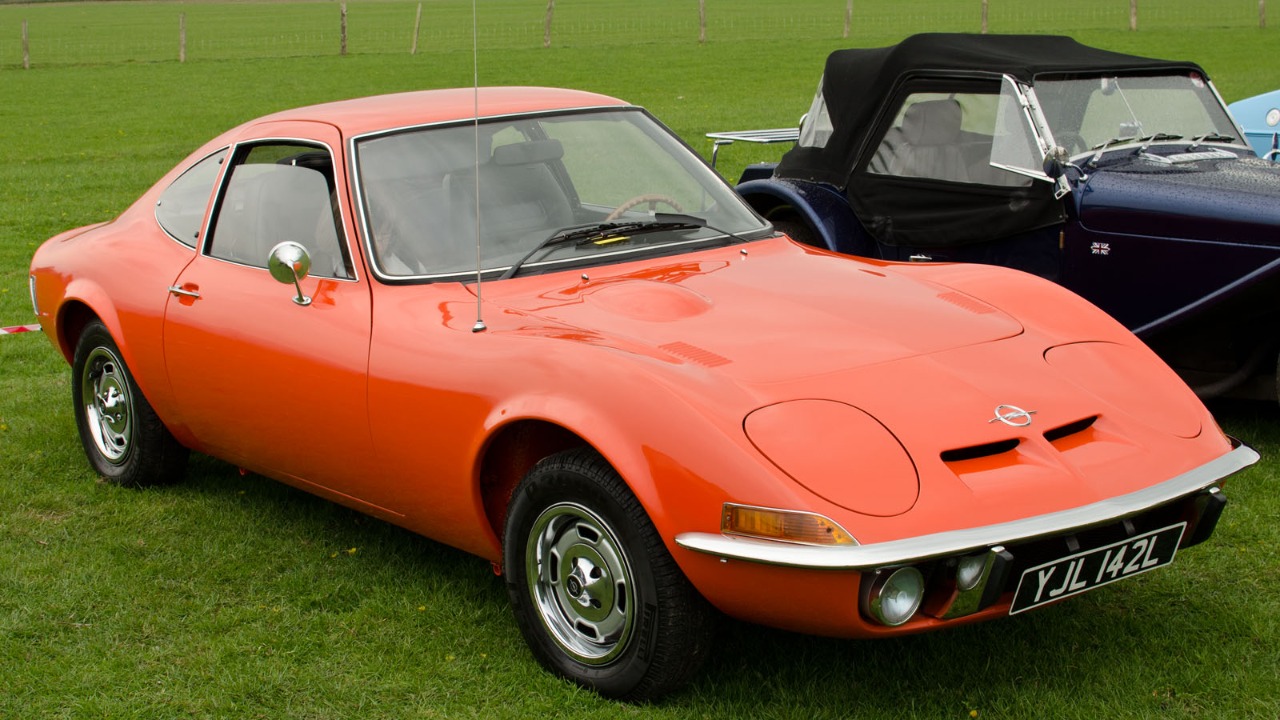
The 1973 Opel GT is often regarded as one of General Motors’ most unconventional automotive projects, embodying a blend of innovative design, engineering, and a unique market positioning. Despite its short production run and the challenges it faced, the Opel GT has left a lasting impression on car enthusiasts and historians alike.
Background and Development
Opel’s history dates back to the late 19th century, when it began as a manufacturer of sewing machines before transitioning to bicycles and eventually automobiles. In 1929, Opel was acquired by General Motors, which sought to strengthen its presence in the European market. This acquisition set the stage for the development of the Opel GT, a project that would combine American automotive innovation with European flair.
The design inspiration for the Opel GT was heavily influenced by the aesthetics of the Chevrolet Corvette, which was in production at the time. The GT’s sleek lines, long hood, and compact body made it stand out in a crowded market. Key features such as the pop-up headlights and the unique rear end design were revolutionary for their time, making the Opel GT a true head-turner. Designers like George A. McMullen and Gerald Bloomfield played crucial roles in shaping the vehicle’s distinctive look and feel.
Technical Specifications and Performance
The Opel GT was available with two engine options: a 1.1-liter four-cylinder and a 1.9-liter four-cylinder engine, producing a respectable 60 and 90 horsepower, respectively. While these figures may not seem impressive compared to modern sports cars, they were competitive for the early 1970s, allowing the GT to accelerate from 0 to 60 mph in under 10 seconds. This performance was paired with a lightweight body, enhancing the driving experience.
One of the GT’s standout features was its rear-wheel drive layout, which provided excellent handling dynamics. The car’s suspension system, featuring independent front suspension and a live rear axle, contributed to its agility on the road. The driving experience was further enhanced by the manual transmission, delivering a sense of connection between the driver and the machine that many enthusiasts still cherish today.
Market Position and Sales Performance
When it was launched, the Opel GT was aimed at young, sporty drivers looking for an affordable yet stylish performance car. GM’s marketing strategies highlighted the GT’s unique design and European heritage, appealing to a demographic that was beginning to embrace smaller, more efficient vehicles. Despite these efforts, sales figures were modest, with approximately 100,000 units produced during its lifespan.
In comparison to other sports cars of the era, such as the Ford Mustang and the Chevy Camaro, the Opel GT occupied a unique niche. While American muscle cars focused on raw power, the GT offered a more refined, European approach to performance. This distinction allowed it to attract a dedicated following, though it ultimately struggled against the competition in terms of volume.
Cultural Impact and Legacy
The Opel GT has made its mark on popular culture, appearing in various films and media over the years. Its distinctive design has captured the imagination of filmmakers and car enthusiasts alike. For instance, the GT made an appearance in the 1975 film “The Man from U.N.C.L.E.,” where its sleek lines and sporty demeanor fit perfectly within the spy genre. Such appearances have helped cement the car’s status as an icon of automotive design.
The legacy of the Opel GT extends beyond the silver screen. Its influence can be seen in the designs of several modern sports cars, which have borrowed elements from its aesthetic and engineering philosophy. Enthusiast clubs and online communities, such as the Opel GT Facebook Group, play a crucial role in preserving its history, organizing events, and sharing knowledge about restoration and maintenance. This ongoing passion ensures that the Opel GT remains a beloved model among collectors and car aficionados.
Challenges and Discontinuation
Despite its unique appeal, the Opel GT faced numerous challenges that ultimately led to its discontinuation. The economic landscape of the early 1970s was fraught with difficulties, including rising fuel prices and changing consumer preferences. The oil crisis of 1973 shifted buyer interest towards more fuel-efficient vehicles, leaving sports cars like the Opel GT struggling to maintain their market presence.
Additionally, production challenges, including rising costs and competition from both domestic and international markets, contributed to declining sales. By 1975, the production of the Opel GT ceased, marking the end of an era for this distinctive model. However, its impact on automotive history remains significant, illustrating the complexities of market dynamics and consumer desires during a pivotal time in the industry.
More from Fast Lane Only
- Unboxing the WWII Jeep in a Crate
- 15 rare Chevys collectors are quietly buying
- 10 underrated V8s still worth hunting down
- Police notice this before you even roll window down
*Research for this article included AI assistance, with all final content reviewed by human editors.