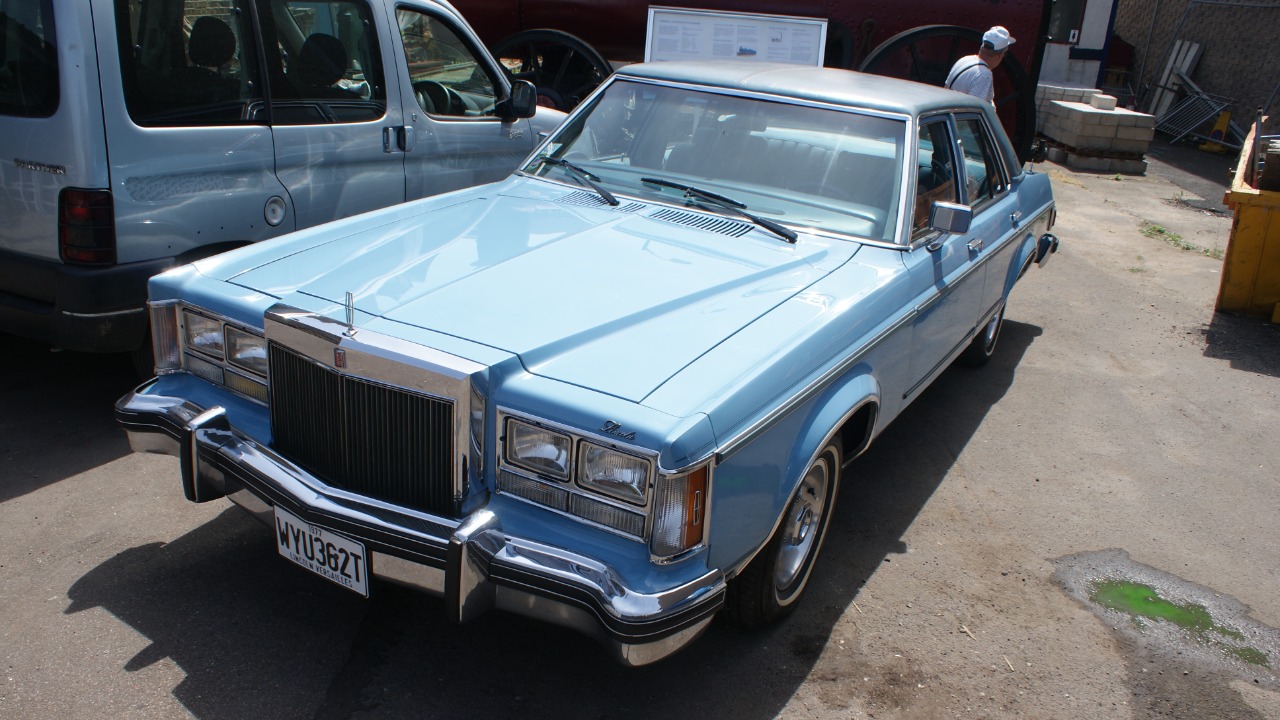
The 1977 Lincoln Versailles represented a bold departure from traditional luxury car design, aiming to blend opulence with affordability. By adopting a unique approach that emphasized value engineering and a compact format, Lincoln sought to capture a new segment of the luxury market, catering to consumers who desired sophistication without the steep price tag typically associated with luxury vehicles.
Design Philosophy: A New Kind of Elegance
One of the standout features of the Lincoln Versailles was its compact luxury design. As urban environments began to evolve, the need for smaller yet luxurious vehicles became apparent. The Versailles was meticulously crafted to navigate tight city streets while still offering the spacious feel that luxury buyers expected. This approach not only made the car more practical for everyday use but also appealed to a new demographic that was looking for a vehicle that could seamlessly blend into the modern urban landscape.
Styling choices also played a significant role in differentiating the Versailles from its contemporaries. Drawing inspiration from European luxury sedans, the Versailles featured a sleek silhouette, elegant lines, and a distinctive front grille that echoed the design language of its European rivals. Lincoln’s choice to incorporate these design elements was a strategic move to attract consumers who were increasingly influenced by the sophistication of European automotive design. Additionally, the use of chrome and tasteful embellishments gave the vehicle an upscale aesthetic that was both inviting and impressive.
The interior of the Versailles was equally noteworthy, showcasing opulent materials such as rich velour upholstery and plush carpeting. These features aimed to create an atmosphere of luxury, ensuring that passengers felt pampered during every journey. The attention to detail extended to the dashboard and controls, which were designed with both functionality and elegance in mind. With a focus on enhancing the overall luxury experience, Lincoln set a new standard for what consumers could expect from a compact luxury sedan.
Value Engineering: Balancing Cost and Comfort
To achieve its ambitious goals, Lincoln employed various cost-cutting measures that did not compromise the perceived luxury of the Versailles. One such strategy involved utilizing shared platforms with other Ford models, allowing Lincoln to reduce production costs while maintaining quality. This approach enabled Lincoln to offer the Versailles at a more competitive price point, appealing to buyers who were looking for luxury without the exorbitant costs typically associated with high-end brands.
The market positioning of the Versailles was also a crucial factor in its appeal. Targeting a demographic that desired luxury but was also price-conscious, the Versailles aimed to carve out a niche in the luxury vehicle market. By emphasizing value alongside opulence, Lincoln successfully attracted buyers who were disillusioned with traditional luxury brands and their high price tags. This strategic positioning contributed to the Versailles’s reputation as an accessible luxury vehicle, setting it apart from its competitors.
When comparing the Versailles to the Cadillac Seville, a notable rivalry emerged. While both vehicles aimed to capture the luxury market, they did so through markedly different approaches. The Seville emphasized a more traditional luxury experience with powerful V8 engines and a larger footprint, while the Versailles focused on a compact, value-driven luxury experience. This competition was indicative of a broader shift in the luxury market during the late 1970s, as brands sought to redefine what luxury meant in a changing economic landscape.
Performance and Engineering: A Different Approach
The engine options available for the Lincoln Versailles were reflective of its overall design philosophy. Rather than offering the powerful V8 engines typical of full-size luxury sedans, the Versailles featured a range of more modest engine choices. This decision highlighted Lincoln’s commitment to a different kind of luxury—one that prioritized fuel efficiency and everyday usability over raw power. As a result, the Versailles offered a smoother, more manageable driving experience that appealed to urban drivers.
Ride quality and handling were also key considerations in the engineering of the Versailles. Lincoln’s focus on comfort was evident in the suspension tuning and overall ride characteristics of the vehicle. The Versailles was designed to glide over city streets and highways with ease, providing a serene driving experience that was both enjoyable and relaxing. This emphasis on comfort further solidified the Versailles’s reputation as a luxury vehicle that did not compromise on the essentials of a smooth ride.
Reliability factors played a significant role in consumer perception of the Versailles. Compared to its competitors, the Versailles garnered mixed reviews regarding long-term reliability. While some owners praised its comfort and style, others raised concerns about mechanical issues that arose over time. These factors contributed to varying consumer opinions and influenced the overall legacy of the Versailles in the luxury vehicle market.
Market Reception: The Luxury Landscape of the Late 1970s
The sales performance of the Lincoln Versailles during its production run reflected the complexities of the luxury market in the late 1970s. While initial responses were promising, the competitive landscape, particularly from established brands like Cadillac, led to fluctuating sales figures. The Versailles struggled to maintain a consistent market presence, as consumers weighed their options and considered the benefits of larger, more traditional luxury sedans.
Consumer feedback provided valuable insights into the strengths and weaknesses of the Versailles. Reviews often highlighted its stylish design and comfortable interior, but some critics pointed to its performance limitations and concerns about reliability. Owner testimonials echoed these sentiments, revealing a mixed bag of opinions that ultimately influenced the vehicle’s reputation. Despite these challenges, the Versailles left a lasting impression on those who appreciated its unique blend of luxury and practicality.
The legacy and impact of the Lincoln Versailles extended beyond its immediate sales figures. The vehicle played a role in shaping the future of luxury vehicles, influencing how manufacturers approached the concept of compact luxury. By demonstrating that opulence could be paired with practicality, the Versailles paved the way for future models that would continue to explore this balance.
Cultural Significance: The Versailles in Popular Media
The Lincoln Versailles made its mark in popular culture, often portrayed as a symbol of luxury and sophistication in film and television. Its sleek design and association with affluence made it a favored choice for characters looking to convey status and elegance. This representation cemented the Versailles’s place in the cultural landscape of the late 1970s, reflecting the era’s changing attitudes toward luxury and consumerism.
Beyond its appearances in media, the Versailles encapsulated the economic and social conditions of the time, particularly during the oil crisis. As consumers began to prioritize fuel efficiency alongside luxury, the Versailles emerged as a vehicle that resonated with shifting preferences. Its compact design and value-driven luxury aligned with the growing desire for practicality in an era marked by economic uncertainty.
Today, the Lincoln Versailles holds a unique status among collectors and automotive enthusiasts. As interest in vintage vehicles continues to grow, the Versailles is often celebrated for its innovative design and distinct approach to luxury. Its place in automotive history is solidified, reminding us of a time when the definition of luxury was evolving, and new possibilities were emerging within the automotive landscape. For those looking to explore more about the Lincoln Versailles, resources like Wikipedia and Hagerty provide valuable insights into its legacy and significance.
More from Fast Lane Only
- Unboxing the WWII Jeep in a Crate
- 15 rare Chevys collectors are quietly buying
- 10 underrated V8s still worth hunting down
- Police notice this before you even roll window down
*Research for this article included AI assistance, with all final content reviewed by human editors.