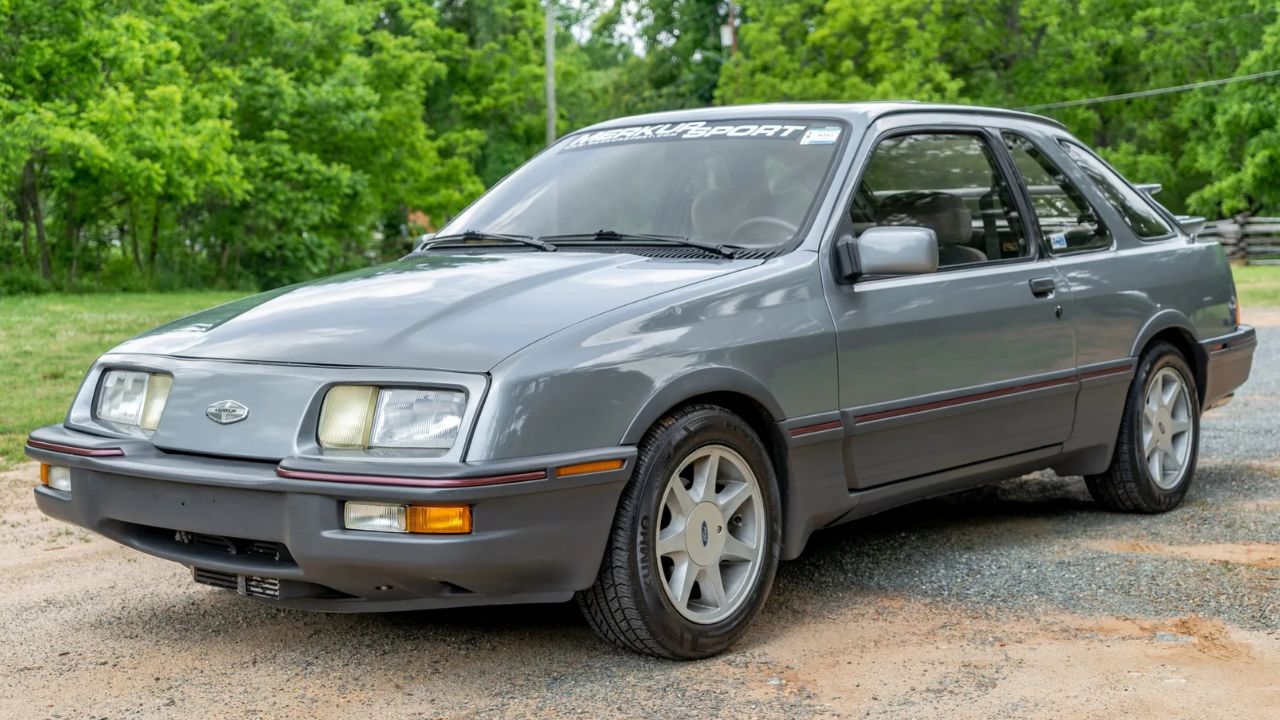
The 1986 Merkur XR4Ti marked a significant shift in Ford’s approach to the American market, introducing a European-inspired sports coupe that stood out in an era dominated by muscle cars and sedans. With its distinctive design and performance-oriented capabilities, the XR4Ti offered buyers something refreshingly different. This article delves into the unique features of the XR4Ti, its place in automotive history, and the cultural impact it had on Ford buyers.
The Birth of the Merkur Brand
In the early 1980s, Ford recognized the need to diversify its offerings in the American automobile market, which had been heavily saturated with traditional American muscle cars and sedans. As a response, Ford decided to introduce the Merkur brand, which was derived from the European Ford Sierra, a model that had garnered considerable acclaim across the pond. This strategic move aimed to attract a niche of performance-oriented buyers who were increasingly drawn to more innovative and stylish vehicles.
The introduction of the Merkur brand was not merely a marketing gimmick; it represented a significant commitment by Ford to bring European sensibilities to the U.S. market. The XR4Ti, launched in 1985, was the first model to bear the Merkur name and was aimed at a demographic that sought not only performance but also advanced technology and design aesthetics. The XR4Ti was more than just a car; it was a statement that Ford was willing to rethink its approach to the American consumer.
Design and Aesthetic Appeal
The XR4Ti’s design was groundbreaking for its time, featuring an aerodynamic shape that was a significant departure from the boxy designs prevalent in many American cars. Its hatchback design not only contributed to its sporty appearance but also offered practicality—an important factor for buyers looking for versatility. The elongated hood, sloping roofline, and distinctive rear spoiler gave the XR4Ti a unique silhouette that turned heads on the road.
Inside, the XR4Ti was designed with the European driver in mind. The dashboard layout was both functional and stylish, featuring high-quality materials and a driver-centric design. This attention to detail, uncommon in American vehicles at that time, resonated with buyers who appreciated a more refined driving experience. The seats were supportive and comfortable, making long drives more enjoyable, and features like power windows and air conditioning added to the overall appeal of the vehicle.
Performance Specifications
At the heart of the XR4Ti was a turbocharged 2.3-liter inline-four engine that produced 145 horsepower and 180 lb-ft of torque. This engine was a significant upgrade over many contemporary American models, which often relied on larger, less efficient engines. The turbocharged setup allowed the XR4Ti to achieve impressive acceleration, with a 0-60 mph time of approximately 7.5 seconds—a remarkable feat for a car in this class during the mid-1980s.
Its performance was further enhanced by a sophisticated suspension system that included independent front suspension and a multi-link rear setup. This engineering excellence translated into superior handling and ride quality, providing a driving experience that was both exhilarating and comfortable. Comparatively, many American cars at the time struggled to offer the same level of dynamic capability, making the XR4Ti a standout option for driving enthusiasts.
Technological Innovations
The XR4Ti was ahead of its time in terms of technological innovations, introducing features that would later become standard in many performance cars. The turbocharger and electronic fuel injection systems were particularly noteworthy, providing not only enhanced performance but also improved fuel efficiency. This was a significant consideration for buyers who sought both power and economy in their vehicles.
Additionally, the multi-link rear suspension system offered improved stability and handling, which was a considerable advantage over many competitors that utilized simpler suspension setups. The independent front suspension contributed to a smooth ride, reducing body roll during cornering and enhancing the overall driving experience. These technological advancements made the XR4Ti a formidable competitor in the sport coupe segment, appealing to buyers who valued performance and innovation.
Market Reception and Sales Performance
Upon its release, the Merkur XR4Ti received a mixed reception in the market. While automotive journalists and enthusiasts praised its innovative design and performance capabilities, sales figures did not meet Ford’s expectations. The XR4Ti sold approximately 14,000 units during its first year, a figure that was modest compared to other models in Ford’s lineup. This lack of sales success can be attributed to a few factors, including its higher price point compared to domestic competitors and the unfamiliarity of the Merkur brand among American consumers.
The target audience for the XR4Ti included younger buyers and performance enthusiasts looking for something different from the traditional American offerings. However, many potential buyers were hesitant to embrace a new brand with limited recognition. Reviews from automotive journalists highlighted its strengths, such as handling and design, but also pointed out areas for improvement, particularly regarding reliability and service availability. This mixed reception ultimately impacted the XR4Ti’s long-term viability in the market.
Challenges and Controversies
Despite its innovative features and design, the XR4Ti faced several challenges during its production run. Quality control issues were a significant concern, with reports of various reliability problems that plagued early models. Some buyers experienced engine-related issues and electrical malfunctions, which tarnished the reputation of the XR4Ti among more traditional Ford customers. These challenges were exacerbated by the competitive landscape, as American consumers were increasingly drawn to more established brands and models.
Additionally, the shifting market trends of the late 1980s further complicated the XR4Ti’s position. As consumer preferences began to lean towards SUVs and more practical vehicles, the demand for sporty coupes began to wane. This changing landscape made it difficult for the XR4Ti to maintain its appeal, and by 1989, production ceased, marking the end of the Merkur brand in the U.S. market.
Legacy and Cultural Impact
Though the XR4Ti may not have achieved commercial success, its impact on Ford and the automotive landscape cannot be overlooked. It represented a pivotal moment in Ford’s history, showcasing the company’s willingness to innovate and experiment with new designs and technologies. The XR4Ti also laid the groundwork for future Ford models that would incorporate European styling and performance elements, leading to a more diverse lineup as consumer tastes evolved.
In car culture, the XR4Ti has found a niche among enthusiasts and collectors. It has made appearances in various media, including video games and automotive shows, solidifying its status as a cult classic. The vehicle is often discussed in forums such as Reddit, where enthusiasts share their experiences and passion for this unique model. Its distinctive design and performance capabilities have left a lasting impression on those who appreciate the blend of European engineering and American muscle.
Collectibility and the Used Market
As time has passed, the XR4Ti has become increasingly collectible among classic car enthusiasts. While the numbers remain low, the interest in the XR4Ti has grown, driven by nostalgia and a renewed appreciation for unique vehicles from the late 20th century. On platforms like HotCars, listings for the XR4Ti often attract attention from collectors eager to restore or showcase this rare model.
The used market for the XR4Ti is relatively limited, with most available vehicles being well over two decades old. Prices can vary significantly based on condition, mileage, and modifications. Collectors often seek out models with low mileage or those that have been meticulously maintained. The XR4Ti’s rarity, combined with its unique place in Ford’s history, makes it a desirable option for collectors looking to own a piece of automotive innovation.
Final Thoughts on the Merkur XR4Ti
The Merkur XR4Ti represented a bold experiment by Ford to introduce European influences into the American market. It challenged the status quo of American automotive design and performance during the 1980s, paving the way for a more diverse range of vehicles. Its unique design, technological innovations, and cultural impact have ensured its place in the hearts of automotive enthusiasts and collectors alike. As the automotive landscape continues to evolve, the XR4Ti remains a testament to Ford’s willingness to embrace change and push boundaries.
More from Fast Lane Only