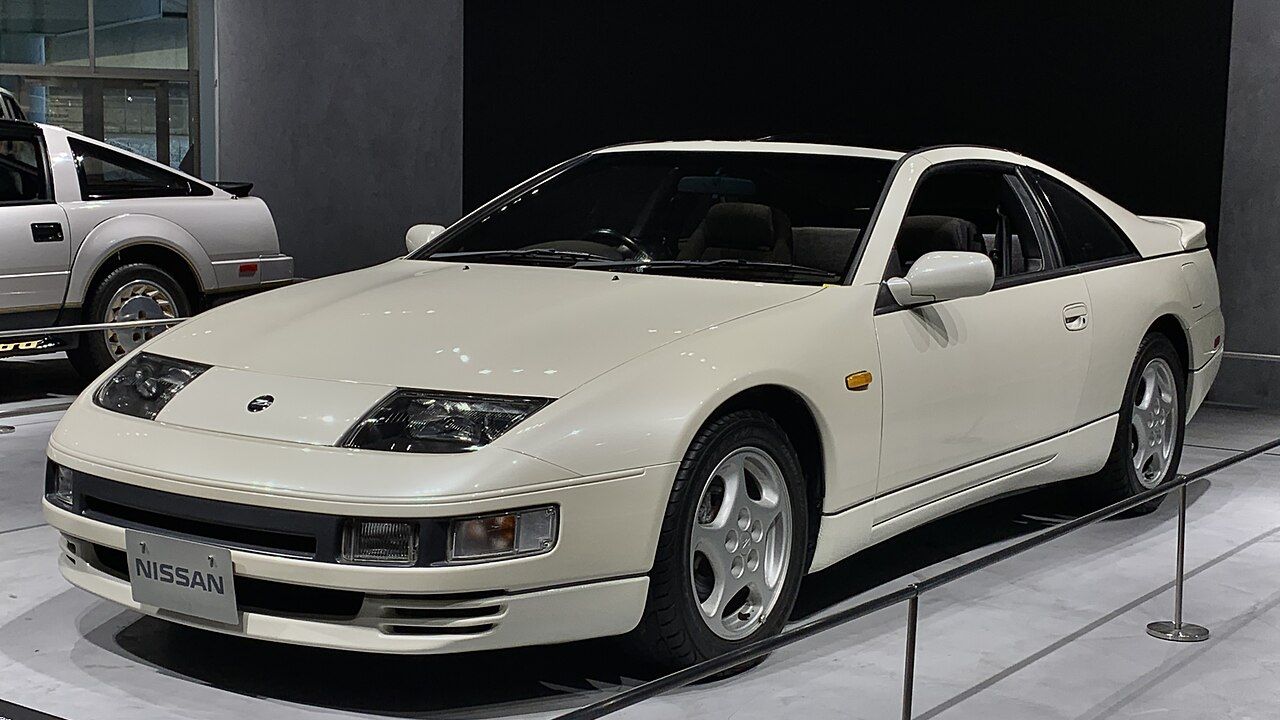
The 1989 Nissan 300ZX was a pivotal model that not only redefined the sports car segment but also set the stage for future innovations in automotive design and technology. As one of the most iconic vehicles of its time, it showcased a blend of performance, style, and cutting-edge features that would influence generations of sports cars to come.
Design and Aesthetics
The design of the 1989 Nissan 300ZX was revolutionary, boasting a streamlined body that embraced aerodynamic principles to enhance both performance and fuel efficiency. This sleek silhouette was complemented by features such as pop-up headlights, which not only added a unique aesthetic but also contributed to the car’s aerodynamic profile. The aggressive lines that characterized the 300ZX signaled a departure from the more rounded designs of earlier sports cars, reflecting a shift in design philosophy that prioritized both form and function.
Japanese automotive design trends in the late 1980s played a significant role in shaping the 300ZX’s appearance. The integration of sharp angles and bold contours resonated with a younger audience eager for performance-oriented vehicles. Color options were vibrant and varied, allowing buyers to express their individuality while catering to a demographic that valued both style and speed. Inside, the interior design was equally impressive, featuring supportive bucket seats and a driver-centric layout that put performance at the forefront of the driving experience.
Performance Features
At the heart of the 1989 Nissan 300ZX was the VG30DE engine, a 3.0-liter V6 that offered a remarkable power output of 222 horsepower in its naturally aspirated form. This engine not only provided exhilarating acceleration but also delivered a smooth and responsive driving experience. The 300ZX was available with a turbocharged variant that pushed the performance envelope even further, appealing to enthusiasts who craved speed and agility. The turbocharged engine could produce up to 300 horsepower, allowing the 300ZX to compete with some of the most formidable sports cars of its time.
Advanced suspension systems significantly contributed to the 300ZX’s performance, with features like multi-link rear suspension and a front strut design that ensured superior handling and stability. This engineering excellence translated to a driving experience that was both thrilling and refined, allowing drivers to tackle curves with confidence. The introduction of technology such as the available turbocharger not only enhanced the car’s speed but also made it a versatile option for both spirited driving and everyday use.
Technological Innovations
The 1989 Nissan 300ZX was equipped with a suite of cutting-edge features that were ahead of its time. The digital dashboard was a standout element, offering drivers a modern interface that provided crucial information at a glance. This innovative display was complemented by an advanced audio system that catered to those who wanted an immersive driving experience, whether they were cruising on the highway or navigating through city streets.
Safety technologies were also a priority for Nissan, with the 300ZX incorporating features such as anti-lock brakes and traction control. These advancements not only provided peace of mind to drivers but also illustrated Nissan’s commitment to safety and performance. The implementation of these technologies laid the groundwork for future advancements in sports car engineering, demonstrating how the 300ZX was not merely a product of its time but a harbinger of what was to come in the automotive world.
Cultural Impact and Legacy
The cultural impact of the 1989 Nissan 300ZX extends beyond its impressive specifications. The car made notable appearances in film and video games, solidifying its status as an icon of the era. From its thrilling drives in movies like “The Fast and the Furious” franchise to its presence in racing video games, the 300ZX became synonymous with performance and style, representing Nissan’s rise as a key player in the sports car market.
Moreover, the 300ZX found success in motorsport, participating in various racing events that showcased its capabilities. This success not only bolstered Nissan’s image as a performance-oriented brand but also endeared the 300ZX to enthusiasts who appreciated its racing pedigree. The influence of the 300ZX on subsequent generations of Nissan sports cars, particularly within the Z-series, is undeniable, as it established a legacy that continues to resonate with car enthusiasts today.
The Market Context of the Late 1980s
To fully appreciate the impact of the 1989 Nissan 300ZX, it’s essential to analyze the competitive landscape of sports cars during the late 1980s. Key competitors such as the Toyota Supra and Mazda RX-7 were vying for dominance in a market that was rapidly evolving. The economic factors of the time, including a growing interest in performance vehicles and the rise of Japanese automakers in the global market, played a crucial role in shaping consumer preferences.
The 300ZX effectively addressed the desires of both casual drivers and dedicated enthusiasts. It struck a delicate balance between performance and everyday usability, appealing to those who wanted a car that could deliver exhilarating speed without compromising on comfort. As a result, the 300ZX emerged as a formidable contender in a competitive market, capturing the attention of consumers looking for a sports car that offered both excitement and practicality.
A Blueprint for the Future
The 1989 Nissan 300ZX set a new benchmark for performance, design, and technology in sports cars, influencing not just Nissan but the entire automotive industry. Its blend of innovative features and striking aesthetics paved the way for the evolution of modern sports cars, demonstrating that performance and everyday usability could coexist harmoniously. The commitment to cutting-edge technology and safety features in the 300ZX has had a lasting impact on the design and engineering of subsequent generations of performance vehicles.
Today, the spirit of the 300ZX continues to resonate in automotive designs and performance vehicles. The lessons learned from this iconic model can be seen in the latest iterations of the Z-series, which pay homage to their predecessor while incorporating modern advancements in technology and performance. The legacy of the 1989 Nissan 300ZX is not just a chapter in automotive history; it is a testament to the ever-evolving landscape of sports cars and the enduring appeal of performance-oriented vehicles.
More from Fast Lane Only
- Unboxing the WWII Jeep in a Crate
- 15 rare Chevys collectors are quietly buying
- 10 underrated V8s still worth hunting down
- Police notice this before you even roll window down
*Research for this article included AI assistance, with all final content reviewed by human editors.