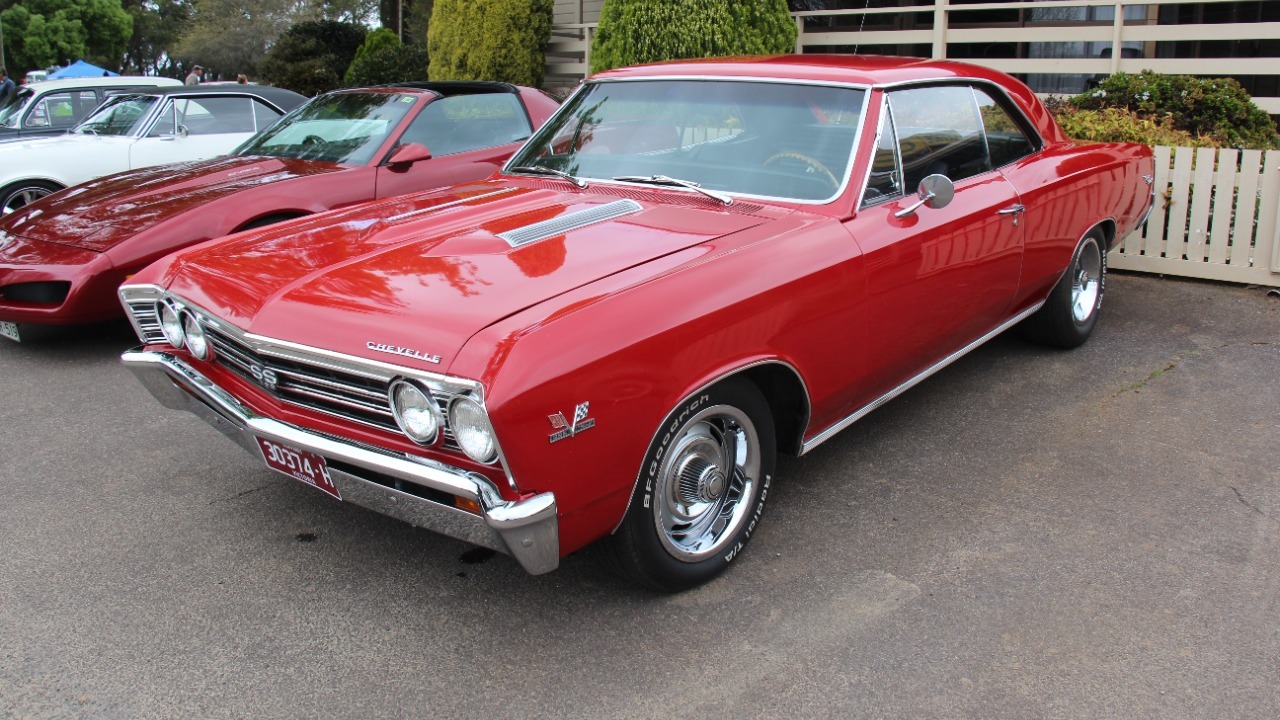
The 1967 Chevrolet Chevelle SS stands out in the annals of automotive history as a quintessential muscle car. Combining raw power with striking design, it has captured the hearts of car enthusiasts and collectors alike, solidifying its place as one of the most recognizable models of its era.
Historical Context of the Muscle Car Era
The rise of muscle cars in the 1960s can be traced back to a combination of cultural shifts and automotive innovation. Following World War II, American society underwent significant changes, with an increased focus on youth culture and a growing interest in performance-oriented vehicles. The post-war economic boom allowed many families to purchase their first cars, and the demand for speed and power surged. This period saw automakers competing fiercely to produce high-performance vehicles that could appeal to a burgeoning market of young drivers eager to experience the thrill of driving.
Chevrolet was no stranger to this competitive landscape. The introduction of the Chevelle in 1964 marked a strategic move to capture a share of the midsize market. By 1967, the Chevelle SS (Super Sport) was launched, featuring performance enhancements that would establish Chevrolet’s reputation in the muscle car segment. The Chevelle SS was not just another car; it was a statement, reflecting an era defined by a love for speed, power, and aggressive styling.
Design and Aesthetics
The 1967 Chevelle SS is celebrated for its iconic styling elements that have left an indelible mark on automotive design. Its bold body lines and muscular stance convey an aura of power and confidence. The distinctive grille design, with its sharp edges and pronounced chrome accents, enhances the car’s aggressive look. The SS badge itself is a symbol of performance, and it immediately signifies a model that is not to be taken lightly.
In addition to its exterior appeal, the Chevelle SS offered a range of color options that were popular among buyers. From vibrant reds to deep blues, these colors helped the Chevelle stand out on the road. Inside, the car featured a driver-focused layout with options for bucket seats and an optional center console, providing both comfort and practicality. This attention to detail in both design and functionality set the Chevelle SS apart from its competitors, such as the Ford Mustang and Plymouth Barracuda, which were also vying for the attention of performance enthusiasts.
Performance and Specifications
Under the hood, the 1967 Chevelle SS offered a variety of engine options, but it was the 396 cubic inch V8 that truly captured the imagination of performance enthusiasts. This powerhouse engine produced a staggering 325 horsepower, with some variants pushing that figure even higher. The Chevelle’s acceleration was impressive, allowing it to go from 0 to 60 mph in just over 6 seconds, a remarkable feat for a car of its time. The handling characteristics were also noteworthy, thanks in part to its advanced suspension system, which provided a balance between comfort and performance.
The engineering innovations that contributed to the Chevelle SS’s performance were significant. Features such as a heavy-duty cooling system and a dual exhaust setup not only enhanced power but also improved the overall driving experience. Whether on the drag strip or cruising down the highway, the Chevelle SS was designed to deliver exhilarating performance that appealed to a wide range of drivers. This blend of power and engineering excellence solidified its status as one of the defining muscle cars of the era.
Cultural Impact and Legacy
The cultural impact of the Chevelle SS extends far beyond its specifications and design. Throughout the years, this muscle car has appeared in numerous films and television shows, further enhancing its iconic status. For instance, it was featured in the classic 1971 film “The French Connection,” where Gene Hackman’s character drove a 1970 Chevelle SS in one of cinema’s most memorable car chases. Such appearances have helped cement the Chevelle SS in the minds of car enthusiasts and casual viewers alike.
Moreover, the Chevelle SS holds a significant place in car clubs and restoration projects. Enthusiasts around the world dedicate countless hours to restoring these vehicles to their former glory, showcasing their love and appreciation for this classic muscle car. The Chevelle SS is often considered a symbol of freedom and rebellion, representing the spirit of American automotive culture during a time of great change.
Testimonials from collectors and enthusiasts highlight what the Chevelle SS represents in automotive culture. For many, it is not just a car; it is a nostalgic reminder of a bygone era, evoking memories of youthful adventures and the thrill of speed. The connection that fans have with the Chevelle SS is deeply personal, and this emotional bond has helped sustain its legacy for decades.
Modern Appreciation and Collectibility
As trends in the classic car market continue to evolve, the demand for vintage muscle cars like the Chevelle SS is on the rise. Today, collectors and enthusiasts are seeking out well-preserved models and original parts, leading to a surge in the car’s value. Factors such as rarity and condition play a significant role in determining the market price, with certain models fetching impressive sums at auctions. For example, a meticulously restored 1967 Chevelle SS can command prices well into the six-figure range, reflecting its desirability among collectors.
The community surrounding the Chevelle SS is vibrant and active, with events dedicated to celebrating this iconic muscle car. Car shows, track days, and meetups provide opportunities for enthusiasts to share their passion and knowledge. Social media platforms, such as Facebook, host groups where fans can connect, share restoration tips, and showcase their vehicles. For instance, the Chevelle SS Owners Group serves as a hub for discussions, fostering a sense of camaraderie among Chevelle enthusiasts.
The Enduring Appeal of the Chevelle SS
The 1967 Chevrolet Chevelle SS continues to resonate with new generations of car lovers, not only for its performance and design but also for its historical significance. As a representative of the muscle car era, the Chevelle SS played a pivotal role in shaping American automotive culture. It embodies a time when speed and style were paramount, and its influence can still be seen in modern muscle cars.
In reflecting on the legacy of the Chevelle SS, one cannot overlook its role in the evolution of automotive design and performance. The engineering advancements and bold aesthetics set a standard for what a muscle car should be. As we celebrate this iconic vehicle, I encourage readers to appreciate its history and the impact it has had on the automotive landscape. The Chevelle SS is more than just a car; it is a symbol of passion, power, and the enduring allure of the open road.
More from Fast Lane Only
- Unboxing the WWII Jeep in a Crate
- 15 rare Chevys collectors are quietly buying
- 10 underrated V8s still worth hunting down
- Police notice this before you even roll window down
*Research for this article included AI assistance, with all final content reviewed by human editors.