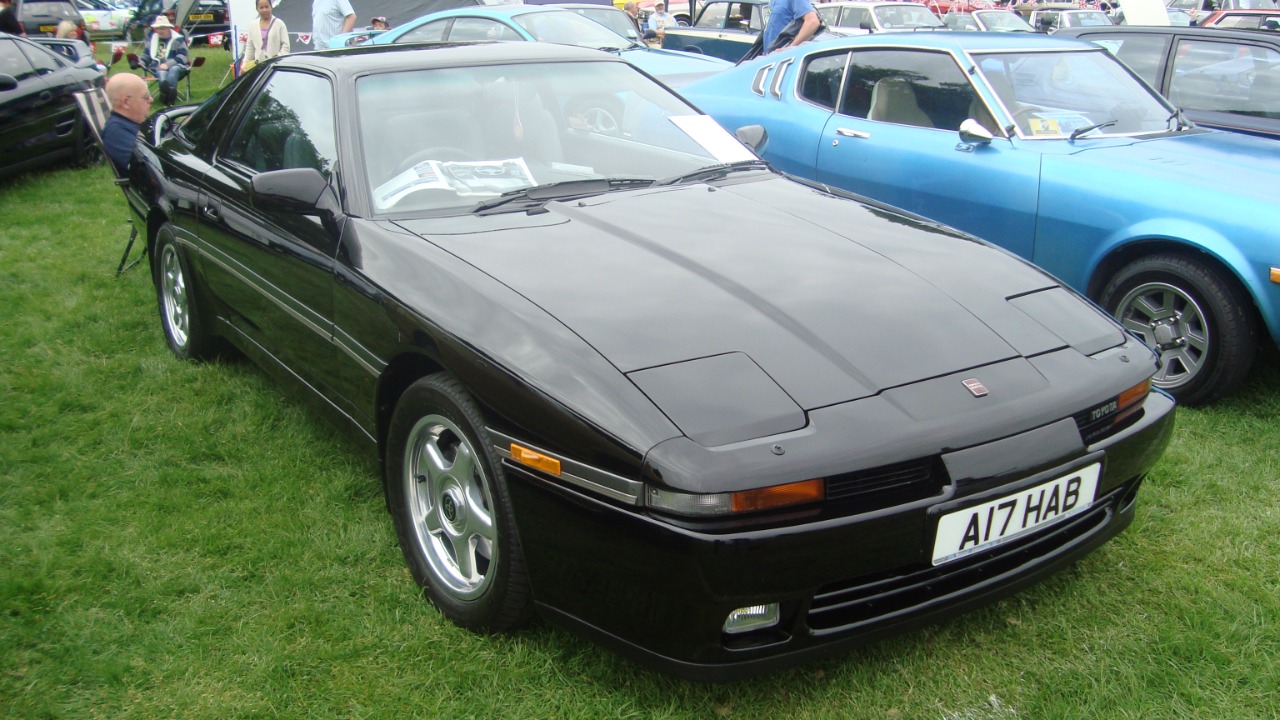
The 1989 Toyota Supra marked the beginning of a legacy that would eventually transform the car into an automotive icon. As I delve into the origins, design evolution, and cultural impact of the Supra, it’s fascinating to discover how this car gained a reputation that resonates with enthusiasts even today.
The Birth of the 1989 Toyota Supra
The Toyota Supra was born out of the need for a more refined sports car that could compete in the growing market during the late 1980s. Development began in the early 1980s, evolving from the Toyota Celica platform. By 1989, the third generation was released, known as the A70, which stood apart from its predecessors with a more powerful engine and improved design features. It was a significant step away from the earlier models, which were more compact and less performance-oriented.
The 1989 model introduced a range of key features, including a 3.0-liter inline-six engine that produced 200 horsepower, providing a balance of power and efficiency. The Supra also came equipped with advanced technology for its time, such as a multi-link rear suspension and an optional turbocharger, which enhanced performance further. Toyota’s engineering philosophy emphasized reliability and performance, making the Supra not just another sports car, but a vehicle that could handle daily driving as well as spirited weekends on winding roads.
Design and Performance
The design of the 1989 Supra was a significant factor in its appeal. I can’t help but admire the sleek, aerodynamic lines that were not only aesthetically pleasing but also functional. The car featured a long hood and a short rear deck, a design that became a defining characteristic of the Supra. The use of pop-up headlights added a touch of sophistication, giving it a unique presence on the road.
On the performance side, the Supra was equipped with several engine options, including a naturally aspirated version and a turbocharged variant that boasted significantly higher performance stats. The turbo model could accelerate from 0 to 60 mph in just over six seconds, which was impressive for its era. It also received praise for its handling capabilities, thanks in part to its rear-wheel-drive layout and advanced suspension system. When compared to competitors like the Nissan 300ZX and Mazda RX-7, the Supra carved out a niche for those seeking a blend of performance and comfort, making it a formidable contender in the sports car market of the late 1980s.
Cultural Impact and Media Representation
The 1989 Supra quickly became a cultural icon, especially as it made its mark in popular media. I recall seeing it featured in movies like “The Fast and the Furious,” where it was driven by Paul Walker’s character, Brian O’Conner. This film alone contributed significantly to the Supra’s legendary status, introducing a new generation to its capabilities and style. Video games, too, played a role; titles such as “Need for Speed” and “Gran Turismo” showcased the Supra, allowing players to experience its performance in a virtual setting.
The Supra’s presence in media helped shape car culture in the late 1980s and early 1990s, turning it from a niche sports car into a global icon. Car enthusiasts began to appreciate the Supra not just for its speed but also for its tuning potential. The aftermarket support for the Supra grew substantially, with many owners modifying their vehicles for enhanced performance. This burgeoning community of enthusiasts laid the groundwork for the Supra’s status as a beloved classic car, one that has maintained relevance even decades after its initial release.
Legacy and Evolution
Tracing the evolution of the Supra post-1989 reveals how Toyota adapted to changing market demands while preserving the essence of what made the Supra special. The fourth generation, known as the A80, launched in 1993, took the Supra’s performance to new heights with its twin-turbocharged engine, capable of producing 276 horsepower and achieving remarkable speeds. This model further solidified the Supra’s reputation as a performance powerhouse.
As I reflect on the impact of the Supra on car enthusiasts and the automotive industry, it is clear that its legacy extends far beyond its initial market presence. The Supra name became synonymous with high performance and style, influencing not only competitors but also a generation of sports cars that followed. Even today, the Supra is celebrated in automotive circles, demonstrating that its influence is both profound and enduring.
Collectibility and Modern Relevance
In the current market, the 1989 Supra has become a sought-after collector’s item, with prices reflecting its iconic status. The appeal for classic cars has surged in recent years, and the Supra stands out among its peers for its performance pedigree and design. Collectors are particularly drawn to well-maintained models, with some fetching prices well above their original MSRP, as enthusiasts look to own a piece of automotive history.
As modern automotive innovation continues to evolve, the future of the Supra brand remains promising. With the recent reintroduction of the Supra in 2020 as a collaboration between Toyota and BMW, it has once again captured the attention of both new and veteran enthusiasts alike. This new iteration pays homage to its predecessors while embracing modern technology, ensuring that the Supra name continues to resonate in the automotive world. As I look forward, I can’t help but be excited about what the future holds for this legendary nameplate, which has a rich history and an unmistakable legacy
More from Fast Lane Only
- Unboxing the WWII Jeep in a Crate
- 15 rare Chevys collectors are quietly buying
- 10 underrated V8s still worth hunting down
- Police notice this before you even roll window down
*Research for this article included AI assistance, with all final content reviewed by human editors.