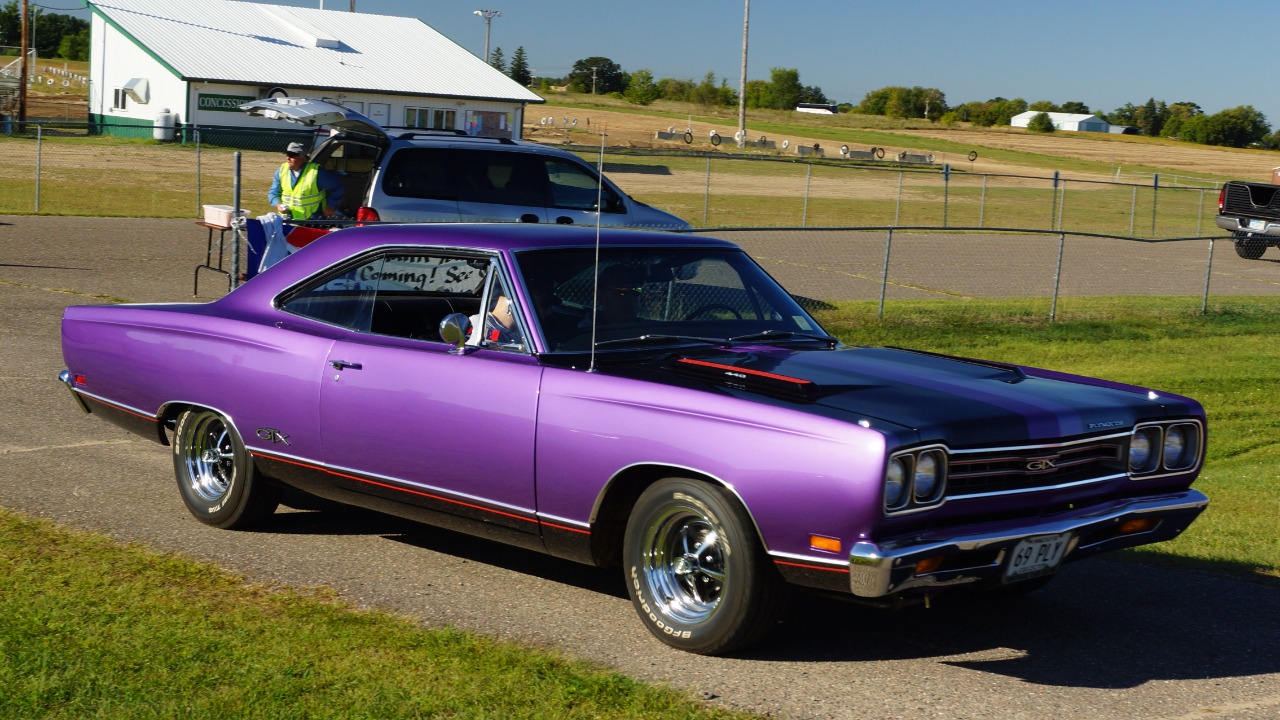
The 1969 Plymouth GTX, often overshadowed by its rivals, carved out a unique niche as the epitome of a “gentleman’s muscle car.” With a blend of performance, comfort, and understated elegance, the GTX became a symbol of sophistication in the muscle car era.
Historical Context of the Muscle Car Era
The rise of the muscle car in the 1960s marked a significant shift in American automotive culture. Car enthusiasts were drawn to high-performance vehicles that not only delivered speed but also embodied a sense of youthful rebellion. Key models from this era included the Ford Mustang, Chevrolet Camaro, and Dodge Charger, all of which offered raw power and aggressive styling. However, amidst this fierce competition, the Plymouth GTX emerged as a unique offering that appealed to a more discerning driver.
Plymouth, as a brand, positioned itself to attract a demographic that sought performance without the ostentation often associated with muscle cars. The GTX was crafted for those who appreciated both speed and a refined driving experience. This balance was particularly appealing during a period when societal changes, including the rise of the counterculture and shifts in consumer preferences, began to influence automotive design and marketing. The GTX spoke to a generation looking for sophistication wrapped in performance.
Design and Aesthetic Appeal
The design of the 1969 Plymouth GTX was instrumental in establishing its reputation as a gentlemanly muscle car. With classic styling elements like chrome accents, a long hood, and sleek lines, the GTX exuded an air of understated elegance. Its design was not just about aesthetics; it was about presenting a vehicle that could be equally at home on the racetrack or parked in front of a fine restaurant. The GTX’s elegant curves and refined proportions set it apart from its more aggressive counterparts.
Inside the GTX, luxury and comfort were prioritized, further enhancing its appeal. Plush bucket seats, high-quality materials, and an array of available options made it a pleasure to drive. Whether cruising down the highway or navigating city streets, drivers and passengers alike could enjoy an experience that was as much about comfort as it was about speed. The range of color options and customizations also allowed buyers to express their individuality, attracting a clientele that appreciated both style and substance.
Performance and Engineering
When it came to performance, the GTX did not disappoint. The heart of the beast was the iconic 440 Six-Pack engine, a powerful V8 that delivered exhilarating speed and torque. With its impressive performance capabilities, the GTX was not only a muscle car but a true powerhouse on the road. It was engineered for those who desired thrilling acceleration without compromising on the driving experience. The balance between power and drivability was a hallmark of the GTX, allowing it to be enjoyed in various driving conditions.
Moreover, the GTX featured innovations in suspension and handling that catered to a more sophisticated driving experience. The vehicle’s design emphasized stability and control, allowing drivers to navigate both winding roads and straightaways with ease. This focus on engineering excellence ensured that the GTX could perform like a muscle car while still offering the comfort expected from a luxury vehicle. It was a vehicle for those who appreciated the finer things in life, even when behind the wheel.
Marketing and Branding Strategies
Plymouth’s marketing strategies effectively positioned the GTX as a sophisticated alternative to traditional muscle cars. Advertisements highlighted its performance capabilities while simultaneously emphasizing its luxury features. The messaging appealed to a more upscale market, targeting buyers who wanted more than just raw power—they wanted style and refinement. Promotional strategies included showcasing the GTX in upscale settings, reinforcing the idea that this was a vehicle for the modern gentleman.
Endorsements and cultural references further solidified the GTX’s reputation as a gentleman’s muscle car. The media often portrayed it as the choice of discerning drivers, and its appearances in popular films and magazines of the time cultivated an image of sophistication. Plymouth’s targeted approach in branding allowed the GTX to transcend the typical muscle car stereotype, making it a desirable option for those who were looking for a vehicle that combined performance with elegance.
Legacy and Influence
The impact of the 1969 Plymouth GTX on future muscle cars and automotive design is undeniable. It set a benchmark for how muscle cars could be engineered and marketed, influencing the design of subsequent models. The GTX’s combination of power, comfort, and style paved the way for future generations of performance vehicles that strived to achieve a similar balance. Its legacy can still be seen in modern muscle cars that incorporate elements of luxury while delivering exhilarating performance.
Today, the GTX holds a special place in classic car culture, revered for its unique position in the muscle car hierarchy. Collectors and enthusiasts seek out the 1969 model for its historical significance and performance pedigree. The “gentleman’s muscle car” concept continues to resonate with modern automotive enthusiasts who appreciate vehicles that offer both exhilarating performance and a touch of class. As the automotive landscape evolves, the GTX remains a reminder of a time when muscle cars were not just about speed but about the experience of driving itself.
More from Fast Lane Only
- Unboxing the WWII Jeep in a Crate
- 15 rare Chevys collectors are quietly buying
- 10 underrated V8s still worth hunting down
- Police notice this before you even roll window down
*Research for this article included AI assistance, with all final content reviewed by human editors.