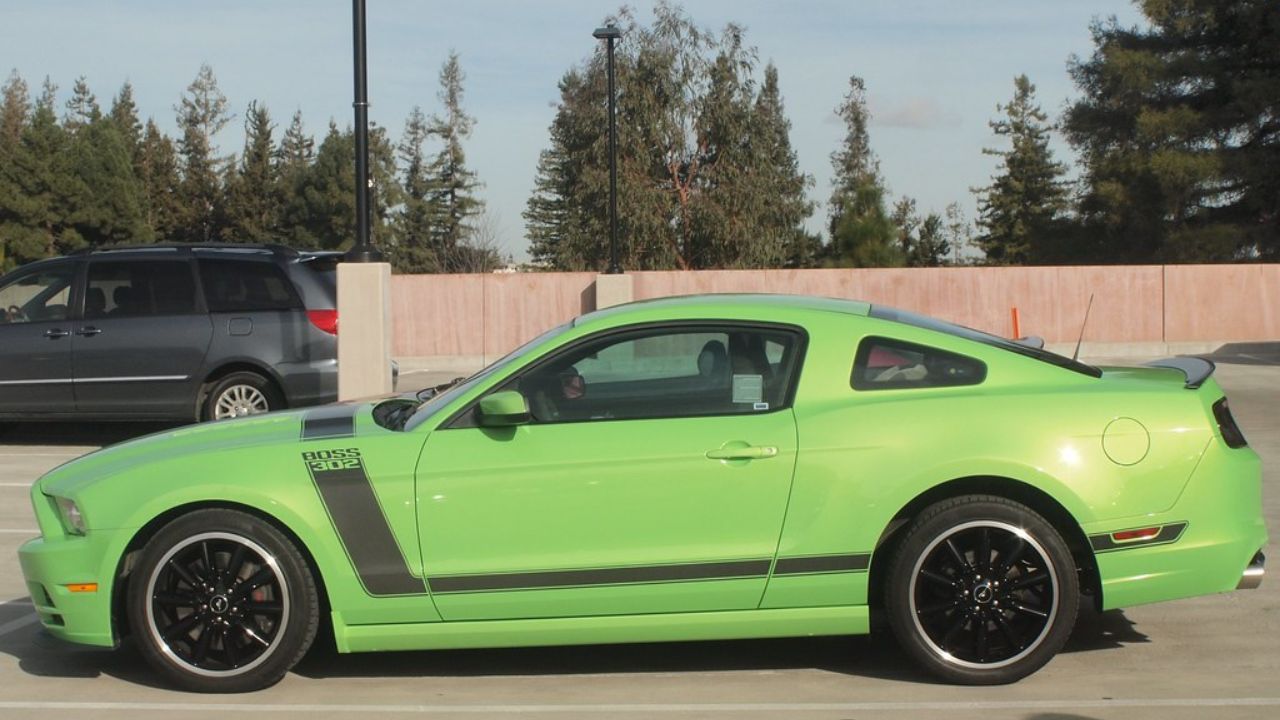
The 2013 Boss 302 wasn’t just a badge revival—it was one of the best Mustangs Ford ever put on the street. Purpose-built and track-tested, it offered a no-nonsense formula: more grip, better control, and a high-revving V8 with real character. Here are ten facts that explain why the Boss 302 outperformed what anyone expected from a modern pony car.
A 444-HP Coyote That Loved to Rev
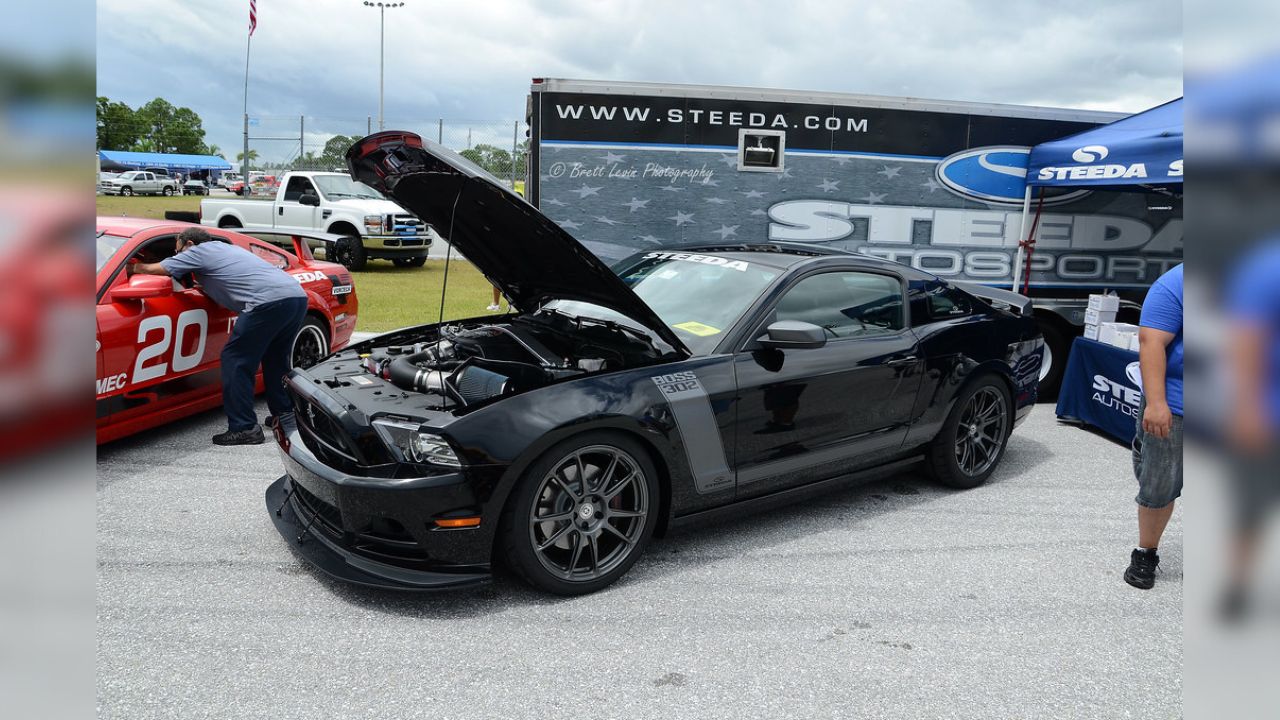
At the heart of the 2013 Boss 302 was a 5.0-liter V8 dubbed the “RoadRunner.” This wasn’t your average Coyote—it had revised heads, forged internals, a high-lift cam, and a 7,500 rpm redline. Output was 444 horsepower and 380 lb-ft of torque.
It wasn’t all about peak numbers—it was how it delivered them. The car pulled hard above 4,000 rpm and never ran out of breath. Unlike earlier muscle cars, the Boss rewarded you for using the upper third of the tach.
Tremec Transmission and Track-Ready Gearing
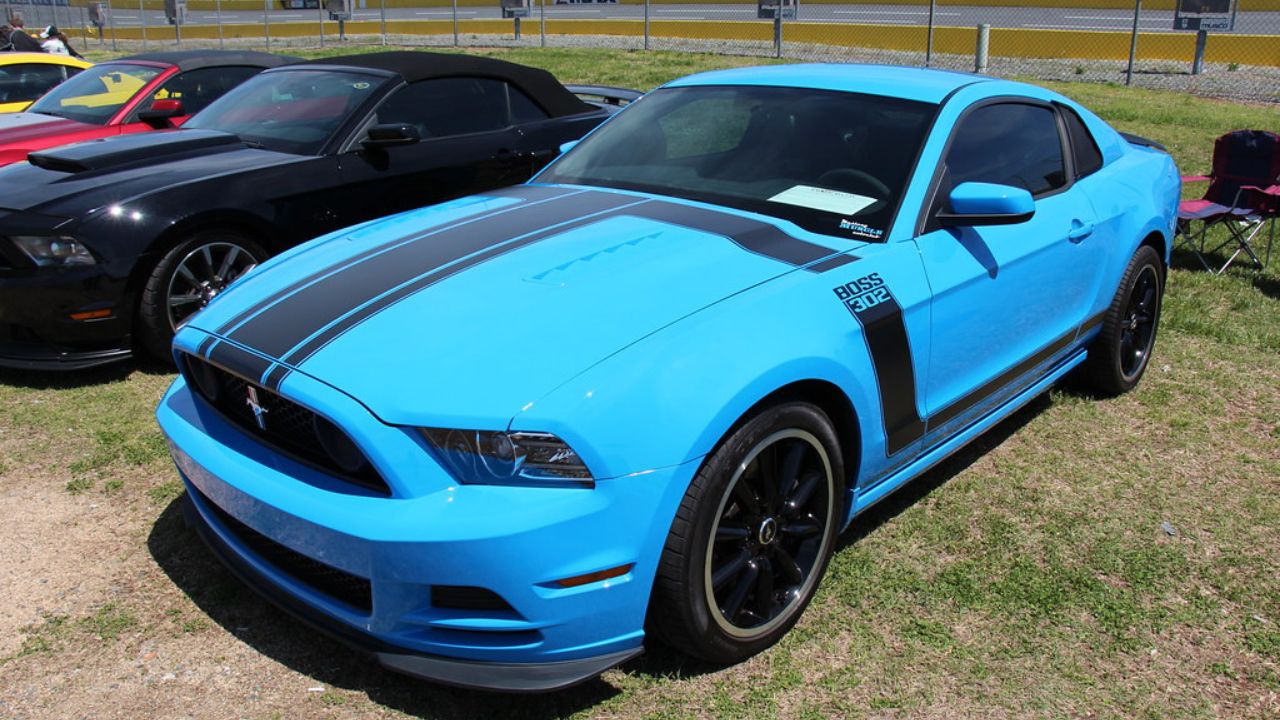
The Boss 302 came exclusively with a Tremec TR-6060 six-speed manual. Short throws and solid engagement made it easy to keep the engine in the sweet spot. Ford paired it with a 3.73:1 rear axle, ideal for both street pulls and road courses.
A limited-slip Torsen differential was included in the optional Track Package. It put power down cleanly exiting corners and helped the Boss 302 feel far more planted than a standard GT. This setup wasn’t for cruising—it wanted to be pushed.
Laguna Seca Edition Took It Further
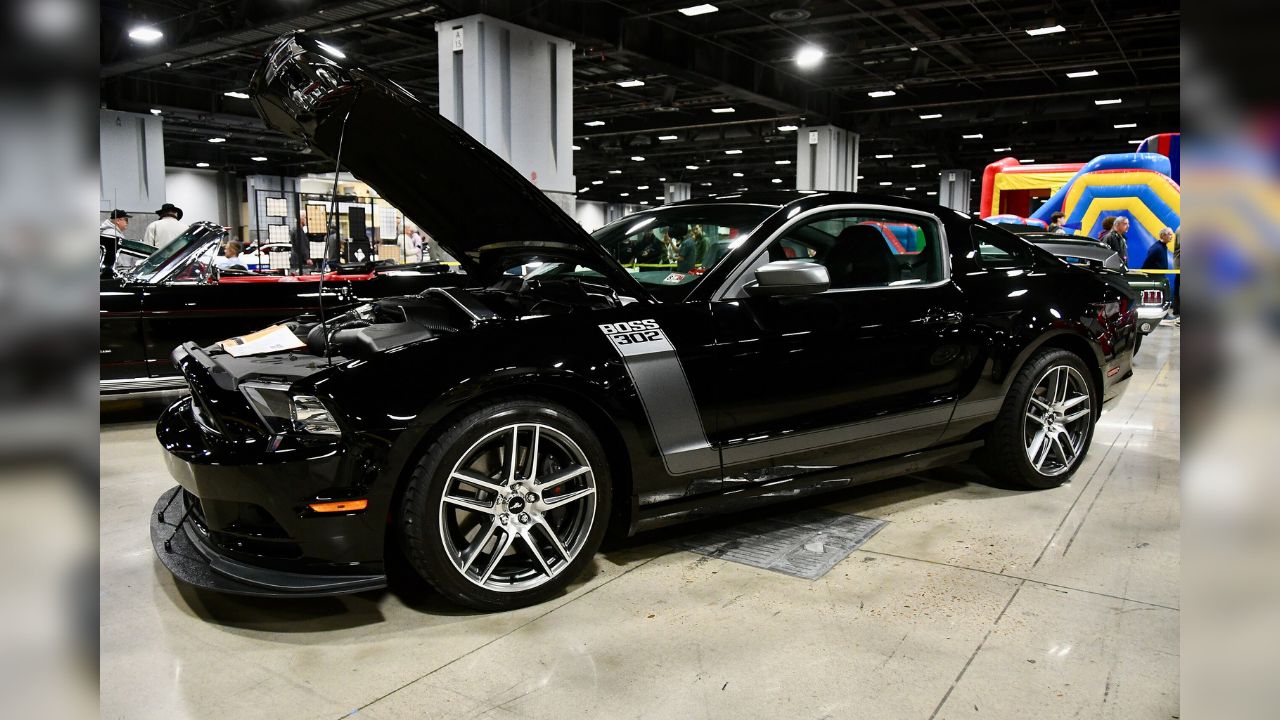
For those who wanted less compromise, the Boss 302 Laguna Seca was the closest thing to a factory track car. It ditched the rear seats, added a rear cross brace, stiffer springs, and upgraded dampers borrowed from the GT500.
Laguna Seca also included R-compound tires and wider wheels. The aero package added a front splitter and rear spoiler for more high-speed grip. It was louder, tighter, and faster—especially in the corners. Fewer than 800 were made for 2013.
Adjustable Suspension Right From the Factory
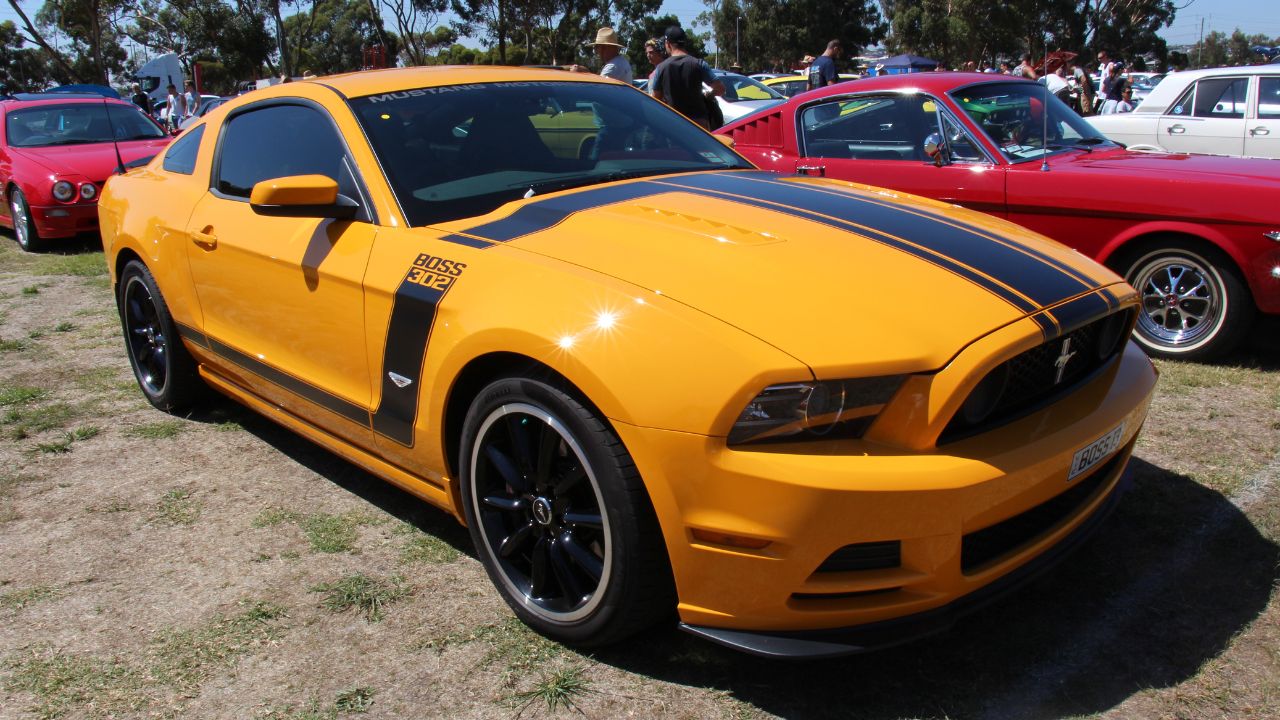
Ford gave the Boss 302 manually adjustable shocks—something rarely seen outside of dedicated track cars. A simple turn of a flathead screwdriver could stiffen or soften the ride in minutes.
This made the Boss easy to tailor for different surfaces. Daily drive it on setting 1, then crank it to 5 for a track day. Combined with revised spring rates and bushings, it was one of the most balanced Mustangs ever sold.
Quad Exhaust With Side Pipes
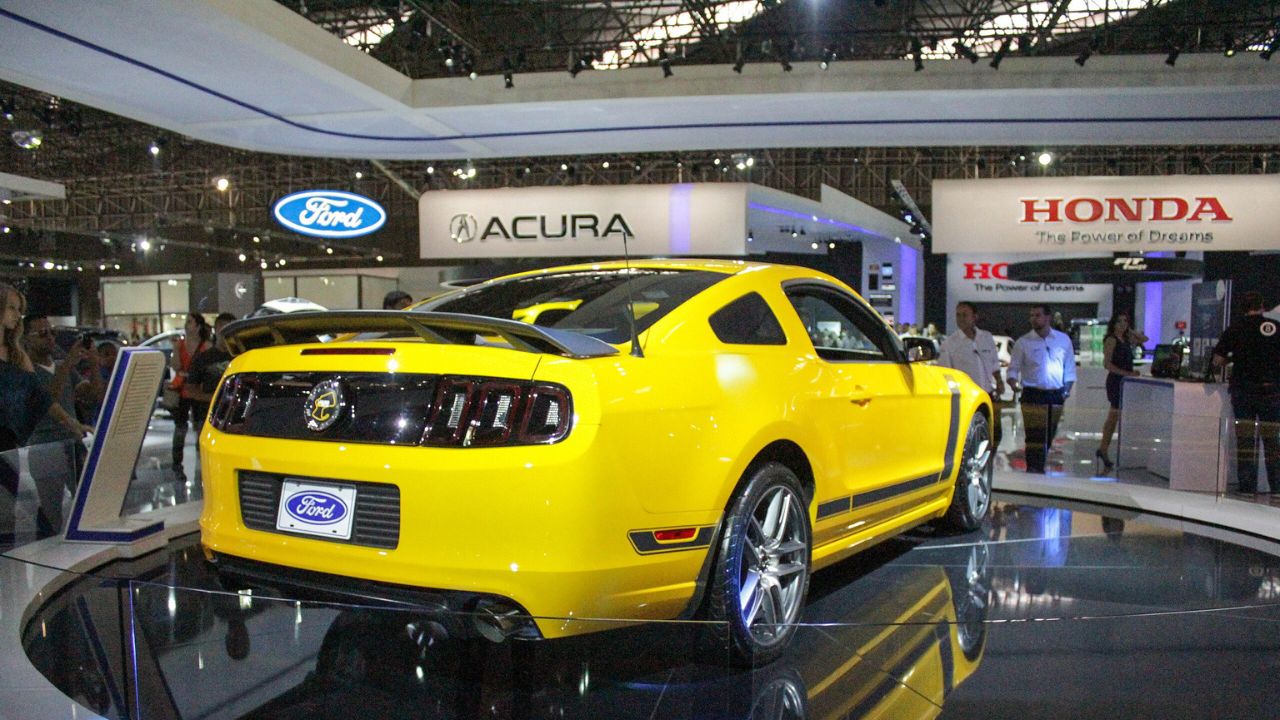
The 2013 Boss 302 had a quad exhaust system with two traditional rear exits and two side pipes that exited just ahead of the rear wheels. The side pipes featured removable discs that let more sound escape.
When opened up, the Boss 302 had a raw, raspy note that was unlike any other modern Mustang. It didn’t drone, and it didn’t need a stereo to keep you entertained. You could hear that flat-plane snarl echoing through every gear change.
0–60 in the Low Fours
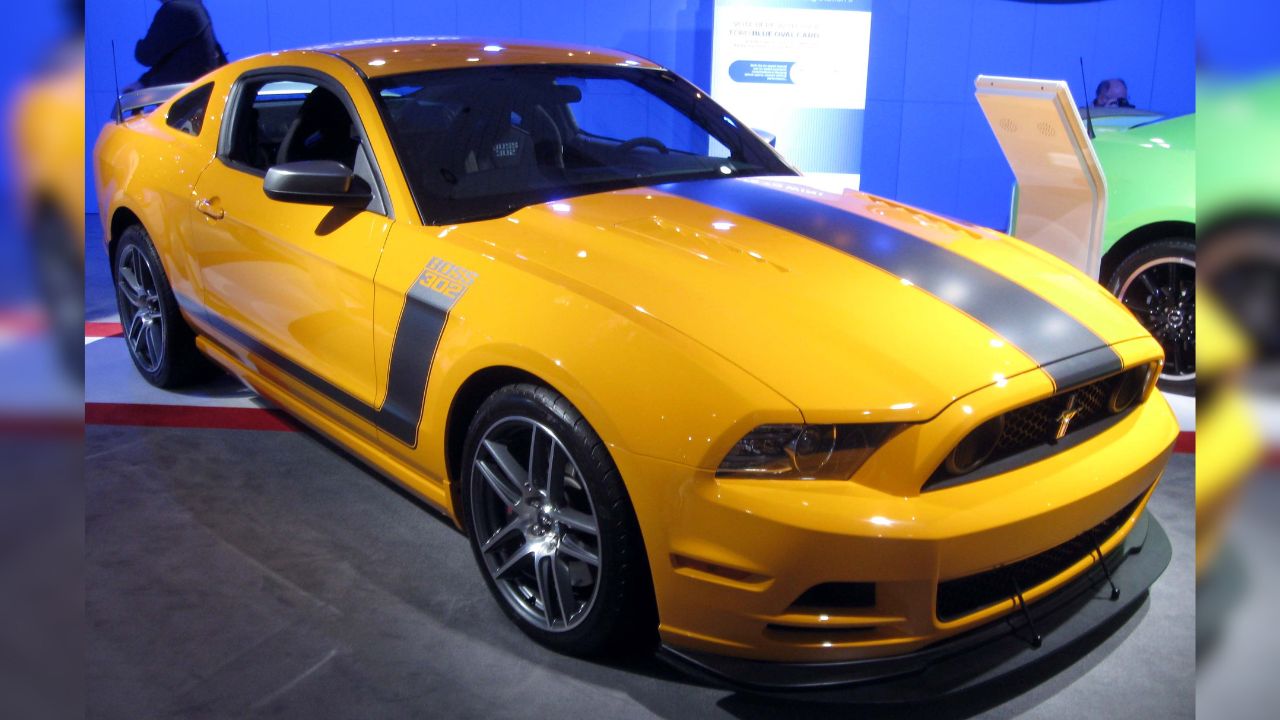
Despite being naturally aspirated, the Boss 302 was quick. It hit 60 mph in about 4.0–4.2 seconds and ran the quarter-mile in the high 12s. That was enough to nip at the heels of the Camaro SS 1LE and older M3s.
Top speed was 155 mph, limited electronically, but it was the midrange grunt and smooth throttle response that stood out. The Boss didn’t rely on forced induction—it got there the old-fashioned way: by breathing deep and revving hard.
Balanced Handling That Felt Natural
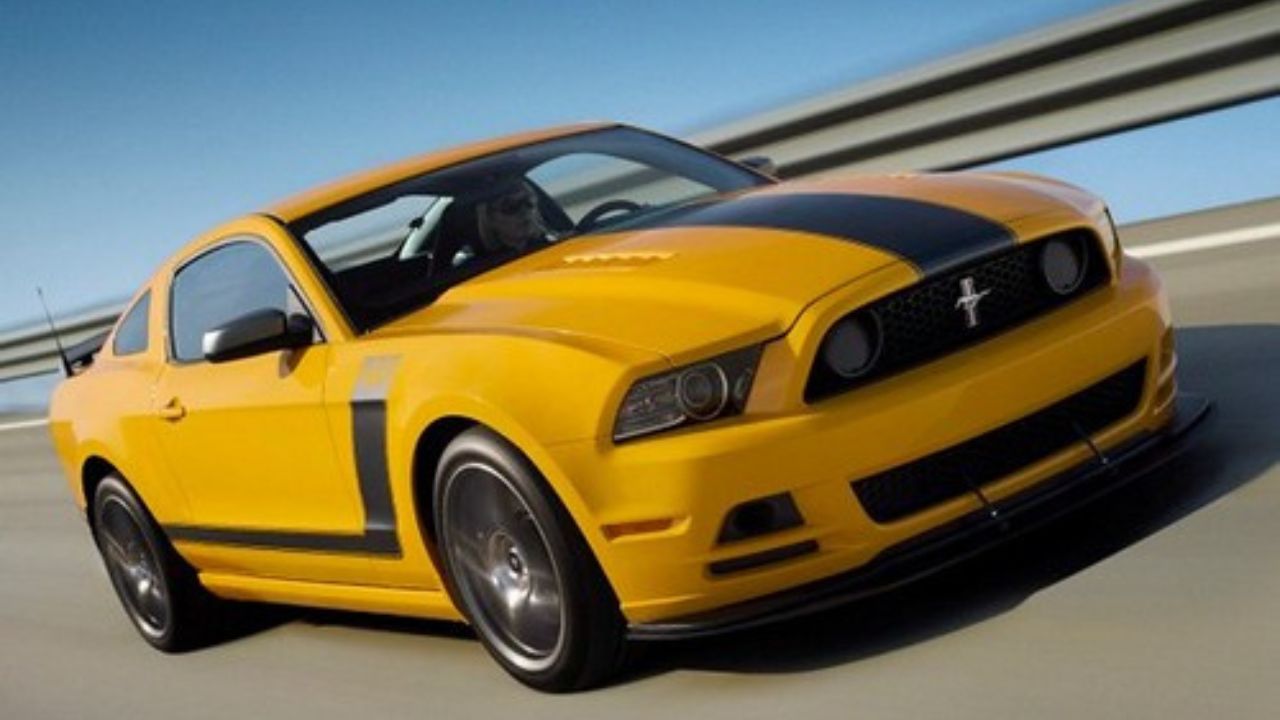
The Boss 302’s real strength was in its chassis. Ford revised the front end geometry, added stiffer bushings, and used unique sway bars. The steering felt more precise than the standard GT and gave good feedback.
With minimal body roll and neutral handling, it rotated easily and stayed composed under hard braking. Whether at a track or on a backroad, it felt composed and confident. It was quick, but more importantly, it was controllable.
Recaro Seats and a Simplified Cabin
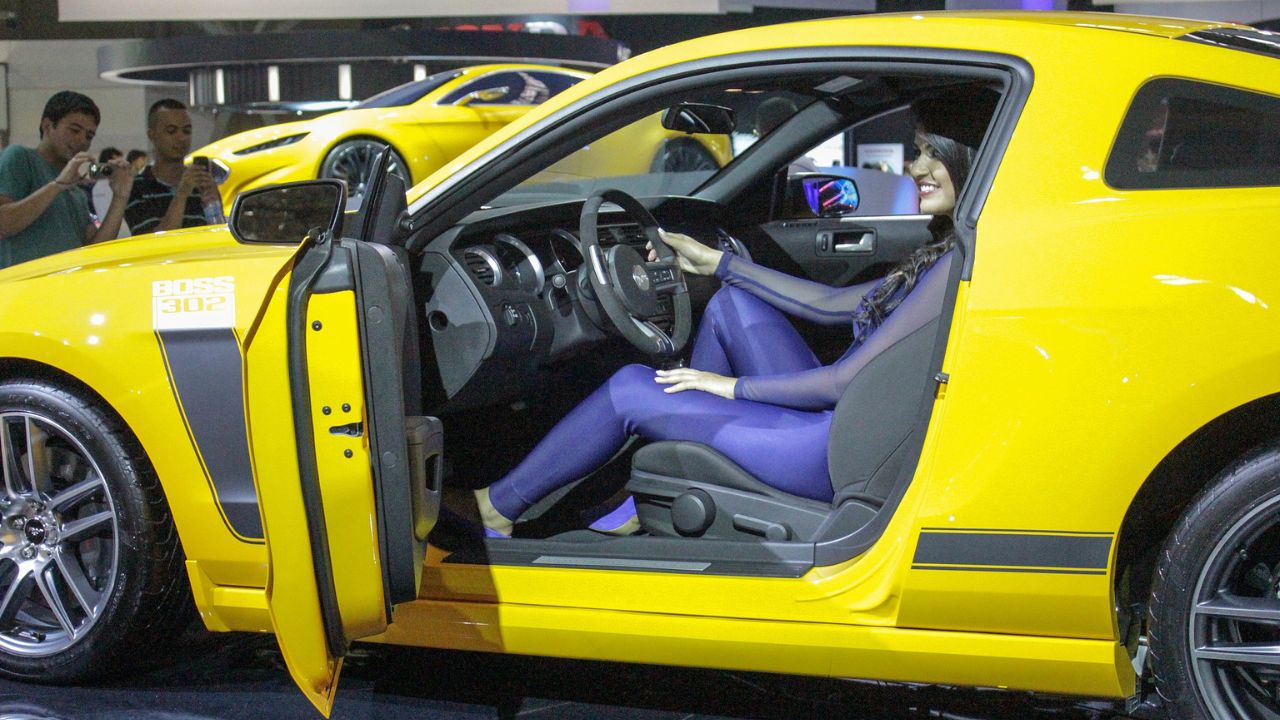
Inside, the Boss 302 skipped luxury in favor of function. Recaro sport seats with cloth trim held the driver in place without being too aggressive. The rear seats were usable, unless you had a Laguna Seca model.
There was no touchscreen, no automatic climate control, and no excessive trim—just analog gauges, a basic SYNC system, and a steering wheel that felt good in your hands. It was a callback to when performance mattered more than tech.
Built for Limited Production
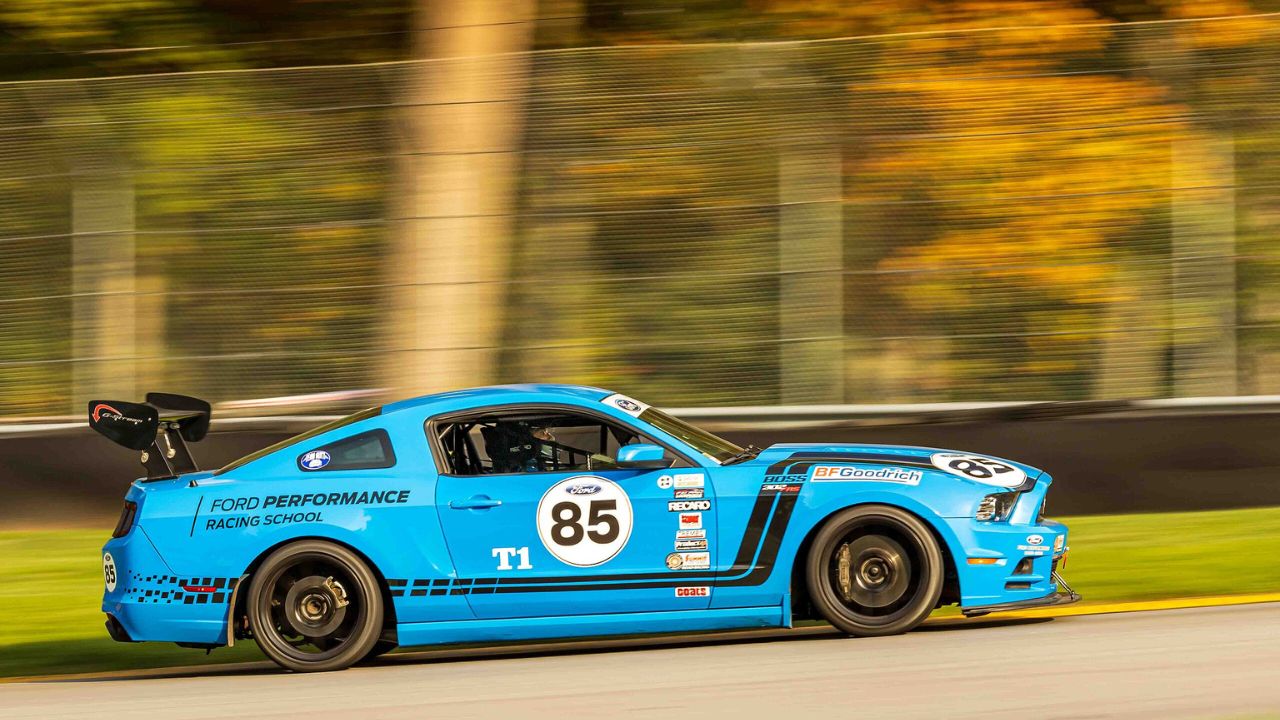
Ford didn’t flood the market with Boss 302s. In 2013, production was capped at just over 4,000 units, with Laguna Seca models accounting for a fraction of that. Each car had its own plaque and build number.
This scarcity helped maintain interest and value. Buyers knew they were getting something special—not just another Mustang with a badge and a stripe. Today, clean examples still hold strong resale prices because of that controlled production run.
It Outran Cars Twice the Price
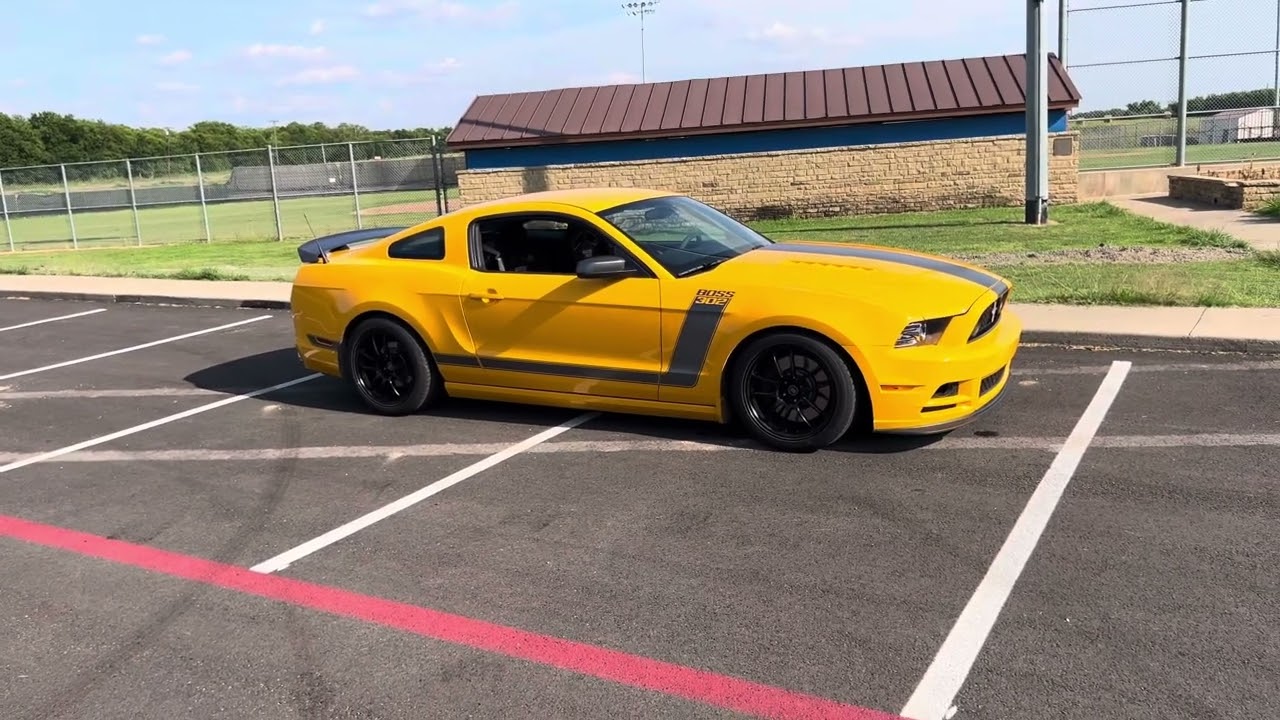
The 2013 Boss 302 punched well above its weight. On tracks like Laguna Seca and VIR, it posted lap times on par with BMW’s E92 M3 and even some early Porsche 911s. It cost tens of thousands less and didn’t come with badge snobbery.
That’s what made the Boss 302 so special. It didn’t pretend to be something else. It just delivered grip, speed, and control at a level few expected from a Mustang. It was the real deal, and it didn’t need to shout about it.
Like Fast Lane Only’s content? Be sure to follow us.
Here’s more from us:
*Created with AI assistance and editor review.