For most of its life, the Ford Taurus was a practical midsize sedan, not the kind of car you’d expect to rip through a quarter mile or clip apexes. But there were brief moments when Ford got serious—and the SHO was the result. Short for Super High Output, the SHO Taurus blended stealthy looks with real performance. Here are ten times Ford proved it wasn’t bluffing.
Yamaha Helped Build the Original Engine
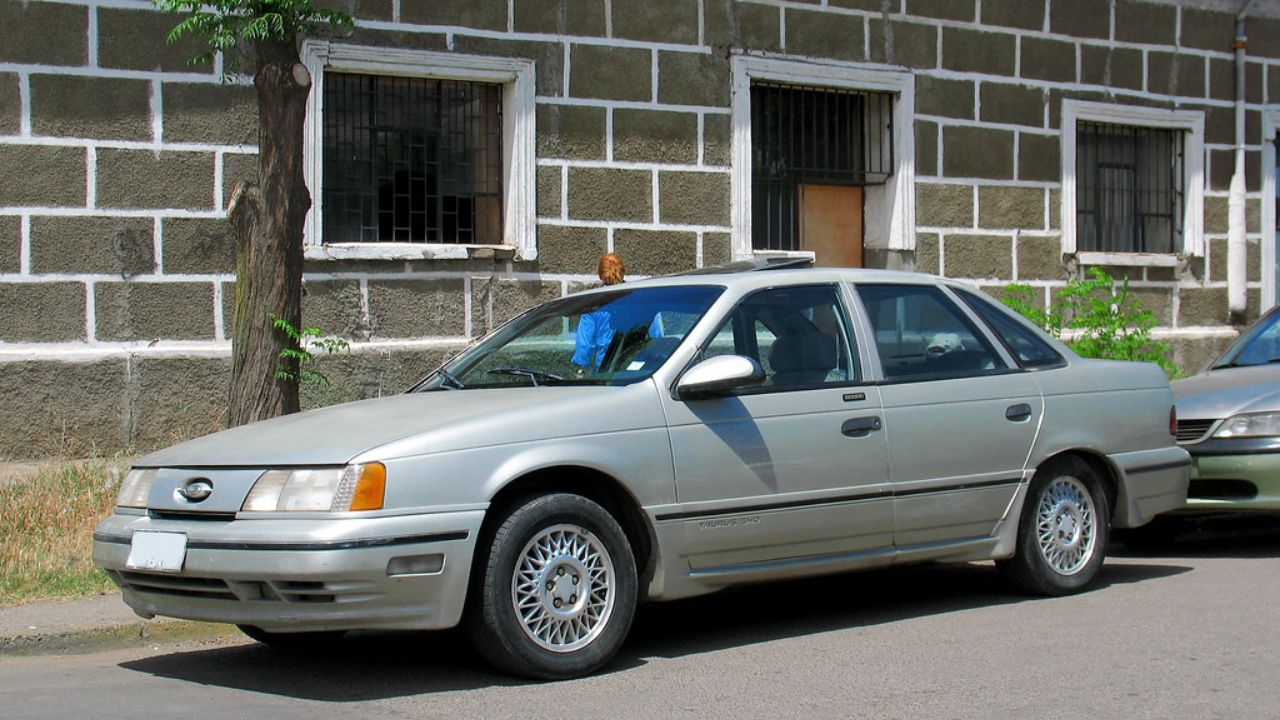
The first-gen SHO (1989–1991) featured a 3.0-liter DOHC V6 built with Yamaha’s help. It made 220 horsepower and 200 lb-ft of torque—strong numbers in a time when the Mustang GT was only making 225 hp.
Paired with a 5-speed manual, it revved to 7,000 rpm and delivered 0–60 in around 6.6 seconds. The engine had aluminum heads, a forged steel crank, and a redline that embarrassed most domestic sedans. It didn’t just sound good—it was good.
Manual Only Meant It Was Serious
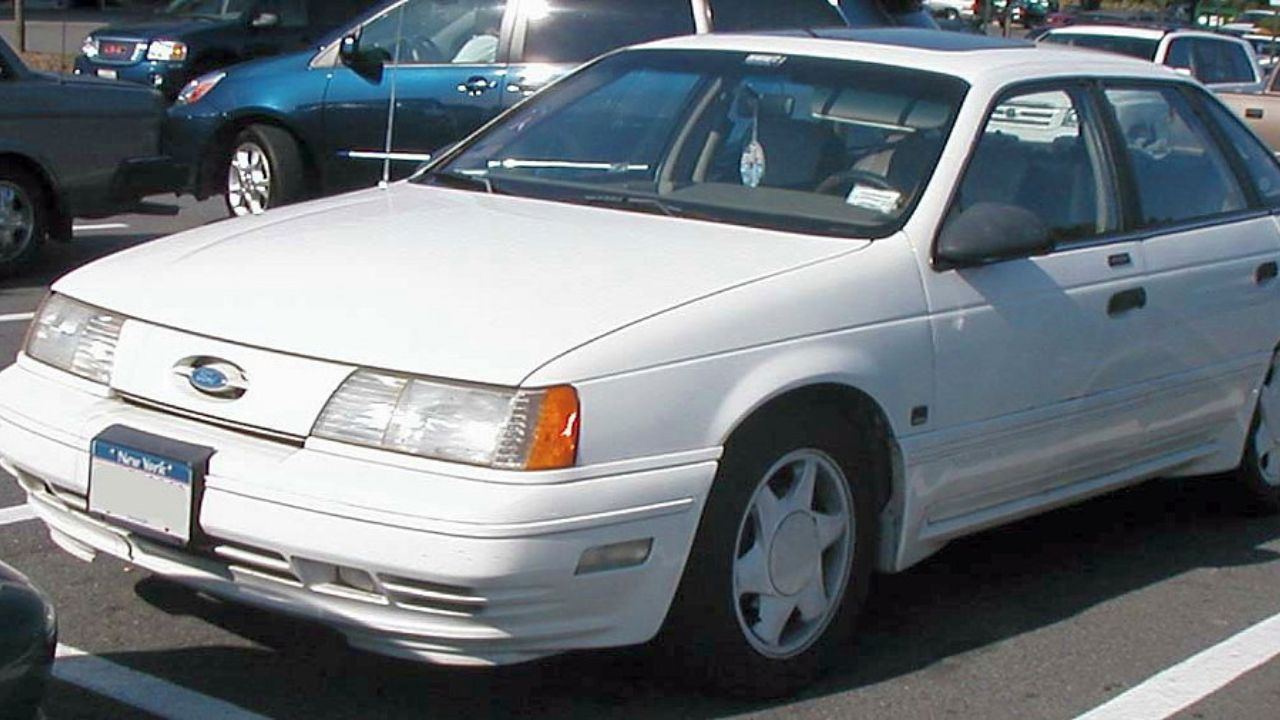
From 1989 to 1991, the SHO came only with a 5-speed manual. Ford knew this was a driver’s car and didn’t bother with an automatic right away. That alone set it apart from every other Taurus on the road.
The Mazda-sourced MTX-IV transmission wasn’t perfect, but it was durable and responsive. With short gearing and a 3.74 final drive, the SHO pulled hard through every gear. It felt more European than American—until you popped the hood.
The 3.2-Liter V6 Brought More Torque
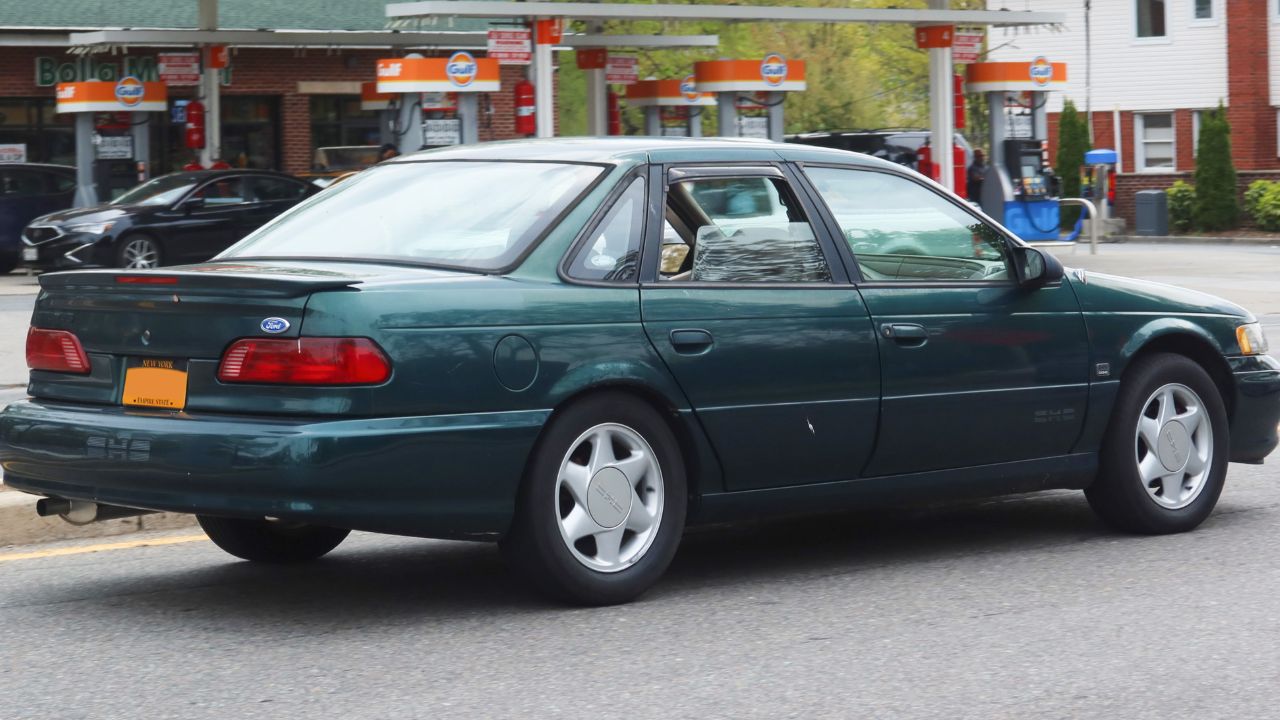
In 1993, Ford introduced an automatic version of the SHO with a 3.2-liter V6. Power stayed at 220 hp, but torque rose to 215 lb-ft, giving it better low-end pull. It made the SHO more approachable, if less raw.
This version targeted drivers who wanted SHO performance without rowing their own gears. The extra displacement helped mask the automatic’s slower shifts, though enthusiasts still preferred the earlier manual 3.0. Both versions ran smooth and pulled hard for a V6.
Second-Gen Styling Kept It Undercover

The second-gen SHO (1992–1995) wore the same rounded body as other Tauruses, with only subtle tweaks—lower ride height, unique wheels, and a trunk badge. No loud graphics or scoops here.
Inside, the SHO featured optional leather seats, white-faced gauges, and a beefy steering wheel. It was quiet at idle, smooth on the highway, and deceptively quick when you dropped a gear. That low profile gave it sleeper status that’s still appreciated today.
The V8 SHO Was Ambitious—and Controversial
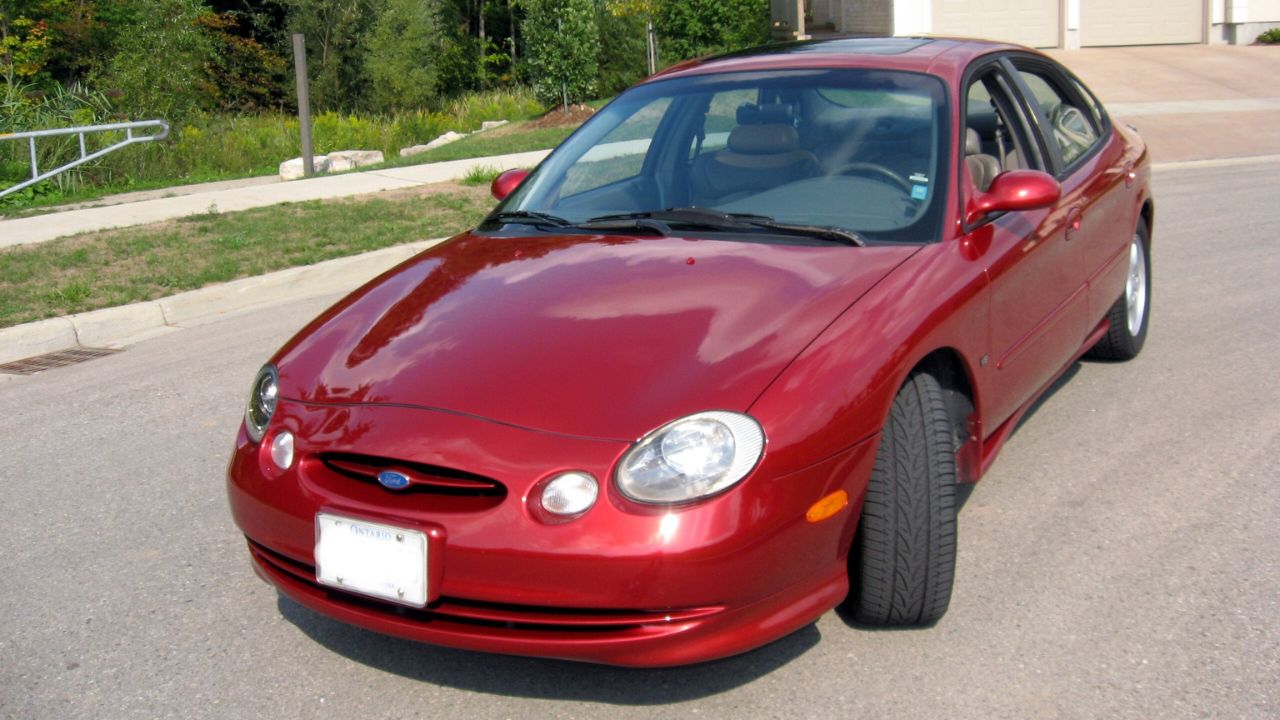
In 1996, Ford gave the SHO a 3.4-liter DOHC V8 built by Yamaha. It made 235 hp and 230 lb-ft of torque, mated exclusively to a 4-speed automatic. While it had more grunt, the V8 SHO couldn’t quite match the urgency of the earlier manuals.
Still, it hit 0–60 in under 7 seconds and had a top speed of 143 mph—fast enough to surprise anyone expecting Camry-level performance. But cam sprocket failures later haunted its reputation, making this SHO more of a cautionary tale.
All-Wheel Drive Changed Everything in 2010
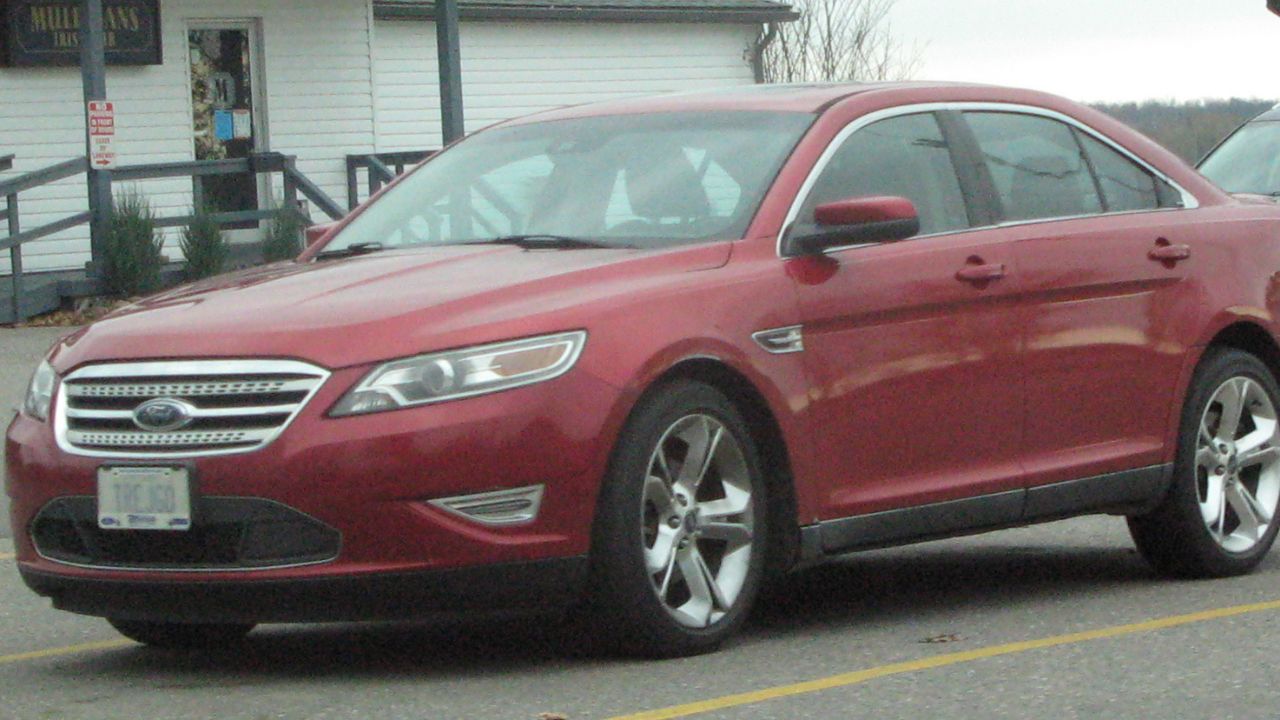
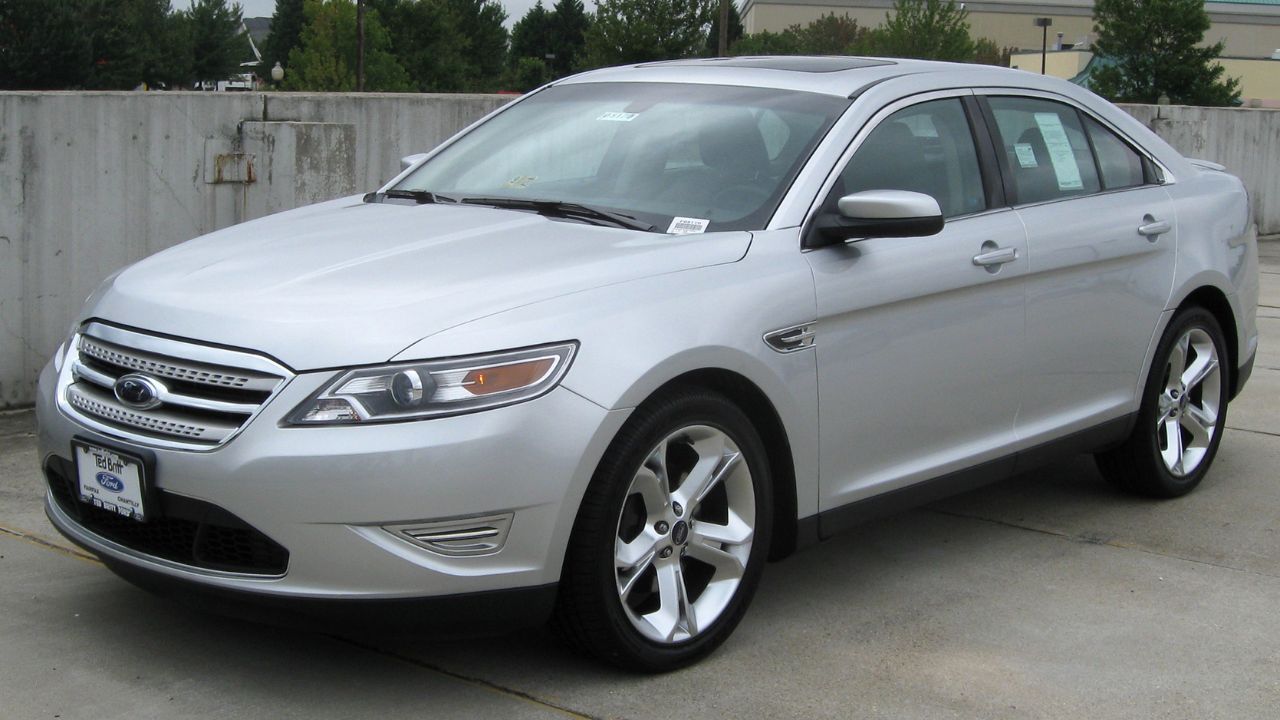
The 2010 SHO came back with a completely different formula—twin-turbocharged V6, six-speed automatic, and all-wheel drive. The 3.5-liter EcoBoost V6 made 365 hp and 350 lb-ft, putting it firmly in sports sedan territory.
With torque-vectoring AWD and a 4,300-pound curb weight, it launched harder than any previous SHO. It could hit 60 in around 5.2 seconds and felt planted in corners. Ford finally gave the SHO the grip it always needed.
Performance Package Raised the Stakes
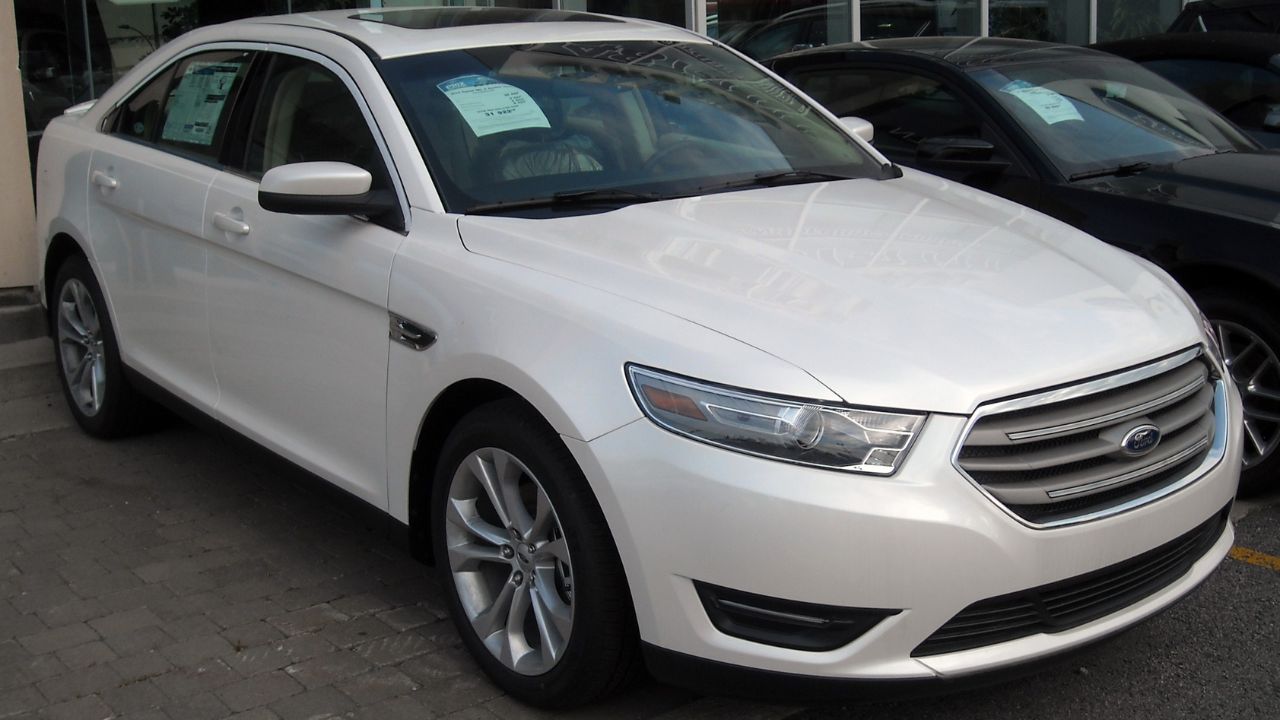
In 2013, Ford added an optional Performance Package to the SHO. It included upgraded cooling, 3.16 final drive ratio, recalibrated steering, and larger brake pads. Most importantly, it removed the speed limiter—raising top speed from 130 to 155 mph.
It also brought summer tires on 20-inch wheels and stability control that allowed more driver input. For those who wanted their SHO with less compromise, this was the one to get. It finally handled like its power suggested.
Interior Was Comfortable and Capable
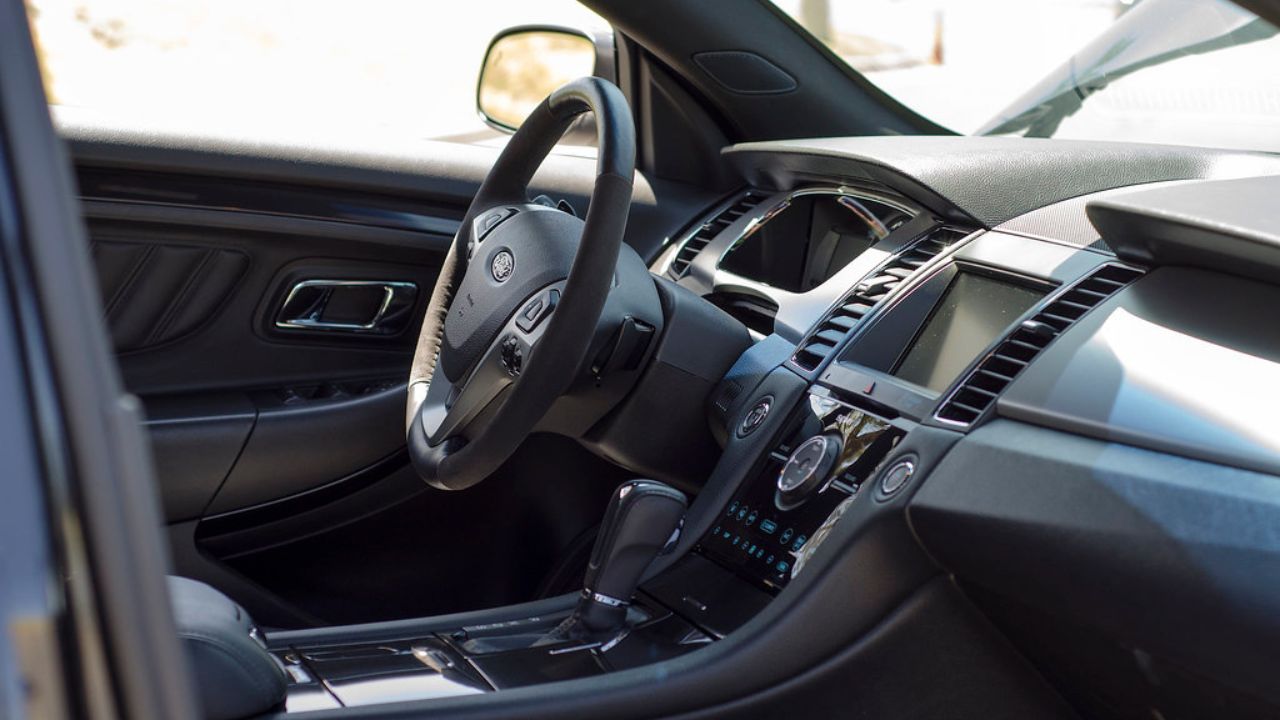
Inside, the modern SHO got heated and cooled leather seats, real aluminum trim, and a flat-bottom steering wheel. The dash was shared with other Tauruses, but SHO-specific touches made it feel sportier.
The front seats were heavily bolstered without being tight, and the digital instrument cluster could be customized. Unlike earlier SHOs, this one was quiet at speed and packed with tech—Bluetooth, navigation, rearview camera—all while capable of pushing 160 mph.
It Held Its Own Against Premium Rivals
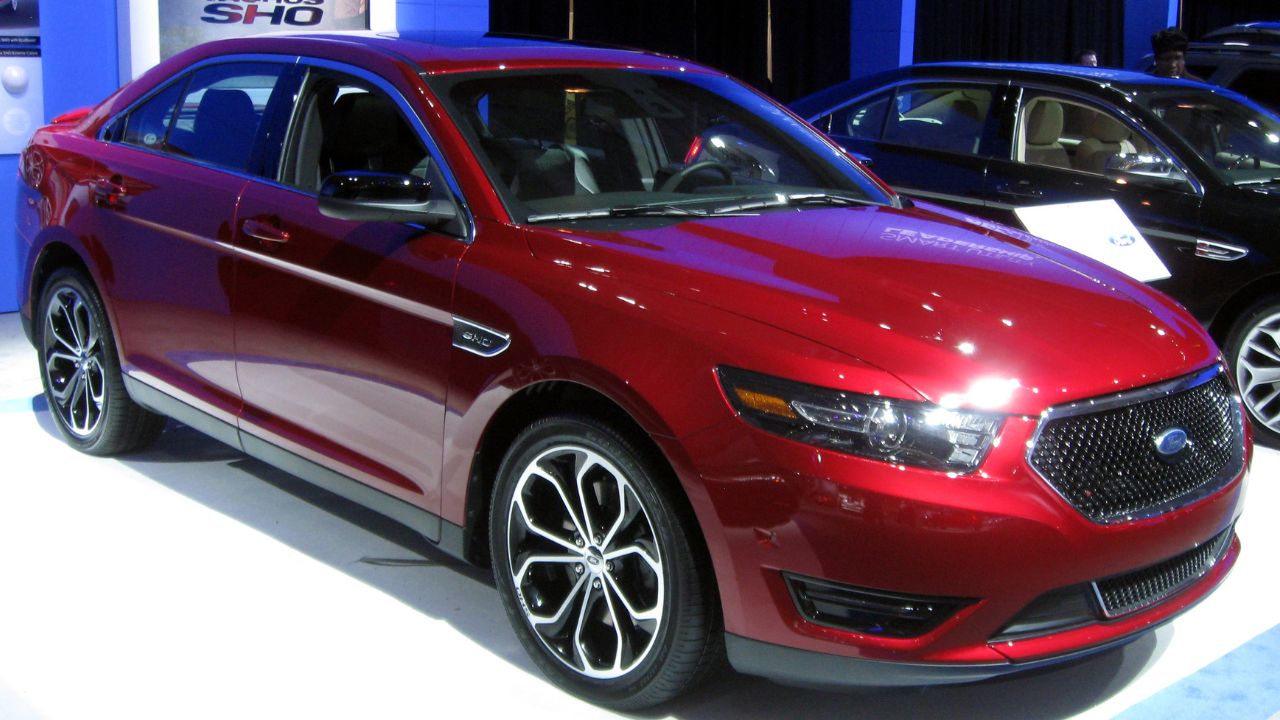
For the money, the 2010–2019 SHO could hang with far pricier sedans. It matched the Audi S4 and BMW 550i in straight-line speed, often for $10,000–$20,000 less. It wasn’t quite as refined, but it brought serious value.
Its biggest flaw was weight—over two tons even in Performance Package trim—but it made up for that with torque and AWD grip. It was a proper American take on the sport sedan formula, with muscle car attitude under the skin.
End of the Line Came Quietly in 2019
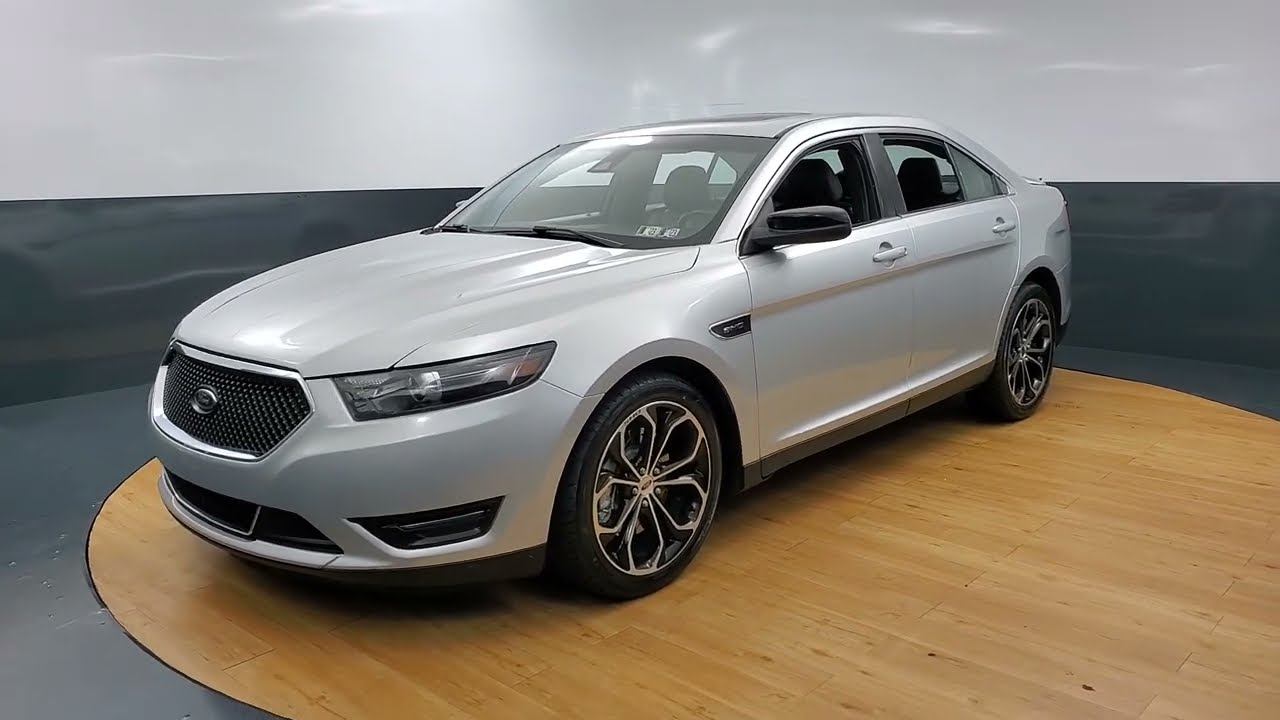
The SHO quietly disappeared in 2019 as Ford began phasing out sedans. No big farewell, no special edition. Just gone. But the SHO left behind a strange, respected legacy—part family car, part muscle sedan.
It had three different personalities across four generations: a Yamaha-tuned V6 screamer, a front-drive V8 cruiser, and an EcoBoost-powered AWD bruiser. Not every SHO was perfect, but when Ford made it fast, they made sure it counted.
Like Fast Lane Only’s content? Be sure to follow us.
Here’s more from us:
*Created with AI assistance and editor review.