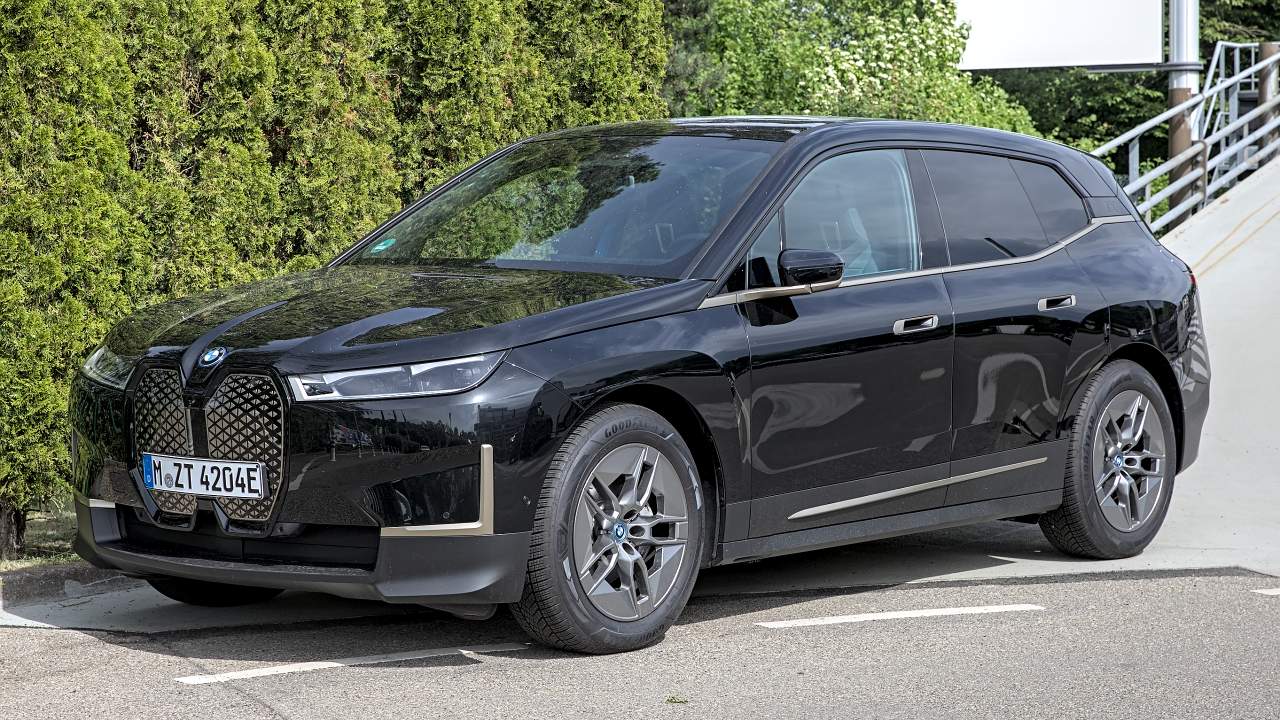
Automakers are racing to pack 2026 models with ever more software, screens, and semi-autonomous tricks, but the feature that is supposed to define the next generation of cars is already running into a wall of consumer skepticism. As dashboards start to look and behave more like smartphones, a growing share of drivers are quietly opting out, signaling that the industry’s favorite tech upgrade may be the one buyers are least eager to pay for.
I see a widening gap between what car companies want to sell and what drivers actually value, and it centers on always-connected, subscription-heavy digital systems that promise convenience but often deliver frustration, distraction, and new costs. The next model year will push that tension to a breaking point, as regulators, safety advocates, and ordinary owners all question whether the “smart” cockpit is solving problems or simply creating new ones.
The connected car that never really feels like yours
The defining tech push for 2026 is not a single gadget, it is the fully connected, software-defined car that treats every feature as a service and every driver as a data stream. Automakers are building vehicles around permanent connectivity, over-the-air updates, and app-like add-ons, turning hardware such as heated seats or advanced driver assistance into options that can be unlocked or enhanced for a monthly fee. That model promises recurring revenue for manufacturers, but it also means the car a buyer drives off the lot is no longer a finished product, it is a platform that can change or even lose capabilities over time.
Owners are already seeing how this plays out in practice. BMW drew backlash when it tested subscription pricing for heated seats and other functions, and several brands now gate higher-performance driving modes or hands-free assistance behind software paywalls that can be activated remotely. Reporting on feature subscriptions shows how quickly drivers bristle at paying twice for hardware that is physically installed in the car. As more 2026 models ship with embedded 5G modems, cloud-linked infotainment, and proprietary app stores, the risk is that buyers see less of a cutting-edge upgrade and more of a long-term lease on functions they thought they already owned.
Subscription fatigue meets the monthly payment
Car buyers are entering showrooms with a very different mindset than when the first connected dashboards appeared a decade ago. Many households are already juggling streaming video, music, cloud storage, and productivity subscriptions, and they are acutely aware of how small recurring charges add up. When a new vehicle layers on paid tiers for navigation, remote start, advanced driver assistance, or even basic connectivity, the total cost of ownership becomes harder to predict and easier to resent.
Surveys cited in coverage of automotive subscriptions show that while some drivers are open to paying for genuinely new capabilities, enthusiasm drops sharply when recurring fees are attached to features that used to be standard or one-time options. I see that tension intensifying as 2026 lineups lean more heavily on software bundles and trial periods that convert into paid plans after a few months. The more a car feels like a rolling collection of in-app purchases, the more likely buyers are to push back, especially when they are already stretching to afford higher interest rates and record transaction prices.
Infotainment overload and the safety backlash
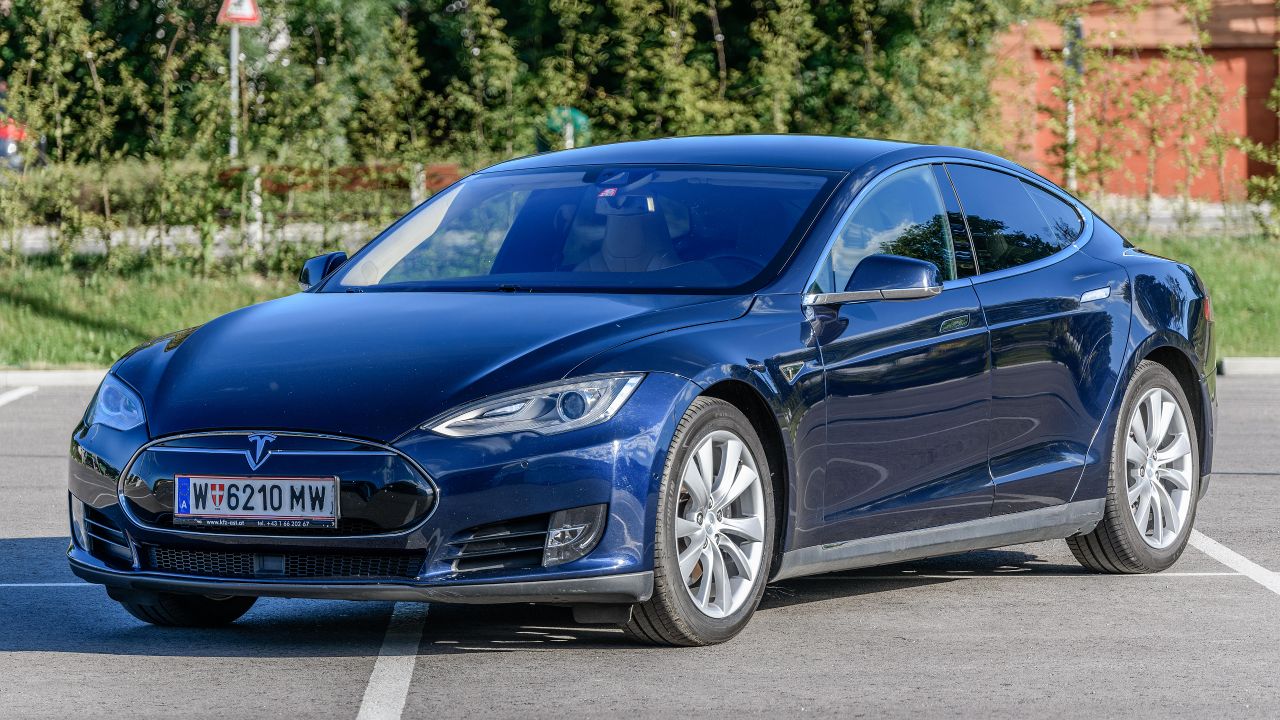
The other pillar of the 2026 tech push is the sprawling infotainment stack, with ever larger touchscreens, deeper menu systems, and tighter integration with cloud services. Automakers argue that consolidating controls into a central display and voice interface creates a cleaner cabin and a more modern experience. In reality, many drivers are finding that basic tasks such as adjusting climate settings or changing a radio station now require multiple taps, swipes, or spoken commands that do not always work as advertised.
Safety researchers have been warning for years that complex in-car interfaces can pull attention away from the road for dangerously long stretches, and recent evaluations of touchscreen-heavy systems reinforce that concern. As 2026 models add more apps, notifications, and customizable layouts, I expect regulators and insurers to scrutinize whether these designs comply with guidelines on driver distraction. Buyers, meanwhile, are voting with their wallets and their behavior, often defaulting to simpler smartphone mirroring through Apple CarPlay or Android Auto instead of learning yet another proprietary interface that feels slower and less intuitive than the phone already in their pocket.
Data, privacy, and the uneasy feeling of being tracked
Behind the glossy graphics and connected services sits a quieter issue that is rapidly moving up the list of buyer concerns: data collection. Modern vehicles log location, driving behavior, voice commands, and in some cases biometric identifiers, then transmit portions of that data back to manufacturers or third-party providers. For 2026 models built around constant connectivity, that data flow is not a side effect, it is a core design feature that supports predictive maintenance, personalized recommendations, and targeted offers.
Investigations into automotive data practices have documented how broadly some brands define the information they can gather and share, including precise routes and in-car interactions. I see a growing disconnect between the way automakers frame this as a value-add and the way many drivers experience it, as a loss of control over who knows where they go and how they drive. As privacy regulations tighten in multiple markets and consumers become more aware of how their data is monetized, the all-seeing connected cockpit risks becoming a liability rather than a selling point, especially for buyers who simply want transportation without a side of surveillance.
Drivers still want tech, just not like this
None of this means car buyers are turning their backs on technology altogether. Demand remains strong for features that clearly improve safety, comfort, or convenience without adding complexity or recurring costs. Adaptive cruise control, blind-spot monitoring, high-quality cameras, and straightforward smartphone integration consistently rank high in owner satisfaction studies, particularly when they are easy to use and included in the purchase price rather than carved into subscription tiers.
Reporting on in-vehicle tech satisfaction shows that drivers reward systems that are intuitive and reliable, and they quickly abandon or resent those that feel gimmicky or intrusive. As 2026 models roll out, I expect the most successful brands to be the ones that treat connectivity and software not as an excuse to meter out every feature, but as a way to quietly enhance the core driving experience. The tech that buyers actually want is the kind that disappears into the background, doing its job without demanding constant attention, extra payments, or a surrender of privacy.
More from Fast Lane Only: